







Proven Methods for Treating Textured Skin – Insights From Lucia Clinic Experts
Textured skin can be a frustrating concern for many, affecting both appearance and self-confidence. Conditions like acne scars, enlarged pores, and uneven texture can lead to discomfort and anxiety. At Lucia Clinic in Dubai, our experts specialize in addressing these issues, offering proven methods for treating textured skin, tailored to individual needs. With a commitment to enhancing skin health and appearance, we provide insights into effective treatments that can help you achieve smoother, more radiant skin. Discover the solutions our experienced team recommends to transform your skin and restore your confidence.
Understanding Textured Skin: What Causes It?
Textured skin can arise from various factors, leading to a rough or uneven appearance. One of the primary causes is aging, as the skin naturally loses collagen and elastin, essential proteins that maintain its firmness and elasticity. This loss results in a drier texture and a buildup of dead skin cells, which can contribute to a rough feel.
Sun damage is another significant factor. Prolonged exposure to UV rays harms the skin’s fibers, leading to a loss of elasticity and causing issues like uneven texture and age spots. Additionally, environmental pollutants can contribute to skin damage and exacerbate texture issues by causing inflammation.
Dehydration also plays a role. When skin lacks moisture, it can appear dry and flaky, resulting in an uneven texture. Lifestyle factors, such as poor nutrition, smoking, and lack of hydration, can further worsen these conditions.
Genetics and hormonal changes are other contributors. Some individuals may be predisposed to certain skin types or conditions, such as acne, which can create a bumpy texture.
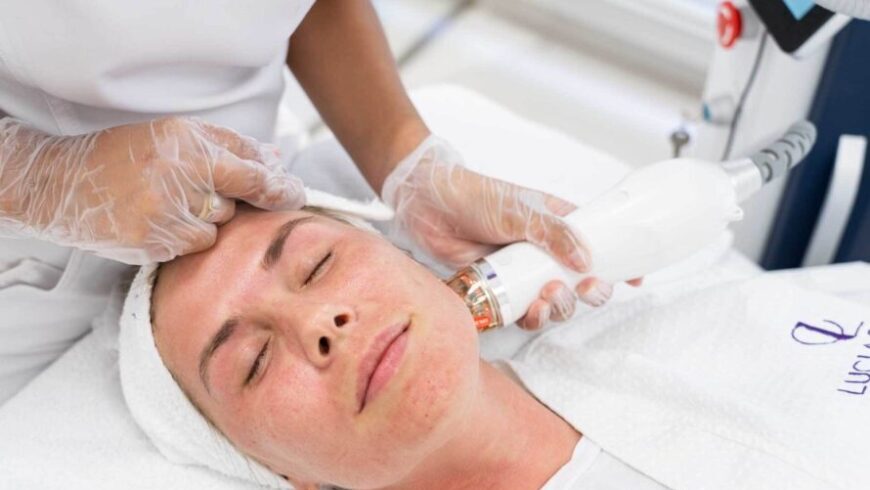
There are many treatments for textured skin.
Types of Textured Skin and How They Present
Textured skin can appear in many ways, and recognizing these patterns helps you understand what your skin needs. Post-acne scarring is one of the most common concerns. These scars form after inflammation and can look very different. Rolling scars create shallow dips with soft edges. Ice-pick scars look narrow and deep, while boxcar scars form wider depressions with sharp borders. Each type affects light reflection on the skin, which makes the texture more visible.
Keratosis pilaris is another form of rough texture. It usually appears on the cheeks, arms, or thighs and shows up as tiny bumps caused by trapped keratin. While harmless, it can make the skin feel uneven and dry. Many people also deal with enlarged pores, which often develop when excess oil, dead skin, and debris stretch the pore walls. These enlarged openings can give the skin a coarse look, especially in the T-zone.
Dryness can create rough patches as well. When the skin lacks moisture, dead cells build up on the surface and cause a dull, uneven feel. This often happens during colder seasons or when the skin barrier becomes weak. Texture can also form from congestion and buildup. When sebum and impurities accumulate, the surface can look bumpy and uneven, even before breakouts appear. Understanding the type of texture you have helps guide the right treatment approach.
At-Home Skincare for Managing Texture
Daily skincare plays an important role in keeping textured skin under control, especially between professional treatments. A consistent routine helps support the skin barrier, reduce buildup, and improve overall smoothness over time. Gentle steps work best, as aggressive scrubbing or harsh products often make texture more noticeable. Adding the right ingredients can help refine the surface while keeping the skin calm and hydrated.
Here are key products and ingredients that help manage texture at home:
- Retinol supports cell turnover. Introduce it slowly, starting with two or three nights per week to avoid irritation.
- AHAs and BHAs help remove dead cells and clear congestion, creating a more even surface.
- Ceramide moisturizers strengthen the barrier and prevent dryness that can make the texture worse.
- Daily SPF protects the skin from UV damage, which often deepens texture and slows progress.
- Gentle cleansers maintain balance better than strong foaming formulas that strip natural oils
Professional Treatments Recommended by Lucia Clinic Experts
At Lucia Clinic, experts recommend several professional treatments tailored to address textured skin effectively. Here’s a brief overview of some of the best treatments for textured skin available:
- HydraFacial: This popular treatment combines deep cleansing, exfoliation, and hydration in one session. It uses a patented Vortex-Fusion delivery system to infuse serums that nourish and hydrate the skin, improving texture and overall appearance.
- Secret RF Microneedling: This innovative treatment combines traditional microneedling with radiofrequency energy. The microneedles penetrate the skin to stimulate collagen production, while the radiofrequency heat enhances this effect by promoting deeper skin tightening.
- Chemical Peel Dubai: By applying a chemical solution, this treatment exfoliates dead skin cells and promotes new cell growth. It is effective for addressing issues such as acne scars, hyperpigmentation, and fine lines, resulting in smoother skin.
- Laser Resurfacing: This technique uses laser technology to treat various skin concerns, including uneven texture. It stimulates collagen production and improves skin tone and texture by removing damaged outer layers.
- Microdermabrasion Facial Dubai: Microdermabrasion is a more intensive exfoliation technique that uses a rotating device to remove the outer layers of skin. This process helps to smooth the skin’s texture, diminish scars, and reduce uneven pigmentation. It can effectively treat various skin concerns, including rough skin, acne scars, and signs of aging.
- Clear and Brilliant Laser Dubai: A gentler laser option for mild to moderate texture. Clear + Brilliant boosts radiance, refines pores, and smooths early roughness. It’s suitable for younger clients or those seeking gradual improvement with minimal downtime.
- LED Light Mask: Red LED light supports collagen production and calms inflammation. While subtle on its own, it works well alongside other treatments to enhance healing and reduce redness, especially after peels or microneedling.
Which facial is good for textured skin?
For textured skin, a HydraFacial is highly recommended due to its comprehensive approach to skin health. This treatment involves multiple steps, including cleansing, exfoliation, extraction, and hydration, all in one session. It utilizes a patented system that delivers hydrating serums deep into the skin, effectively addressing uneven texture and promoting a smoother appearance. The best HydraFacial Dubai experts offer is gentle and suitable for all skin types, making it an ideal option for those looking to improve their skin’s texture without significant downtime.
How Long Does It Take to See Results?
Improving textured skin takes time, and each treatment follows its own pace. HydraFacial sessions can create a fresher look almost immediately because they clear buildup and boost hydration. However, several sessions are usually needed to maintain that smoother feel.
Chemical peels may show early improvements within a week as the old skin sheds, but deeper concerns often require multiple treatments spaced a few weeks apart. Microneedling and radiofrequency treatments follow a slower timeline because they work by stimulating collagen. Most people notice changes after four to six weeks, with full results developing over three months.
Age and severity affect this process. Younger skin often responds more quickly because it produces collagen at a faster rate. More mature skin needs additional time and support to rebuild firmness and smoothness. Deep scars or long-standing texture issues also require a longer treatment plan, as the skin needs repeated stimulation to remodel effectively.
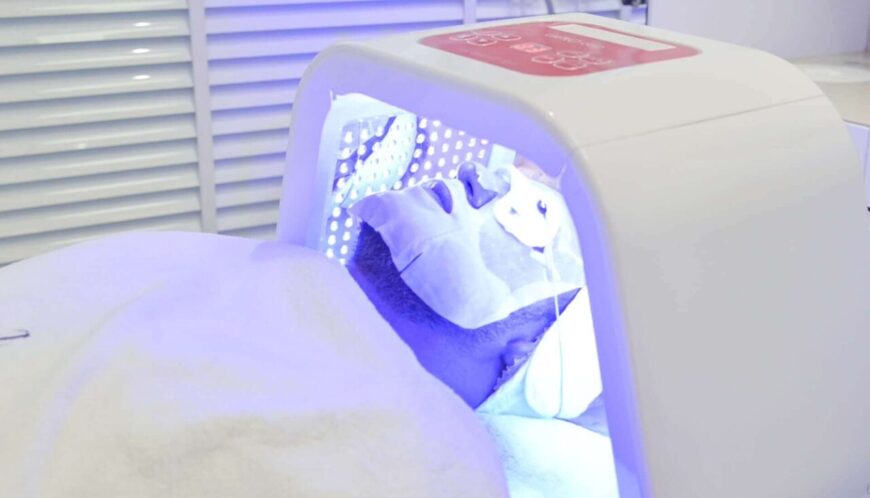
LED mask therapy helps textured skin.
Collagen remodeling depends on consistency. Each session triggers a controlled healing response, and regular treatments help reinforce that progress. Follow-up appointments keep the skin improving and prevent setbacks caused by aging or daily environmental stress.
What to Expect Before, During, and After Treatments
Preparing for textured skin treatments starts with simple adjustments that protect your skin and improve results. Most clients are advised to avoid retinoids and strong exfoliants for several days before their session. Direct sun exposure should also be limited, as sensitive or irritated skin may not respond well to advanced procedures. A consultation helps determine the right timing and ensures your skin is healthy enough for treatment.
During the session, the experience varies based on the procedure. HydraFacial treatments feel gentle, with a light suction sensation that cleans the pores. Chemical peels may create a mild tingling feeling as the solution activates on the skin. Microneedling and radiofrequency treatments feel slightly warm or prickly, though numbing cream is usually applied to keep you comfortable. Laser resurfacing can feel more intense, but the treatment is controlled and performed with your comfort in mind.
Recovery depends on the method used. HydraFacial treatments require no downtime. Chemical peels may cause light flaking for a few days. Microneedling often leads to temporary redness similar to a sunburn, which settles within 24 to 48 hours. Laser treatments involve a longer recovery period, with redness and mild swelling for several days. After any procedure, the skin benefits from gentle care. Hydrating products, soothing creams, and daily SPF protect the treated area while it heals.
Combining Treatments: The Best Approach for Long-Lasting Results
Combining skin treatments can be an effective strategy for achieving long-lasting results and addressing multiple concerns simultaneously. Different treatments can target various layers of the skin, allowing for a more comprehensive approach to skincare. For instance, pairing microneedling with Platelet-Rich Plasma (PRP) therapy enhances collagen production, as the microneedling creates channels for the PRP treatment Dubai to penetrate deeply, leading to improved texture and elasticity.
Using treatments in a sequential manner can also maximize effectiveness. For example, you might start with facial treatments Dubai offers to prepare the skin and follow up with a microneedling session for deeper rejuvenation. This approach allows the skin to heal while building on the benefits of each procedure.
Consultation at Lucia Clinic: Get a Personalized Plan
At Lucia Clinic, the consultation process is designed to provide a personalized treatment plan tailored to your specific skin concerns and goals. During the initial consultation, a qualified dermatologist or skincare expert will begin by discussing your medical history, skin type, and any previous treatments you may have undergone. This comprehensive assessment helps them understand your unique needs.
Following the discussion, the specialist in our cosmetic clinic will conduct a thorough skin examination using advanced diagnostic tools. This step is crucial for identifying any specific issues, such as acne, pigmentation, or texture irregularities. Based on this evaluation, a customized treatment plan will be developed, outlining recommended procedures and expected outcomes.
This personalized approach ensures you receive the most effective treatments suited to your skin’s condition. The team at Lucia Clinic is dedicated to creating a comfortable environment where clients feel informed and confident about their skincare journey.
Can a dermatologist help with skin texture?
Yes, a dermatologist can effectively help with skin texture issues. They can assess your skin’s condition and recommend tailored treatments such as chemical peels, microneedling, laser therapy, and topical products to improve texture. Dermatologists are trained to identify the underlying causes of textured skin, such as acne scars, sun damage, or aging, and create a personalized treatment plan that may include both in-office procedures and at-home skincare routines.
Why Professional Diagnosis Matters
A professional diagnosis plays an important role in treating textured skin because many conditions can look similar on the surface but require very different solutions. Misdiagnosis often leads to the wrong products or treatments, which slows progress and may even cause new irritation.
For example, rough patches caused by dryness need barrier support, while acne-related texture requires targeted exfoliation or collagen-stimulating treatments. Without accurate identification, the skin does not respond as expected.
Clinical imaging tools also make a difference. Skin scanners reveal concerns that are not always visible to the eye, such as deeper congestion, early sun damage, or weakened areas of the barrier. These insights help experts understand the full picture and select treatments that match the skin’s real needs rather than relying on guesswork.
A customized plan reduces the risk of irritation and shortens recovery because it avoids unnecessary or overly aggressive steps.
Proven Methods for Treating Textured Skin at Lucia Clinic
Effectively treating textured skin requires a multifaceted approach that addresses the underlying causes while utilizing proven methods. Proven methods for treating textured skin include treatments such as microneedling, chemical peels, and laser therapies. Additionally, incorporating hydrating facials and tailored skincare regimens can further enhance results and maintain skin health. Consulting with a dermatologist is essential to developing a personalized treatment plan that aligns with your skin’s specific needs. With the right guidance and treatment options, achieving smoother, healthier skin is within reach.