


Category: Facial Aesthetics

Recognizing Eye Aging Signs: When to Explore Blepharoplasty Options

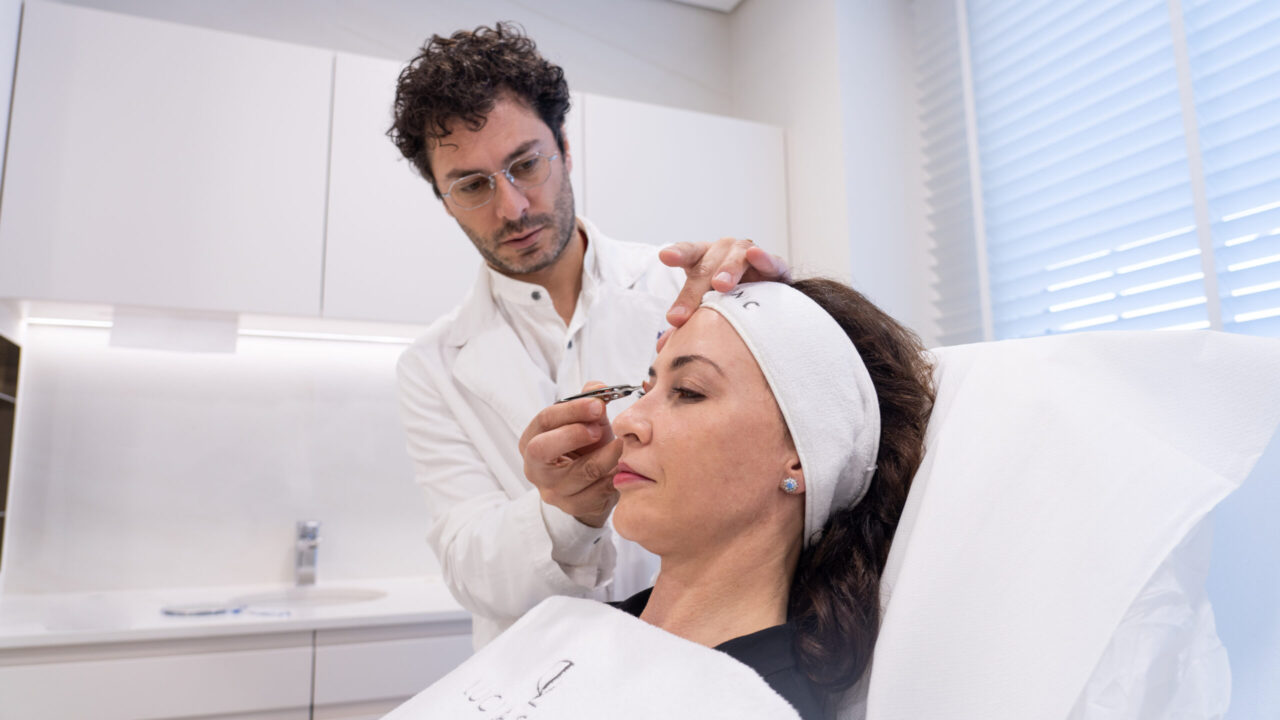
A doctor at Lucia Clinic helping his patient recognize eye aging signs

Aging often leaves its mark around the eyes, one of the most delicate areas of the face. Over time, factors like reduced skin elasticity, exposure to sunlight, and even lifestyle habits can contribute to changes such as drooping eyelids, puffiness, or dark circles. These changes are more than cosmetic concerns—they can affect vision, confidence, and daily comfort. Recognizing these signs early can help you better understand their causes and determine the right moment to consider potential solutions. Experts from Lucia Clinic Dubai discuss the common indicators of aging around the eyes and when to explore blepharoplasty options.

Common Signs of Aging Around the Eyes

As we age, the delicate skin around our eyes often reveals the first signs of time’s passage. Here are some common indicators:

  • Fine lines and wrinkles: Repeated facial expressions, such as smiling and squinting, combined with the natural loss of collagen and elastin, lead to the formation of fine lines, commonly known as crow’s feet, around the eyes.
  • Dark circles: Thinning skin and loss of fat beneath the eyes can make underlying blood vessels more visible, resulting in dark circles.
  • Puffiness and under-eye bags: Fluid retention and weakening of supportive tissues can cause swelling or puffiness under the eyes, often leading to a tired appearance.
  • Drooping eyelids: Loss of skin elasticity may cause the upper eyelids to sag, potentially affecting vision and contributing to a perpetually fatigued look.
  • Dryness: Reduced tear production with age can lead to dryness, causing discomfort and making the eyes appear red or irritated.
  • Bone resorption: The main contributor to eye hollowing and brow descent and a key factor in aging around the eyes and flattening of the midface.
  • Loss of soft tissue: Laxity of temporal fascia and bone resorption in the temporal region lead to a sunken appearance and can enhance aging signs in the eye area.

Factors Contributing to Eye Aging

As we get older, several factors contribute to the aging appearance of our eyes. A primary cause is the natural decline in collagen and elastin production, reducing skin elasticity. This reduction manifests as sagging eyelids and the formation of wrinkles. Also, prolonged exposure to ultraviolet (UV) rays accelerates skin aging, particularly around sensitive eye areas. Lifestyle choices, such as smoking, further exacerbate this process by introducing toxins that damage skin cells and impede circulation. Moreover, repetitive facial expressions, like squinting, contribute to the development of fine lines over time. Genetic predispositions also play a role in influencing how quickly these aging signs appear.

Can You Slow Down Eye Aging?

While it’s impossible to halt the natural aging process, adopting certain lifestyle habits can help slow down the signs of aging around the eyes. Protecting your eyes from ultraviolet (UV) radiation by wearing sunglasses and wide-brimmed hats can prevent damage that accelerates aging. Maintaining a balanced diet rich in antioxidants, such as vitamins A, C, and E, along with nutrients like lutein and zeaxanthin, supports eye health and may reduce the risk of age-related conditions. Regular eye examinations are crucial for early detection and management of potential issues, ensuring that any changes in vision or eye health are addressed promptly.

Can Eye Aging Lead to Vision Problems?

Our eyes undergo various changes that can lead to vision problems. Some common conditions include:

  • Presbyopia, where the eye’s lens loses flexibility, making it difficult to focus on close objects. This often becomes noticeable around the age of 40.
  • Cataracts, characterized by clouding of the eye’s lens, leading to blurred vision. Cataracts develop gradually and are prevalent among older adults.
  • Age-related macular degeneration (AMD) affects the central part of the retina, resulting in loss of central vision. This condition can make activities like reading or recognizing faces challenging.
  • Glaucoma, often associated with increased intraocular pressure, can damage the optic nerve and lead to peripheral vision loss. Without timely treatment, it may progress to complete blindness.

When to Explore Blepharoplasty Options

Blepharoplasty, commonly known as eyelid surgery, is considered when certain conditions affect the function or appearance of the eyes. One primary indication is dermatochalasis, characterized by excess, sagging skin on the upper eyelids. This condition can impair peripheral vision, particularly in the upper and outer parts of the visual field, making daily activities like reading or driving challenging.

Another factor is the presence of steatoblepharon, where protruding fat deposits lead to puffy or baggy lower or upper eyelids. This contributes to a tired or aged appearance and can also cause discomfort.

Another problem is the brow descent and loss of support for overlying soft tissues in the forehead. The treatments can be brow lift- temporal brow lift, endoscopic brow lift, or gliding brow lift.

Individuals experiencing these issues, especially when they interfere with vision or cause significant cosmetic concerns, might consider consulting a qualified ophthalmic or plastic surgeon for eyelid surgery Dubai experts offer.

Non-Surgical Alternatives

For those noticing early signs of aging or seeking to enhance the eye area’s appearance without surgery, several non-invasive treatments are available:

  • Botox injections: This popular wrinkle treatment for men and women can relax muscles that cause wrinkles, particularly crow’s feet, and lift the brow slightly, offering a more youthful appearance.
  • Dermal fillers: Injectable fillers can restore volume and smooth out hollows under the eyes, reducing the appearance of dark circles and under-eye bags.
  • Laser therapy: Laser treatments can stimulate collagen production, improving skin texture and firmness around the eyes.
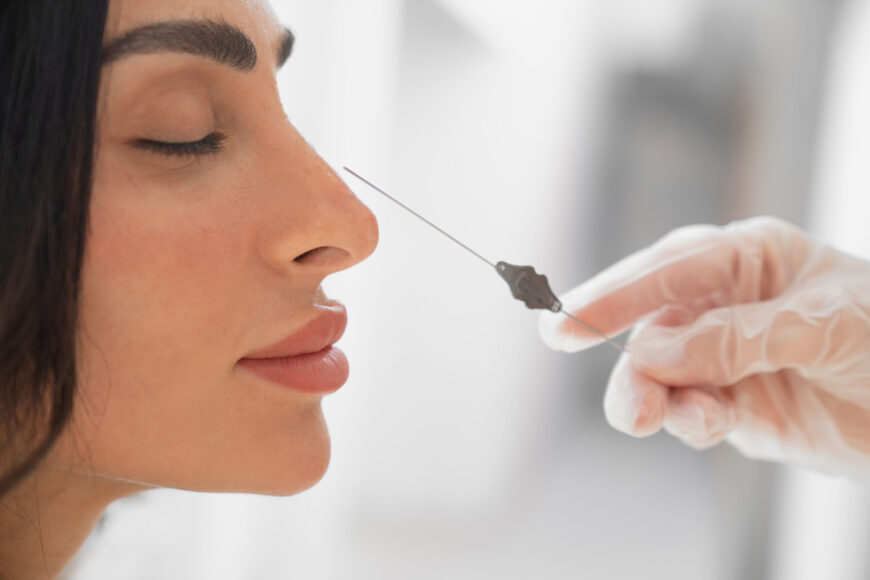
  • Thread lifting: This procedure involves inserting dissolvable threads under the skin to lift and tighten sagging eyelids, promoting a more youthful look. Threads are mainly used for brow lifting, and as a second effect, we have upper eyelid tightening.
  • Microneedling: Also known as collagen induction therapy, microneedling Dubai aestheticians offer uses tiny needles to create micro-injuries in the skin, stimulating collagen and elastin production.
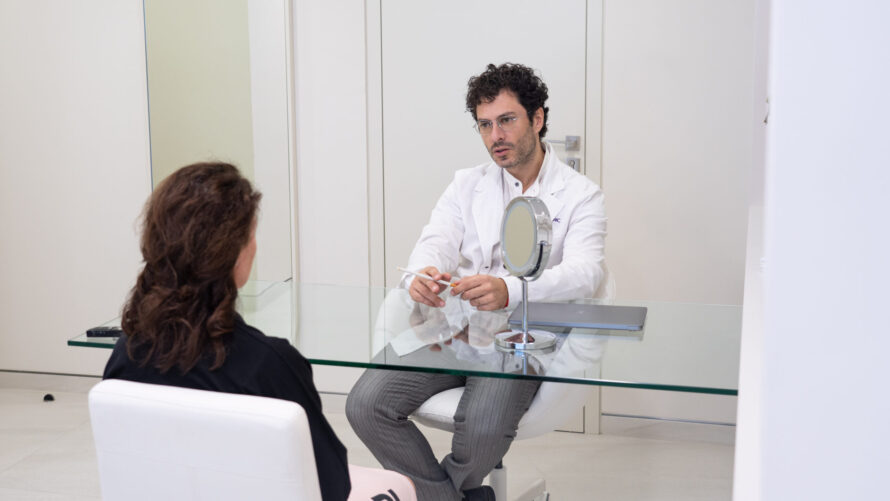
A consultation at Lucia Clinic after recognize eye aging signs

With experts at Lucia Clinic, eye aging signs can be removed effectively

How to Know When Blepharoplasty Is Right for You

Recognizing the signs of aging around the eyes is essential for maintaining both visual function and a youthful appearance. It’s crucial to consult with experienced professionals who can provide personalized advice on when to explore blepharoplasty options. At Lucia Clinic in Dubai, our team of skilled plastic surgeons specializes in eyelid surgery, offering tailored solutions to address your unique concerns. With a commitment to excellence and patient satisfaction, we ensure that each procedure enhances your natural beauty while prioritizing safety and comfort. To explore how blepharoplasty can benefit you, schedule a consultation with Lucia Clinic today!
Rhinoplasty Recovery Guide by Lucia Clinic

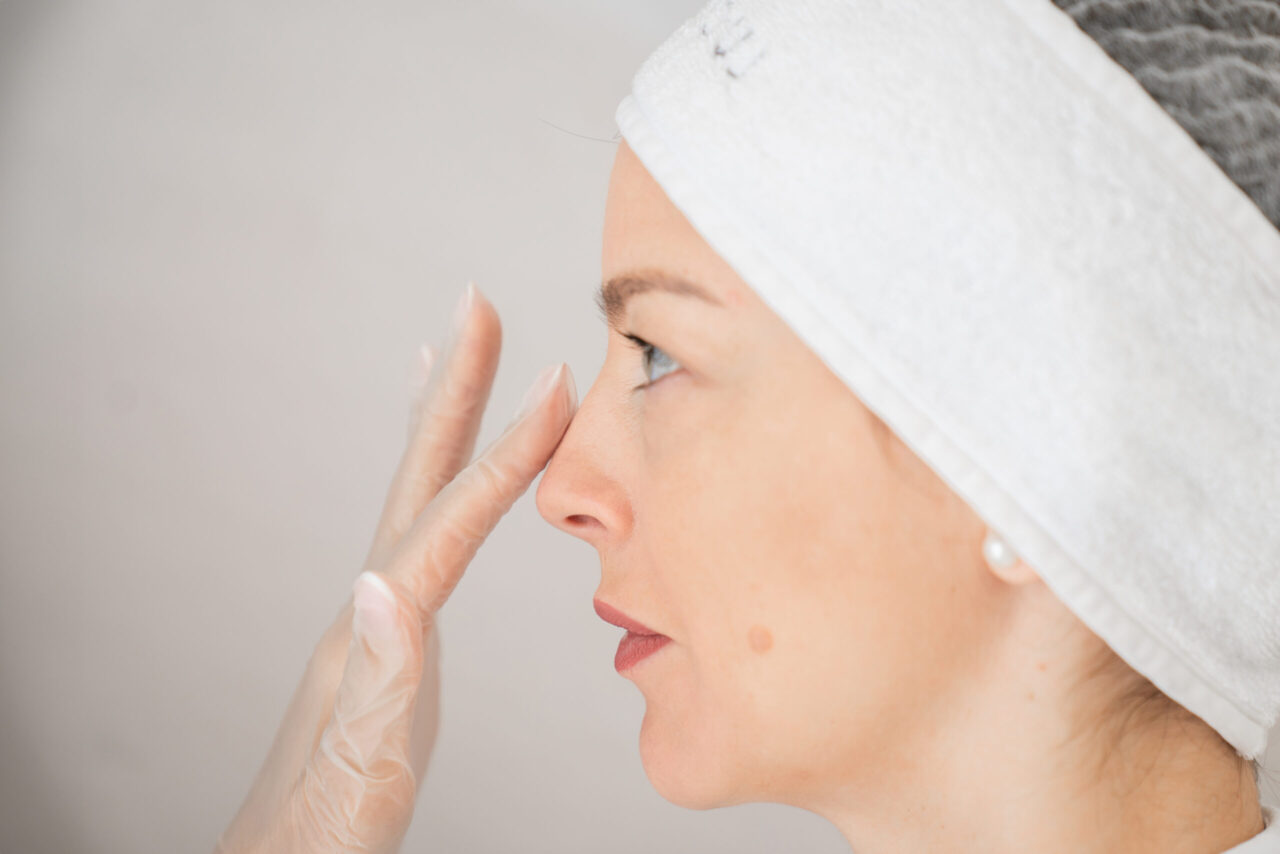
A woman after reading Rhinoplasty Recovery Guide

Rhinoplasty, commonly known as a nose job, is a procedure that enhances both the appearance and function of the nose. However, like any surgery, recovery plays a key role in achieving the best results. In this guide, we’ll walk you through the essential steps to ensure a smooth rhinoplasty recovery. From managing swelling to knowing when to resume daily activities, this by guide by Lucia Clinic in Dubai will help you navigate the process with confidence, ensuring you achieve your desired outcome with the support of Lucia Clinic’s expert care.

What is Rhinoplasty?

Rhinoplasty is a surgical procedure designed to reshape or reconstruct the nose. It serves both aesthetic and functional purposes. Aesthetically, it helps adjust the size, shape, or proportions of the nose to better suit a person’s facial features. Functionally, it can address issues like breathing difficulties caused by structural problems, such as a deviated septum. This procedure can enhance appearance, improve nasal function, or both, depending on the patient’s needs.

Importance of Understanding Nose Job Recovery

Understanding the rhinoplasty recovery process is essential for patients because it directly impacts the procedure’s success. The healing phase involves specific stages, such as reducing swelling, managing discomfort, and adhering to strict post-operative instructions. Being informed helps patients set realistic expectations and avoid complications like infection or prolonged swelling. Proper recovery practices, like sleeping on your back with two pillows, avoiding smoking or being in a room where people smoke, attending follow-up appointments, and avoiding strenuous activities, are crucial to achieving the desired results and ensuring long-term success.

A woman at a recovery consultation after rhinoplasty

If you follow all the steps from the rhinoplasty recovery guide, the post-procedure period will be easier.

Rhinoplasty Recovery Time

The general recovery period for rhinoplasty varies from patient to patient but typically follows a predictable timeline. Most initial healing, including a reduction in swelling and bruising, occurs within the first two to three weeks. Patients can often return to normal activities, such as work, after 10-14 days, though difficult activities should be avoided for several weeks and up to three months. Full recovery, where all swelling subsides, and the final shape of the nose is visible, can take up to a year for primary cases.

Recovery time after a nose job in Dubai can vary based on the type of rhinoplasty performed and the surgical techniques used. In open rhinoplasty, where an incision is made across the columella (the skin between the nostrils), recovery may take slightly longer due to the more extensive tissue manipulation. The initial swelling and bruising (bruising is typically a consequence of bone manipulation e.g. osteotomies) are usually more pronounced, and patients can expect a visible recovery in about 2-3 weeks, with full results taking up to a year. In contrast, closed rhinoplasty, which involves incisions inside the nostrils, typically leads to a quicker recovery. Closed rhinos have less swelling on the tip of the nose and nostrils, but if bones are broken, they have almost the same recovery time.

Not every patient requires reconstruction of all the nose structures, which is the key difference between individuals. A personalized treatment plan and operational approach should focus on addressing only the specific structures that need improvement for each patient.

Factors Affecting Recovery Time

Several factors can affect the nose job recovery time. Here are the main ones:

  • Surgical complexity: More invasive procedures, such as those involving significant reshaping or correcting structural issues, generally require a longer recovery than simpler cosmetic adjustments. For example, cartilage surgeries and bone adjustments often lead to more swelling and a longer healing period.
  • Patient’s age and health: Younger, healthier individuals tend to heal more quickly. Factors such as smoking, alcohol consumption, and overall fitness can slow down the recovery process. Older patients or those with preexisting health conditions may also experience longer recovery times.
  • Post-operative care: Following the surgeon’s instructions carefully, such as avoiding strenuous activities, managing swelling, and attending follow-up appointments, can greatly influence the speed and quality of recovery. Non-compliance with these instructions can lead to complications and extend the recovery period.
  • Skin type: Patients with thicker skin may experience more swelling and a longer period for the nose to fully settle into its final shape, especially at the tip of the nose.
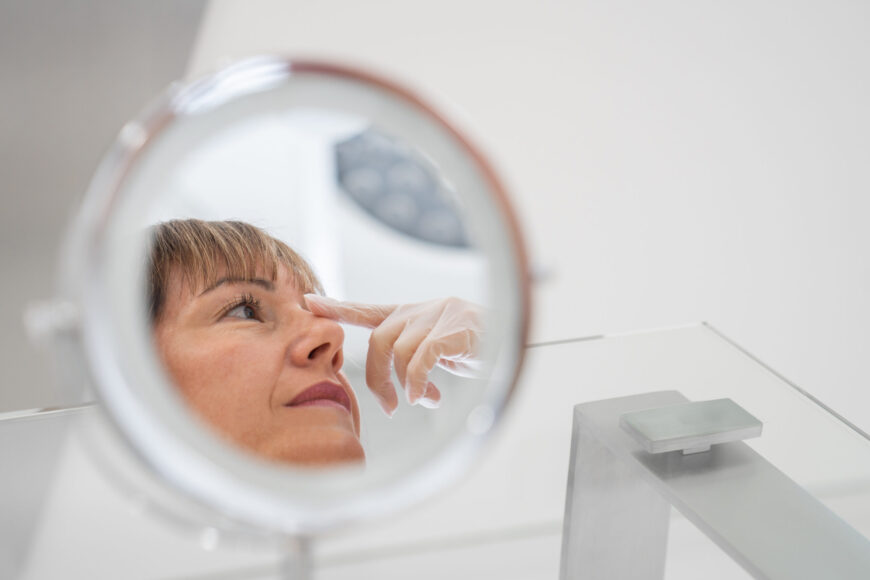
A woman looking at her nose in a mirror

Recovery time depends on the type of the procedure as well

Rhinoplasty Recovery Timeline

Here’s a breakdown of the rhinoplasty recovery timeline. Each stage has specific guidelines to help manage swelling, bruising, and promote healing. Following your surgeon’s instructions and being mindful of these phases will ensure a smoother recovery process after refining the unwanted nose shape:

  • First week post-surgery: During the first week after rhinoplasty, swelling and bruising are at their peak, particularly around the nose and eyes. It is common to experience discomfort, congestion, and mild bleeding. This phase involves keeping the head elevated, using cold compresses, and taking prescribed pain medications. Patients are typically advised to rest and avoid any difficult activities.
  • Weeks 2-4: In the second to fourth week, swelling and bruising reduce significantly. By the end of this period, many patients feel comfortable returning to work and light daily activities, though strenuous exercises should still be avoided. During this time, the nose’s shape starts to become clearer, although the tip of the nose may still show residual swelling. Milestones during this period include the removal of nasal splints and the gradual reduction of discomfort.
  • Months 1-6: Between months 1 to 6, the nose’s final shape continues to emerge as the swelling subsides. By the third month, around 90% of the swelling typically disappears, though minor swelling, particularly at the tip of the nose, can persist for up to six months. During this phase, patients can resume all normal activities, including exercise, and the surgery results become more visible. Full results are generally seen by 6 to 12 months when all residual swelling dissipates.

Nose Job Recovery Bruising

Bruising after rhinoplasty occurs due to the trauma inflicted on the blood vessels beneath the skin during surgery. When the nasal bones or cartilage are manipulated, minor blood vessels rupture, causing blood to pool under the skin. This leads to the appearance of bruising, especially around the eyes.

To manage and reduce bruising, cold compresses applied to areas adjacent to the nose can help minimize swelling and discoloration. Keeping the head elevated, particularly while sleeping, also aids in reducing blood flow to the face, which can lessen both swelling and bruising. Avoid blood-thinning medications and supplements before and after surgery.

It is important to monitor the bruising for any signs of complications. If bruising worsens significantly after the first week or is accompanied by severe swelling, redness, or fever, these could be signs of an infection or a hematoma, and you should seek medical attention immediately.

Tips for a Faster and Smoother Recovery

To ensure a faster and smoother recovery after a nose job, it’s essential to find the best plastic surgeon in Dubai and follow their instructions carefully. This includes keeping your head elevated, using prescribed medications, and avoiding strenuous activities. Ignoring these guidelines can prolong recovery or lead to complications. Adopting a healthy lifestyle also plays a key role. Proper nutrition, staying hydrated, and avoiding smoking or alcohol help support the body’s healing process and reduce inflammation. Lastly, managing your expectations is crucial. While initial swelling decreases in the first few weeks, the final results may take up to a year, so patience is important for a satisfactory outcome.

A woman looking at the mirror after the complete rhinoplasty recovery

Final results can be seen after a few months

Your Complete Rhinoplasty Healing Guide

Rhinoplasty recovery is a gradual process that requires patience and adherence to key guidelines. By following your surgeon’s instructions, maintaining a healthy lifestyle, and being realistic about recovery milestones, you can ensure a smoother healing journey. Swelling and bruising are expected, but they subside with time, allowing you to see the final results as the nose fully heals over several months. If you experience excessive swelling, infection symptoms, or anything unusual, contact your surgeon immediately to avoid complications.

Proven Methods for Treating Textured Skin – Insights From Lucia Clinic Experts

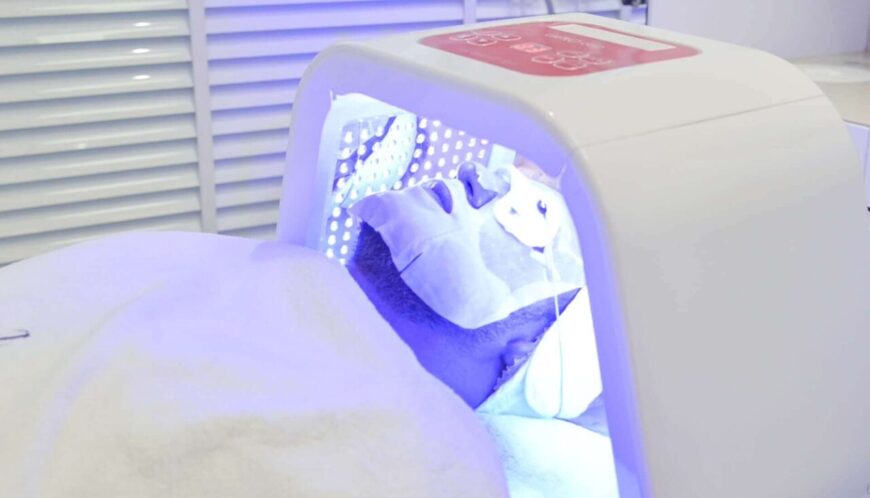
A woman looking at a mirror after a led mask therapy

Textured skin can be a frustrating concern for many, affecting both appearance and self-confidence. Conditions like acne scars, enlarged pores, and uneven texture can lead to discomfort and anxiety. At Lucia Clinic in Dubai, our experts specialize in addressing these issues, offering proven methods for treating textured skin, tailored to individual needs. With a commitment to enhancing skin health and appearance, we provide insights into effective treatments that can help you achieve smoother, more radiant skin. Discover the solutions our experienced team recommends to transform your skin and restore your confidence.

Understanding Textured Skin: What Causes It?

Textured skin can arise from various factors, leading to a rough or uneven appearance. One of the primary causes is aging, as the skin naturally loses collagen and elastin, essential proteins that maintain its firmness and elasticity. This loss results in a drier texture and a buildup of dead skin cells, which can contribute to a rough feel.

Sun damage is another significant factor. Prolonged exposure to UV rays harms the skin’s fibers, leading to a loss of elasticity and causing issues like uneven texture and age spots. Additionally, environmental pollutants can contribute to skin damage and exacerbate texture issues by causing inflammation.

Dehydration also plays a role. When skin lacks moisture, it can appear dry and flaky, resulting in an uneven texture. Lifestyle factors, such as poor nutrition, smoking, and lack of hydration, can further worsen these conditions.

Genetics and hormonal changes are other contributors. Some individuals may be predisposed to certain skin types or conditions, such as acne, which can create a bumpy texture.

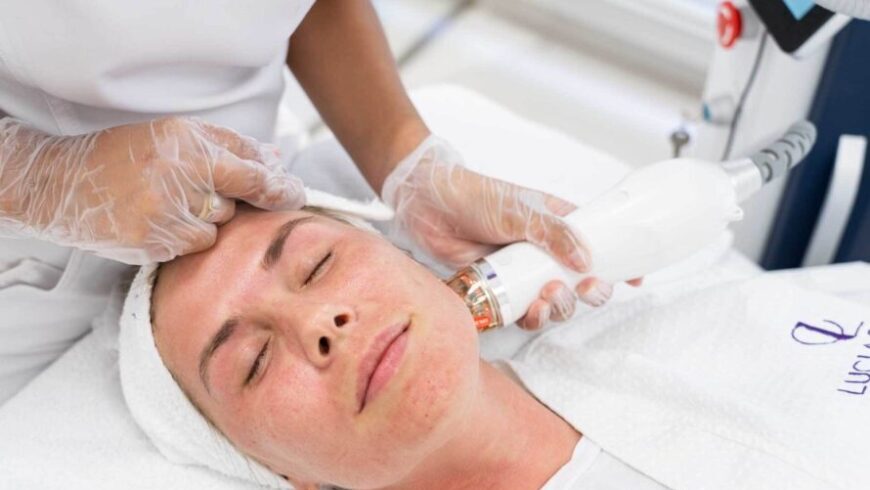
a woman at Lucia Clinic getting a treatment

There are many treatments for textured skin.

Types of Textured Skin and How They Present

Textured skin can appear in many ways, and recognizing these patterns helps you understand what your skin needs. Post-acne scarring is one of the most common concerns. These scars form after inflammation and can look very different. Rolling scars create shallow dips with soft edges. Ice-pick scars look narrow and deep, while boxcar scars form wider depressions with sharp borders. Each type affects light reflection on the skin, which makes the texture more visible.

Keratosis pilaris is another form of rough texture. It usually appears on the cheeks, arms, or thighs and shows up as tiny bumps caused by trapped keratin. While harmless, it can make the skin feel uneven and dry. Many people also deal with enlarged pores, which often develop when excess oil, dead skin, and debris stretch the pore walls. These enlarged openings can give the skin a coarse look, especially in the T-zone.

Dryness can create rough patches as well. When the skin lacks moisture, dead cells build up on the surface and cause a dull, uneven feel. This often happens during colder seasons or when the skin barrier becomes weak. Texture can also form from congestion and buildup. When sebum and impurities accumulate, the surface can look bumpy and uneven, even before breakouts appear. Understanding the type of texture you have helps guide the right treatment approach.

At-Home Skincare for Managing Texture

Daily skincare plays an important role in keeping textured skin under control, especially between professional treatments. A consistent routine helps support the skin barrier, reduce buildup, and improve overall smoothness over time. Gentle steps work best, as aggressive scrubbing or harsh products often make texture more noticeable. Adding the right ingredients can help refine the surface while keeping the skin calm and hydrated.

Here are key products and ingredients that help manage texture at home:

  • Retinol supports cell turnover. Introduce it slowly, starting with two or three nights per week to avoid irritation.
  • AHAs and BHAs help remove dead cells and clear congestion, creating a more even surface.
  • Ceramide moisturizers strengthen the barrier and prevent dryness that can make the texture worse.
  • Daily SPF protects the skin from UV damage, which often deepens texture and slows progress.
  • Gentle cleansers maintain balance better than strong foaming formulas that strip natural oils

Professional Treatments Recommended by Lucia Clinic Experts

At Lucia Clinic, experts recommend several professional treatments tailored to address textured skin effectively. Here’s a brief overview of some of the best treatments for textured skin available:

  • HydraFacial: This popular treatment combines deep cleansing, exfoliation, and hydration in one session. It uses a patented Vortex-Fusion delivery system to infuse serums that nourish and hydrate the skin, improving texture and overall appearance.
  • Secret RF Microneedling: This innovative treatment combines traditional microneedling with radiofrequency energy. The microneedles penetrate the skin to stimulate collagen production, while the radiofrequency heat enhances this effect by promoting deeper skin tightening.
  • Chemical Peel Dubai: By applying a chemical solution, this treatment exfoliates dead skin cells and promotes new cell growth. It is effective for addressing issues such as acne scars, hyperpigmentation, and fine lines, resulting in smoother skin​.
  • Laser Resurfacing: This technique uses laser technology to treat various skin concerns, including uneven texture. It stimulates collagen production and improves skin tone and texture by removing damaged outer layers.
  • Microdermabrasion Facial Dubai: Microdermabrasion is a more intensive exfoliation technique that uses a rotating device to remove the outer layers of skin. This process helps to smooth the skin’s texture, diminish scars, and reduce uneven pigmentation. It can effectively treat various skin concerns, including rough skin, acne scars, and signs of aging.
  • Clear and Brilliant Laser Dubai: A gentler laser option for mild to moderate texture. Clear + Brilliant boosts radiance, refines pores, and smooths early roughness. It’s suitable for younger clients or those seeking gradual improvement with minimal downtime.
  • LED Light Mask: Red LED light supports collagen production and calms inflammation. While subtle on its own, it works well alongside other treatments to enhance healing and reduce redness, especially after peels or microneedling.

Which facial is good for textured skin?

For textured skin, a HydraFacial is highly recommended due to its comprehensive approach to skin health. This treatment involves multiple steps, including cleansing, exfoliation, extraction, and hydration, all in one session. It utilizes a patented system that delivers hydrating serums deep into the skin, effectively addressing uneven texture and promoting a smoother appearance. The best HydraFacial Dubai experts offer is gentle and suitable for all skin types, making it an ideal option for those looking to improve their skin’s texture without significant downtime.

How Long Does It Take to See Results?

Improving textured skin takes time, and each treatment follows its own pace. HydraFacial sessions can create a fresher look almost immediately because they clear buildup and boost hydration. However, several sessions are usually needed to maintain that smoother feel.

Chemical peels may show early improvements within a week as the old skin sheds, but deeper concerns often require multiple treatments spaced a few weeks apart. Microneedling and radiofrequency treatments follow a slower timeline because they work by stimulating collagen. Most people notice changes after four to six weeks, with full results developing over three months.

Age and severity affect this process. Younger skin often responds more quickly because it produces collagen at a faster rate. More mature skin needs additional time and support to rebuild firmness and smoothness. Deep scars or long-standing texture issues also require a longer treatment plan, as the skin needs repeated stimulation to remodel effectively.

Led mask therapy

LED mask therapy helps textured skin.

Collagen remodeling depends on consistency. Each session triggers a controlled healing response, and regular treatments help reinforce that progress. Follow-up appointments keep the skin improving and prevent setbacks caused by aging or daily environmental stress.

What to Expect Before, During, and After Treatments

Preparing for textured skin treatments starts with simple adjustments that protect your skin and improve results. Most clients are advised to avoid retinoids and strong exfoliants for several days before their session. Direct sun exposure should also be limited, as sensitive or irritated skin may not respond well to advanced procedures. A consultation helps determine the right timing and ensures your skin is healthy enough for treatment.

During the session, the experience varies based on the procedure. HydraFacial treatments feel gentle, with a light suction sensation that cleans the pores. Chemical peels may create a mild tingling feeling as the solution activates on the skin. Microneedling and radiofrequency treatments feel slightly warm or prickly, though numbing cream is usually applied to keep you comfortable. Laser resurfacing can feel more intense, but the treatment is controlled and performed with your comfort in mind.

Recovery depends on the method used. HydraFacial treatments require no downtime. Chemical peels may cause light flaking for a few days. Microneedling often leads to temporary redness similar to a sunburn, which settles within 24 to 48 hours. Laser treatments involve a longer recovery period, with redness and mild swelling for several days. After any procedure, the skin benefits from gentle care. Hydrating products, soothing creams, and daily SPF protect the treated area while it heals.

Combining Treatments: The Best Approach for Long-Lasting Results

Combining skin treatments can be an effective strategy for achieving long-lasting results and addressing multiple concerns simultaneously. Different treatments can target various layers of the skin, allowing for a more comprehensive approach to skincare. For instance, pairing microneedling with Platelet-Rich Plasma (PRP) therapy enhances collagen production, as the microneedling creates channels for the PRP treatment Dubai to penetrate deeply, leading to improved texture and elasticity.

Using treatments in a sequential manner can also maximize effectiveness. For example, you might start with facial treatments Dubai offers to prepare the skin and follow up with a microneedling session for deeper rejuvenation. This approach allows the skin to heal while building on the benefits of each procedure.

Consultation at Lucia Clinic: Get a Personalized Plan

At Lucia Clinic, the consultation process is designed to provide a personalized treatment plan tailored to your specific skin concerns and goals. During the initial consultation, a qualified dermatologist or skincare expert will begin by discussing your medical history, skin type, and any previous treatments you may have undergone. This comprehensive assessment helps them understand your unique needs.

Following the discussion, the specialist in our cosmetic clinic will conduct a thorough skin examination using advanced diagnostic tools. This step is crucial for identifying any specific issues, such as acne, pigmentation, or texture irregularities. Based on this evaluation, a customized treatment plan will be developed, outlining recommended procedures and expected outcomes.

This personalized approach ensures you receive the most effective treatments suited to your skin’s condition. The team at Lucia Clinic is dedicated to creating a comfortable environment where clients feel informed and confident about their skincare journey.

Can a dermatologist help with skin texture?

Yes, a dermatologist can effectively help with skin texture issues. They can assess your skin’s condition and recommend tailored treatments such as chemical peels, microneedling, laser therapy, and topical products to improve texture. Dermatologists are trained to identify the underlying causes of textured skin, such as acne scars, sun damage, or aging, and create a personalized treatment plan that may include both in-office procedures and at-home skincare routines.

Why Professional Diagnosis Matters

A professional diagnosis plays an important role in treating textured skin because many conditions can look similar on the surface but require very different solutions. Misdiagnosis often leads to the wrong products or treatments, which slows progress and may even cause new irritation.

For example, rough patches caused by dryness need barrier support, while acne-related texture requires targeted exfoliation or collagen-stimulating treatments. Without accurate identification, the skin does not respond as expected.

Clinical imaging tools also make a difference. Skin scanners reveal concerns that are not always visible to the eye, such as deeper congestion, early sun damage, or weakened areas of the barrier. These insights help experts understand the full picture and select treatments that match the skin’s real needs rather than relying on guesswork.

A customized plan reduces the risk of irritation and shortens recovery because it avoids unnecessary or overly aggressive steps.

Proven Methods for Treating Textured Skin at Lucia Clinic

Effectively treating textured skin requires a multifaceted approach that addresses the underlying causes while utilizing proven methods. Proven methods for treating textured skin include treatments such as microneedling, chemical peels, and laser therapies. Additionally, incorporating hydrating facials and tailored skincare regimens can further enhance results and maintain skin health. Consulting with a dermatologist is essential to developing a personalized treatment plan that aligns with your skin’s specific needs. With the right guidance and treatment options, achieving smoother, healthier skin is within reach.

Dubai’s Cheek Filler Specialists Answer Your Most Frequent Questions

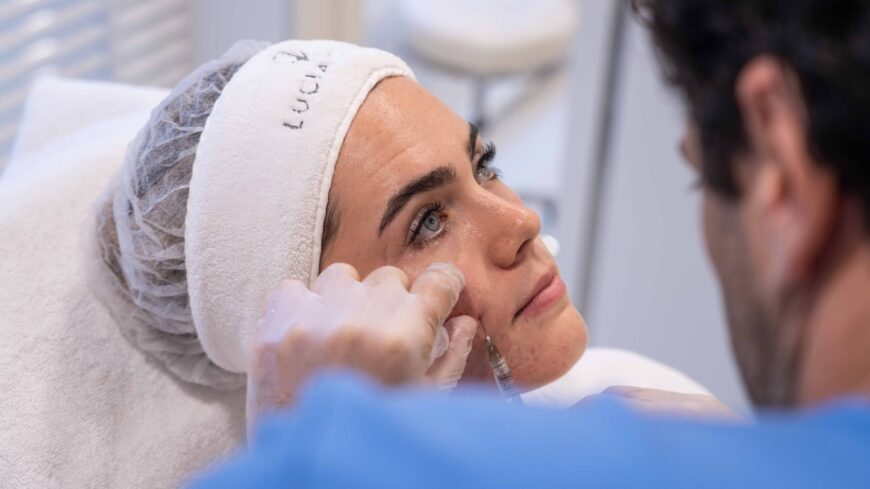
Woman getting cheek fillers after getting answers from Dubai's cheek fillers specialists

Cheek fillers have become increasingly popular in Dubai, offering a quick and effective way to enhance facial contours and achieve a youthful appearance. At Lucia Clinic in Dubai, our experts provide top-quality dermal filler treatments. Read how Dubai’s check filler specialists answer your most frequent questions, drawing on our extensive expertise and experience to give clear, helpful answers.

How Long Do Lip Fillers Last?

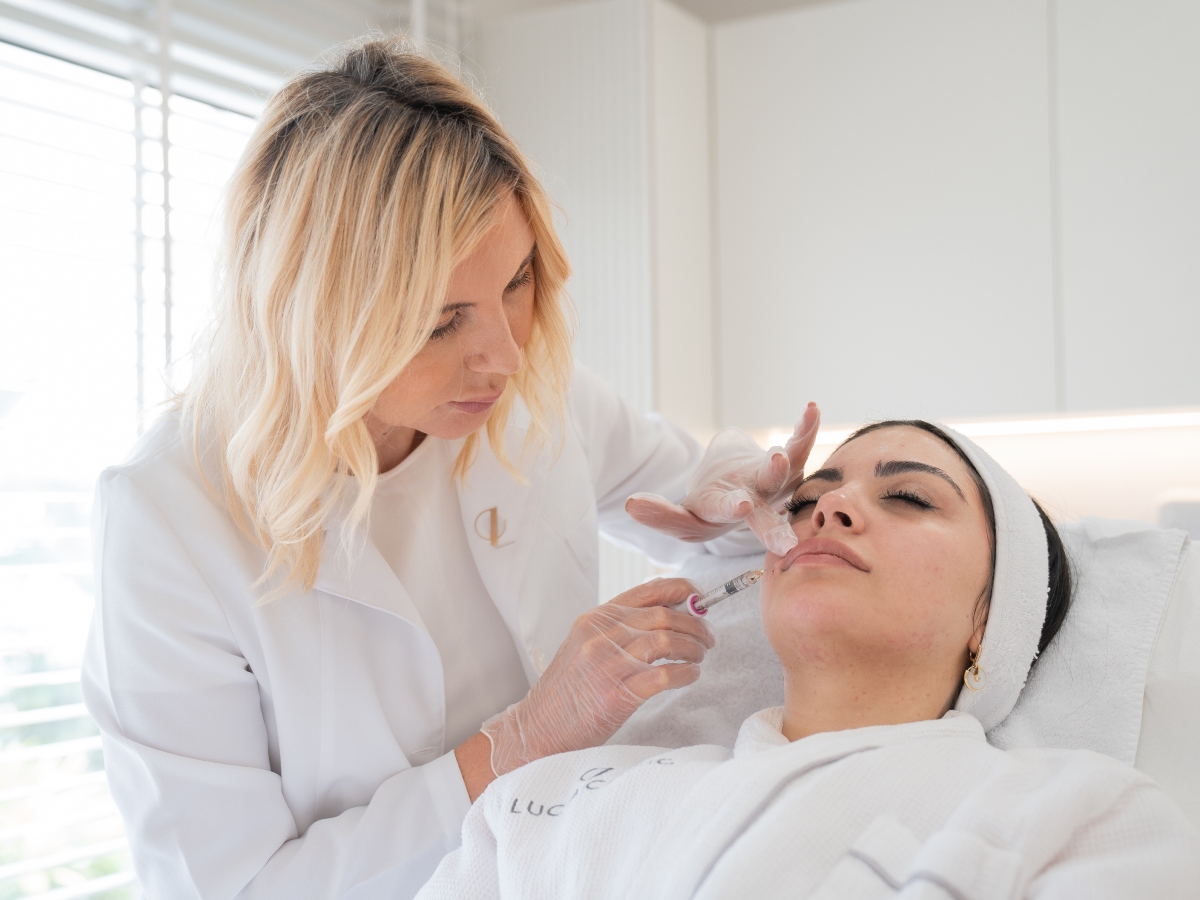
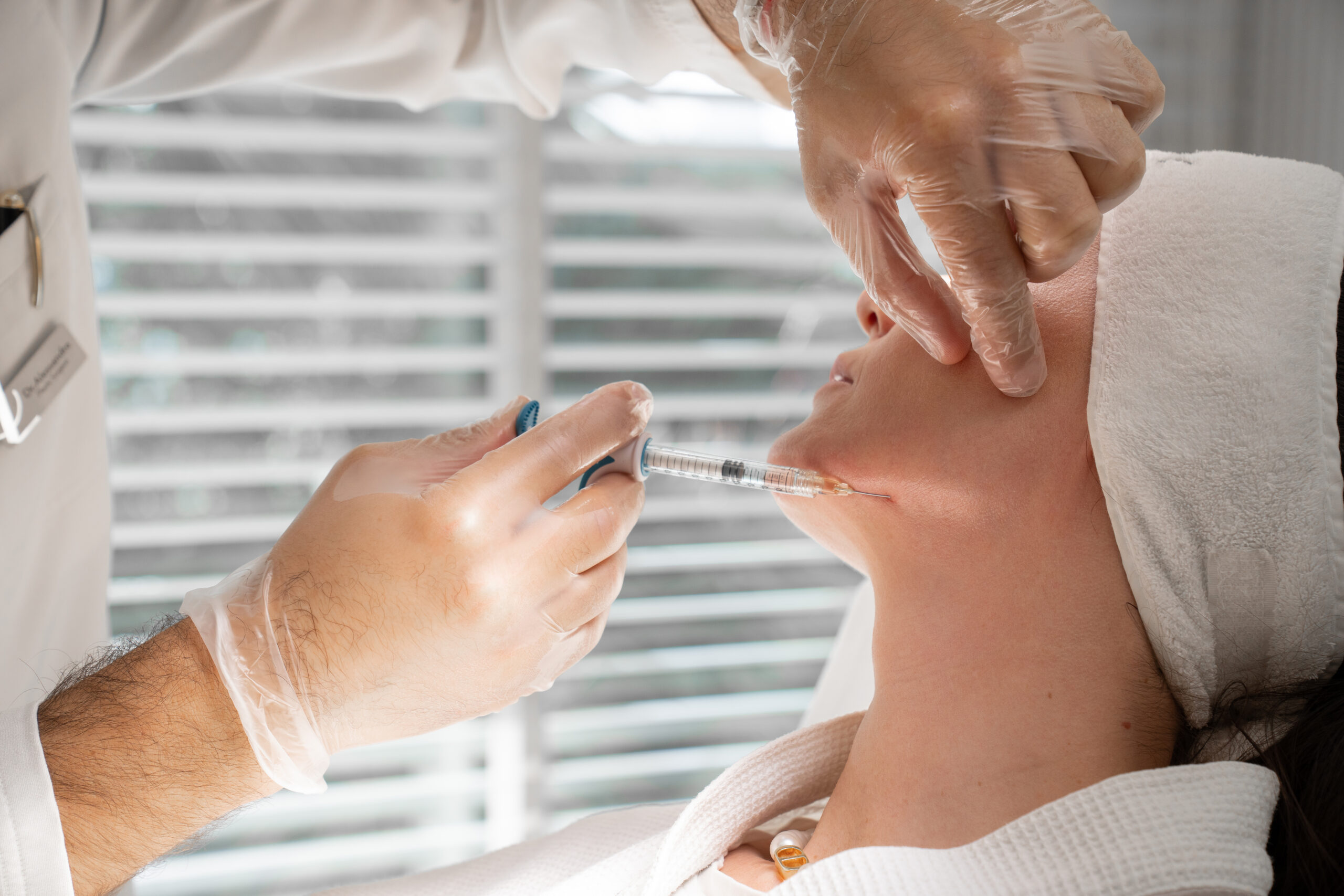
Dr Radmila putting lip fillers

Lip fillers are a popular cosmetic treatment for those looking to enhance the shape and fullness of their lips. One common question is how long do lip fillers last. Understanding the duration of lip fillers can help you decide if this treatment is right for you. Experts from Lucia Clinic, the renowned beauty clinic Dubai has, explain the factors that affect how long lip fillers last, providing the information needed to make the right choice and refine your natural beauty.

Aging and Collagen Production: All You Need to Know

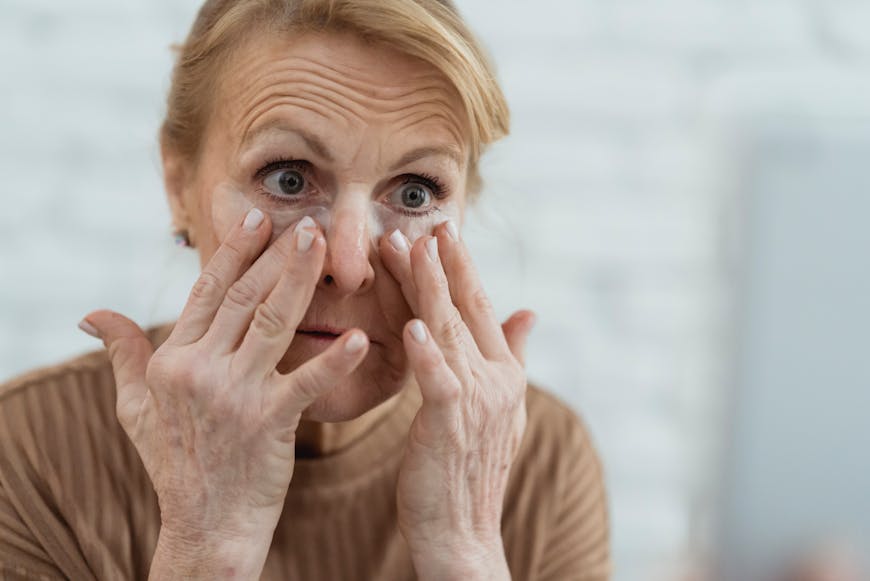
An older woman applying a cream on her face.

Collagen plays an important role in maintaining youthful, healthy skin. As the most abundant protein in our bodies, it provides structure, strength, and elasticity. However, aging can significantly reduce collagen, making visible changes in our skin’s appearance. At Lucia Clinic, we can help you understand the impact of aging and collagen production. Discovering impactful methods to enhance collagen can contribute to preserving youthful skin for an extended period. Our team of experts is committed to guiding you through proven strategies for increasing collagen, incorporating both innovative clinical procedures and practical everyday routines. By understanding these techniques, you can enjoy healthier, more resilient skin and achieve a radiant complexion that stands the test of time. Embrace a holistic approach to skincare that empowers you to take control of your skin’s vitality and longevity.

Dos and Don’ts After Lip Fillers: Tips from Lucia Clinic

Lip and cheek care

When considering getting lip fillers, knowing the right steps to take before and after the procedure is important. Learning all the dos and don’ts after lip fillers will help you take care of your new look. Some of the best aesthetic clinic Jumeirah experts can provide the best advice, from what to do right after getting your fillers to what you should avoid to ensure the best results. Keep reading to learn how to take care of your lips after getting fillers so you can enjoy your beautiful new smile!

Complications After Dermal Fillers and Their Treatment

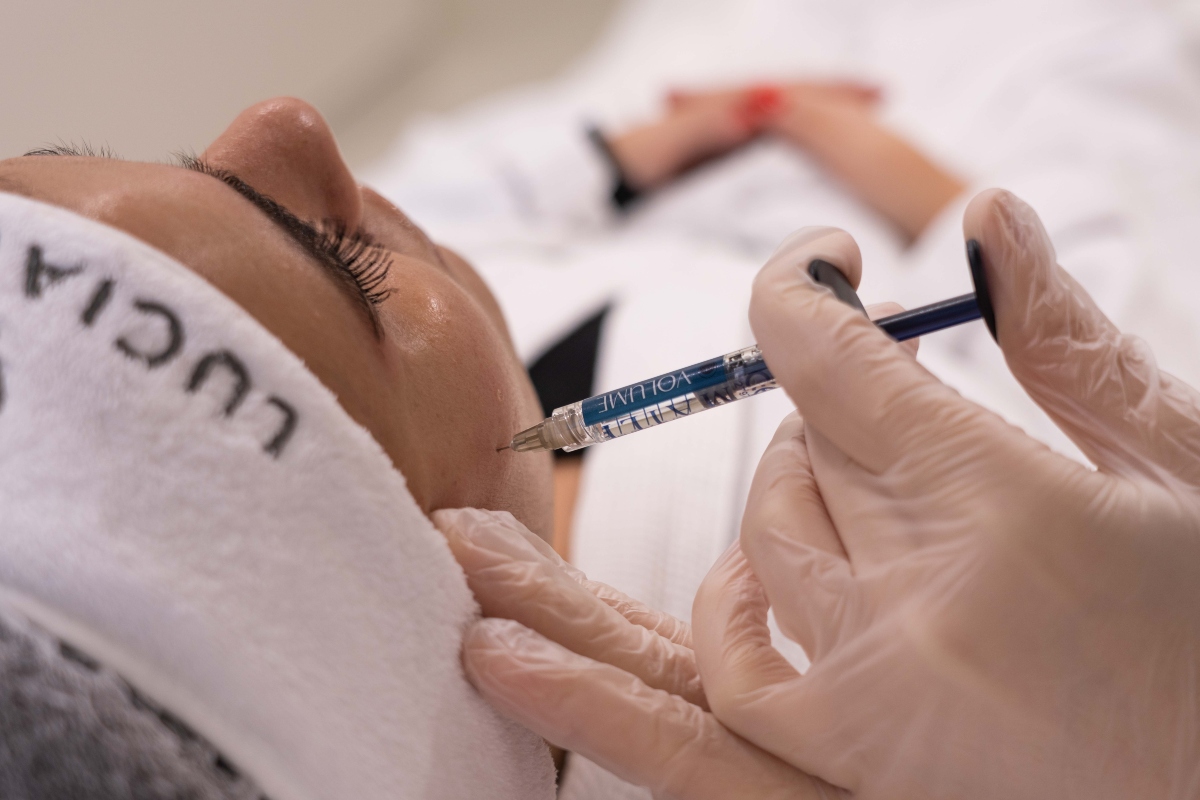
doctor applying dermal fillers

Dermal fillers have become an incredibly popular choice for those looking to enhance their facial features and reduce signs of aging without undergoing surgery. These injectable treatments add volume and smooth out wrinkles, offering a quick and minimally invasive way to achieve a youthful appearance. Dermal fillers are typically composed of substances like hyaluronic acid, which is recognized by the body as a natural dermal component and behaves as such, integrating seamlessly to enhance facial features. Despite their popularity and effectiveness, it’s crucial to be aware of potential complications after dermal fillers and their treatments. Issues such as swelling, bruising, and infection can occur, emphasizing the need for treatments to be administered by experienced professionals for dermal fillers in Dubai. Understanding these risks can help individuals make informed decisions and seek appropriate care if complications arise.

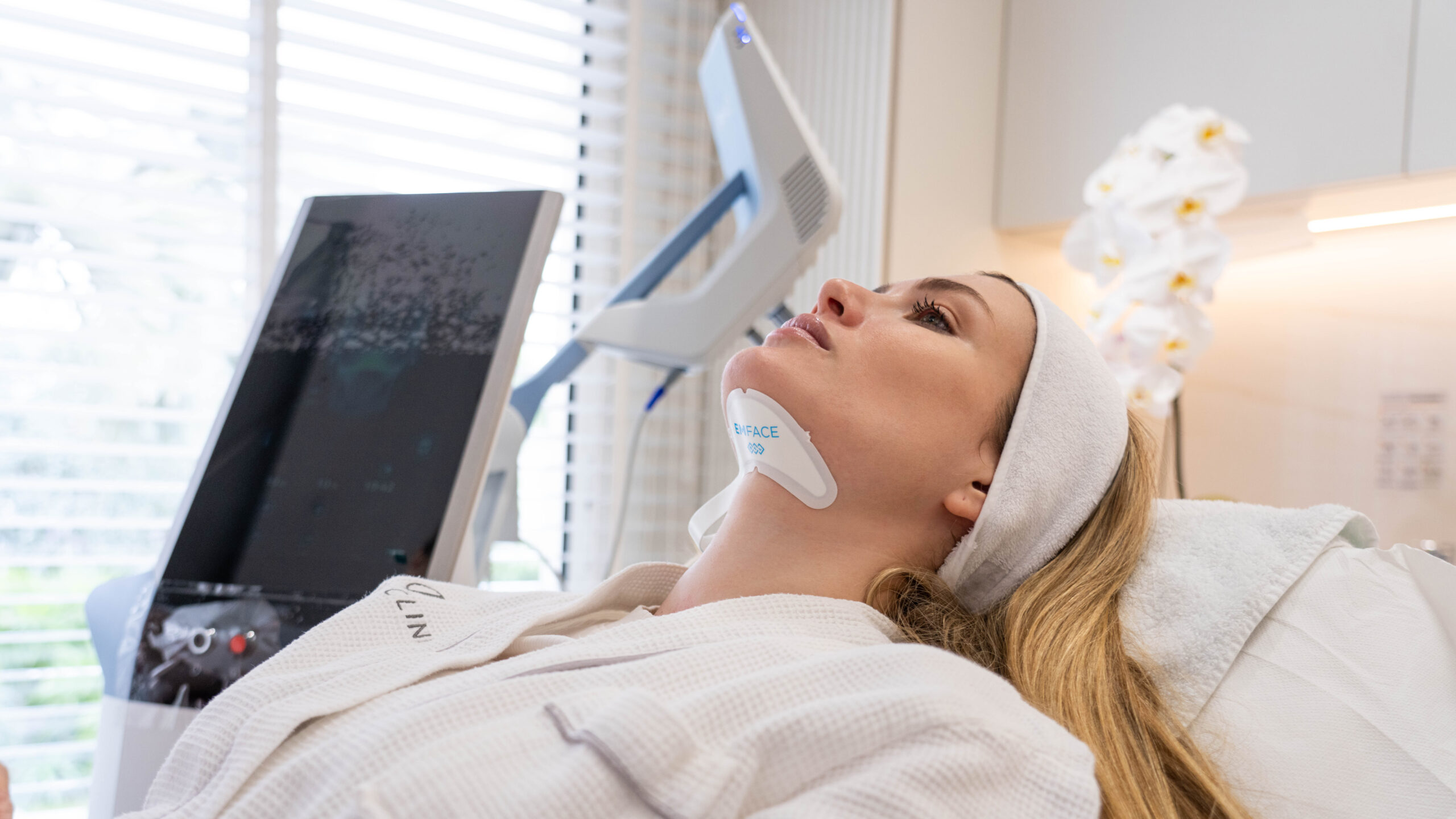
How to Lose Face Fat: Personalized Approach in Dubai by Lucia Clinic

woman trying to lose face fat

Achieving a more contoured and sculpted face is a goal many aspire to, and at Lucia Clinic, we offer the personalized treatments and expert guidance needed to make it a reality. Understanding that everyone’s needs are unique, we provide modern treatments specifically designed to tackle face fat concerns. If you’ve been wondering how to lose face fat effectively, in this post, we’ll explore the common causes of face fat, the tailored treatment options available at Lucia Clinic, and how combining professional treatments with smart lifestyle changes can enhance your journey to a more defined look.

Best Treatment for Dark Circles Under Eyes

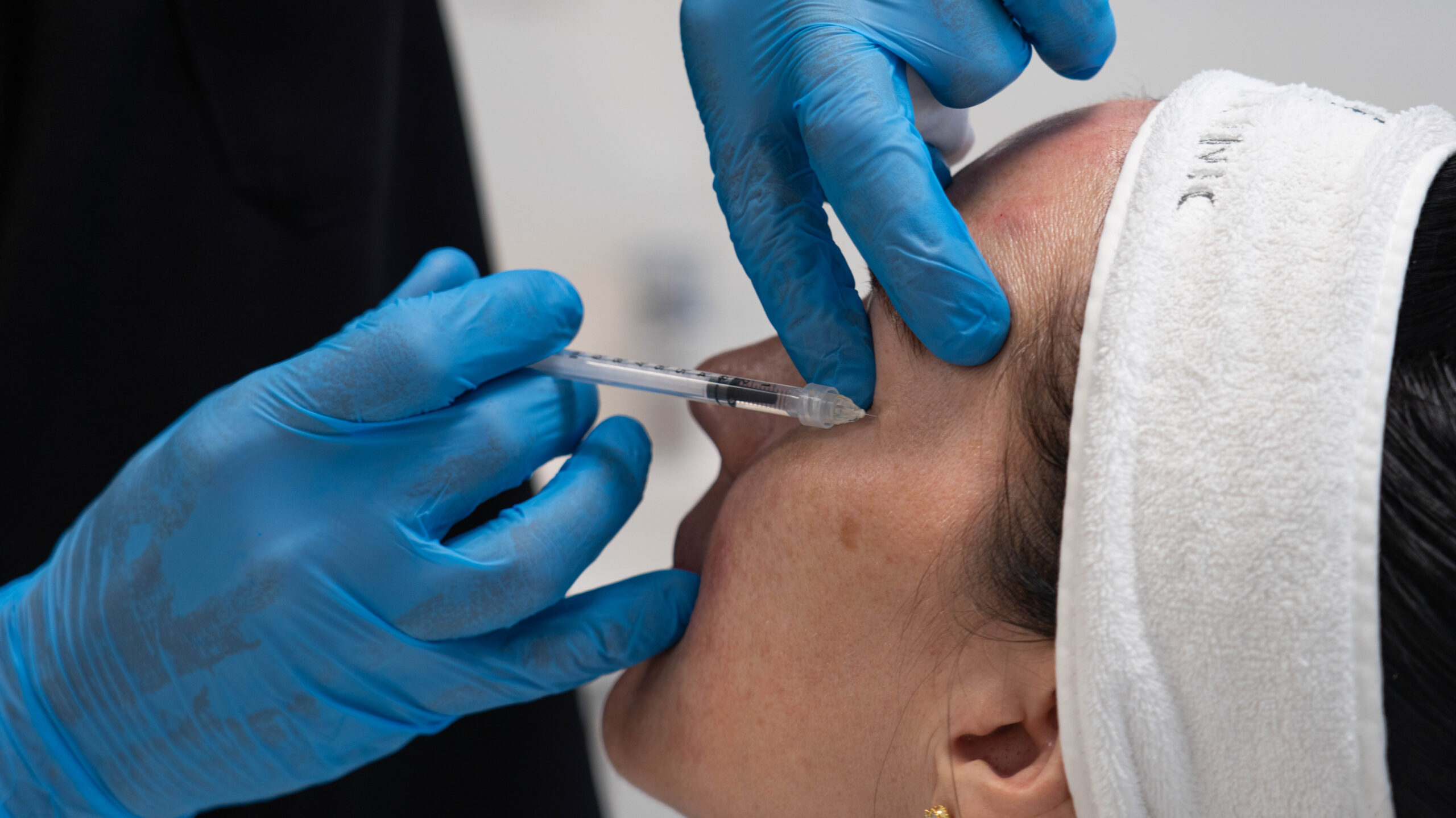
A person getting hyaluronic filler as one of the best treatments for dark circles under eyes

Dark circles under the eyes are a common cosmetic concern experienced by millions of people around the world. They can make you look not only older and tired but also unhealthy. This often leads to self-consciousness and lack of confidence. The skin under the eyes is very thin, so it is prone to changes in color and texture. Several factors contribute to the appearance of dark circles, including pigmentation, vascular issues, and structural changes. Once we understand all of this, we can learn how to address this issue through a specific treatment for dark circles under eyes. As an industry professional, Lucia Clinic, a beauty clinic in Dubai, provides advanced technologies and personalized care for the best possible results.