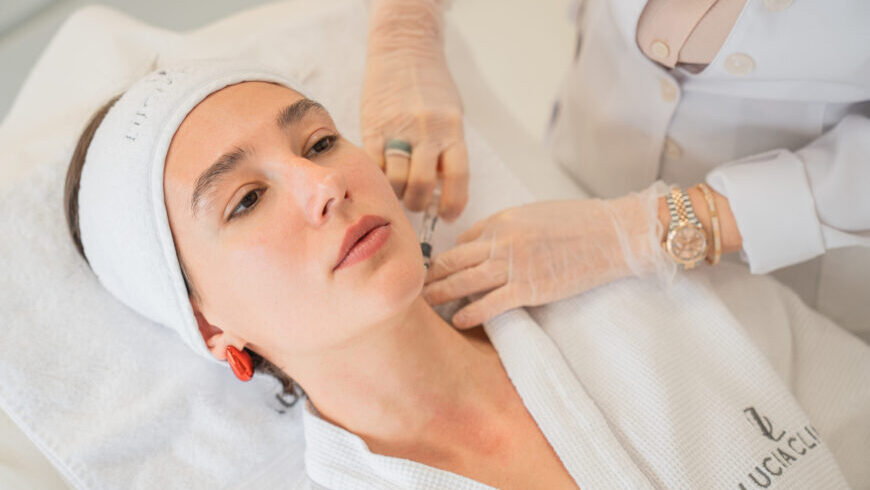
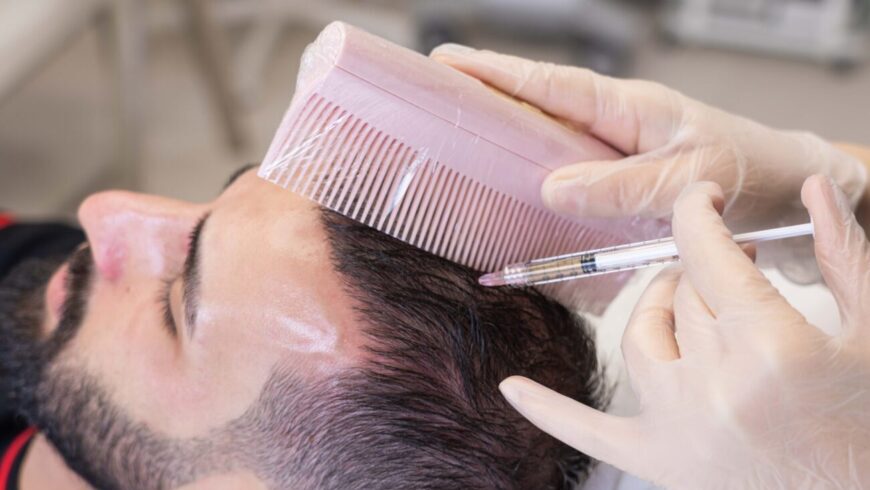
A silent skincare revolution is being witnessed in the world, which extends well beyond creams, serums, and facials. Cellular beauty for anti-aging treatments is transforming our concept of youth preservation by reaching down to the source of the issue, the regenerative cells of the skin. Innovative treatments at Lucia Clinic Dubai provide a new way of achieving smooth, firm, and glowing skin. These therapies do not simply conceal the signs of aging, but rather stimulate the body’s process of repairing and renewing itself. With the increasing popularity of regenerative aesthetics, more people are learning that this is the future of effective, natural-looking rejuvenation.
What Is Cellular Beauty?
Cellular beauty for anti-aging is a sophisticatedapproach to skincare that focuses on repairing and revitalizing the skin from within. These treatments do not concentrate on the surface only. They work at the cellular level, where true regeneration begins.
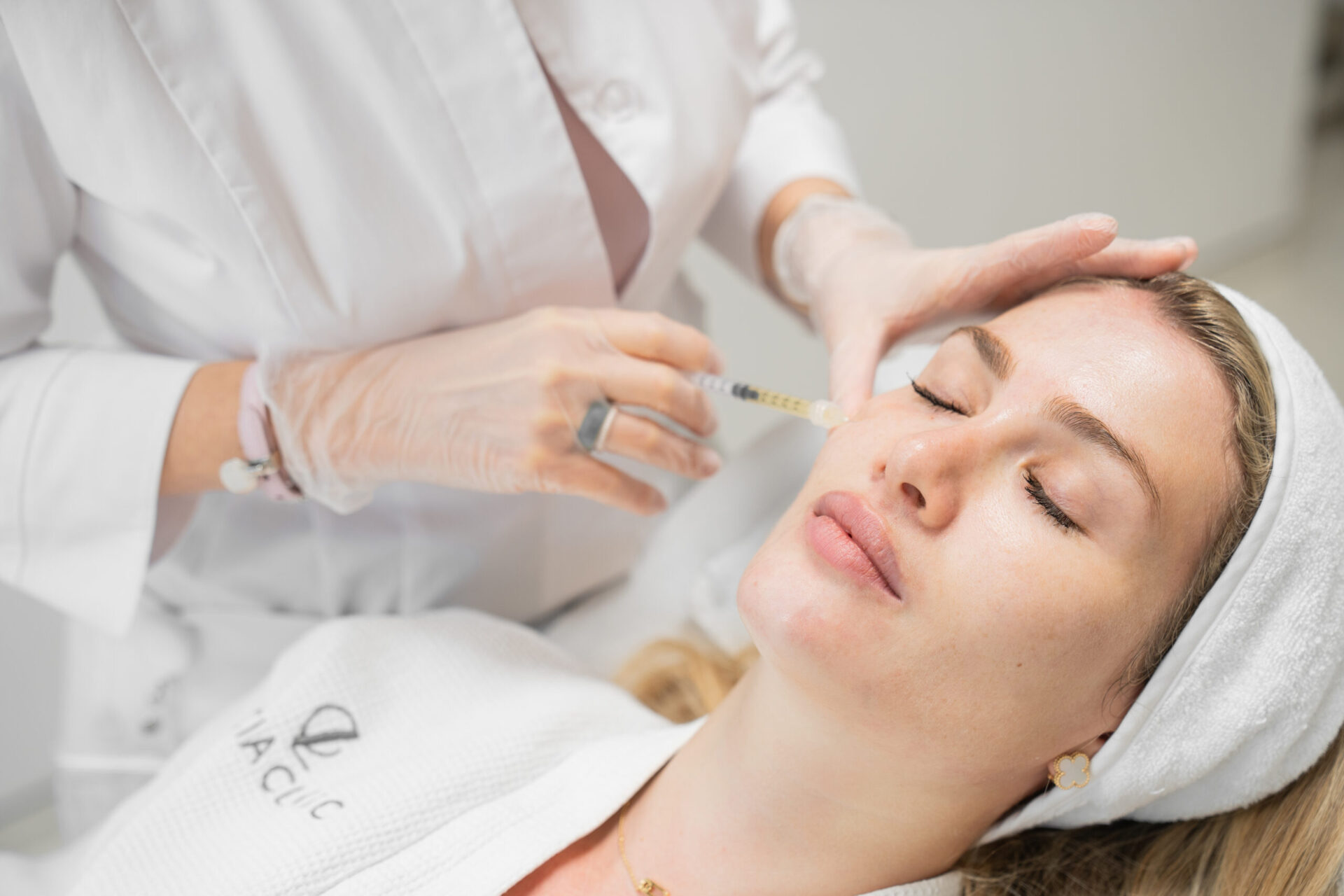
This strategy is based on cell-based skin renewal. Cellular beauty enhances communication between skin cells through biological messengers such as exosomes and biosomes, helping them function more efficiently and youthfully. Therapies such as exosomes treatment Dubai harness these powerful regenerative messengers to boost skin repair and improve overall vitality.
Key cellular beauty treatments include:
Exosomes treatment: Derived from stem cells, exosomes are microscopic vesicles loaded with growth factors and peptides that stimulate repair, boost collagen, and calm inflammation.
Biosome Brightening: This advanced therapy enhances cell metabolism and radiance by improving nutrient delivery and reducing pigmentation irregularities.
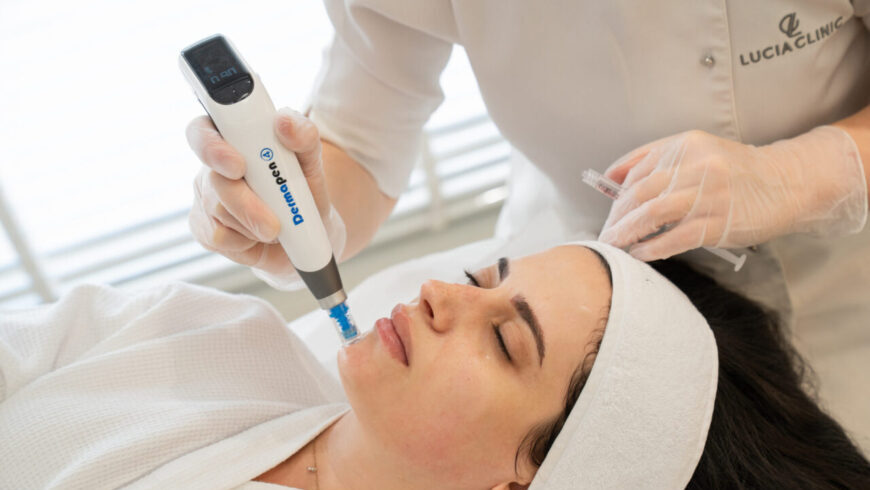
MetaCelltreatment: A specialized protocol designed to enhance cellular renewal, hydration, and elasticity while promoting balanced skin tone.
Unlike traditional skincare, which focuses on hydration or exfoliation at the surface, cellular beauty for anti-aging works as a messenger system, restoringthe skin’s vitality and structure from within.
Why Cellular Beauty Works for Anti-Aging
Aging naturally slows down the skin’s renewal process. Regeneration is promoted by cellular beauty for anti-aging treatments, which deliver bioactivemolecules that activate fibroblasts — the cells responsible for producing collagen and elastin. The result is skin that looks plumper, smoother, and firmer.
The pillars of the skin are collagen and elastin. Exosomes and biosomes deliver growth factors that encourage the production of new collagen and strengthen the dermal layers. With time, fine lines soften, and overall skin resilience improves.
By mimicking the body’s own regenerativesignals, cellular beauty for anti-aging helps repair micro-damage caused by sun exposure, pollution, and aging. This results in faster recovery, better texture, and long-term improvement in overall skin quality.
Targeted Anti-Aging Benefits:
Reduction in fine lines and wrinkles
Enhanced smoothness and firmness
Balanced tone and refined pores
Increased hydration and a youthful glow
Backed by Science
Cellular beauty draws on breakthroughs in regenerativemedicine, which explores how cells and tissues can be repaired or renewed. Clinical research shows that exosome and biosome-based therapies can significantlyimprove signs of aging, support wound healing, and enhance overall vitality. Many dermatology practices, including Dubai’s top aesthetic clinics, now include cellular beauty for anti-aging as a core part of advanced skin rejuvenation.
Who Benefits Most From Cellular Beauty Treatments
Cellular beauty for anti-aging delivers noticeable results across different age groups and skin types. It’s especially effective for:
Men and women in their 30s–50s
People with skin damage
Patients seeking natural results
Individuals focused on long-term skin health
Men and women in their 30s–50s often look for both prevention and correction. Early fine lines, sun exposure, and mild skin laxity respond especially well to exosomes treatment and Meta Cell treatment Dubai. Stimulating collagen production and improving cellular turnover early helps slow visible signs of aging before they become more advanced.
People with skin damage such as pigmentation, acne scars, or uneven tone benefit from Biosome Brightening, which restores balance and radiance without harsh resurfacing or irritation.
Patients seeking natural results appreciate that cellular beauty for anti-aging enhances appearance gradually. These treatments promote subtle, natural changes that develop over several weeks, improving tone and texture while keeping the skin’s authentic glow.
Individuals focused on long-term skin health value the lasting effects of continuous cell regeneration. Cellular beauty for anti-aging supports preventive care, preserves elasticity, and maintains firmness and luminosity well into the future.
How Cellular Beauty Compares to Other Anti-Aging Options
Compared to traditional facials or topical creams, cellular beauty for anti-aging delivers deeper rejuvenation and measurable improvements in tone and structure. It also differs from injectables by using biological communication rather than fillers or neurotoxins, leading to more natural and harmonious results.
Advantages include:
Non-invasive or minimally invasive
Little to no downtime
Compatible with other treatments such as microneedling or light therapy
Builds natural results progressively
While creams nourish the surface and injectables add volume, cellular beauty for anti-aging enhances the skin’s foundational health, making all other skincare efforts more effective.
Get the right cellular treatment for anti-aging.
Considerations Before Starting
Before beginning a cellular beauty program, it’s important to schedule a professional consultation with an experienced clinic such as Lucia Clinic Dubai. A skincare expert can evaluate your skin condition, determine the most suitable treatment combination, and create a personalized plan.
Frequency and Duration:
Most protocols include 3–6 sessions, spaced several weeks apart.
Maintenancetreatments are recommended every few months to sustain results.
Safety and Expectations
Exosomes and biosome treatments are generally well-tolerated, with minimalrisk of irritation or downtime. Patients typically experience mild redness for a short time, followed by a noticeableglow and smoothertexture in the days that follow.
Because these therapies rely on the body’s natural regenerative capacity, results develop gradually — peaking several weeks after treatment and improving with continued sessions.
The Future of Anti-Aging Lies in Cellular Beauty
Cellular beauty for anti-aging marks a new era in skincare — one that harnesses the body’s innate ability to healandrejuvenate. By focusing on regeneration at the cellular level, these treatments are redefining what it means to age gracefully. Whether your goal is prevention, repair, or long-term skin health, these science-backed therapies offer a natural and sustainable way to restore youthful vitality. If you’re seeking visible improvements without drastic measures, exploring the world of cellular beauty for anti-aging at Lucia Clinic Dubai could be your next step toward truly radiant skin.
Many people hesitate before considering a facelift because they fear results that look tight, exaggerated, or clearly surgical. Patients usually want to look refreshed, not completely different. That concern has shaped modern aesthetic surgery in an important way. Surgeons now focus on subtle rejuvenation rather than dramatic change. This shift also explains why discussions about why some facelift results look more natural than others have become more common among patients researching facial procedures. A successful facelift restores facial balance across the cheeks, jawline, and neck instead of forcing the face into an unnatural shape. The goal is improvement that still feels authentic to the patient. Clinics that prioritize careful planning, such as Lucia Clinic Dubai, focus on this balanced approach to help patients achieve refined and believable outcomes!
Understanding Natural-Looking Facial Rejuvenation
Natural-looking facial rejuvenation focuses on improvement that feels believable and balanced. A well-executed face lift surgery Dubai doctors do should help a person look rested and healthier without drawing attention to the surgery itself. Friends may notice that the face appears brighter or more defined, yet they cannot identify a specific procedure. This type of result reflects careful planning and controlled correction rather than aggressive lifting. Surgeons aim to soften sagging along the jawline, refine the cheeks, and support the neck while preserving the patient’s recognizable features.
Maintaining facial identity plays an important role in natural outcomes. The face should still move comfortably when a person smiles, speaks, or reacts. Expressions must remain familiar because they shape how others recognize the individual. Skilled surgeons focus on subtle improvements that align with the patient’s existing structure instead of forcing dramatic change. Small adjustments often produce the most convincing rejuvenation. When improvements blend with the patient’s natural contours and expressions, the face appears refreshed rather than surgically altered.
Why Some Facelift Results Look Artificial?
Artificial facelift outcomes usually result from choices that ignore how the face actually ages. One common problem involves excessive skin tightening. When surgeons pull the skin too strongly, the face can appear stretched and unnatural. The cheeks may look flat, while the mouth area may appear tense. This approach removes natural softness and often creates a stiff expression.
Surgical technique also plays a major role. Poor incision placement, uneven lifting, or weak planning can distort facial balance. Even small technical errors can affect symmetry and natural movement.
Another major issue appears when surgery focuses only on the surface. Aging affects deeper facial layers, including fat pads and connective structures that support facial shape. If a procedure ignores these deeper layers, tightening the skin alone cannot restore natural contours. The result may look pulled rather than refreshed. These differences explain why some facelift results look more natural than others. Surgeons who correct bigger structural changes usually create results that appear smoother, balanced, and more believable.
At Lucia Clinic, we focus on natural results.
The Role of Modern Surgical Techniques
Modern facelift surgery, which is one of the most popular facial surgery procedures in Dubai, focuses on deeper facial support instead of relying only on skin tightening. Aging affects the layers beneath the skin, including fat pads and connective tissue that shape the cheeks and jawline. When these deeper structures descend over time, the face can lose definition and balance.
Modern surgical methods address this issue by lifting and repositioning the deeper facial layers rather than simply pulling the skin upward. This approach helps restore natural facial contours while avoiding the tight or stretched appearance associated with older techniques. When surgeons adjust underlying structures, the skin can settle smoothly over the repositioned foundation.
As a result, the cheeks regain soft volume, the jawline appears more defined, and the lower face looks naturally supported. This method also allows the face to move more comfortably during everyday expressions. Because the correction occurs beneath the surface, the improvement often appears subtle yet effective. The face looks refreshed and balanced rather than dramatically altered.
Preserving Natural Facial Movement
Natural facelift results depend on more than improved contour. They also depend on how the face moves after surgery. A refreshed face should still smile, react, and speak in a way that feels familiar. That is why preserving facial movement remains such an important part of modern facelift planning. Surgeons must avoid excessive tension because tight skin can limit expression and create a stiff appearance. Instead, they focus on supporting the deeper tissues while allowing the surface to rest smoothly and naturally. This approach helps the cheeks, mouth, and jawline move in harmony during daily expressions. It also reduces the risk of a pulled or frozen look that often makes surgery obvious. Patients at Lucia Clinic often ask why some facelift results look more natural than others, and facial movement is a major reason. When the face keeps its normal dynamics, the result looks softer, more relaxed, and far more believable.
Facial Harmony and Proportion
Facial harmony and proportion shape how natural a facelift looks after healing. Even technically strong surgery can seem off if one area improves while the rest of the face does not match.
Treating the Face as a Whole
A natural facelift requires attention to the entire face rather than focusing on a single area. The cheeks, jawline, and neck work together to shape overall facial balance. When aging affects these areas, changes rarely occur in isolation. Sagging in the cheeks can soften the jawline, while neck laxity can reduce definition along the lower face. If surgery corrects only one region, the result may look uneven or incomplete. Skilled surgeons at Lucia Clinic study how these areas interact before planning treatment. They aim to restore harmony across the lower face instead of isolating one feature. This approach allows improvements to appear balanced and consistent. When the cheeks, jawline, and neck improve together, the face often looks refreshed and naturally proportioned.
Customizing Surgery to Individual Features
Every face ages in a different way, so facelift surgery must reflect the patient’s unique features. Age, skin quality, and bone structure all influence how the face changes over time. Some patients develop sagging in the jawline first, while others notice volume loss in the cheeks or looseness in the neck. Because of these differences, surgeons must evaluate the entire facial structure before recommending treatment. Personalized planning helps determine the right level of lifting and support for each area. Skin thickness, elasticity, and underlying bone shape also affect how tissues respond during surgery. When surgeons adapt the procedure to these factors, the final result tends to look more balanced and believable.
The Importance of Surgeon Experience
Surgeon experience often explains why some facelift results look more natural than others. A skilled surgeon understands how to improve facial definition with control, restraint, and respect for each patient’s natural structure.
Technical Precision
Technical precision plays a major role in achieving natural facelift results. Surgeons must reposition facial tissues with accuracy so the face maintains balanced contours. Each adjustment should support the cheeks, jawline, and neck without creating tension or distortion. Incision placement also requires careful planning. Well-positioned incisions allow scars to remain discreet while giving the surgeon proper access to deeper structures. In addition, strong knowledge of facial anatomy helps guide every step of the procedure. Surgeons who understand how muscles, fat layers, and connective tissue interact can restore support while protecting natural facial movement.
Artistic Judgment
Artistic judgment helps determine how much correction a face truly needs. A skilled surgeon studies facial balance before making adjustments. The goal involves improving contours without pushing the changes too far. Subtle lifting can refine the jawline and cheeks while preserving familiar facial character. Overcorrection, on the other hand, can create tension and make the result appear obvious. Surgeons with strong visual judgment know when small improvements create the best effect. They focus on harmony rather than dramatic alteration.
Complementary Treatments That Improve Results
Complementary treatments can support facelift results and improve overall facial quality. In many cases, combining surgical and non-surgical care helps create a more balanced and refined outcome.
Combining Facelift With Other Procedures
In many cases, surgeons combine a facelift with other procedures to improve overall facial balance. Aging often affects several areas at the same time, including the eyelids, jawline, and neck. If surgery corrects only one region, the result may appear incomplete. For example, eyelid surgery can help reduce heaviness around the eyes, while a neck lift in Dubai can improve definition beneath the jaw. These procedures support the facelift by addressing nearby areas that influence facial harmony.
Non-surgical facial treatments Dubai specialist recommend may also improve skin quality. Treatments that support skin texture, tone, and firmness can help the skin match the structural improvement created during surgery. When surgeons combine these approaches carefully, the final result often appears more balanced and natural.
Maintaining Results With Skin Care and Treatments
Long-term skin care helps preserve facelift results and supports a fresher appearance over time. Healthy skin keeps the face looking smoother, firmer, and more even after surgery. Daily sun protection, proper hydration, and medical-grade skin care products can help slow visible aging.
In addition, several professional treatments can support skin quality. Laser skin resurfacing can improve texture and fine lines, while chemical peels can brighten tone and refresh the surface. Microneedling Dubai doctors perform and radiofrequency skin tightening may also help support collagen production and firmness.
Facelift can be combined with other procedures.
Some patients also benefit from light neuromodulator treatments, such as botox Dubai doctors do to soften expression lines without changing facial movement. Regular follow-up visits help specialists adjust care as the skin changes. This kind of maintenance helps facelift results stay refined, balanced, and natural-looking for longer.
Patient Factors That Influence Results
Skin quality and elasticity strongly influence how a facelift result develops after surgery. Skin with good elasticity can adapt more smoothly to the repositioned facial structures. It settles evenly and supports refined contours along the cheeks, jawline, and neck. However, thinner or sun-damaged skin may respond differently. Reduced elasticity can limit how tightly the skin adjusts after lifting, which may affect the final appearance. Surgeons often evaluate skin thickness, hydration, and overall condition during consultation to plan the most suitable approach.
Realistic expectations also play an important role in patient satisfaction. A facelift can improve sagging, restore facial definition, and reduce deeper folds. However, it cannot completely stop aging or change every aspect of skin texture. Understanding these limits helps patients approach surgery with clear goals and appreciate the improvements achieved through careful surgical planning.
Proper Recovery and Aftercare
Recovery plays a major role in how facelift results develop. Patients must follow post-surgical guidance carefully to support proper healing. Surgeons usually provide instructions about rest, head elevation, medication, and activity limits during the first weeks after surgery. These steps help reduce swelling and protect the repositioned tissues. Unlike fillers Dubai patients may choose for quick volume correction with minimal downtime, facelift recovery requires more patience and closer aftercare. However, that extra healing period allows the deeper tissues to settle properly and support a more lasting result. When patients respect recovery guidelines, the face can heal in a smoother and more balanced way.
Patients should also attend follow-up appointments so the surgeon can monitor healing and address concerns early. Swelling and mild bruising are normal and take time to resolve. In many cases, the face continues to settle for several weeks as tissues adjust. Patience during this period is important because the final result becomes clearer once the swelling fully subsides.
Lucia Clinic’s Approach to Natural Facelift Results
Facelift is one of the most effective anti aging treatments at Lucia Clinic. Here, facelift planning begins with a detailed consultation and facial assessment. Surgeons study facial structure, skin quality, and the way different areas of the face interact. This evaluation helps them understand how aging has affected the cheeks, jawline, and neck. Instead of applying a standard surgical plan, the team develops a personalized approach for each patient.
The goal focuses on balanced and refined outcomes rather than dramatic alteration. Careful repositioning of facial structures allows the face to appear refreshed while maintaining natural expressions and identity. Surgeons also consider long-term facial harmony when planning treatment. They evaluate how improvements in one area will influence the overall appearance of the face over time. This thoughtful strategy helps ensure that results remain natural and consistent as the face continues to age. Through individualized planning and careful surgical technique, Lucia Clinic Dubai aims to create rejuvenation that feels subtle, elegant, and authentic.
Thoughtful Planning Makes All the Difference!
Natural facelift results do not happen by chance. They come from careful planning, surgical skill, and a treatment plan tailored to the patient’s facial structure. A successful procedure focuses on subtle rejuvenation rather than dramatic change. The goal is to restore balance across the cheeks, jawline, and neck while preserving the patient’s natural expressions and identity. These factors explain why some facelift results look more natural than others. Experience, technique, and thoughtful decision-making all influence the final outcome. Patients who choose an experienced surgeon and follow a personalized treatment plan often achieve results that look refreshed, balanced, and authentic while maintaining their unique appearance.
One small change can redefine how a man’s features come together. Across Dubai and the wider Gulf region, more men now choose male rhinoplasty in Dubai to refine their appearance and strengthen their profile. This is not a simple adaptation of female procedures. Male rhinoplasty demands a different approach to structure, proportion, and balance. From anatomy to aesthetic goals and surgical methods, every detail demands precision. At Lucia Clinic Dubai, each consultation focuses on male facial features to deliver results that enhance definition while preserving a natural, masculine look.
Why Men Are Choosing Rhinoplasty in Dubai
Men across Dubai pay closer attention to how their features look in both professional and social settings. A well-defined profile can define first impressions in meetings, on social media, and in everyday life. This shift has led to growing interest in male nose jobs in Dubai, as more men choose subtle changes that improve structure without drawing attention.
Many clients come in with clear goals. Some want to smooth a dorsal hump or reduce width, while others need help with breathing or want to correct changes caused by injury or sports. The demand for rhinoplasty for men in Dubai continues to grow as more men take a thoughtful approach to their appearance. Today, rhinoplasty stands among the best plastic surgery procedures requested by men who want balanced, natural-looking results.
Anatomical Differences Between Male and Female Noses
Male and female noses are built differently, and that changes how surgeons approach each case. In male nose reshaping Dubai, the focus stays on preserving strength and structure rather than softening features. Men usually have thicker skin, which can reduce sharp definition and make results appear more gradual during healing. Their nasal bones and cartilage are also stronger and more prominent, so surgeons avoid over-reducing and instead work with that natural framework.
Angles also shape the outcome. Men tend to have a straighter angle between the forehead and the nose, around 90 to 95 degrees, which creates a more defined profile. Women often prefer a softer transition with a slightly higher angle. The bridge in male patients should stay straight or only slightly shaped, since too much curve can look unnatural. The tip also requires restraint, as too much lift or narrowing can quickly change the overall look, and even small details like nostril width need to stay balanced to preserve a natural, masculine appearance.
Aesthetic Goals: Masculine vs Feminine Outcomes
Men and women want different results from rhinoplasty, and that is important for every step of the procedure. In rhinoplasty for men in Dubai, the focus stays on strength, balance, and clean lines rather than softness. For men, the ideal outcome includes a straight, defined bridge and a tip that looks structured without feeling overdone. The nose should fit naturally with the jawline and brow to create a balanced profile.
Female rhinoplasty often leans toward softer contours, a slight curve along the bridge, and a more lifted tip. In male patients, too much refinement can quickly look unnatural. Even small changes, such as too much tip rotation or narrowing, can affect the overall appearance. Surgeons take a more controlled approach to avoid this. Ethnic background also matters, since Arab, South Asian, and European male features each need a tailored plan to improve proportion while keeping natural identity.
Surgical Techniques Adapted for Male Patients
In male rhinoplasty in Dubai, surgeons use techniques that refine the nose while preserving strength and natural character. Here is how the approach differs:
Closed rhinoplasty for subtle refinement – Many male patients benefit from a closed approach, especially when the goal is to maintain a straight bridge. It avoids visible incisions and supports a smoother recovery.
Conservative hump reduction – Instead of aggressive removal, surgeons use careful rasping or limited osteotomy. This keeps the profile strong and avoids an overdone look.
Structural tip work – Surgeons focus on support, not softness. They use grafting techniques to maintain definition and ensure the nose holds its shape over time.
Preservation rhinoplasty – This method reshapes the nose while keeping much of its natural framework. It works well for men who want subtle improvement without major structural changes.
Combined procedures for balance – Some people choose to enhance overall facial harmony with eyelid surgery Dubai treatments, which can refresh the upper face and complement the final result.
Common Concerns Specific to Male Patients
Men often come into consultations with practical questions about daily life after surgery. Here are some of the most common concerns:
Will my voice change after rhinoplasty? No. Rhinoplasty focuses on the nasal structure and does not affect the vocal cords, so your voice stays the same.
Can I still wear glasses during recovery? You may need to avoid placing pressure on the nose for a few weeks. Your surgeon will guide you on when it is safe to wear them again or suggest alternatives.
How soon can I return to strength training? Light activity can start within a couple of weeks, but heavy lifting and contact sports usually require more time to protect the healing nose.
Will my beard growth be affected? No. Rhinoplasty does not impact hair follicles, so beard growth continues as usual.
Does insurance cover the septoplasty portion in the UAE? In some cases, insurance may cover the functional part of the procedure if it addresses breathing issues, but coverage depends on the provider and policy.
Choosing the Right Surgeon for Male Rhinoplasty in Dubai
Choosing the right surgeon directly affects both your experience and your final result. In male nose reshaping Dubai, experience with male facial structure matters, since even small changes can impact overall balance.
Start by looking for a surgeon with a strong portfolio of male patients. This shows they understand how to preserve masculine features across different ethnic backgrounds. Technical skill matters, but so does the ability to improve function while keeping the result natural and well-proportioned.
Lucia Clinic has experts for male rhinoplasty as well.
At Lucia Clinic Dubai, the team takes a detailed approach from the start. They use facial analysis and 3D imaging to plan each case with precision. Dr. Raj Kanodia focuses on closed rhinoplasty techniques, which allow for controlled adjustments while protecting the natural structure. During your consultation, you receive a clear explanation of what is possible, so your expectations stay realistic and aligned with your goals.
Make Subtle Changes for a Stronger Presence
Male rhinoplasty requires a focused and disciplined approach that respects structure, proportion, and identity. It continues to grow as more men seek results that look natural and refined without compromising masculine features. With the right technique, it is possible to improve both appearance and function while keeping the face balanced. If you are considering a nose job Dubai procedure, book a consultation at Lucia Clinic to receive a personalized assessment tailored to your features and goals.
Eyelid surgery, also known as blepharoplasty, is one of the most sought-after cosmetic procedures in Dubai. In a city that thrives on elegance, innovation, and world-class medical expertise, it’s no surprise that both residents and international visitors seek out this treatment to refresh their appearance and achieve a youthful look. Whether performed for cosmetic or functional reasons, eyelid surgery can dramatically improve how the eyes, and by extension, the entire face, appear. However, the cost and overall investment in eyelid surgery go beyond the number on the bill. From the surgeon’s expertise to the clinic’s reputation and the level of aftercare provided, there are many factors that influence eyelid surgery in Dubai. Understanding these factors can help patients make informed decisions and feel confident about their choices.
Surgeon’s Expertise and Credentials
Perhaps the most important factor that eyelid surgery Dubai health professionals warn about is the surgeon performing it. A well-trained surgeon with board certifications, advanced training, and years of hands-on experience brings a level of skill that directly impacts safety and results. In Dubai, patients often seek out surgeons with a strong reputation for precision and artistry in facial procedures.
A seasoned surgeon will not only perform the surgery with accuracy but also have the ability to anticipate how subtle adjustments can enhance the natural beauty of the eyes. Their track record: before-and-after portfolios, patient testimonials, and peer recognition, serves as evidence of their ability.
Choosing an expert in eyelid surgery, such as Dr. Tony Yang Soo Park, ensures that results look natural, symmetrical, and harmonious with the rest of the face.
Clinic Reputation and Location
The clinic where the procedure is performed is equally important. Reputable clinics, such as Lucia Clinic Dubai, are known for their international standards, advanced technology, and commitment to patient safety. Accredited facilities follow stringent protocols that reduce risks and ensure a seamless surgical experience.
Dubai’s premium medical landscape also plays a role. Many clinics are strategically located in upscale areas and designed with patient comfort in mind. These settings reflect the city’s status as a global hub for luxury healthcare, attracting patients from across the world who expect excellence in both medical care and hospitality.
Type of Procedure Performed
Not all eyelid surgeries are the same. Some patients may need an upper eyelid lift to address drooping skin that impairs vision, while others may benefit from a lower eyelid procedure to smooth out under-eye bags and puffiness. For many, a combined approach yields the most balanced and rejuvenated result.
The complexity of each case, whether it involves tightening muscles, removing fat deposits, or reshaping the eyelid contours, can affect both the duration of the surgery and the recovery process. Surgeons tailor their techniques to each patient’s needs, ensuring results that enhance rather than alter the natural look of the eyes.
Anesthesia and Medical Team Support
Another key factor influencing eyelid surgery in Dubai is the anesthesia approach.
Depending on the procedure’s extent and patient preference, surgery may be performed under:
Local anesthesia with sedation: a local anesthetic is applied to the area to numb the area where the surgery is going to take place, with sedation to induce relaxation and prevent anxiety. It poses no risk at all, and patients recover from it quickly.
General anesthesia: an intravenous anesthetic that makes the patient unconscious. It allows the surgeon to operate without any pain for the patient, and without the patient being aware of what is going on.
An experienced anesthesiologist and a full medical support team are essential to guarantee safety and comfort throughout the procedure. The presence of a skilled team ensures patients can undergo surgery with peace of mind, knowing that every precaution is taken to minimize risks and enhance their well-being.
Pre-Surgery Evaluations and Consultations
A successful eyelid surgery begins long before the day of the operation. Comprehensive pre-surgery evaluations are conducted to assess the patient’s health, identify any risks, and create a personalized plan.
During consultations, patients have the opportunity to discuss their concerns, ask questions, and align expectations with what is realistically achievable. A specialist will often use advanced diagnostic tools to map out the surgical plan, ensuring precision and individualized care. This detailed preparation lays the groundwork for the plastic surgery results and a smooth recovery.
Many factors can influence the eyelid surgery outcomes.
Aftercare and Recovery Support
Recovery is just as important as the surgery itself. High-quality clinics provide extensive aftercare support to guide patients through the healing process. Follow-up visits allow the surgeon to monitor progress, while medications and protective eye care help minimize discomfort and reduce the risk of complications.
Additionally, clear instructions on how to care for the eyes at home, along with access to the clinic for any questions or concerns, make recovery smoother and more comfortable.
Patients who receive thorough aftercare generally experience faster healing and longer-lasting results.
Additional Enhancements or Combined Treatments
Many patients in Dubai opt to combine eyelid surgery with other treatments for a more comprehensive facial transformation. Procedures such as a brow lift, facelift, or skin tightening can complement blepharoplasty and create a balanced, youthful appearance.
For example, pairing eyelid surgery with a nose job Dubai can harmonize facial proportions, while non-surgical options like laser treatments or fillers can improve skin quality around the eyes. These combined approaches often require advanced planning but can maximize both results and efficiency, reducing the need for multiple recovery periods.
Ready for Your Enhanced Beauty?
When considering eyelid surgery in Dubai, it’s important to recognize that the investment goes beyond the financial aspect. The expertise of the surgeon, the reputation of the clinic, the type of procedure, and the quality of aftercare all contribute to factors that influence eyelid surgery in Dubai. By paying attention to these factors, patients can achieve safe, natural-looking, and long-lasting results. For anyone considering this procedure, choosing the right clinic is the first and most vital step. Clinics like Lucia Clinic Dubai uphold the highest standards of care and offer a range of options tailored to individual needs. Whether your goal is a subtle refresh or a more dramatic rejuvenation, working with experts in the field ensures you receive the best plastic surgery experience possible. If you’re ready to explore your options, schedule a consultation today and take the first step toward brighter, more youthful eyes.
Modern wellness is no longer limited to diets and exercise. People now explore advanced treatments that aim to improve health, boost energy, and support weight control in new ways. Two popular choices are IV drip therapy and structured weight-loss programs. Both promise benefits but work through very different methods. Comparing IV drip therapy vs weight-loss programs shows you how each treatment works and who might benefit most. The goal is to help you choose the right path for your health journey. For those seeking professional care, the best aesthetic clinic in Dubai offers both options under expert guidance.
What to Know About IV Drip Therapy
IV drip therapy delivers vitamins, minerals, and fluids directly into your bloodstream through an intravenous infusion. This method allows your body to absorb nutrients faster than it would through food or supplements.
Clinics often offer customized formulations designed for specific goals. Popular options include hydration drips for recovery, energy blends with B-vitamins, immunity boosters with vitamin C and zinc, and skin health drips with antioxidants and glutathione.
The benefits of IV drip therapy in Dubai are appealing for people with demanding schedules. Treatments provide rapid absorption, a quick energy boost, and replenishment after stress, illness, or fatigue. Some also notice improved focus and better overall wellness.
Typical candidates include busy professionals, frequent travelers, and athletes who need fast recovery or consistent performance support.
The Essentials of Weight-Loss Programs
Structured weight-loss programs provide a guided approach to managing body weight and overall health. They typically begin with a medical assessment to understand your current condition and needs. From there, specialists create a tailored plan that often combines nutrition guidance, exercise routines, and lifestyle coaching.
The main advantage of these programs is their focus on long-term results. Instead of quick fixes, they encourage sustainable fat reduction, healthier eating habits, and improved fitness. Many people also see better health markers, such as lower blood pressure, improved blood sugar control, and stronger cardiovascular health.
These programs are suitable for individuals with specific body goals or health concerns connected to weight, such as obesity, diabetes risk, or joint pain. With ongoing support and professional monitoring, participants are more likely to stay consistent and achieve lasting change.
Comparing the Two Approaches
When considering IV drip therapy vs weight-loss programs, it’s clear that each option serves a different purpose. IV drip therapy focuses on wellness optimization. The goal is to give your body an instant boost through hydration and nutrients. In contrast, weight-loss programs aim for body transformation by addressing diet, activity, and lifestyle habits in a structured way.
The timeframe also differs. IV drip therapy produces fast results, but the effects are short-lived. Many people feel energized or refreshed within hours, though the benefits of wellness treatments in Dubai usually last a few days. Weight-loss programs require more patience. Progress happens gradually, but the outcomes—such as fat reduction and improved health markers—are long-lasting.
Commitment levels play a key role, too. IV drip sessions require minimal time and effort, making them convenient for busy schedules. On the other hand, structured weight-loss programs need consistency and dedication. Regular follow-ups, dietary adjustments, and exercise routines are part of the process.
Finally, the impact varies. IV drip therapy supports overall wellness, immunity, and recovery, while weight-loss programs reshape health and body composition in a more permanent way.
How They Can Work Together
Although IV drip and weight loss treatments in Dubai are often seen as separate options, they can complement each other in a powerful way. Each plays a unique role, and when combined, they create a well-rounded wellness strategy.
IV drip therapy can act as supportive care during a structured weight-loss journey. Losing weight often requires intense physical effort, dietary adjustments, and lifestyle changes, which may leave the body feeling drained. IV drips restore hydration, deliver essential nutrients, and support faster recovery after workouts. They can also strengthen the immune system, which is important when the body is under stress from exercise and reduced calorie intake.
At the same time, weight-loss programs provide the structure that IV therapy lacks. A carefully designed plan addresses the root causes of weight gain through nutrition, activity, and coaching. While IV drips offer quick energy and short-term relief, weight-loss programs deliver lasting transformation by improving metabolism, reducing fat, and lowering risks linked to obesity and related health conditions.
The synergy comes from combining immediate benefits with long-term progress. IV therapy helps people stay energized and motivated, reducing fatigue and keeping them on track. Weight-loss programs ensure those efforts lead to sustainable results.
Wellness treatments and IV drips therapy can work together.
Choosing the Right Path for Your Needs
Deciding between IV drip therapy vs weight-loss programs depends on your goals, lifestyle, and health priorities. Consider the following:
Fast recovery or sustained weight management? IV drip therapy offers quick energy, hydration, and nutrient delivery. Weight-loss programs focus on gradual, lasting change.
Low commitment or structured support? IV drips require minimal time and effort. Structured weight-loss programs need consistency, planning, and follow-ups.
What matters most: performance, appearance, or overall wellness? IV therapy supports performance and recovery, while weight-loss programs reshape body composition and improve long-term health.
Do you want short-term enhancement or lasting transformation? If your goal is to recharge quickly before an event, IV therapy can help. If you’re focused on reshaping your body and health for the future, weight-loss programs are the better path.
IV Drip Therapy vs Weight-Loss Programs: Finding Your Best Fit
Both IV drip therapy and structured weight-loss programs bring unique value to modern wellness. One delivers rapid hydration, nutrients, and energy, while the other builds long-term health and body transformation. The right choice depends on your personal goals, lifestyle, and how much commitment you’re ready to make. Professional guidance can help you decide which path aligns best with your needs. Dubai offers expert support for those considering IV drip therapy vs weight-loss programs, ensuring treatments are safe, effective, and tailored to your wellness journey. Call us!
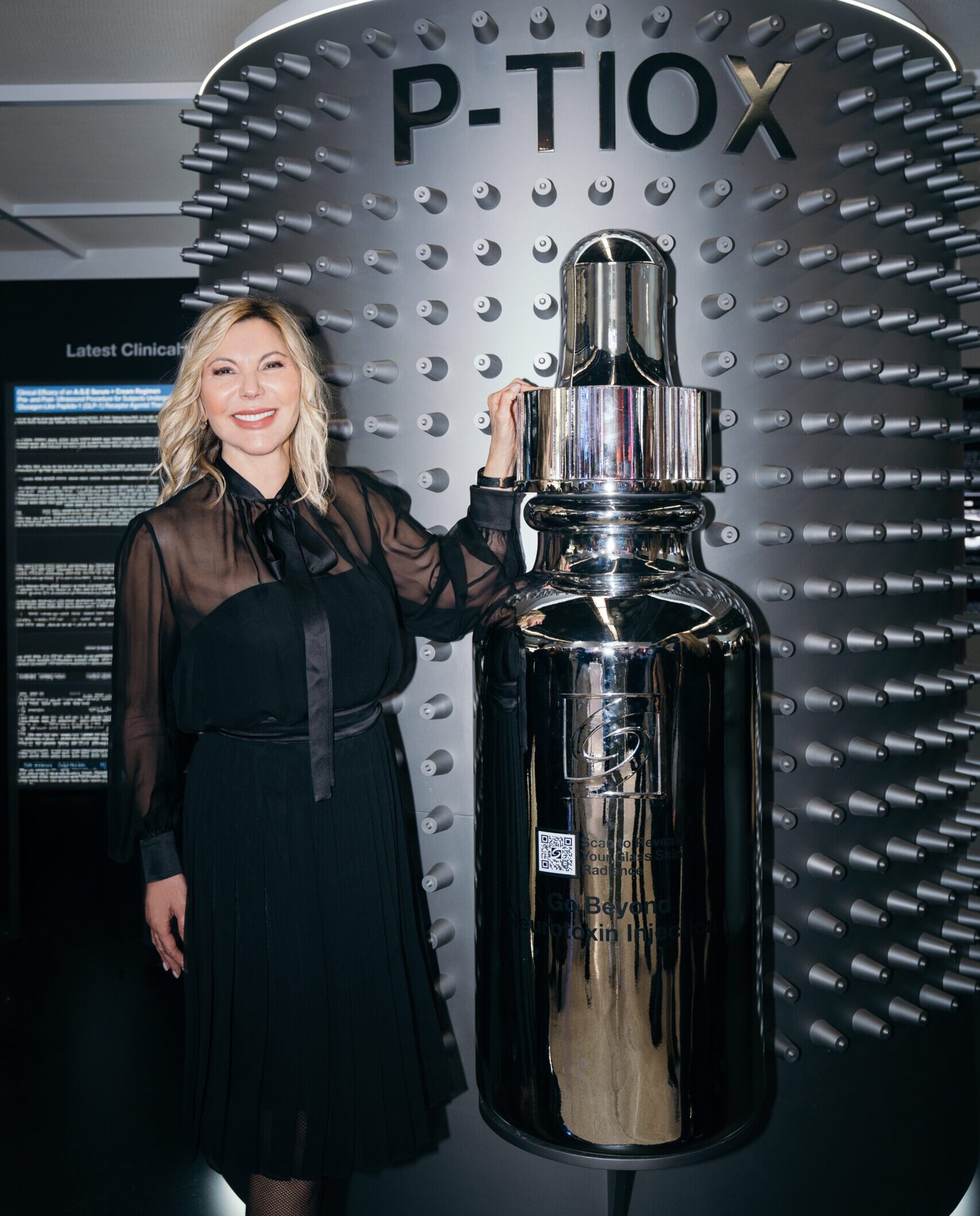
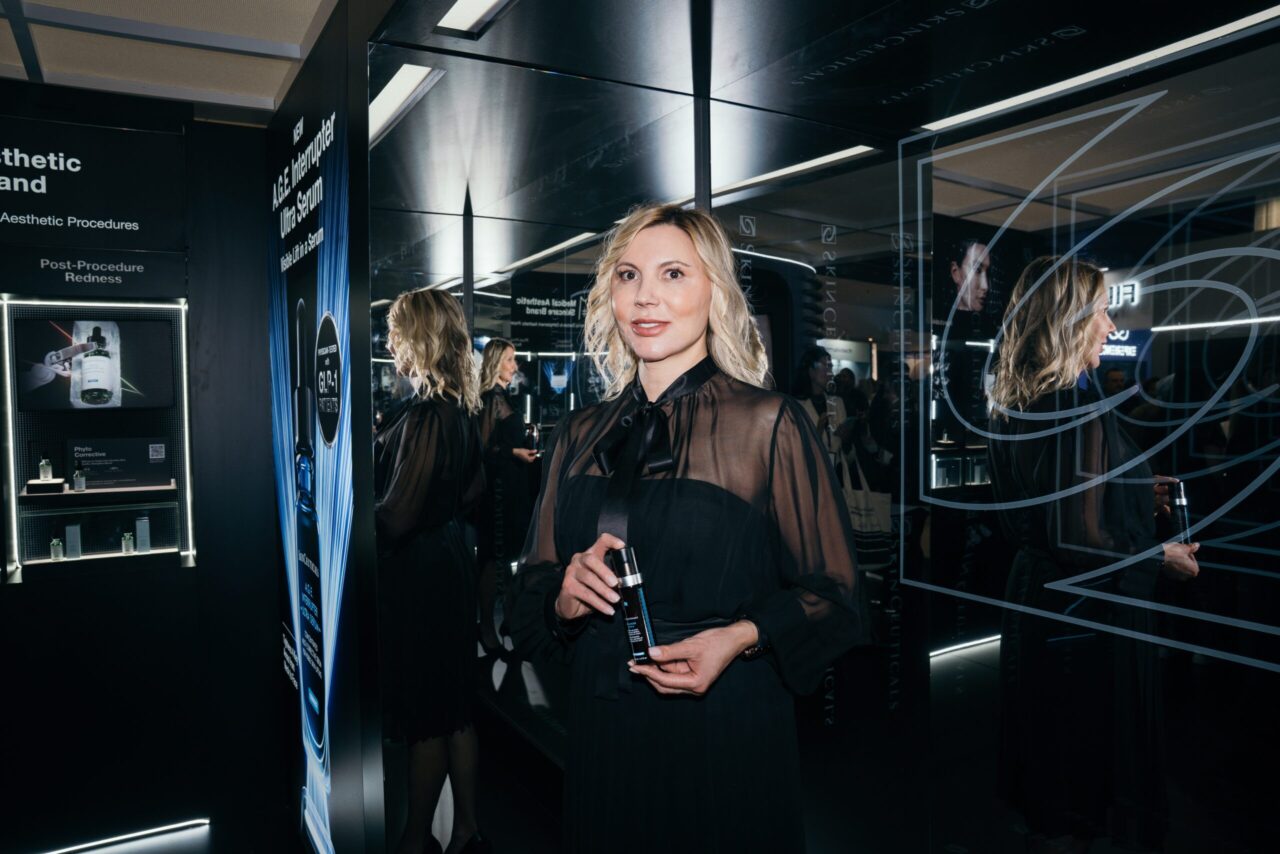
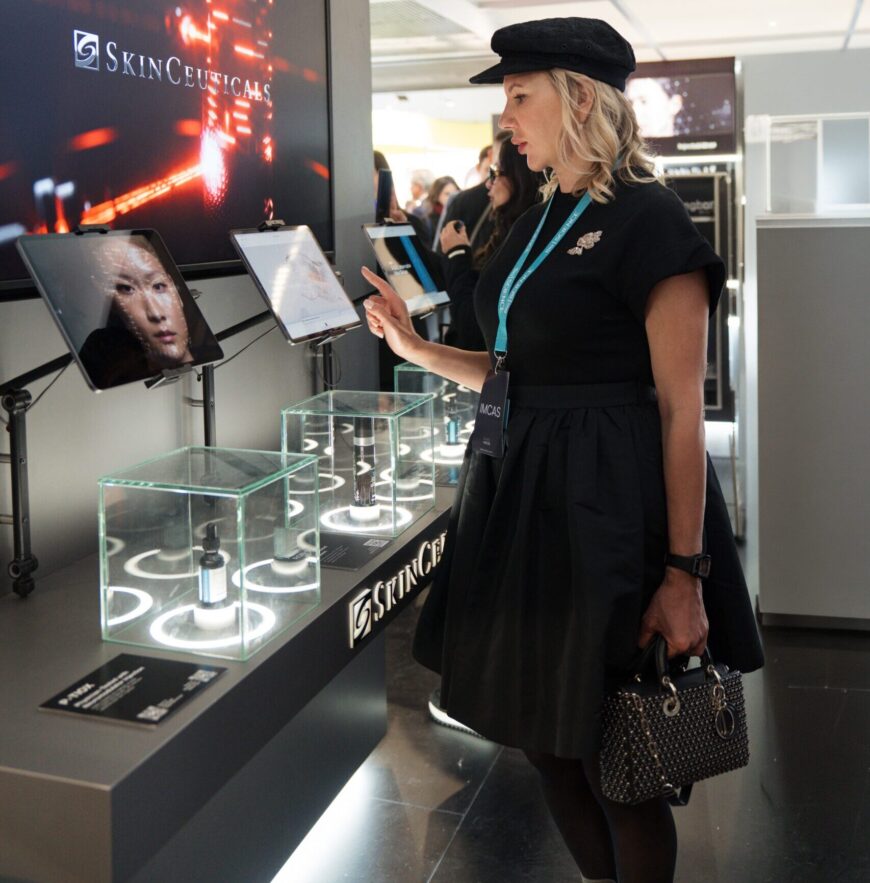
At this year’s IMCAS World Congress in Paris, one of the most prestigious global gatherings in aesthetic dermatology, Dr. Radmila Lukian joined industry leaders at the SkinCeuticals booth to share her clinical insights on integrating professional procedures with advanced skincare innovation. Among the highlights was her discussion on P-Tiox, a peptide-powered serum designed to complement neurotoxin treatments and enhance overall anti-aging outcomes.
The Future of Wrinkle Correction Is Combination-Based
Modern aesthetics is no longer about isolated procedures. As Dr. Radmila emphasized during her presentation, the most refined and natural-looking results come from combining in-clinic treatments with intelligent skincare.
Neurotoxin injections remain the gold standard for softening dynamic wrinkles caused by facial expression. However, certain areas of the face cannot be fully optimized by injections alone. Fine lines, surface texture changes, and subtle expression creases may still persist.
This is where P-Tiox plays a strategic role.
What Makes P-Tiox Different?
P-Tiox is inspired by the wrinkle-smoothing effects of neurotoxins but works topically. It is formulated with advanced peptides to help reduce the appearance of nine types of expression lines, while promoting smoother texture and a luminous, glass-skin finish.
According to Dr. Radmila, when used alongside neurotoxin treatments:
Wrinkle smoothing appears more refined
Surface lines look softer
Overall skin radiance improves
Results appear more harmonious and complete
This approach allows patients to maximize their aesthetic outcomes while maintaining a natural appearance.
Why This Combination Matters
During her educational session at IMCAS, Dr. Radmila explained that aesthetic success lies in understanding how treatments interact.
Together, they target wrinkles from multiple angles. This layered strategy reflects Lucia Clinic’s philosophy: not overcorrecting, but refining.
Intelligent Skin Decoding
At the SkinCeuticals booth, Dr. Lukian spoke about what she calls “intelligent skin decoding” — selecting the right in-clinic procedure and then reinforcing it with evidence-based skincare.
P-Tiox represents this next-generation thinking. It supports the results of professional treatments while enhancing the overall health and appearance of the skin.
The goal is not a dramatic transformation. It is a subtle optimization.
P-TIOX visibly reduces 9 types of expression lines.
Refinement Through Expertise
Dr. Radmila’s participation at IMCAS Paris once again highlights her role as a thought leader in aesthetic dermatology. By sharing her experience and clinical approach, she reinforces Lucia Clinic’s commitment to precision, innovation, and long-term skin quality.
For patients seeking smoother, naturally rejuvenated skin, combination protocols such as neurotoxin injections paired with advanced skincare can elevate results beyond what a single treatment can achieve. To explore a personalized treatment plan, book an appointment at Lucia Clinic and discover how professional procedures and advanced skincare can work together in harmony.
At IMCAS World Congress Paris, Dr. Radmila Lukian joined global experts at the SkinCeuticals booth to discuss one of the most important aspects of aesthetic success: what happens after the procedure. Her focus? The powerful combination of ablative laser resurfacing with Advanced RGN-6. Explore how this combination approach can support your skin renewal journey.
Why Post-Laser Care Defines the Final Result
Ablative laser resurfacing is one of the most powerful tools in aesthetic dermatology. It works by precisely renewing the skin’s surface and stimulating collagen production, helping improve wrinkles, acne scars, sun damage, uneven tone, and overall texture.
However, as Dr. Radmila emphasized during her conversations at the SkinCeuticals booth, the procedure itself is only part of the journey.
The regeneration phase that follows is equally crucial.
Advanced RGN-6: Supporting the Regeneration Phase
After an ablative laser treatment, the skin enters a rebuilding process. During this period, it becomes more receptive to targeted support.
Advanced RGN-6 is formulated to assist this recovery stage by:
Supporting faster visible recovery
Reducing post-procedure downtime
Improving skin comfort
Addressing six key signs of aging and skin damage, including wrinkles and uneven tone
Enhancing hydration and smoothness
Dr. Radmila explained that when the skin is guided correctly during this phase, outcomes are not only improved — they are preserved.
A Collaborative Approach to Skin Renewal
At IMCAS, Dr. Radmila highlighted what she describes as an intelligent treatment strategy:
The laser initiates renewal. Skincare supports and strengthens it.
This approach ensures that skin heals optimally, looks more radiant, and maintains results longer. Rather than viewing procedures and skincare separately, she advocates for an integrated model where each element enhances the other.
Reduce visible redness, post-acne marks, dark spots, and wrinkles with daily use of Advanced RGN – 6.
Bringing Innovation From IMCAS to Practice
Dr. Lukian’s presence at the SkinCeuticals booth reflects her commitment to staying closely connected with evolving skincare science and global innovation. By participating in these discussions, she continues to refine treatment protocols that prioritize skin quality, recovery, and natural-looking outcomes. Her collaboration at IMCAS underscores an important message: aesthetic excellence does not end when the procedure is completed. It continues through thoughtful post-treatment care.
To learn more about advanced laser treatments and regeneration-focused skincare protocols, schedule a consultation with Dr. Radmila Lukian at Lucia Clinic and explore a personalized plan tailored to your skin goals.
Aging changes every face in unique ways. Some people want a gentle refresh, while others hope for a more dramatic transformation. Facelift vs. non-surgical rejuvenation is a decision many consider when thinking about facial renewal. A facelift offers long-lasting results through surgery, while non-surgical options provide gradual improvements with less downtime. Both approaches can enhance confidence, but they work differently and suit different goals. Experts at Lucia Clinic can explain the differences, outline the benefits of each, and help you decide which path aligns best with your personal vision.
What Is a Surgical Facelift?
A surgical facelift is a cosmetic procedure designed to lift and tighten facial tissues. Surgeons reposition skin, fat, and muscles to restore a firmer and smoother appearance. This approach is most effective for signs of advanced aging that non-surgical methods cannot fully correct.
A facelift surgery in Dubai can address sagging skin, deep wrinkles, and jowls that develop with time. Patients often notice a sharper jawline, reduced folds around the mouth, and a refreshed overall look.
The main advantage of a facelift is its long-lasting, comprehensive results. Unlike temporary treatments, improvements can last for many years. However, it does come with trade-offs. Recovery takes time, and patients must prepare for swelling, bruising, and follow-up care. In addition, facelifts involve higher costs and carry the risks linked to surgery.
What Is Non-Surgical Rejuvenation?
Non-surgical rejuvenation refers to a group of treatments that improve facial appearance without surgery. These include dermal fillers,Botox Dubai, skin-tightening procedures, and advanced laser or energy-based devices. Each option works in a different way, but they share the same goal of refreshing the face with little to no recovery time.
These treatments are well-suited for people noticing early signs of aging. They can reduce fine lines, address mild sagging, restore volume, and improve skin texture. Many patients choose them as a first step before considering surgery, or as a way to maintain results after a facelift.
The main advantages of non-surgical rejuvenation are convenience and subtlety. Sessions are quicker, downtime is minimal, and costs are generally lower than surgery. Results look natural and can be adjusted over time to match evolving needs.
However, the improvements are temporary and require ongoing maintenance. For those looking for dramatic or long-term change, surgery may still be the stronger option. Non-surgical treatments work best for those seeking gradual, flexible enhancements with less disruption to daily life.
Comparing Results: Immediate vs. Long-Term
Facelifts deliver dramatic, structural changes that redefine the face. The results can last seven to ten years, making them a strong choice for those seeking long-lasting transformation. Patients often notice sharper contours, smoother skin, and a more youthful appearance that holds up over time.
Non-surgical rejuvenation, on the other hand, offers subtle and gradual improvements. Fillers restore volume, Botox softens lines, and skin-tightening treatments refresh texture. These results usually last from several months to a few years, depending on the procedure. While the impact is less dramatic than surgery, the natural progression appeals to many.
Maintenance plays a key role in non-surgical options. Regular touch-ups and combined treatments help preserve and extend results. This flexibility allows patients to adapt their plan as aging continues.
Factors to Consider When Choosing
Several factors influence the choice between a facelift and non-surgical rejuvenation, including:
Age and skin condition – Non-surgical treatments suit mild signs of aging, while advanced laxity often requires surgery.
Desired outcome – Choose non-surgical for a subtle refresh or facelift for a dramatic, long-lasting change.
Downtime tolerance – Surgery requires weeks of recovery, while non-surgical procedures usually involve only a few days.
Budget – A facelift is a larger, upfront investment, while non-surgical treatments spread costs out but require ongoing maintenance.
Medical suitability – Not everyone qualifies for surgery, making non-surgical approaches a safer alternative for some patients.
The Rise of Combination Approaches
Today, many patients find the best results come from combining surgical and non-surgical treatments. A facelift can restore structure and lift sagging skin, while fillers Dubai or laser treatments refine the details. This approach addresses both deep changes and surface-level concerns, creating a balanced outcome.
For example, a facelift may sharpen the jawline and tighten loose skin, but adding fillers can replace lost volume in the cheeks or lips. Laser or energy-based facial treatments Dubai experts do can then smooth texture and improve tone. Together, these methods deliver results that look natural and age gracefully.
Tailoring treatment plans in this way ensures long-lasting improvements. Surgeons and aesthetic specialists often design hybrid strategies that evolve over time, allowing patients to maintain their refreshed appearance with both structural correction and subtle touch-ups.
Why Professional Guidance Matters
Choosing between a facelift and non-surgical rejuvenation is not a one-size-fits-all decision. Consulting a qualified dermatologist or plastic surgeon ensures that your treatment plan matches your goals, age, and skin condition. Expert guidance helps set realistic expectations and reduces the risk of overtreatment or unnecessary procedures. Specialists take time to understand individual concerns and design bespoke plans that combine safety, precision, and artistry. This tailored approach ensures that results look natural and reflect each patient’s unique features.
Facelift vs. Non-Surgical Rejuvenation: Which One is Better?
Deciding between facelift vs. non-surgical rejuvenation depends on your goals, lifestyle, and stage of aging. A facelift delivers dramatic, long-lasting results, while non-surgical treatments offer gradual improvements with less recovery time. Both paths can restore confidence, but the right choice comes from professional guidance and a plan tailored to your needs. At Lucia Clinic, experts help you explore every option and create results that feel natural, balanced, and uniquely yours.
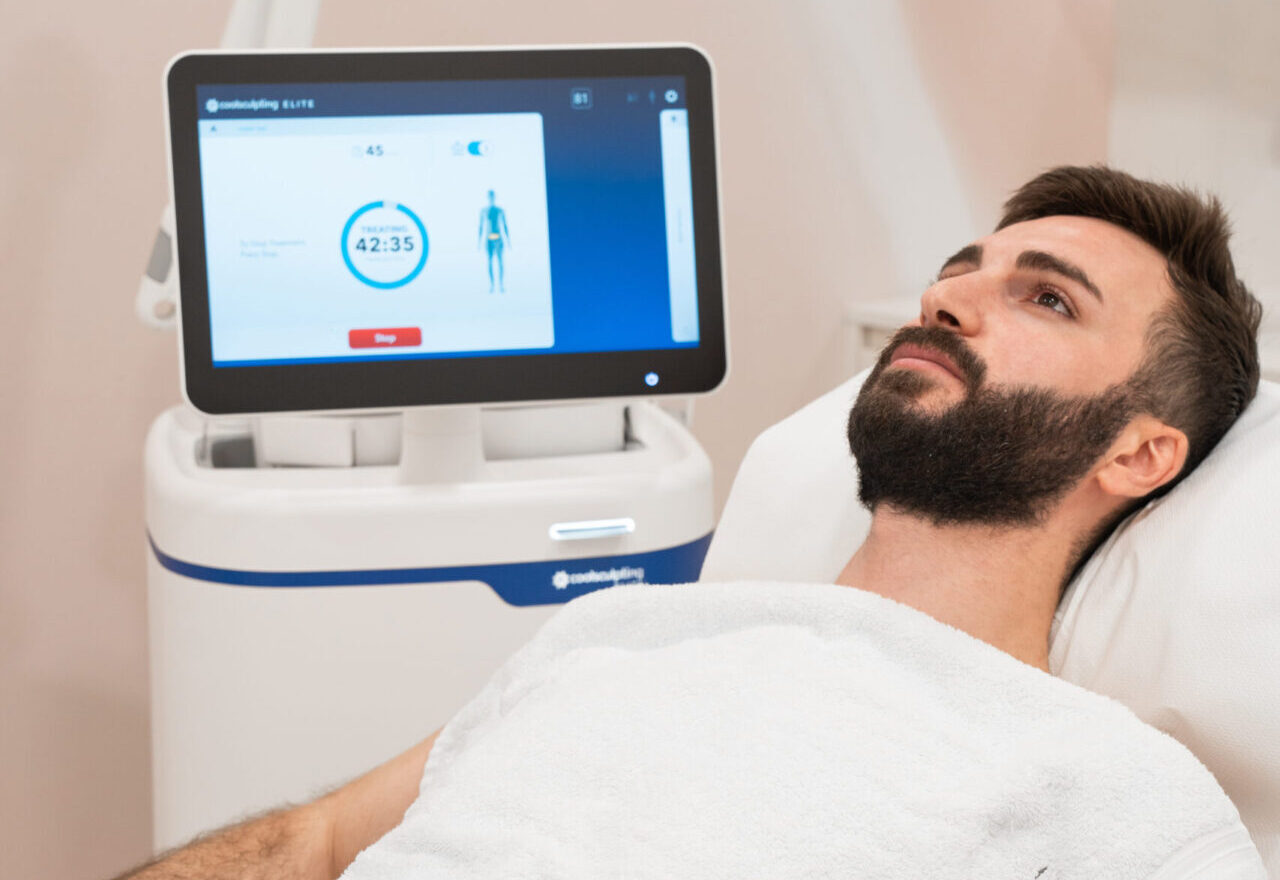
Modern men invest time in training, nutrition, and personal care. Still, certain fat deposits resist even the most disciplined routine. That is where CoolSculpting Elite for men offers a refined solution. This advanced treatment targets stubborn fat with controlled cooling, helping you achieve sharper definition without surgery or downtime. At Lucia Clinic Dubai, specialists approach body contouring with precision and discretion. The goal remains clear: enhance your physique while preserving your natural structure. If you seek subtle yet visible refinement, this treatment provides a strategic path toward a more sculpted appearance!
Why Men Choose CoolSculpting Elite?
Men choose CoolSculpting Elite because it solves a specific problem that workouts and clean nutrition often cannot fix. Many train consistently and maintain low body fat, yet small pockets remain around the abdomen, flanks, chest, or under the chin. These areas affect definition and confidence. CoolSculpting Elite targets those stubborn zones directly. It reduces fat without surgery, anesthesia, or visible scars.
The treatment also works well for busy schedules. Sessions often take under an hour per area, so it is easy to fit into a normal day. Most clients return to work right after the appointment. Results develop gradually over the following weeks, so the change looks natural and never sudden. People may notice a leaner waistline or a cleaner jawline, yet nothing looks “done.”
Many also like the flexibility. You can focus on one stubborn pocket or address several zones over time, depending on your goals. When an experienced provider plans the session correctly, the result keeps a strong, masculine shape and supports your existing muscle definition. Overall, CoolSculpting Elite offers a straightforward way to refine problem areas and feel more confident in your physique.
CoolSculpting Elite vs. Liposuction
CoolSculpting Elite and surgical fat removal achieve similar goals, yet they differ in approach, commitment, and intensity. Liposuction physically removes fat through a surgical procedure performed under anesthesia. It allows a surgeon to extract larger volumes of fat in one session and reshape broader areas more aggressively.
For some clients, especially those with higher fat volume, liposuction in Dubai may offer a faster and more dramatic reduction. However, surgery requires preparation, recovery time, and careful post-operative care. Swelling and bruising can last weeks. In contrast, CoolSculpting Elite suits clients who want refinement rather than a major transformation. The decision depends on body type, fat thickness, tolerance for downtime, and personal goals. A proper consultation helps determine which option aligns better with your expectations and lifestyle.
What Makes CoolSculpting Elite Different?
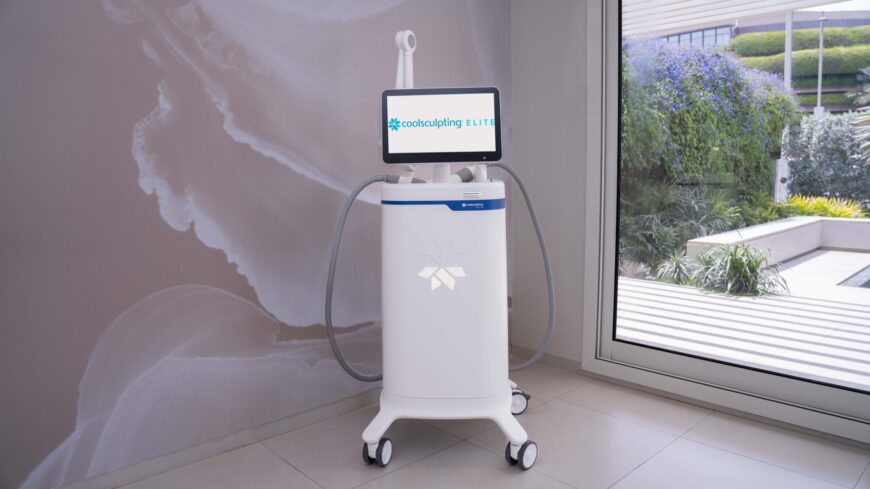
CoolSculpting Elite stands apart because it treats stubborn fat with better coverage, smarter design, and more efficient sessions. The system uses redesigned applicators that sit more securely on the body and cover a larger treatment zone at once. As a result, each cycle can address more surface area than earlier versions. Providers can also treat two areas in the same session, such as both flanks or both sides of the abdomen. That approach saves time and supports balanced results.
This treatment relies on controlled cooling that targets fat cells while protecting the skin and surrounding tissue. After exposure to cold, the treated fat cells break down, and the body clears them gradually through normal metabolic processes. The experience stays simple and comfortable for most clients. You may feel strong, cold, and pressure at the start, then numbness settles in, and the session becomes easy to tolerate. Many clients use that time to relax, answer messages, or listen to music. At Lucia Clinic, careful applicator placement and treatment mapping help create smooth contour lines and avoid uneven reduction. That planning influences the final shape in a noticeable way.
Target Areas for Men
CoolSculpting Elite treats several areas that concern male clients. Each area requires proper assessment and positioning.
Abdomen
The abdomen is the most common treatment area. Even fit clients can hold lower belly fat that will not shift with training. CoolSculpting Elite targets that pocket with controlled cooling. Over the following weeks, the area looks flatter and cleaner, which helps abs show more clearly.
Flanks / Love Handles
Flanks soften the waistline and change how shirts and jeans sit. CoolSculpting Elite treatment reduces fat along the sides, so the waist looks tighter. As the area slims down, the torso can look more tapered. Many clients notice a better shape in fitted clothing and photos.
Chest / Pseudogynecomastia
Some clients carry extra fat across the chest, which can affect confidence in fitted shirts. CoolSculpting Elite may reduce fatty tissue in this area. A clinician must confirm the cause first. If gland tissue drives the fullness, a surgical option may make more sense.
Submental Area / Under the Chin
A double chin can show up even with a healthy weight. CoolSculpting Elite targets fat under the chin to sharpen the jawline. As swelling settles and the body clears treated cells, the profile looks cleaner. Many clients also notice better definition in selfies and video calls. For clients who want added definition beyond fat reduction, jawline and chin contouring Dubai experts provide may include other options that focus on structure, skin firmness, and facial balance, depending on your anatomy and goals.
Upper Arms and Back
Upper arms and upper back can hold small fat pockets that affect definition in shirts. CoolSculpting Elite can treat these areas when the fat sits in a pinchable layer. A clinician evaluates skin quality and fat thickness first. With the right fit, the contour looks smoother.
How the Procedure Works?
CoolSculpting Elite follows a clear, step-by-step process that keeps the experience structured and predictable.
A detailed consultation with a Lucia Clinic skin therapist who confirms candidacy and defines target zones.
The provider marks the treatment area to guide accurate applicator placement.
The applicator attaches to the skin and gently draws tissue into the cooling chamber.
Controlled cooling begins and remains steady throughout the cycle.
The area becomes numb after the first few minutes, which improves comfort.
At the end of the cycle, the provider removes the applicator and performs a brief massage to support fat breakdown.
Most sessions last under an hour per area. Clients usually return to normal activities immediately after treatment.
What Results Can Men Expect?
Results from CoolSculpting Elite develop gradually, which helps the change look natural and balanced. After treatment, the body begins clearing the affected fat cells through normal metabolic processes. Most clients start to notice visible improvement within three to four weeks. However, the most defined results usually appear around the three-month mark.
Each session can reduce fat thickness in the treated area by roughly 20 to 25 percent. Some men choose a second session to enhance contour and sharpen definition further. The treatment is not among weight loss treatments, so the best candidates stay close to their target weight before starting. It focuses on shaping specific zones rather than lowering overall body fat.
When clients maintain a stable weight and active routine, results tend to last long term because treated fat cells do not return. However, untreated fat cells can still expand with weight gain. Clear expectations and consistent lifestyle habits help protect the outcome and maintain a refined appearance.
Combining CoolSculpting Elite with Other Treatments
Many clients choose to combine CoolSculpting Elite with other aesthetic treatments to enhance overall definition and skin quality. While CoolSculpting Elite reduces stubborn fat, it does not tighten loose skin or build muscle. Therefore, combining treatments can create a more complete result when planned correctly.
Muscle stimulation procedures can strengthen and firm the abdominal wall after fat reduction. This approach improves visible tone and supports sharper contours. If mild skin laxity appears after fat loss, non-surgical skin tightening treatments can improve firmness and skin texture. Some clients also refine facial definition with injectables after reducing fat under the chin, which can sharpen the jawline and improve overall balance. In those cases, dermal fillers Dubai specialists recommend can play a supportive role when the goal involves added structure rather than more fat reduction. Timing matters when combining procedures.
Providers usually space treatments strategically to allow the body to respond properly to each step. At Lucia Clinic, specialists design structured treatment plans based on body type, goals, and skin condition. Each procedure supports the final aesthetic without overwhelming the body. A personalized plan ensures harmony between fat reduction, muscle tone, and skin quality. When performed thoughtfully, combination treatments can elevate results and create a balanced, athletic appearance that still looks natural and controlled.
Combining CoolSculpting Elite and EmSculpt NEO
Combining CoolSculpting Elite with EmSculpt NEO creates a strategic approach to body refinement. CoolSculpting Elite focuses on reducing stubborn fat in targeted areas through controlled cooling. EmSculpt NEO, on the other hand, works on muscle stimulation and fat reduction using synchronized radiofrequency and high-intensity electromagnetic energy.
When used together, these treatments address both fat and muscle in a structured way. First, CoolSculpting Elite reduces localized fat pockets that resist diet and exercise. Then, EmSculpt NEO strengthens and builds muscle in the treated region, which enhances definition and firmness. This combination works especially well for the abdomen and flanks. Clients often see a flatter waistline after fat reduction, followed by improved muscle tone that sharpens overall contour. When executed correctly, this dual approach supports a more athletic and defined appearance without surgery or downtime.
Setting Realistic Expectations
Setting realistic expectations ensures satisfaction and long-term confidence in your results. CoolSculpting Elite reduces localized fat, but it does not replace weight loss or a healthy routine. The treatment works best for clients who already maintain a stable weight and consistent exercise habits. It shapes specific areas rather than transforming the entire body. Results appear gradually over several weeks, so patience plays an important role. You will not walk out with instant changes. Instead, your body clears treated fat cells slowly, which keeps the outcome subtle and natural.
CoolSculpting Elite helps men as well as women.
In addition, one session may not achieve your ideal contour. Some areas require more than one cycle to reach the desired level of refinement. Skin quality also affects the final look. If significant laxity exists, fat reduction alone may not create a tight appearance.
Honest consultation helps clarify what the treatment can and cannot accomplish. At Lucia Clinic, respected derma clinic Dubai offers, providers explain expected fat reduction percentages and discuss whether additional treatments may improve the outcome. Clear communication prevents disappointment and supports informed decisions. When you approach the process with practical goals, CoolSculpting Elite can deliver refined, proportional results that align with your lifestyle and body structure.
Target Stubborn Fat with CoolSculpting Elite for Men Confidence at Lucia Clinic!
CoolSculpting Elite for men offers a precise way to reduce stubborn fat and refine natural contours without surgery. It supports the work you already put into training and nutrition, helping targeted areas look sharper and more defined over time. Results appear gradually, which keeps changes balanced and controlled. When performed by experienced professionals, the treatment aligns with masculine proportions and realistic expectations. If you want focused body contouring with minimal disruption to your routine, this option deserves consideration. To explore your candidacy and receive a structured treatment plan, visit Lucia Clinic and take the next step toward a stronger profile!
Hair shedding often begins quietly. You may see extra strands in the shower and assume it feels normal. Many people ignore this stage because daily hair fall seems common. However, early shedding and early thinning are not the same. Temporary shedding usually follows stress, travel, or routine changes. Early thinning, on the other hand, reduces overall density over time. That difference matters. When you recognize the signs early, you gain more control over your hair’s future appearance. The best time to prevent hair loss when shedding first starts is during this initial phase. Professional guidance, such as support at Lucia Clinic Dubai, can help you act before it becomes more noticeable!
What Early Hair Shedding Looks Like?
Early hair shedding often shows up in subtle but noticeable ways. You may see more strands collecting in the shower drain or tangled in your brush. While daily shedding feels normal, a sudden increase usually signals a change.
At the same time, your hair may feel flatter at the roots. Styles that once held volume might drop within hours. In addition, your ponytail may wrap tighter than before, which suggests reduced thickness. Some people also notice their part line looks slightly wider under bright light. These early shifts seem minor, yet they often mark the beginning of visible density changes.
Why Shedding Starts in the First Place
Shedding often begins after changes that affect your body and routine. Several common triggers can disrupt the natural hair cycle and increase daily hair fall:
Lifestyle shifts and stress: Work pressure, emotional strain, travel, and irregular sleep patterns can push more hairs into the shedding phase.
Calorie reduction and diet changes: Low protein intake or sudden calorie cuts may weaken hair growth and reduce strand strength.
Seasonal and environmental factors: Temperature shifts, sun exposure, humidity, and pollution can alter scalp balance and affect hair behavior.
Styling habits that add tension: Tight ponytails, braids, frequent heat styling, and chemical treatments can strain roots and increase breakage over time.
When several of these factors overlap, shedding often becomes more noticeable.
When Is Shedding Still Reversible?
Shedding often remains reversible during the early phase. Short-term shedding usually follows a clear trigger such as stress, illness, or diet change. Once the trigger resolves, hair cycles often rebalance within a few months. Progressive thinning behaves differently. It develops gradually and does not slow down without support. That distinction matters.
When you respond early, you protect existing density and reduce long-term visible gaps. This is the moment to prevent hair loss when shedding first starts, while the cycle is still adjustable. Watch for warning signs that shedding does not settle. Continued volume loss, a widening part line, or a thinner ponytail over several months may signal progression. At that stage, timely evaluation can help preserve fuller-looking hair before density declines further and visible thinning becomes harder to manage.
Everyday Habits That Help Reduce Visible Shedding
Everyday habits can change how much shedding you notice, so small adjustments matter. Gentle handling helps the most. Use a wide-tooth comb on damp hair, and avoid tight ponytails that pull at the roots. Styling that reduces tension also lowers breakage, which improves how full your hair looks.
Scalp care plays a role, too. Regular cleansing removes oil and product buildup, yet overly harsh shampoos can dry the scalp and make hair feel weaker. Heat tools and strong chemical services can also add strain, especially during shedding phases. Lower heat settings and fewer treatments protect the hair shaft. Consistency delivers better results than quick fixes.
Why Products Alone Are Often Not Enough to Prevent Hair Loss When Shedding First Starts?
Shampoos and serums can support the scalp, yet they often work only on the surface. Shampoo rinses off fast, so it cannot correct what drives shedding. Serums may calm dryness or irritation, but they do not always shift the hair cycle. Volume products help hair look fuller for a few hours, but they do not restore density. That is why some people feel stuck even after trying multiple bottles.
If shedding continues past a few months or the part line keeps widening, professional aesthetic support becomes relevant. Sometimes, the best option is a hair loss treatment Dubai specialists recommend. It can help identify patterns early and match you with targeted options.
Aesthetic Options That Prevent Hair Loss When Shedding First Starts and Support Hair Density
Aesthetic options can support hair density during early thinning stages without surgical procedures. Many non-invasive treatments focus on stimulating the scalp and strengthening existing follicles to encourage fuller-looking hair. These methods aim to improve blood flow, enhance nutrient delivery, and support overall strand quality. A balanced scalp environment plays a central role in maintaining visible density. When the scalp stays healthy, hair often appears thicker and more resilient.
Shedding can be reversible to a certain extent.
Women and men require different strategies, since thinning patterns and hormonal influences vary. Women may notice widening along the part line, while men often see changes at the temples or crown. Hair loss treatment for men in Dubai addresses male pattern concerns, while dedicated treatment plans for women focus on preserving density across the scalp and improving overall hair quality.
Lucia Clinic’s Approach to Early Hair Thinning
Lucia Clinic approaches early hair thinning with careful evaluation and long-term planning. Our specialists assess visible density, scalp condition, daily habits, stress levels, and nutrition patterns before recommending any treatment. This personalized assessment allows the team to understand what triggered the shedding and how to stabilize it early.
The focus remains on natural-looking results that preserve your existing hair rather than masking changes temporarily. Instead of waiting for advanced thinning, our clinic emphasizes prevention and early support. When appropriate, advanced options such as stem cell therapy Dubai experts provide may be considered as part of a broader strategy designed to protect density and maintain healthy hair growth over time.
Take Control Before Thinning Progresses!
Early shedding offers a valuable opportunity to act before visible thinning develops. When you choose to prevent hair loss when shedding first starts, you protect your current density and maintain long-term hair quality. Small changes often signal the right moment for professional evaluation. Addressing hair changes early reduces the risk of progressive thinning and supports more natural results. Instead of waiting for wider gaps or reduced volume, proactive care keeps you in control. At Lucia Clinic, our specialists focus on personalized strategies that preserve existing hair and support healthy growth patterns tailored to your needs. Book your appointment today!