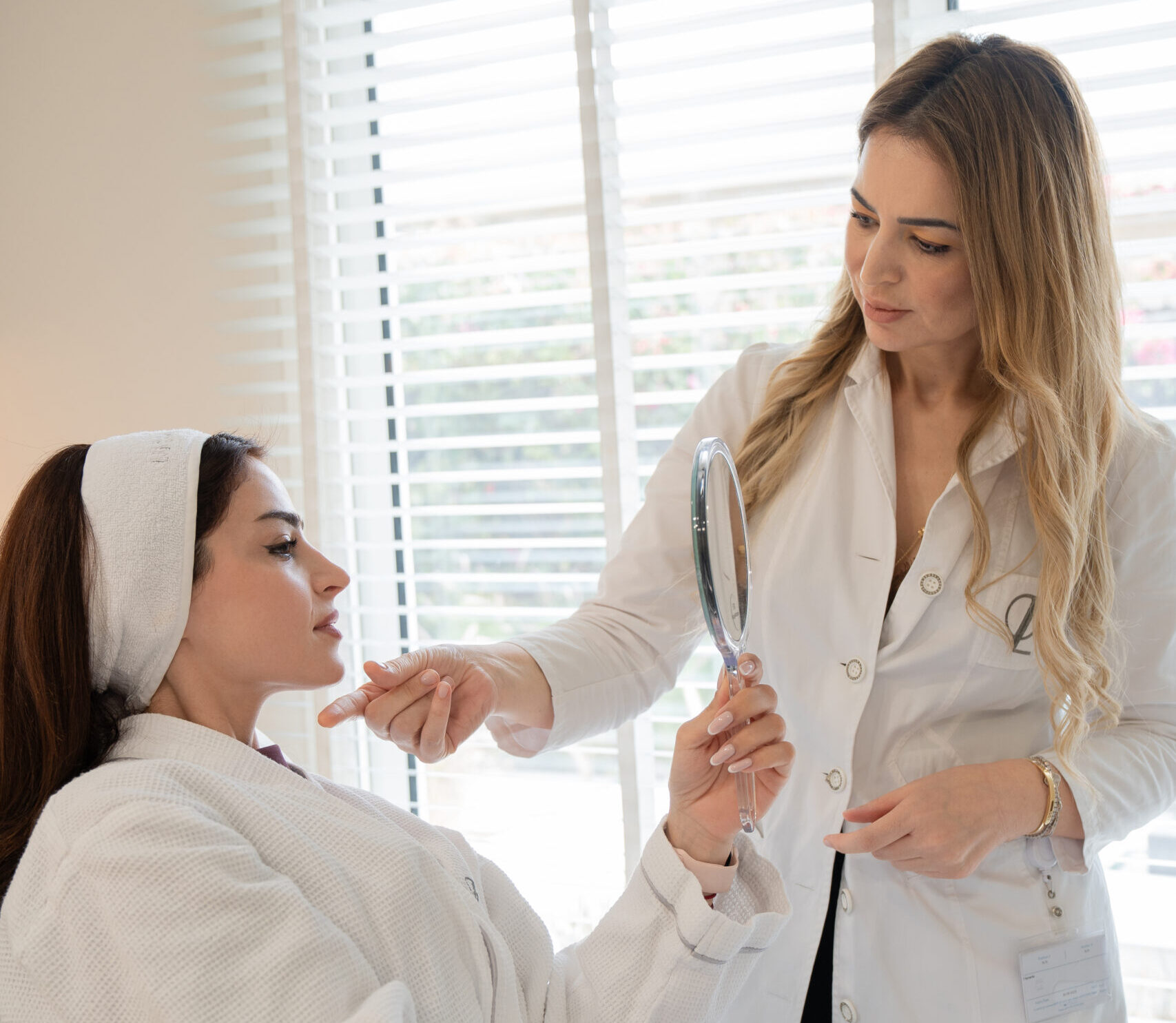
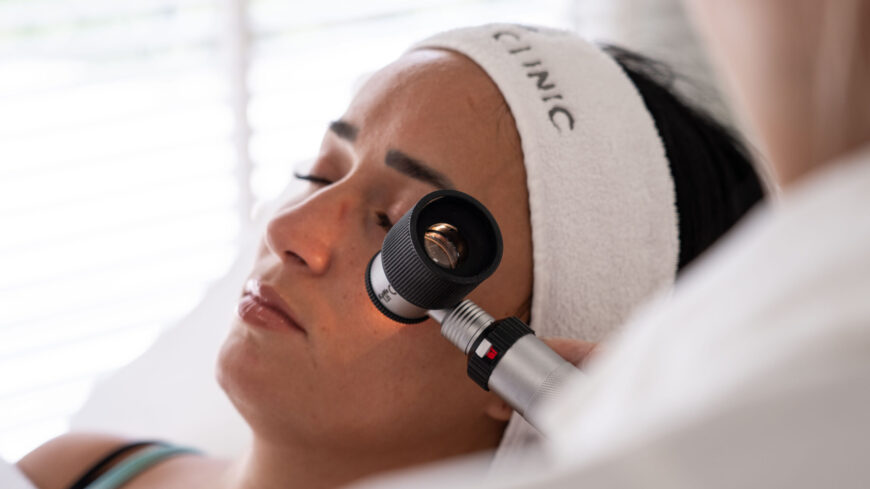
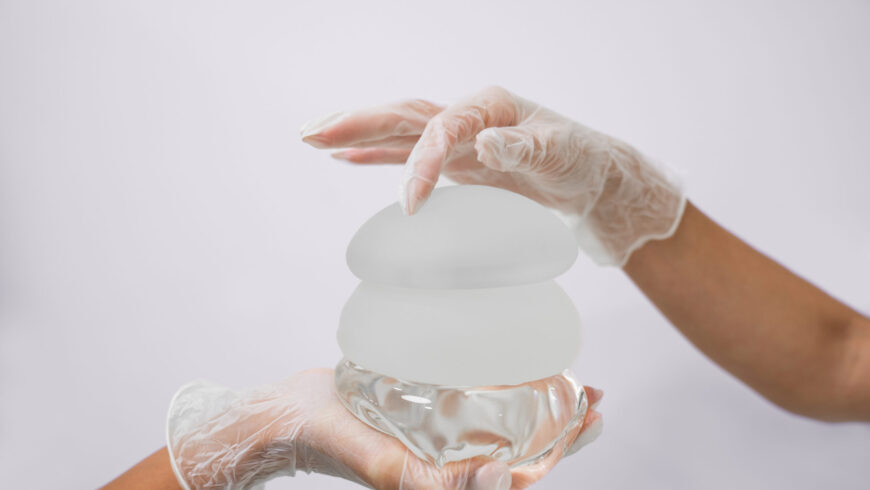
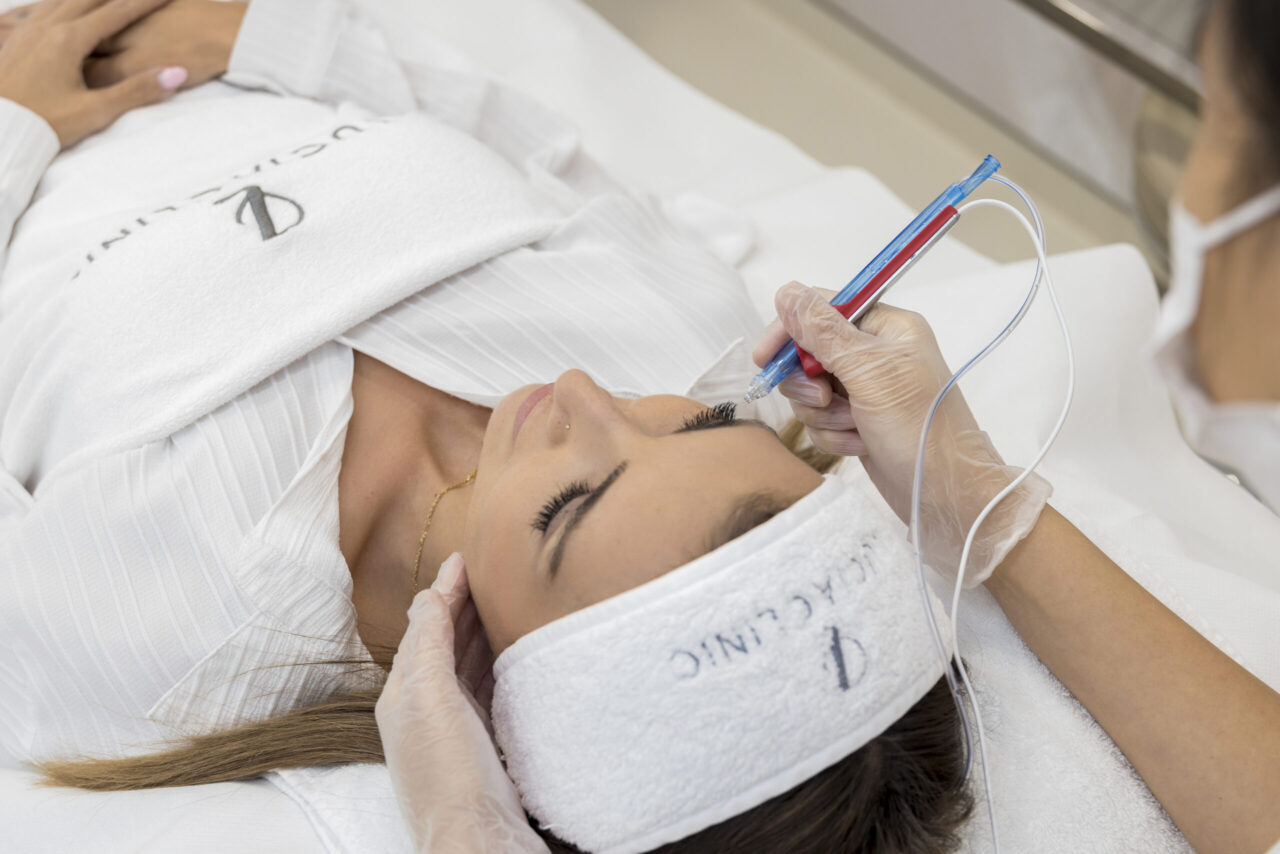
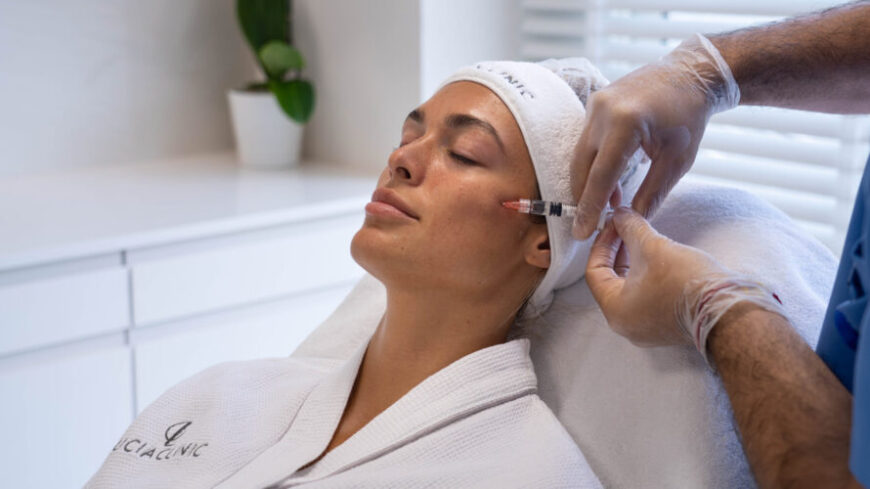
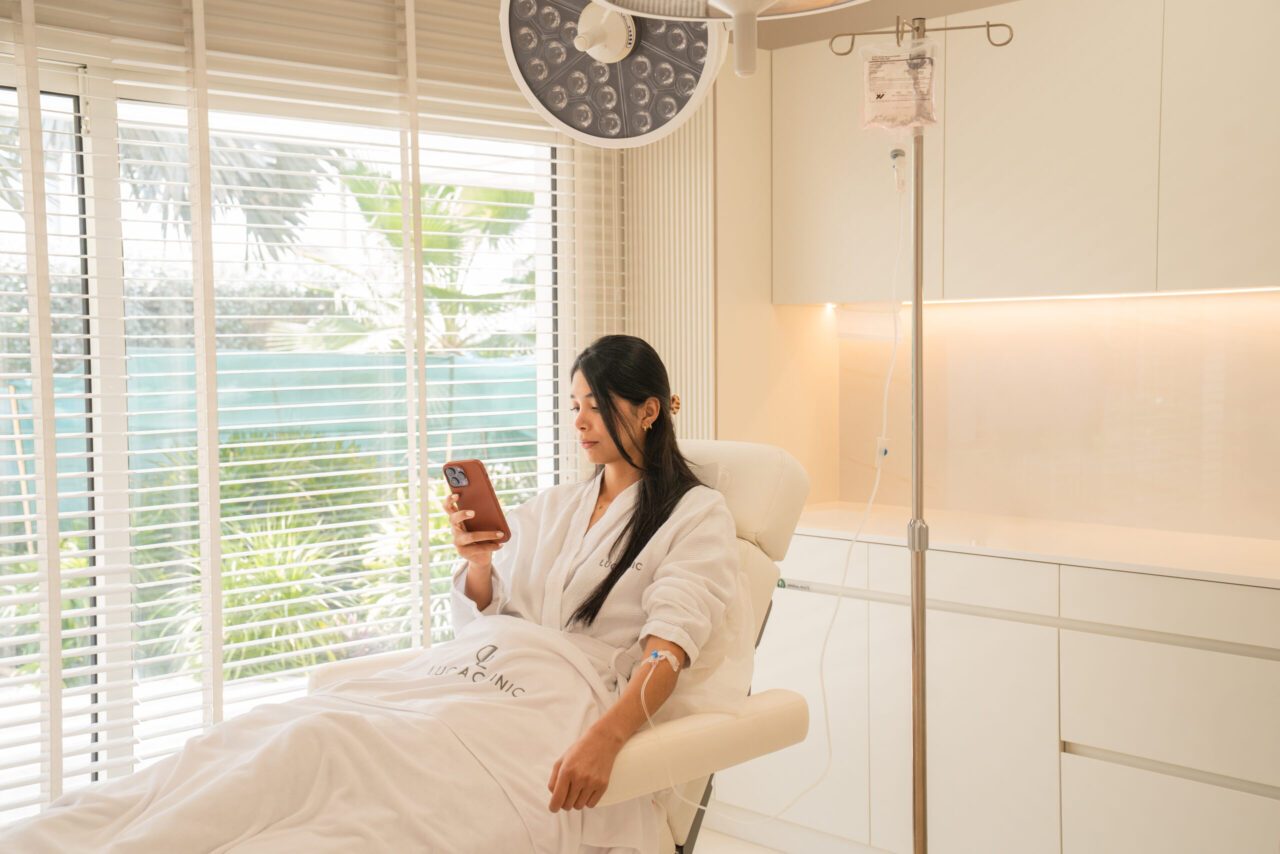
Skin concerns in Dubai are more than just cosmetic. Between heat, humidity, sand, and air pollution, allergic reactions are becoming increasingly common. At Lucia Clinic Dubai, we recognize how frustrating and persistent skin allergy symptoms can be, especially when they interfere with your daily comfort. What you should know before getting a skin allergy diagnosis in Dubai goes beyond common assumptions. We emphasize the importance of professional testing, personalized care, and choosing the right clinic for your needs. Explore advanced diagnostic tools to accurately identify skin allergens and design treatment plans tailored to your skin and environment.
Why Skin Allergy Testing Matters
A rash isn’t always just a “rash.” Skin allergies can look like other common conditions, such as eczema, rosacea, or fungi, and self-diagnosis or treating with over-the-counter creams may only provide temporary relief, but they will not address the cause. For these reasons, a correct diagnosis is very important.
Testing gives specific triggers for the dermatologist to make a treatment plan, which would be affected by the specific environment, skin type, and lifestyle. At our dermatology clinic Dubai, we have seen firsthand how specific testing helps to completely change patients’ skin and lives.
Common Skin Allergy Triggers in Dubai
Dubai’s environment and lifestyle may lead to a greater exposure to various skin allergy triggers, including:
Dust mites, pollen, and mold, which can be more pronounced in an indoor AC environment
Heat and perspiration (sweat) can irritate skin or aggravate an allergic reaction
Fragrances, preservatives, and colors in skin care and cosmetic products
Fabric detergents and dyes, which are often overlooked, but are very reactive for sensitive skin
Metals like nickel, usually found in jewelry, rubber gloves, or latex substances
The number of potential irritants to the skin can make it difficult to identify the specific allergen, especially in a city where they can be part of a daily routine.
Symptoms That May Warrant a Skin Allergy Diagnosis
If your skin has been reacting for no apparent reason, it may be worth looking for professional insight. Common indications of allergy are:
Incidents of rash or hives that are recurring.
Itching, redness, or burning when you use a product.
Unexplained swelling or inflammation.
Incidents of blistering or peeling when coming in contact with particular materials.
Symptoms seem to be worse in specific environments or seasons. If these symptoms persist, especially in combination, consider scheduling a skin allergy test Dubai with a qualified specialist.
Skin Allergy Diagnostic Services at Lucia Clinic
At Lucia Clinic, we take a hybrid approach to allergy testing that combines modern technology with in-depth clinical knowledge. If you’re actually experiencing ongoing problems with your symptoms or want to avoid future issues, we have several different diagnostic options available. Determine if an allergy skin test could be an option for you, and start your journey towards skin that feels great and looks fabulous!
Patch Testing
Patch testing is the best way to identify delayed allergic reactions – reactions that will show between 24 and 72 hours of exposure. Lucia Clinic, Dubai’s leading specialist in skin allergy patch testing, will apply small amounts of allergens to your skin. After the testing, results will be in 48-72 hours. We will be able to either confirm or rule out contact dermatitis and other skin conditions.
Blood Testing (IgE)
IgE blood tests are very helpful in evaluating immediate allergic responses (within minutes) following exposure to an allergen. IgE blood tests are typically performed in cases of eczema, hives, or flare-ups that could be caused by food, dust, or airborne particles.
Personalized Dermatological Evaluation
Not every rash is caused by an allergen, which is why our experts also provide a thorough diagnosis of skin disease. This includes reviewing your medical history, current skincare routine, and environmental exposure.
What to Expect During Your Allergy Testing Appointment
Wondering what to expect? When you come to Lucia Clinic to be tested for an allergy, one of our dermatologists will:
Conduct a comprehensive consultation
Discuss your daily skin routines, detergents, and lifestyle patterns
Walk you through the process for patch or blood testing
Provide a very clear timeline for when you will know your results
Book a follow-up consultation to help explain what the results mean, including next steps
This tailored, thorough experience is what many patients appreciate, calling the Lucia Clinic the most comprehensive skin allergy clinic in Dubai.
Post-Diagnosis: Treatment and Management Options
Identifying the triggers is the first critical step in skin allergy management. Our specialists develop a thorough treatment plan that may include:
Allergy-friendly skincare routines utilizing hypoallergenic and fragrance-free options
Environmental and product avoidance recommendations, depending on your diagnosis
Oral or topical medications to alleviate symptoms and inflammation
Follow-up and continued monitoring with our dermatologists
Lucia Clinic goes way beyond testing for patients—learning about managing allergies and trusting you is a lifelong commitment.
Skin allergy testing is important when you’re doing a procedure for the first time.
Why Choose Lucia Clinic for Skin Allergy Testing in Dubai
With so many clinics in the city, what makes Lucia the best choice?
A highly trained team of dermatologists who specialize in sensitive skin.
Access to the latest diagnostic equipment for immediate and delayed allergic responses.
Personalized plans based on the realities of the Dubai lifestyle with heat, sand, pollution, etc.
A caring, patient-centered approach that values your comfort and understanding of any treatment recommendations.
Whether you are looking for an inexpensive skin prick test for allergies in Dubai or a more advanced patch test, Lucia Clinic can offer you evidence-based results in a caring and private treatment environment.
Skin Allergy Diagnosis in Dubai with the Right Professionals
A diagnosis of skin allergy is more than simply responding to your rash. It’s understanding your body’s unique responses and how to work toward a healthier connection with your skin. Skin allergies don’t have to affect your life. Identifying your allergens is key to lasting relief. Consider what you should know before getting a skin allergy diagnosis in Dubai. It takes time, expertise, and a clinic that acknowledges global dermatological standards within a local context. Choosing Lucia Clinic Dubai gives you access to a holistic care team that listens, that uses advanced diagnostics, and that is with you for the whole journey, no matter how small.
Lucia Clinic offers a dedicated plastic and cosmetic surgery ward created for patients who want high-standard surgical care in a controlled clinical setting. The ward brings together experienced surgeons, modern operating rooms, and structured recovery support under close medical supervision. Patients can choose plastic surgery procedures for the face, breasts, and body, and they can also combine them with cosmetic treatments that help maintain results over time. Lucia Clinic uses updated surgical methods, advanced equipment, and careful pre-op planning to support accuracy and patient comfort. Each patient starts with a detailed consultation, where doctors review goals, anatomy, and realistic outcomes. Patients then receive clear guidance on preparation, downtime, and aftercare, so every step feels organized and transparent!
Why Patients Choose Lucia Clinic?
Patients who consider cosmetic surgery usually search for two things: medical expertise and predictable results. Lucia Clinic addresses both expectations through structured treatment planning and careful surgical practice. Doctors begin every patient journey with a detailed consultation. They review facial structure, skin condition, and general health. This evaluation allows surgeons to determine which procedures can create meaningful improvement. Patients receive clear explanations about treatment steps and expected outcomes.
Equally important, surgeons maintain strong communication throughout the process. Patients ask questions and discuss concerns before deciding on surgery. This open conversation helps patients feel informed and comfortable with their choices. Lucia Clinic also maintains a calm clinical environment. Staff members guide patients through scheduling, preparation, and recovery instructions. This organized system reduces stress before and after surgery.
Many patients also value the clinic’s consistent focus on natural-looking results. Surgeons avoid exaggerated changes and instead aim for balanced improvements that complement each patient’s features. This careful approach explains why people travel internationally to seek treatment at Lucia Clinic!
Plastic Surgery Procedures at Lucia Clinic
Plastic surgery can correct structural concerns, reduce visible aging signs, and refine facial or body proportions. Lucia Clinic surgeons offer several procedures that address these goals. Here are some of the most popular ones patients choose at the clinic.
Facelift Surgery
This surgery restores facial structure when skin and deeper tissues lose firmness over time. Many patients notice sagging around the cheeks, jawline, and neck, which can change the face’s natural definition. At Lucia Clinic, surgeons plan the procedure after assessing skin quality, tissue position, and facial symmetry. During facelift surgery in Dubai, the surgeon repositions deeper facial layers, then removes excess skin with controlled tension. This approach supports a natural result and helps avoid an overpulled look.
A facelift is one of the most sought-after cosmetic procedures.
The goal focuses on improving contours while keeping your expressions familiar. After surgery, swelling and bruising appear at first, then gradually reduce as healing progresses. As the face settles, patients often see a cleaner jawline, smoother lower cheeks, and a more rested overall appearance. Follow-up care and clear recovery guidance help protect results and support safe, predictable healing for each patient.
Rhinoplasty
Rhinoplasty reshapes the nose to improve facial balance and, when needed, support better breathing. Because the nose sits at the center of the face, even small changes can affect overall harmony. Lucia Clinic surgeons start with a detailed evaluation of the nasal bridge, tip shape, nostril symmetry, and internal structure. They also assess airflow and septum alignment when breathing concerns exist. This planning stage helps the surgeon choose the right technique and set realistic expectations.
During the nose job in Dubai, the surgeon adjusts cartilage and bone with careful control, aiming for a proportionate result that fits the rest of the face. Patients often request rhinoplasty to refine the tip, smooth a bump, correct asymmetry, or address changes after injury. Swelling takes time to resolve, so results become clearer as the nose heals and the shape settles into its final form.
Eyelid Surgery
Eyelid surgery improves the look of the upper or lower eyelids when excess skin or fat creates heaviness, puffiness, or a tired appearance. Some patients also notice that upper eyelid skin affects their field of vision. At Lucia Clinic, before the surgeon evaluates lid shape, skin thickness, and eyelid support, they recommend a plan. During surgery, the surgeon removes or repositions tissue through precise incisions placed in natural eyelid creases or along the lash line. This technique helps keep scars discreet while improving eyelid contour.
The goal is a brighter, more open eye area that still looks natural and fits your facial features. After surgery, patients usually experience swelling and mild bruising for a short period. As healing continues, the eye area often looks smoother, less heavy, and more refreshed. Doctors provide clear aftercare steps to support comfort and steady recovery.
Fat Grafting
This technique is widely used in cosmetics and plastic surgery. It represents a natural way of restoring shape and volume in your problematic body areas. Excess fat is harvested from one area of your body and then transferred to another area that needs to be enhanced. With this advanced technique, you can improve two areas of your body – eliminate the stubborn fat from your abdomen, for example, and shape and enlarge your breasts. It is a completely natural process that doesn’t cause any allergies or infections – it’s your own fat tissue that is being transferred.
In recent years, BBL or Brazilian Butt Lift (Brazilian Butt Filler) has been one of the most popular fat grafting procedures. It involves enhancing the shape and increasing the volume of your buttocks by harvesting fat from body areas like thighs, abdomen, or flanks. The harvested fat is purified and then injected into the buttocks – the results look completely natural, and you can finally wear jeans that will accentuate this area of your body. When done professionally, this surgical procedure can really boost your confidence and make you feel good about your body.
It’s all about the right balance between harvested and transferred fat. An experienced and reliable plastic surgeon in Dubai, like surgeons from Lucia Clinic, will focus on making your BBL surgery experience comfortable, safe, and most importantly, effective!
Breast Surgery Options
The benefit of breast reduction or breast lift surgery is that it creates a positive effect on the look of your torso and waist. As we age, our breasts can change dramatically because of the loss of skin elasticity, significant weight loss, pregnancy, nursing, genetics, and other factors. When your breasts are loosely hanging down the torso or abdomen, it can make you look older than you really are.
Breast lift surgery is a great option if you are satisfied with the volume and size of your breasts and you just wish that your breasts were more lifted and rejuvenated. During breast lift surgery in Dubai, your breasts are reshaped and lifted to the position that makes them youthful-looking again. The incisions are minimal and fade away almost completely after 2 years.
Breast reduction surgery is performed in a similar way to the breast lift. It also lifts your breasts, but it involves removing the excess fat and breast tissue in order to shape and define the breasts as you desire. This procedure can really make you feel more comfortable in your body because it improves your appearance, but also reduces skin rashes that might appear under the overly sagging breast.
Breast augmentation surgery is an ideal option if you want more volume added to your breasts. This surgery can be performed with fat grafting, where the excess fat is harvested from another area of your body, like your tummy or thighs, and transferred to your breast to enlarge them. If you wish your breasts to be lifted and more enhanced in size, then you can decide to get implants. In both cases, you will get absolutely natural-looking results, and you will finally be able to wear more flattering clothes.
We offer different types of breast surgeries.
Mommy Makeover
Many women see the changes in their bodies after one or more pregnancies and wish to restore their contours. A mommy makeover by our specialist, Dr. Mario Russo, can do the trick – it involves a combination of surgeries performed at once. Of course, every woman has different needs and aesthetic goals, so this procedure is done after a customized treatment plan is created. You might want to address just your breast and abdomen, or just your hips, thighs, and waist, or all of them. So, different surgeries can be involved, like breast lift and augmentation, liposuction, and tummy tuck. The best part is that they are all performed as a single surgery and restore the body shape you had before childbearing.
Liposuction
Liposuction removes localized fat deposits that remain even after regular exercise and balanced nutrition. Many patients notice areas where fat collects and does not respond to lifestyle changes. This procedure focuses on refining body contours rather than reducing overall body weight. During liposuction, the surgeon inserts a thin instrument through small, carefully placed incisions. The instrument gently removes fat from targeted areas while preserving surrounding tissue. Surgeons shape the treated areas with precision so the body maintains natural proportions.
Common treatment zones include the abdomen, thighs, hips, back, and arms. Some patients also choose liposuction to refine the chin or jawline. Careful planning before surgery helps determine how much fat to remove and where shaping will create the most balanced appearance. After recovery from liposuction in Dubai, patients usually notice smoother contours and improved body definition. Our doctors guide patients through recovery steps to support proper healing and stable results!
Abdominoplasty
Abdominoplasty, commonly known as a tummy tuck, focuses on improving the shape and firmness of the abdominal area. Pregnancy, weight changes, or aging can stretch the abdominal muscles and skin beyond their natural ability to return to their original position. As a result, many patients develop loose skin and weakened muscle structure around the abdomen. During abdominoplasty, the surgeon tightens the abdominal muscles and removes excess skin and fat.
This process helps restore a firmer and more defined abdominal contour. The procedure often benefits patients who have completed pregnancy or achieved a stable weight but still struggle with abdominal laxity. Surgeons plan each tummy tuck carefully so the result fits the patient’s body proportions. Recovery from abdominoplasty Dubai surgeons perform includes a short period of limited activity while the body heals. As swelling gradually reduces, patients usually notice a flatter and smoother abdominal profile.
Additional Body Sculpting Procedures
Some patients want to refine areas beyond the abdomen, which leads them to consider additional body sculpting procedures. These treatments focus on improving contour in areas such as the thighs, arms, hips, or lower back. Each body region requires a different surgical approach, so doctors begin with a detailed evaluation of skin elasticity, fat distribution, and body proportions. This assessment helps determine which procedures can create the most balanced improvement.
At Lucia Clinic, surgeons perform procedures such as arm lift (brachioplasty) to tighten loose upper-arm skin, thigh lift surgery to improve contour in the inner or outer thighs, and body lift procedures for patients who have experienced significant weight changes. Some patients also choose fat grafting to enhance body contours using their own tissue. The goal remains natural-looking results that support balanced proportions.
Full Body Reshaping
Lucia Clinic is always following the trends in the world of aesthetic procedures and offering you innovative and effective ways of accomplishing your goals. In the plastic surgery domain, full body reshaping takes the top place. This procedure involves a combination of RF energy and ultrasound lipo cavitation to break up and separate stubborn fat cells. This technique is done with a micro-cannula, a special medical tool that reduces the possibility of side effects and makes the recovery period shorter. The RF energy is emitted through that same cannula in order to restore your skin and make it smooth and tight – all without much discomfort. With this procedure, you can rejuvenate your skin, reduce flabby arms, a double chin, and armpit wrinkles. You can also firm the loose skin on your thighs, buttocks, flanks, and ankles.
Full Facial Rejuvenation With Fat Transfer
Facial rejuvenation with fat transfer is an awesome surgical solution if you want to restore volume and youthfulness to your face. It involves harvesting fat tissue from one area of your body and transferring it to the major areas of your face. This is the most biocompatible dermal filler -your own fat. You can achieve completely natural-looking results – your face looks plump and soft again. The excess fat is taken from your body areas that have stubborn fat pockets that simply don’t respond to exercise or proper diet. Then it is purified and injected into the targeted areas on your face. You can restore volume to your sunken cheeks, improve your chin and jawline, reduce wrinkles, and nasolabial and marionette folds. With this procedure, you can even reduce the visibility of acne and other scars.
Plastic Surgery for Men
For a long, long time, plastic and cosmetic surgery has been viewed as a woman’s field of interest – now that’s definitely the thing of the past. Gents are also welcome to achieve their aesthetic goals with plastic surgery and look fit and youthful again. There are numerous procedures that can help men feel masculine again. The results are nothing but natural, and after plastic surgery, men still feel like men – they only have more confidence about their appearance. The most popular plastic surgeries for men at Lucia Clinic are:
Gynecomastia Surgery (Male Chest Reduction)
Gynecomastia surgery remains one of the most requested procedures among male patients at Lucia Clinic. The procedure focuses on improving chest contour and creating a firmer, more masculine appearance. Many men choose gynecomastia surgery Dubai experts provide when excess tissue affects confidence or comfort. The goal is a balanced chest shape that fits the body naturally.
Liposuction for Men
Liposuction is a common body contouring procedure requested by men at Lucia Clinic. It helps refine areas such as the abdomen, flanks, chest, and back where stubborn fat may appear. Many male patients choose liposuction to achieve a cleaner body outline and stronger definition while maintaining natural body proportions.
At Lucia Clinic, we also have experts for plastic surgery for men.
Rhinoplasty (Nose Surgery)
Rhinoplasty is frequently chosen by male patients who want better facial balance or structural improvement. Surgeons at Lucia Clinic carefully plan changes so the nose fits the patient’s facial proportions. The focus stays on maintaining masculine features while refining irregularities that may affect both appearance and breathing comfort.
Eyelid Surgery (Blepharoplasty)
Eyelid surgery helps men reduce heaviness around the eyes and restore a refreshed look. Many patients request this procedure when the upper eyelids feel heavy or the under-eye bags appear more noticeable. Blepharoplasty Dubai surgeons do improves the eye area while maintaining natural expression and a masculine facial structure.
Facelift Surgery
Facelift surgery is often chosen by men who want to improve jawline definition and reduce visible signs of aging. At Lucia Clinic, surgeons focus on subtle refinement that keeps the face natural and masculine. The goal is a rested, structured appearance that still reflects the patient’s original facial character.
Fat Grafting (Fat Transfer)
Fat grafting is a procedure some men choose to restore volume in specific facial areas. At Lucia Clinic, the treatment often complements other procedures and helps maintain natural facial structure while refining overall appearance.
Abdominoplasty (Tummy Tuck)
Abdominoplasty helps improve the shape of the abdominal area when loose skin or weakened muscles affect body contour. Many men choose this procedure after weight changes or when exercise alone cannot restore abdominal firmness. The focus remains on creating a flatter and more structured abdominal profile.
Patient Safety and Medical Standards
Safety remains the foundation of every procedure performed at Lucia Clinic, and the team follows clear medical standards at each stage of care. Doctors begin with a full review of your medical history, current medications, and any risk factors that could affect surgery. Patients also complete pre-operative laboratory tests to confirm that their overall health supports the planned procedure.
Inside the operating room, the clinic applies strict sterilization and infection-control protocols, with careful preparation of instruments and surgical spaces before every case. Qualified anesthesia specialists supervise sedation and remain present throughout the procedure. Continuous monitoring tracks heart rate, oxygen levels, blood pressure, and other key signs, so the team can respond immediately if needed.
After surgery, medical staff monitor recovery and provide clear aftercare instructions that support comfort and healing. Scheduled follow-up visits allow surgeons to assess progress, answer questions, and address concerns early.
Lucia Clinic Welcomes You!
Lucia Clinic welcomes patients who want professional care and clear guidance on their aesthetic journey. The clinic brings together experienced and highly qualified surgeons who focus on safe procedures and balanced results. Every treatment begins with careful consultation and a plan that reflects your goals and anatomy. From the first appointment to recovery support, the team works to provide attentive medical care and a comfortable experience. Patients receive honest advice, modern surgical techniques, and close follow-up after treatment. If you are considering plastic or cosmetic surgery, the next step is simple. Book your consultation at Lucia Clinic today and explore the options available to you!
When it comes to aesthetic treatments, timing and preparation make all the difference. Procedures like Botox, dermal fillers, and skin boosters are designed to rejuvenate and enhance, but their results depend heavily on the condition of the skin at the time of treatment. Just as an artist works best on a smooth, clean canvas, cosmetic practitioners achieve optimal results when the skin is properly prepped. This is where JetPeel enters the picture. Gentle, non-invasive, and entirely needle-free, JetPeel is a revolutionary treatment that primes the skin for injectables. By deeply cleansing, exfoliating, and infusing the skin with active ingredients, JetPeel prepares your skin for injectable treatments to have smoother, longer-lasting, and more natural-looking results. At Lucia Clinic, JetPeel has become an essential part of many patients’ pre-treatment protocols, especially for those seeking the best outcomes with injectables in Dubai.
What Is JetPeel and How Does It Work?
JetPeel is often described as the future of facial treatments, and for good reason. Instead of relying on abrasive tools or invasive methods, JetPeel uses high-velocity streams of air and a carefully selected solution to treat the skin. The technology propels micro-droplets at subsonic speeds, allowing the solution to penetrate deeply without causing any damage to the surface.
A typical JetPeel session involves three main steps, each carefully designed to prepare the skin for maximum benefit:
Exfoliation: The treatment begins by directing a jet stream across the surface of the skin. This process dislodges dead skin cells, excess oil, and surface debris that can create a dull complexion. JetPeel doesn’t rely on harsh scrubbing or abrasive particles, so even sensitive skin feels comfortable throughout. Patients often notice their skin looks instantly fresher and smoother after this first step.
Deep Cleansing: Once the surface is clear, the jet stream penetrates more deeply, flushing out pores and removing traces of makeup, pollution, and impurities that regular cleansing might leave behind. This step creates a purified, balanced foundation that helps prevent post-treatment irritation and allows subsequent skincare or injectables to work more effectively.
Infusion of Active Ingredients: Finally, the JetPeel delivers a customized blend of nutrients directly into the skin. Depending on individual needs, this may include hyaluronic acid for hydration, vitamins for nourishment, peptides to support collagen, or antioxidants to protect against free radicals. Because the solution is delivered at high velocity, it bypasses the outer barrier of the skin and penetrates deeply, without the use of needles, ensuring optimal absorption and long-lasting benefits.
The entire process is painless, completely needle-free, and suitable even for sensitive skin types.
Benefits of JetPeel Before Injectable Treatments
Let’s see how JetPeel prepares your skin for injectable treatments:
a. Deep Cleansing and Exfoliation
For injectables to work their best, the skin must be free of barriers. JetPeel removes impurities and sloughs off dead cells, ensuring that the practitioner has a smooth, refined canvas for treatment. This preparation enables the precise placement of products such as fillers Dubai experts recommend, maximizing their effectiveness.
b. Enhanced Skin Hydration
Hydration is one of the most critical factors in skin health. By infusing hyaluronic acid, vitamins, or antioxidants, JetPeel ensures that the skin is deeply nourished and supple. Well-hydrated skin not only looks better but also responds more positively to injectables, resulting in a fresher and more youthful look.
c. Improved Circulation and Oxygenation
The high-velocity jet streams used during JetPeel stimulate microcirculation, which boosts oxygen delivery to the skin cells. This improved vitality helps the skin absorb injectable products more efficiently and recover faster post-treatment.
d. Minimizing Post-Treatment Irritation
Patients sometimes experience redness or swelling after injectables. By conditioning the skin beforehand, JetPeel reduces the likelihood and severity of these side effects. Pre-hydrated, balanced skin is less prone to irritation, meaning recovery feels smoother and more comfortable.
Why Professionals Recommend JetPeel Before Injectables
Experienced practitioners often emphasize that preparation is half the treatment. JetPeel creates a cleaner, healthier environment for injectables, allowing injectables in Dubai to be placed with greater accuracy. This precision enhances the natural look of the results and helps them last longer.
Another major advantage is customization. JetPeel treatments can be tailored to suit different skin types and concerns, whether that’s dryness, sensitivity, or early signs of aging. By personalizing the infusion step, professionals ensure that each patient’s skin receives exactly what it needs before moving on to injectables.
When to Schedule JetPeel Before Injectables
The timing of JetPeel before injectable treatments is key. In many cases, it can be performed on the same day as injectables, giving the skin an instant boost in hydration and readiness. For more intensive protocols, some practitioners may recommend scheduling JetPeel a few days prior, allowing the skin to fully absorb the infused ingredients before injectables are administered.
Since every patient’s skin is unique, a professional assessment is essential. At Lucia Clinic, patients receive tailored advice from JetPeel Dubai experts on when and how to integrate this safe procedure into their overall treatment plan for the best results.
Combining JetPeel with Other Pre-Treatment Protocols
While JetPeel is powerful on its own, it can also be combined with other gentle treatments to further enhance preparation. For example:
Gentle chemical peels may be used to refine texture and brighten skin tone.
LED light therapy can calm inflammation and promote healing.
These protocols, when used together, build a strong foundation for injectables. Additionally, consistent skincare before and after procedures plays an important role in maintaining results.
High-quality cleansers, moisturizers, and SPF protection ensure that the skin remains healthy, resilient, and receptive to treatments.
Skin is prepared for injectables after jetpeel.
The Foundation for Flawless Injectable Results
Injectables have the power to rejuvenate, smooth, and restore, but their success depends on the quality of the skin beneath them. JetPeel prepares your skin for injectable treatments, ensuring skin is clean, hydrated, oxygenated, and ready to respond beautifully to treatment. Whether you’re considering Botox, dermal fillers, or skin boosters, adding JetPeel to your pre-treatment protocol can make a visible difference in both the results and the recovery process. Ready to experience it yourself? Book your JetPeel session at Lucia Clinic before your next injectable treatment, and discover how much smoother, fresher, and longer-lasting your results can be.
The eyes anchor facial expression and guide how others read your features. They sit at the center of balance, symmetry, and emotion. Even small irregularities around the eyelids can shift how the entire face appears. Many people assume eyelid surgery affects only the lids themselves. However, that belief overlooks the broader impact of structural refinement. The concept of blepharoplasty and facial balance focuses on how subtle eye-area changes influence proportion across the brow, cheeks, and mid-face. At Lucia Clinic Dubai, surgeons approach eyelid surgery with this wider perspective, ensuring that refinement around the eyes enhances the whole face rather than isolating one feature.
Why the Eye Area Shapes Facial Perception?
The eye area defines how others interpret your face within seconds. People instinctively focus on the eyes during conversation, which makes them central to facial symmetry. Even slight differences in eyelid position can shift emotional perception. Drooping upper lids may signal fatigue or low energy. Prominent under-eye fullness can suggest stress or aging, even when the rest of the face looks youthful. As a result, tired-looking eyes often create the impression of overall imbalance.
The brain processes these cues quickly and forms an opinion before noticing other features. When eyelids sit in proper proportion, the face appears aligned, alert, and composed without looking altered.
Upper Eyelids and Facial Proportion
Heavy or drooping upper lids reduce visible eye space and limit facial openness. When excess skin rests over the lash line, the upper third of the face can appear compressed. As a result, many people raise their brows unconsciously to compensate. This repeated lifting creates forehead tension and disrupts the natural brow position. Over time, the face may look strained rather than relaxed.
Correcting the upper eyelids restores proper contour and allows the brow to settle into a natural position. Once balance returns, the eyes appear clearer and more defined. Consequently, the entire face looks lighter and more lifted. The change feels subtle, yet the refreshed effect often transforms overall facial proportion.
Lower Eyelids and Mid-Face Harmony
Under-eye bags and skin laxity disrupt the smooth transition between the lower eyelid and the cheek. When fat protrudes or skin loses firmness, shadows form and create visual heaviness in the mid-face. Even well-defined cheekbones can appear less sculpted if the lower lids look swollen or uneven. This interruption in contour breaks facial smoothness and draws attention to fatigue.
Lower blepharoplasty Dubai specialists recommend restores support and refines the junction between the eyelid and cheek. As that transition becomes smoother, light reflects more evenly across the mid-face. Consequently, harsh or tired features soften. The face appears calmer, more rested, and better balanced without altering natural structure.
Blepharoplasty and Facial Symmetry
Every face carries natural asymmetry, yet differences in eyelid height or contour often magnify it. When one upper lid droops more than the other, the eyes appear uneven, and the face can look slightly tilted. Variations in lower lid volume also shift how symmetry registers in photos and conversation. The principle behind blepharoplasty and facial balance focuses on refining these differences with precision.
Balanced eyelid contours restore alignment without erasing character. Small, measured adjustments usually achieve better harmony than aggressive alteration. Subtle correction preserves identity while improving proportion. When eyelids align naturally, the face appears centered and composed without looking changed.
Blepharoplasty vs Treating the Eyes in Isolation
Many patients attempt to improve tired eyes with fillers, facial treatments Dubai experts do, creams, or heavy concealer. While these options can soften shadows temporarily, they do not correct excess skin or structural laxity. When surgeons address the eyelids directly, the surrounding areas often look better as well. The brow can appear more relaxed. The cheek transition looks smoother. Makeup applies more evenly and requires less layering. As a result, patients frequently reduce their reliance on repeated injectables or daily cosmetic camouflage.
Within a holistic aesthetic plan, blepharoplasty establishes structural balance first. Once the foundation improves, other treatments can remain minimal. This strategy supports cleaner results and maintains a natural, refined appearance.
Natural Results and Preserving Expression
Natural results depend on restraint and proportion. Over-tightening the eyelids can create a wide, startled appearance that feels unnatural. Patients often worry about looking “done,” especially in social and professional settings where expression matters. A thoughtful approach focuses on restoring contour rather than pulling skin aggressively. The goal involves balance, not tension.
Eyelid surgery affects the whole face.
With blepharoplasty by Dr. Russo, the technique centers on preserving muscle function and natural movement. This precision allows the eyes to look clearer and more open without losing personality. Subtle refinement protects individuality, and expressions remain authentic. The improvement appears effortless, which often defines the most successful outcomes in aesthetic surgery.
Lucia Clinic’s Approach to Blepharoplasty and Facial Balance
At Lucia Clinic, surgeons approach eyelid surgery through the lens of full facial harmony. They evaluate how the eyes relate to the brow, cheeks, and jawline before recommending any correction. Instead of treating the eyelids as isolated features, the team studies proportion, muscle dynamics, and skin quality together. This personalized assessment ensures that each plan reflects the patient’s structure and aesthetic goals. Subtle enhancement guides every decision. Surgeons remove or reposition tissue with restraint to maintain natural movement and expression. As a result, outcomes look refined and polished rather than obvious. The focus stays on balance and controlled improvement!
A Refreshed Look That Still Feels Like You!
Blepharoplasty focuses on facial balance, not just the eyelids. The eye area directs attention first, so small refinements can change the overall impression quickly. When the lids sit in better proportion, the brow looks calmer, and the mid-face appears smoother. As a result, the whole face can look more rested without losing expression. Blepharoplasty and facial balance matter because harmony often delivers a stronger result than dramatic change. If you are considering eyelid surgery, think about how the eyes fit within your full facial structure and your everyday expressions!
Treating delicate areas, such as the neck or under-eyes, can be challenging. These zones are sensitive, have thin skin, and show signs of aging way before other parts of the face do. Traditional fillers can sometimes make things worse—especially under the eyes—by causing puffiness or that “overdone” look. But that’s where polynucleotides for eye bags and neck wrinkles come in. These treatments, made from naturally derived DNA fragments, work beneath the surface to support deep skin repair, hydration, and regeneration. Learn how polynucleotides work, what makes them great for these sensitive zones, key tips for better results, and what to expect during your treatment at Lucia Clinic Dubai.
Why Polynucleotides Work for Eye Bags and Neck Wrinkles
The skin under your eyes and around your neck is naturally thinner and contains fewer oil glands than the rest of your face. And as you age, this skin becomes even more delicate, and the supporting tissues begin to weaken, leading to sagging and the appearance of fine lines.
The good thing is–you can get rid of the signs of aging with polynucleotides treatment injections. Unlike fillers, which simply add volume to mask the issue, polynucleotides work on a cellular level. They stimulate collagen production, boost skin elasticity, and support natural cell repair, leading to a smoother skin texture and tone. This makes the injections particularly effective for the under-eye and neck skin, where traditional filters often fall short.
Some of the key benefits of polynucleotide treatment include:
Smoother skin texture: As the injections boost collagen, the skin becomes firmer and more refined, with fewer fine lines.
Reduced puffiness and dark circles: Polynucleotides improve microcirculation and reduce fluid buildup, which can help minimize puffiness and dark shadows over time.
Tightened neck skin: If you’re noticing early signs of jowling, polynucleotides can help firm and tone that area. The injections can complement other procedures, like neck tightening treatment Dubai, for enhanced results.
Hydration and glow: While hyaluronic acid mainly hydrates the surface, polynucleotides go deeper, supporting moisture retention deep within the dermis.
Safe for sensitive skin: Since polynucleotides are made of materials that are already found in the body, these treatments are generally well-tolerated even in delicate zones.
What to Expect from the Treatment
The procedure is performed by trained aesthetic doctors, who apply polynucleotides to your skin using ultra-fine needles or microinjections. Each session takes around 30 minutes and involves minimal discomfort–similar to tiny pinches.
Here’s a breakdown of what else you can expect from the treatment:
Downtime: Minimal. There might be mild swelling or redness, mainly around the eyes, but that fades within 24–48 hours.
Sessions: For most clients, the typical regimen consists of 2–3 sessions, spaced 2–4 weeks apart.
Results timeline: Improvements usually begin to show after the second or third session, and optimal results can be expected 2–3 months following the final treatment.
Longevity: The effects can last up to a year, with biannual maintenance sessions to sustain skin vitality. If combined with other types of wrinkles treatment in Dubai, you can expect the effects to last even longer than that.
Tips for Better Results
While polynucleotides do their job behind the scenes, you can implement a few other things to achieve even better results.
First, it’s important to choose a licensed professional who specializes in injectable skin boosters. These treatments require a good understanding of facial anatomy to ensure safe and effective injections. A specialist can also customize the treatment to fit your skin and goals, adjusting techniques and doses to achieve the best results.
After the session, following up with proper aftercare is essential. This means avoiding touching or rubbing the treated area, staying away from the sun, and avoiding putting on makeup for at least 24 hours. While your skin is healing, opt for gentle, hydrating skincare products that support regeneration.
You can further prolong the outcome of polynucleotide treatment through a supportive skincare routine. Incorporate broad-spectrum SPF, antioxidants, and light exfoliators into your skin regimen to extend the treatment benefits.
Finally, consider combining polynucleotides with other skin treatments like microneedling or PRP treatment in Dubai to further boost your skin tone and texture.
Polynucleotides are right for all skin types.
Who Should Consider Polynucleotides for These Areas
Polynucleotides for eye bags and neck wrinkles are ideal for anyone who wants to improve how their skin looks in these delicate areas. More precisely, this treatment is aimed at:
Adults experiencing early signs of aging (fine lines, sagging, dehydration, dullness)
Anyone wanting a natural way to refresh their skin without adding volume
People aiming to reduce acne scars and even out their skin tone
Those with sensitive or sun-damaged skin looking to help repair and restore it
Oily, dry, or combination–polynucleotides treatments are safe for all skin types. That said, they’re not advised during pregnancy or while breastfeeding. Furthermore, because they’re made from fish DNA, these injections aren’t suitable for anyone with fish or seafood allergies.
Your First Step Toward Smoother, Firmer Skin
If you’re noticing early wrinkles, dry patches, or sagging skin, polynucleotide treatments might be just what you need. Stimulating the skin from inside, these polynucleotides help improve texture, reduce puffiness, and boost elasticity—all that without the heavy or overly filled look that sometimes comes with traditional fillers. At Lucia Clinic Dubai, we combine expert care with the latest techniques to make sure you get safe, natural-looking results. Whether you’re looking to brighten tired eyes or firm up your neckline, polynucleotides for eye bags and neck wrinkles can be a great solution. Book a consultation with one of our aesthetic specialists—we’ll help you find the right treatment for your skin.
Demand for non-surgical hair restoration in Dubai keeps rising as patients look for effective options without downtime. Many now compare PRP, ACell, and stem cell-based treatments to understand real differences in outcomes. Instead of focusing on procedures alone, attention has shifted to how PRP, ACell, and Stem Cell treatments differ in results across various stages of hair thinning. Each method supports the scalp and hair in a specific way, depending on individual needs and goals. At Lucia Clinic, specialists assess these factors carefully, then guide patients toward a treatment plan that fits their condition and supports steady, natural-looking improvement over time.
Understanding Hair Loss From an Aesthetic Perspective
Hair loss often becomes noticeable through small visual changes that affect overall appearance. Many patients first see reduced density, especially when hair no longer looks as full as before. In addition, thinning at the hairline or crown can change facial balance and make certain areas more visible. These shifts may appear gradually, yet they impact how the hair frames the face.
At the same time, volume decreases, which makes styling more difficult and less consistent. Hairstyles that once worked may no longer hold their shape. As a result, these early signs often lead patients to seek hair loss treatment Dubai specialist rely on before thinning becomes more advanced and harder to manage.
Why Hair Loss Requires a Targeted Approach?
Hair loss requires a targeted approach because it does not progress the same way in every patient. Some people experience early thinning with minimal shedding, while others face more advanced loss in specific areas. These different stages call for different treatment strategies.
Hair quality also varies from person to person. Some have fine strands that lose volume quickly, while others have thicker hair that thins unevenly. Scalp health also plays a role, including oil balance, circulation, and overall skin health. Each of these factors affects how the hair grows and responds to treatment.
In some cases, vitamin deficiencies are linked to hair loss, which adds another factor that should be considered during assessment. Each of these elements affects how the hair grows and responds to treatment. A tailored plan helps address these differences and leads to more consistent results.
Why Treatment Choice Affects Results?
Treatment choice plays a direct role in the results patients can expect from hair restoration. Not all treatments work in the same way or target the same concern. Some options focus on early support, helping maintain existing hair and improve its condition. Others aim for deeper regeneration or visible density improvement over time. Because of these differences, understanding how PRP, ACell, and Stem Cell Treatments differ in results becomes important when planning treatment. Each method supports the scalp and hair at a specific level. Matching the right approach to the stage of hair loss and personal goals helps achieve more consistent and natural-looking outcomes.
PRP for Hair Loss: What Results Patients Can Expect
PRP treatment is often recommended when patients begin to notice early signs of hair thinning. At this stage, hair follicles remain active but need support to maintain consistent growth. PRP helps strengthen existing hair and improve scalp conditions before thinning becomes more advanced. It also works well as a maintenance option for patients who want to preserve their current hair density.
Many choose PRP treatment Dubai specialists recommend to slow down shedding and keep hair looking fuller over time. Starting treatment early allows for better control over changes and helps maintain a stable, natural appearance without the need for more intensive procedures later.
It is also worth noting that PRP remains the most popular hair loss treatment for men in Dubai. Many clinics offer it as a first-line option for male pattern thinning, especially in the early stages.
What PRP Results Look Like Over Time
PRP delivers results gradually, which makes changes appear natural and easy to manage. Most patients begin to notice reduced shedding after the first few sessions. As treatment continues, hair strands often feel thicker and more consistent in texture. Over several months, the overall appearance of the hair improves, with better volume and healthier shine.
These results build over time rather than appearing all at once. PRP does not create sudden density, but it supports steady improvement. With regular sessions, patients can maintain these changes and keep their hair looking stronger and more balanced.
Who Benefits Most From PRP
PRP works best for patients in the early stages of hair thinning. These individuals still have active hair follicles that can respond well to treatment. It also suits those who prefer subtle, natural improvement rather than dramatic change. Patients who want to maintain their current hair and prevent further thinning often choose PRP as a long-term solution.
Learn how PRP, ACell, and Stem Cell Treatments differ in results. Find the right option for your hair goals. Book your consultation at Lucia Clinic today!
It also appeals to those who value a gradual approach with minimal disruption to daily life. Consistency plays an important role, as regular sessions help sustain results and support ongoing hair health in a steady and reliable way.
ACell Hair Treatment: How It Differs in Results
ACell treatment is often introduced when hair thinning requires more support than PRP alone can provide. Patients at a moderate stage of hair loss may notice that basic stimulation is not enough to maintain consistent improvement. In these cases, ACell helps strengthen the environment where hair grows.
It is also commonly used as part of a combined approach, especially with PRP. This combination allows both treatments to work together in a more effective way. Doctors may recommend ACell when the goal includes stronger hair structure and better long-term support, rather than only maintaining current density or slowing down shedding.
What Patients Typically Notice
Patients who receive Acell PRP Dubai doctors do often notice changes in how their hair feels and behaves. Hair may become stronger and more resilient, with less breakage during daily styling. ACell also supports the scalp environment, which helps create better conditions for hair growth over time.
While it does not act as a direct growth trigger on its own, it improves the foundation needed for healthier hair development. When used alongside PRP, results often appear more balanced and consistent. This combination can support both hair strength and gradual improvement, leading to a more stable and natural-looking outcome.
Stem Cell-Based Hair Treatments: What Makes Them Different?
Stem cell-based hair treatments are usually considered when hair thinning reaches a more advanced stage. At this point, patients often need more than basic support or maintenance. These treatments aim to provide deeper regenerative support for hair follicles and the surrounding scalp environment.
Patients who notice visible gaps in density or ongoing thinning may explore this option as part of a more intensive plan. Stem cell therapy Dubai specialists perform also suits those who want to focus on long-term improvement rather than short-term changes. Doctors often recommend stem cell treatments when other methods alone do not provide enough progress or when a stronger approach is needed.
What Results Tend to Focus On
Stem cell treatments focus on improving hair density over time rather than delivering quick changes. Patients often notice gradual increases in coverage as the scalp environment becomes more supportive for growth. In addition, these treatments help improve overall scalp condition, which plays a key role in how hair develops. This broader regenerative effect reflects the role of stem cell therapy in modern dermatology, especially in treatments that aim to support hair quality as well as density. Over time, hair may appear fuller, with better consistency across thinning areas.
The results build slowly but aim to last longer. This approach supports ongoing improvement in both density and hair quality, making it suitable for patients who want steady progress and a more complete enhancement of their hair appearance.
Compare How PRP, ACell, and Stem Cell Treatments Differ in Results
Understanding how PRP, ACell, and Stem Cell Treatments differ in results helps patients choose the right approach for their hair concerns. Each option supports hair in a specific way, which means results vary in speed, depth, and overall effect.
Speed of Results
PRP delivers gradual and subtle changes that build over time with consistent sessions. Patients often notice reduced shedding first, followed by improved thickness. ACell works in a supportive and progressive way, strengthening the scalp environment and enhancing combined treatments. Stem cell treatments take longer to show visible change, yet they focus on greater improvement. Over time, they support stronger and more lasting results in hair density and overall condition.
Type of Improvement
PRP focuses on improving hair thickness and reducing shedding, which helps maintain existing hair. It supports a healthier appearance without major structural change. ACell adds strength and support, improving how hair responds to treatment and daily stress. Stem cell treatments aim for density and overall hair quality. They help improve coverage and consistency, which leads to a fuller and more balanced look across thinning areas over time.
Ideal Use Cases
PRP suits early thinning and works well for patients who want to maintain their current hair and slow down changes. ACell fits moderate thinning, especially when patients need more support or plan to combine treatments for better results. Stem cell treatments work best for advanced thinning, where patients seek greater improvement. Choosing the right option depends on the stage of hair loss and the type of result each patient wants to achieve.
Why Combination Treatments Often Deliver Better Results?
Combination treatments often deliver better results because each method supports a different part of the hair growth process. PRP and ACell work well together, as PRP stimulates activity while ACell strengthens the scalp environment. This pairing can lead to more consistent and balanced improvement over time. In addition, layering treatments based on the stage of hair loss allows for a more precise approach. Early thinning may start with PRP, while moderate cases may include ACell for added support. A personalized treatment plan ensures that each step aligns with the patient’s condition and goals, which helps achieve more stable and natural-looking results.
What Patients Should Consider Before Choosing a Treatment?
Before choosing a hair restoration treatment, patients should review a few key factors that directly affect results. A clear understanding of the current hair condition and long-term goals helps guide the decision. In addition, realistic expectations support better satisfaction over time. Consider the following points:
Stage of hair thinning, as early and advanced cases require different approaches
Desired outcome, such as maintaining current hair or achieving visible regrowth
Consistency and treatment timeline, since most options require multiple sessions
Lifestyle and long-term expectations, including time, budget, and maintenance commitment
Taking these factors into account helps create a more focused and effective treatment plan.
Lucia Clinic’s Approach to Hair Restoration
Lucia Clinic approaches hair restoration with a strong focus on personalization and precise assessment. Each treatment begins with a detailed evaluation of hair density, scalp condition, and the pattern of thinning. Specialists look at how the hair behaves over time, which helps define the most suitable treatment path. Based on this, they match each option to the patient’s goals, whether the aim is maintenance, improved thickness, or increased density.
The clinic focuses on natural-looking results, so changes appear gradual and in line with the patient’s features. In addition, long-term improvement remains a priority, with structured plans that support ongoing hair health. Lucia Clinic avoids a one-size-fits-all approach and instead adjusts treatments as the hair responds, which helps maintain consistent and realistic progress over time!
The balance is important with hair loss solutions.
Find the Right Balance in Hair Restoration!
Hair restoration does not follow a single path that works for every patient. Each treatment offers a different type of support, which means results depend on timing, consistency, and the right combination of methods. Understanding how PRP, ACell, and Stem Cell Treatments differ in results helps patients choose an approach that fits their stage of hair thinning and personal goals. Some may benefit from early maintenance, while others may need more advanced support to improve density and quality. In many cases, combining treatments leads to more balanced and lasting outcomes. Starting treatment early often makes a clear difference, as it helps preserve existing hair and improves how the scalp responds over time. A well-planned strategy supports steady, natural-looking progress. Contact Lucia Clinic today and book your consultation!
Many people feel excited about facelift surgery, yet recovery remains one of their biggest concerns. Patients often ask how long swelling lasts and when normal activities can resume. Understanding the facelift recovery timeline helps patients prepare mentally and physically before surgery. Clear expectations reduce anxiety and allow people to plan their schedule more effectively. Each stage of healing follows a predictable pattern, with noticeable improvement week after week. Modern surgical methods also focus on refined results with a recovery process that most patients manage comfortably. At Lucia Clinic Dubai, specialists guide patients through every step of recovery and explain what to expect during the healing period. Proper preparation and expert care make the recovery journey far more manageable!
Why Recovery Is Different for Every Patient?
Recovery after facelift surgery Dubai specialists recommend does not follow the exact same path for every patient. Several factors influence how quickly the face heals and how visible swelling remains during the first weeks. Age often affects the healing speed. Younger skin usually maintains stronger elasticity and adapts faster after surgical repositioning.
Skin quality also plays an important role. Healthy, well-hydrated skin often recovers more efficiently and shows smoother contour changes during healing. The type of procedure also affects recovery. A neck lift surgery or a mini facelift usually involves smaller incisions and less tissue adjustment. Therefore, swelling may resolve sooner than after a full facelift, which treats deeper facial structures.
Additional procedures may also influence the timeline. Some patients combine facelift surgery with a neck lift, eyelid surgery or botox Dubai doctors do to improve overall facial harmony. These procedures can extend the healing period slightly. Overall health also affects recovery. Strong circulation, balanced nutrition, and good rest help the body repair tissue and reduce swelling more efficiently.
With Lucia Clinic’s experts, you’ll know what to expect from facelift recovery week by week.
What Happens During the Healing Process?
The body begins the healing process immediately after facelift surgery. Swelling and bruising appear as normal responses to surgical changes in facial tissues. At the same time, fluid collects in treated areas as the body protects and repairs the surgical site.
Beneath the surface, deeper tissues start adjusting to their new position. Surgeons lift and secure facial structures during a facelift, and the surrounding skin gradually adapts to these changes. The body also increases collagen production during healing. Collagen supports skin structure and helps maintain firmness as tissues settle. Over the following weeks, swelling decreases and contours become clearer. Patience plays a key role during this stage.
The First 24–48 Hours After Surgery
The first 24–48 hours after facelift surgery focus on rest and careful monitoring. Medical staff observe patients during the initial recovery period to ensure stable vital signs and comfort. During this time, many patients notice mild discomfort and a feeling of tightness around the face and neck.
Pain usually remains manageable with prescribed medication. Surgeons often place bandages or compression garments around the treated areas. These coverings support the skin, reduce swelling, and help maintain proper contour during early healing.
What Patients Typically Notice?
During the first two days after surgery, patients usually begin to notice swelling and bruising around the treated areas. Bruising may start as darker shades under the skin and gradually shift to lighter tones over time.
Many patients also feel tightness in the face and neck. This sensation occurs because the skin and deeper tissues adjust after repositioning. Limited facial movement may also appear during this stage. Smiling, chewing, or speaking may feel slightly restricted at first. These sensations remain temporary and improve gradually as swelling decreases and healing continues during the first week.
Key Recovery Tips
Proper care during the first days of recovery helps reduce swelling and support healing. Patients should rest with their head elevated while sleeping or lying down. This position helps fluid drain away from the face and reduces pressure on healing tissues.
Sudden head movements should be avoided because they may increase swelling or discomfort. Patients should also follow their surgeon’s instructions carefully. These guidelines usually include medication schedules, wound care, and activity restrictions. Careful attention to these instructions supports steady recovery from any of the facial treatments Dubai doctors perform and helps prevent unnecessary irritation in the treated areas.
Days 3–7: The First Week of Healing
Days three through seven represent an important stage in the facelift recovery timeline.
Physical Changes During the First Week
During this period, physical changes become more noticeable as the body continues healing. Swelling usually reaches its highest point around days three or four.
Bruising may also become more visible during this stage. However, the color often stabilizes and slowly fades as the body clears the trapped blood beneath the skin. Some patients also experience mild numbness or tingling around the ears, cheeks, or jawline. Although these symptoms may feel unusual at first, they typically improve steadily as healing continues during the first week.
Activities During Week One
During the first week after surgery, patients should focus on gentle recovery and steady healing. Doctors often encourage light walking around the home. Short walks support healthy blood circulation and help reduce stiffness after surgery.
However, physical activity must remain minimal during this stage. Patients should avoid movements that strain the face or neck. Calm routines support better healing during this period. Many people spend the week resting, staying hydrated, and following a simple daily routine.
Follow-Up Appointments
Follow-up appointments play an important role during the first week after facelift surgery. Surgeons schedule early checkups to review healing progress and confirm that recovery develops as expected. During this visit, the doctor examines the incision sites and checks swelling levels. Patients can also discuss any discomfort or unusual symptoms with their surgeon. In some cases, stitches or surgical dressings are removed during this appointment.
The timing depends on the surgical technique used during the procedure. These visits also allow doctors to review care instructions for the next stage of recovery. Regular follow-ups provide reassurance and help patients continue healing with confidence.
Week 2: Visible Improvement Begins
Week two marks an encouraging stage in the facelift recovery timeline. Patients often notice a clear improvement as swelling begins to decrease steadily. The face usually looks less full compared to the first week. Bruising also fades during this stage, shifting into lighter yellow or green tones before disappearing.
As swelling continues to reduce, facial contours become easier to see. Although minor swelling may still remain, the overall appearance often looks more balanced. Many patients feel more comfortable returning to light daily activities during this phase of recovery.
Returning to Daily Life
During the second week after surgery, many patients begin returning to light daily routines. Simple tasks usually feel manageable. Managing swelling and bruising helps patients feel more comfortable in public settings. Some bruising may still remain, yet makeup can help reduce its visibility.
Light cosmetic products often conceal discoloration around the cheeks or jawline. As a result, patients feel more confident during casual social interactions. However, strenuous activity should still wait until later stages of recovery.
Emotional Aspect of Recovery
The second week also brings noticeable emotional improvement for many patients. Patients often feel reassured about their decision. The transition from early healing to visible improvement helps reduce anxiety about the outcome. Gradually, confidence begins to return as the face looks more refreshed and balanced. Social interactions may also feel easier as patients feel more comfortable with their appearance.
With follow-up appointments, you can get treatments that will make your healing process easier.
Weeks 3–4: Returning to Normal Routines
Weeks three and four often bring clear physical improvement after facelift surgery. Most swelling has reduced by this stage, so the face begins to look more balanced. Facial movement also becomes easier and more natural. Smiling, speaking, and chewing usually feel more comfortable than during the first two weeks.
At the same time, the skin continues adjusting to its new position. Facial contours slowly settle and appear smoother each day. Although minor swelling may still remain, it usually becomes less noticeable. This stage of facelift recovery timeline helps patients see steady progress as the healing process continues.
Activities That May Resume
During weeks three and four, many patients begin returning to normal routines. With surgeon approval, moderate exercise may gradually resume. Light workouts such as walking or gentle stretching often feel comfortable during this stage.
Many patients also return to regular work schedules and social activities. Daily routines become easier as swelling decreases and facial movement improves. However, intense physical training should still be introduced gradually.
Continued Healing
Even though recovery improves during weeks three and four, healing continues beneath the surface. Some patients notice subtle firmness or tightness under the skin. This occurs as tissues continue adjusting after surgical repositioning. These feelings usually decrease over time as the face settles. Small nerve fibers also continue recovering during this stage. As a result, sensation slowly returns to areas that previously felt numb. Mild tingling may appear during this process. These changes represent normal nerve recovery and usually improve gradually.
Weeks 5–8: Refinement Phase
During weeks five through eight, many patients notice clear refinement in their appearance. Facial contours look smoother as remaining swelling continues to decrease. The jawline and cheeks often appear more defined, which creates a balanced facial profile. Skin texture may also look healthier as circulation improves during healing. At the same time, incision lines begin to soften and fade gradually. They often appear less noticeable as the surrounding skin recovers.
Lifestyle Considerations
Weeks five through eight also allow patients to return to more active routines. Many people gradually resume their normal exercise schedule after receiving approval from their surgeon. Fitness activities should increase slowly so the body can adapt comfortably.
At this stage, sun protection becomes very important for protecting healing skin. Daily sunscreen use helps support healthy recovery. Patients may also reintroduce gentle skincare products into their routine. Careful skin maintenance helps support long-term results after facelift surgery.
Months 3–6: Final Results Become Visible
During the third through sixth month, the final appearance becomes clear. Any remaining swelling usually resolves completely. Skin and deeper tissues settle into their new position. The jawline often appears sharper, while the cheeks show improved lift. The face maintains natural movement and expression.
Scar Maturation
Incision lines continue fading during these months. At first, scars may appear pink or slightly raised, but over time, the skin softens and the color fades. Proper skincare helps support this process. Sun protection also protects healing skin during this stage.
Enjoying Long-Lasting Results
As healing completes, patients often enjoy a refreshed appearance that looks natural and balanced. The goal of facelift surgery focuses on subtle improvement rather than dramatic change. Facial features remain recognizable, yet the face appears firmer and more youthful. Many patients notice a clearer jawline and smoother facial contours. These improvements create a rested look that supports confidence and maintains natural facial expression over time. Some patients later explore options such as fillers Dubai specialists provide to maintain volume in specific areas.
Factors That Can Influence Recovery
Several factors affect how quickly patients heal after facelift surgery. Surgical technique plays a major role in the recovery experience. Modern facelift methods focus on precise tissue adjustment and careful handling of facial structures. These techniques reduce unnecessary trauma during surgery and support a smoother healing process. As a result, many patients experience less swelling and shorter downtime while still achieving refined and natural-looking results.
Lifestyle and Aftercare
Lifestyle habits strongly influence recovery after facelift surgery. Proper nutrition provides the body with nutrients that support tissue repair and healing. Restore hydration to your skin because it helps reduce swelling and maintain healthy circulation during recovery.
Patients should avoid smoking because it slows healing and affects blood flow to the skin. Limiting sun exposure also protects sensitive healing areas. Most important, patients should follow their surgeon’s post-procedure instructions carefully to support steady recovery.
Tips for a Smooth Facelift Recovery
Preparation makes recovery easier and more comfortable. Patients who organize their schedule before surgery often experience less stress during healing.
Plan time off work in advance so the body can rest during early recovery.
Arrange help during the first few days for meals, errands, and daily tasks.
Prepare recovery essentials such as pillows, medication, and soft foods before surgery.
Maintain realistic expectations for your facelift recovery timeline and allow the healing process to progress gradually.
Lucia Clinic’s Approach to Facelift Recovery
At Lucia Clinic Dubai, recovery care receives the same attention as the surgical procedure itself. Doctors create personalized recovery plans based on each patient’s health, skin condition, and surgical goals. Careful surgical planning supports balanced facial contours while maintaining natural facial expression.
The medical team also focuses strongly on patient comfort during the healing period. Clear guidance helps patients understand each stage of recovery and manage temporary swelling or tightness. Follow-up appointments allow doctors to monitor healing and answer patient questions. Continuous post-procedure support helps ensure that recovery progresses safely and that long-term results remain stable and natural!
Understand the Journey to Final Results!
The facelift recovery timeline follows a gradual and predictable path when experienced professionals guide the process. Each week brings visible progress, helping patients understand what changes to expect as healing continues. Early swelling and tightness slowly decrease, while facial contours begin to settle into their new structure. This steady improvement allows patients to feel more confident throughout recovery. Patience remains important because the final results develop over time. As tissues fully adjust and swelling resolves, the refreshed facial appearance becomes clearer. With proper care and guidance, patients can enjoy long-lasting results that look natural and balanced!
Many people still think liposuction is a weight loss procedure. That idea causes confusion and sets the wrong expectations. In truth, liposuction focuses on body contouring. It treats stubborn fat areas that may stay in place even with healthy habits. Patients usually choose it to refine shape, improve balance, and create better definition. That is exactly why the idea that liposuction helps define body contours without changing your weight makes sense in real practice. At Lucia Clinic, treatment plans focus on proportion, precision, and natural-looking improvement, so patients can refine their figure without chasing a lower number on the scale!
Liposuction vs Weight Loss: Understanding the Difference
Liposuction focuses on shaping the body, not reducing overall body mass. It removes small, targeted fat deposits that affect definition in specific areas. This approach allows surgeons to refine contours with precision instead of changing the body as a whole.
The procedure does not aim to reduce the total size or affect the entire figure. Instead, it improves how certain areas look in relation to the rest of the body. Liposuction also does not replace healthy habits. Patients still need consistent nutrition and regular activity to support long-term results and maintain their overall condition.
What Weight Loss Actually Does?
Weight loss reduces fat across the entire body, which leads to a smaller overall size. This process affects multiple areas at the same time, including the face, arms, abdomen, and legs. However, it does not always improve body proportions. Some areas may lose fat faster, while others change more slowly. As a result, the body may still look uneven even after noticeable fat reduction. For example, the waist may remain less defined compared to other areas. This happens because fat distribution follows genetic patterns, which weight reduction alone cannot fully change or control.
Why Patients Near Their Ideal Weight Consider Liposuction?
Patients near their ideal weight often seek liposuction for one reason: certain fat pockets do not go away easily. These areas can soften the waistline, affect leg shape, or make the arms look less toned. Even a healthy routine may not fully change them. Liposuction helps define body contours without changing your weight, which is why it appeals to patients who want refinement rather than a lower number on the scale. The procedure targets specific areas and improves definition, helping the body look more balanced and better proportioned.
What Body Contouring Really Means
Body contouring focuses on improving shape rather than reducing overall size. It aims to refine how different areas relate to each other, which helps create better proportions and symmetry. Instead of changing the body as a whole, it targets specific zones that affect balance and visual flow. This approach enhances natural body lines, such as the waist curve or the transition between the hips and thighs.
As a result, the body appears more structured and defined without major changes in weight. Small adjustments in key areas can make a noticeable difference in overall appearance. Patients often choose body contouring to achieve a more aligned and polished look that reflects their existing shape.
Areas Commonly Treated
It is important to know that liposuction in Dubaican target several areas with precision:
Abdomen and waist
The abdomen and waist often hold fat that changes the way the midsection looks. Even small deposits can blur the waistline and reduce visible definition. Liposuction helps shape this area with more precision, especially when the goal is a slimmer and more structured contour. It can improve the natural line between the waist and hips and create a more balanced outline. For patients who also deal with loose skin in this area, tummy tuck Dubai surgeons do may come up as part of the conversation. This depends on the skin, body structure, and the result the patient wants to achieve.
Many women also ask if liposuction can help with stubborn fat after pregnancy. In many cases, it can improve areas where fat remains around the abdomen or waist after the body has healed. However, liposuction does not tighten separated muscles or remove loose skin. That is why some patients need a different procedure or a combined approach, depending on their post-pregnancy changes.
Liposuction helps define body contours in many ways.
Love handles
Love handles sit along the sides of the waist and can remain even with consistent habits. These areas often blur the transition between the back and abdomen. Liposuction refines this zone by removing excess fat and improving side contours. This creates a smoother, more defined waistline. The body appears more streamlined after you get rid of love handles, especially when viewed from the front and side angles.
Thighs
Thighs can store fat in both inner and outer areas, which may affect leg shape. This can lead to uneven contours or a heavier appearance in the lower body. Liposuction reshapes these areas to create smoother lines and better proportions. It can also improve the gap between the inner thighs. The result is a more balanced leg profile that aligns with the rest of the body.
Arms
Fat in the upper arms can reduce visible definition and make the arms appear less toned. This area often resists change despite regular activity. Liposuction removes localized fat to create a slimmer and more defined arm shape. It helps improve the contour between the shoulder and elbow. As a result, the arms look more structured and better proportioned with the upper body.
Chin and jawline
Fat under the chin can affect facial definition and make the jawline appear less sharp. Even a small amount can change the profile. Liposuction targets this area to reduce fullness and improve contour. It enhances the line between the chin and neck. This creates a more defined and structured appearance that frames the face more clearly.
Why Some Fat Doesn’t Respond to Diet and Exercise?
Some fat remains resistant even with consistent habits, and this often comes down to genetics and hormonal patterns. The body tends to store fat in specific areas, such as the lower abdomen, thighs, or sides, and these zones can hold onto fat more persistently than others. Hormones also play a role, influencing where fat accumulates and how easily it is reduced. As a result, certain areas may not respond as expected, even with regular activity and balanced nutrition. This is one reason why patients consider targeted solutions, since liposuction helps define body contours without changing your weight by addressing these stubborn zones directly and improving overall balance.
Lifestyle Limitations
Even active individuals can struggle with areas that hold onto fat despite regular exercise and balanced nutrition. The body does not always respond evenly, so certain zones remain less defined. This can feel frustrating, especially when effort stays consistent over time. Lifestyle habits support overall shape, but they do not guarantee changes in specific areas where fat tends to persist more easily.
How Liposuction Improves Body Definition?
As we’ve said, it helps define body contours without changing your weight. Instead of aiming for a major size change, it helps create clearer lines, better transitions, and a more refined overall shape.
Targeting Specific Areas
Liposuction focuses on precise fat removal in clearly defined areas. Surgeons treat zones that affect shape rather than trying to reduce overall volume. This approach allows careful sculpting based on the body’s natural structure. Each movement aims to refine contours and improve definition where it matters most. As a result, the outcome looks controlled and balanced instead of excessive. Patients benefit from targeted adjustments that support a more refined appearance without changing their overall size.
Enhancing Natural Contours
Liposuction enhances natural contours by refining existing body lines. It helps define the waist and improves how different areas connect with each other. For example, it can smooth the transition between the abdomen and hips or create a clearer outline along the torso. These adjustments bring more structure to the body without making it look unnatural. The goal is to support the body’s existing shape and make it appear more defined and proportioned.
Creating Balance and Proportion
Body contouring aims to create balance by aligning each area with the overall frame. Liposuction helps adjust proportions so no single area stands out in an uneven way. Small refinements can make the body look more cohesive and structured. This balance improves how the upper and lower body relate to each other. As a result, the silhouette appears more consistent and visually aligned, which enhances overall appearance without the need for major physical changes.
What Patients Typically Notice After Liposuction?
After liposuction, most patients begin to notice subtle but meaningful changes in their overall appearance. These improvements often become more noticeable as swelling decreases and the treated areas settle into their new shape.
Changes in Silhouette
After liposuction, many patients notice a clearer and more structured silhouette. The waistline may appear more defined, and the overall body shape looks more balanced. These changes often become visible as swelling decreases and the body settles. Clothing may start to fit better, especially in areas that once felt tight or uneven. The improvement reflects refined contours rather than a change in overall size.
Visual vs Numerical Changes
The number on the scale often stays similar after liposuction. However, the visual difference can be significant. Patients usually see a more defined shape and better proportions in the mirror. This contrast highlights the difference between appearance and weight. Even small adjustments in specific areas can change how the body looks overall. The result focuses on shape and definition, not numerical reduction.
Boost in Confidence
Many patients feel more comfortable with their appearance after liposuction or any other plastic surgery in Dubai. The refined shape often aligns better with their personal goals and expectations. This can improve how they carry themselves in daily life. They may feel more confident wearing fitted clothing or trying new styles. The change comes from seeing a body that reflects their effort and desired look more clearly.
Factors That Influence Liposuction Results
Several factors influence how liposuction results or develop and how smooth the final contours appear. These elements affect how the body adapts after fat removal and how defined each treated area looks over time. Understanding them helps set realistic expectations and supports better planning before the procedure.
Skin quality and elasticity: Skin needs to adjust after fat removal, and good elasticity helps it settle smoothly.
Treatment area: Some areas respond faster or show results more clearly than others.
Surgeon technique: Precision and control shape the outcome and support even, well-defined contours.
Liposuction as Part of a Broader Aesthetic Plan
Liposuction often works best as one part of a larger treatment plan. Some patients benefit from combining it with other options or supporting their results with steady habits after the procedure.
Combining With Other Treatments
Some patients combine liposuction with other procedures to improve overall results.Skin tightening treatments can help the skin adjust better after fat removal and create a smoother appearance.
In addition, other body contouring enhancements may refine specific areas further. These combinations depend on individual goals and body structure. A well-planned approach can improve definition and support a more balanced and consistent final look.
Maintaining Results
Long-term results depend on daily habits after the procedure. Patients who maintain a stable weight tend to preserve their new contours more effectively. Regular activity supports overall shape, while balanced nutrition helps prevent new fat buildup in treated areas. Consistency matters over time, as sudden weight changes can affect results. A steady routine helps keep the body aligned with the improvements achieved through liposuction.
Lucia Clinic’s Approach to Body Contouring
Lucia Clinic approaches body contouring with a clear focus on balance and precision. Each treatment starts with a personalized assessment that considers body structure, proportions, and specific areas of concern. This allows specialists to plan adjustments that support natural-looking results rather than dramatic changes.
The goal is to refine shape without overcorrecting or creating uneven contours. Careful technique helps maintain harmony between treated and untreated areas. In addition, the team focuses on long-term satisfaction by guiding patients on how to maintain their results. This includes realistic planning and a measured approach that respects the body’s natural form. As a result, patients achieve a definition that looks consistent, proportioned, and aligned with their overall appearance.
Who Is the Ideal Candidate for Liposuction?
The ideal candidate for liposuction is someone who stays close to their ideal body weight and maintains stable lifestyle habits. These patients often focus on specific areas where fat remains despite consistent effort. They understand that liposuction refines shape rather than changing overall size. Clear and realistic expectations also matter, as the goal is improved definition and balance. When these factors align, patients are more likely to achieve results that match their expectations.
Liposuction can create a better body shape.
Liposuction Helps Define Body Contours Without Changing Your Weight Successfully!
Liposuction helps define body contours without changing your weight in a way that feels natural and aligned with your goals. Rather than focusing on a lower number on the scale, the procedure improves shape, balance, and visible definition in areas that need refinement. Many patients value these visual changes more because they affect how the body looks in clothing and in everyday life. Still, the final result depends on expert planning and careful technique. With the right guidance, liposuction can create smoother contours, better proportions, and a more refined appearance that fits your overall frame! Book a consultation at Lucia Clinic today!
Every bride wants to feel her absolute best on her wedding day, and advanced aesthetic treatments can make that vision a reality. Bridal beauty is about more than makeup and hair—it’s about radiant skin, refreshed features, and confidence that shines. At Lucia Clinic Dubai, brides-to-be have access to some of the most sought-after non-surgical treatments designed to enhance natural beauty ahead of the big day. From skin rejuvenation to contouring options, these treatments deliver results that look effortless yet refined, helping brides step into their celebration with confidence and glow.
How to Get Firm and Youthful Skin With a Non-Invasive Facelift
A non-invasive facelift uses advanced technology to lift, tighten, and rejuvenate the skin without surgery. These face rejuvenation Dubai treatments stimulate collagen production, improve skin elasticity, and refine facial contours—all without needles, stitches, or lengthy recovery periods. For brides-to-be, this means achieving firmer, more youthful-looking skin in time for the wedding, without disrupting busy schedules.
Ultherapy for Effective and Natural-Looking Results
This non-invasive facelift treatment is perhaps one of the most popular for brides-to-be. The reasons are simple – Ultherapy is safe and doesn’t require any downtime. It’s perfect for your hectic schedule.
With Ultherapy, it’s all about focused ultrasound energy that penetrates your skin at different depths. What singles this non-invasive facelift treatment is that it targets the skin layer, which has collagen and elastin – two super important proteins that keep your skin youthful.
Now, this powerful energy awakens collagen and elastin, and they start to build up. Very soon, your skin feels tighter and appears more lifted. Another thing – your wrinkles and fine lines are a thing of the past. The secret of Ultherapy is that it gradually restores your skin’s radiance and youthfulness
Another great benefit of Ultherapy is that it is a major time saver – you only need one session. This gives you plenty of time for your other wedding day preparations. Just make sure to time this session properly because you will see the final results of Ultherapy after 2 to 3 months. It gives you gradual results, but once they are there, they are here to stay. Ultherapy gives you long-lasting outcomes – you will enjoy the effects of this non-invasive facelift long after your wedding day is over.
Thermage FLX for Ultimate Facial Rejuvenation and Lifting
This non-invasive facelift treatment can literally take years off your face and help you achieve that subtly enhanced facial skin without worrying about downtime or recovery.
Thermage FLX uses radiofrequency energy that goes deep into your skin layers. Its main target is dormant collagen, which needs to be awakened. The energy boosts the production of this super-important protein, and very soon, your skin is tighter, lifted, and glowing.
Thermage Dubai can be fully customized to suit your needs – the amount of energy is precisely measured, which gives you the best results (without any risks).
This groundbreaking non-invasive facelift treatment can subtly lift your eyelids, eyebrows, and jowls. Plus, it reduces fine lines and wrinkles and generally improves the texture of your skin.
After a single session, you will notice the first improvements – your facial skin will be smoother and tighter. But Thermage FLX triggers your own body’s collagen production, so the final results will be there in about 6 months.
How to Look Gorgeous With Facial Contouring Treatments
Facial contouring treatments are designed to enhance your natural features by creating definition and balance. These non-invasive procedures target areas like the jawline, cheeks, and chin, giving the face a more sculpted appearance. For brides-to-be, facial contouring can create a refreshed, harmonious look that photographs beautifully on the wedding day.
At Lucia Clinic Dubai, advanced contouring treatments work by stimulating collagen, tightening the skin, and improving facial proportions without surgery. The results are subtle yet noticeable, helping you look radiant and confident when all eyes are on you.
Dermal Fillers for Elegant Facial Contouring
Dermal Fillers Dubai brides trust are minimally invasive facial contouring treatments that can become your secret ally in achieving that perfect look of your face. They are injectable products of the highest quality.
Fillers are one of the best treatments for brides.
They can make your face instantly more voluminous and youthful-looking, plus they can make your facial features more symmetrical. Dermal fillers must be performed by a skilled and artistic doctor or skin therapist. So, having a consultation with an experienced doctor will help you decide how much filler you want and where you want to have it injected.
Dermal fillers are super versatile, and you can have them injected anywhere on your face where you lack volume or have wrinkles and fine lines. The most popular Dermal fillers are made of hyaluronic acid, which instantly hydrates your skin and makes it look refreshed.
Areas which you can enhance with Dermal fillers include –
Cheeks – Dermal fillers can enhance your cheekbones and lift the skin in this area. Plus, they add more volume to your cheeks and restore your youthful plumpness. They provide better support to your facial features and reduce fine lines.
Tear troughs – Dermal fillers are a brilliant solution for dark under-eye circles and tired-looking eyes. You will look fresh and vibrant on your special day.
Nose – You can even correct imperfections on your nose with Dermal Fillers and make it more harmonious with the rest of your face.
Chin – If you are unhappy with the way your chin looks, Dermal fillers can easily correct that. They can make your chin softer and less pronounced. Or vice versa – they can make your chin appear more pronounced and make your profile look perfect.
Jawline – Dermal fillers can make your jawline more defined and lift saggy skin in this facial area. The lower part of your face can look more harmonious with the rest of your face.
Lips – Subtly increase their volume or improve their symmetry. These Dermal fillers are softer; they add moisture to your lips and are easily moved when you smile.
You need one or two sessions to achieve the desired results. And the best part is that you immediately see them – your lips are plumper, your facial features have more volume and are nicely structured – all in a completely natural-looking way.
Now, since Dermal fillers are injectable treatments, they can cause mild swelling, redness, and tenderness to touch for a couple of days.And they can cause bruising that can last for two weeks (especially if you are prone to it)
So, make sure to time your Dermal filler facial contouring treatment at least 2 to 3 weeks before the wedding. Don’t worry about scheduling Dermal fillers treatment even sooner than that, because their effects last from 6 to 9 months. So, they got you covered for your wedding day.
EMFACE for Captivating Facial Contours
EMFACE is a brilliant alternative for facial contouring if you shy away from needles – it is completely non-invasive. It is the latest generation of facial contouring that simultaneously targets your skin and facial muscles.
The secret of EMFACE lies in the perfect combo of RF and HIFES energy. The first one makes your skin tight and smooth because it triggers collagen and elastin production. These two proteins start to build up and gradually fill in your wrinkles and fine lines.
The other energy targets your muscles. It’s like working out your facial muscles in the gym – which is actually impossible. But this energy contracts your facial muscles, making them better-toned and stronger. In turn, these muscles keep your facial contours nicely structured and lift your saggy skin.
Very soon, you notice that your brows, cheeks, and jawline are lifted, tighter, and rejuvenated. All this happens completely naturally because you gradually see that your skin is improving. So, just in time for your wedding, your face will look enhanced and radiant, without any effort.
When you think about convenience, EMFACE Dubai treatment couldn’t be more time-saving. A session lasts for only 20 minutes, after which you can continue with your wedding plans – like cake tasting or taking dance lessons.
There is no downtime, and you don’t have to worry about side effects or recovery. You will need at least 4 sessions, one week spaced out so schedule your EMFACE treatments at least 3 months before your special day.
Laser Hair Removal for the Grand Finale of Wedding Preparations
Preparing for your wedding involves countless details, and feeling confident in your skin is one of the most important. Unwanted hair can be a distraction, especially when you want every detail to look perfect. Laser hair removal offers a lasting solution, ensuring smooth, flawless skin without the constant need for shaving or waxing.
This advanced laser technology targets hair follicles safely and effectively. Treatments are quick, precise, and tailored to your skin type, making them ideal for busy brides. Over a few sessions, hair growth is significantly reduced, leaving your skin soft and wedding-ready.
The two most state-of-the-art laser hair removal treatments, which will save you from shaving, waxing, and other unpleasant and short-term hair grooming, are definitely Soprano ICE and Soprano Titanium. Both are effective in eliminating unwanted hair, but there are some differences between them. Let’s break them down.
Soprano Ice for a Comfortable Hair Removal Experience
Soprano ICE feels very soothing on your skin because of the ICE Cooling technology that keeps the surface of your skin cool.
There is no way that your skin gets superficial burns. At the same time, the SHR element in the applicator slowly heats the dermis of your skin, and when it reaches the right temperature, it targets the hair follicle and destroys it. And that’s it – the follicle can no longer grow hair. That’s why the results of this laser hair removal treatment are permanent.
Soprano ICE laser hair removal is effective for all skin types – even suntanned. This means that you can have it done at any time of the year. It is effective for most hair types, except for red, grey or very fine hair. These types of hair lack melanin and melanin is what this laser targets.
For the best results you will need 6 to 8 sessions, 4 weeks spaced out. This is because all your hair doesn’t grow at the same time. It needs to be in its growing phase so that the laser can effectively zap it. You will see the first results one month after the first session and the final results after the entire course of sessions.
Soprano Titanium – The Treatment Every Bride-To-Be Deserves
Soprano Titanium is the 5th generation of laser hair removal treatments. The secret of this laser hair removal treatment is that it has 3 laser wavelengths incorporated into one applicator.
The applicator targets hair follicles at deeper skin layers and effectively destroys them. This increases the effectiveness because the laser can target even lighter hair types. The surface of your skin stays cool because of ICE plus cooling tip – so there are no burns or other unwanted side effects.
Soprano is one of the most effective lasers.
Plus, Soprano Titanium has a new, larger applicator that covers larger areas and finishes the session in 40% less time. This is great if you want to target your legs or back. For the best results, you’ll need between 6 and 8 sessions, 4 weeks spaced out.
So, schedule your first laser hair removal session at least 8 months before your special day. The results of laser hair removal are permanent – you will enjoy your silky smooth skin happily ever after.
How to Get Flawless Skin With Chemical Peels and Facials?
Because of the pre-wedding stress, your facial skin may have developed blemishes, pimples, clogged pores, or pigmentation spots. So, it’s time to take a break and give your facial some true TLC pampering. And the most effective way to do it is by having chemical peels and amazing facials.
There are various chemical peels that are of the highest quality. When done by professionals, chemical peels make your face look refreshed and ready for wedding makeup. On the other hand, facials are soothing and effective in eliminating all the unwanted blemishes from your skin.
The best part is that they are non-invasive and cause no side effects – just flawless skin.
Why Are Chemical Peels a Must-Have Treatment for Brides-To-Be?
Chemical peel Dubai offers come in different textures and strengths. There are light, medium, and deep, but before the wedding day, you may just stick to light or medium. Deep chemical peels bring the most dramatic results, but they also require a longer recovery. And this might interfere with your wedding plans because you already have no time to spare.
So, let’s talk about light and medium chemical peels. Both can improve the quality of your skin by eliminating various blemishes, lightening pigmentation spots, and reducing fine lines and wrinkles.
For example, if you are bothered by pigmentation spots, then go with the Cosmelan peel. It will lighten your skin because it breaks down the areas of melanin overproduction.
It does require a careful after-treatment protocol, where you use a special home kit. The kit includes moisturizers and a special cream that needs to be used for 2 weeks. So, time this type of chemical peel treatment at least a month before the wedding day.
It’s best to strictly follow the recommendations and not break the cycle. After 3 to 4 weeks, you can expect to achieve flawless and radiant skin – just as you desired.
If, on the other hand, you want to reduce fine lines and spots and keep your oily skin in check, then go with DERMACEUTIC® MILK PEEL. It is a light chemical peel that is suitable even if your skin is sensitive.
It requires a two-week preparation, where you use a special serum before you come to have the treatment. Also, after the treatment, you need to continue to use the serum for the best results. Since you will probably need 2 to 3 sessions, 2 weeks spaced out, make sure to time your chemical peel accordingly.
It’s super important to avoid direct sun exposure or use a high SPF during the process. Your new and fresh skin will be sensitive, but when this period is over, it will look brilliant.
Facials for the Ultimate Skin Hydration
During all the hectic running around and making important decisions to make your wedding day nothing but perfect, you may notice that your facial skin has taken its toll – it is dull, dehydrated, and desperate for some pampering.
That’s why facials are here – to ultimately pamper your skin. They are gentle, non-invasive, don’t require any downtime or leave you with unwanted side effects.
Express Hydrafacial will instantly refresh your skin with its super-advanced technique. It cleanses, exfoliates, and extracts the pores with gentle Vortex technology. In the end, your skin is fused with a powerful serum that has antioxidants, vitamins, and other important ingredients. This deeply hydrates and nourishes your skin and makes it look tighter, smoother, and more radiant. Plus, these ingredients prevent your skin from getting damaged by stress, pollution, or sun exposure.
Best of all, it’s completely painless, and there is no downtime. And you see the results immediately. Since there are no side effects or downtime, you can schedule your Express Hydrafacial treatment a few days before your wedding.
Now, for a treatment worthy of royalty, you go for GOLD HYDRAFACIAL. This luxurious facial will significantly improve the quality of your skin, just in time for your wedding day. It is completely painless and requires no downtime. You can even have it done on sensitive facial areas like around your eyes or lips.
It involves several steps, including deep cleansing, exfoliation, extraction, and fusion of the skin with customized serums that will make your skin shine. Now the real treat is the final step – applying the gold mask to your skin. This is the step that will make you feel like royalty. Gold mask hydrates and nurtures your skin, eliminates fine lines, and reduces pigmentation.
All that in just 60 minutes. And since it doesn’t cause any side effects, you can schedule your Gold Hydrafacial a few days before your wedding.
How to Get a Perfect Figure With Body Contouring Treatments?
There are different body contouring treatments that use different technologies to sculpt your silhouette. They are non-invasive, safe, and don’t require any downtime.
You just pop into the clinic to have your session and continue with your busy wedding schedule. They don’t require any effort from your side – you just sit and relax while they do their magic. And they are quite comfortable so they can be a sort of stress relief for you.
CoolSculpting Elite and EmSculpt NEO stand out among advanced body contouring treatments. Both are super-advanced, customizable treatments that will shape your contours in no time.
CoolSculpting for Freezing Away Pesky Fat Pockets
With CoolSculpting, you will finally say goodbye to unwanted subcutaneous fat. Its state-of-the-art technology works by precisely targeting isolated pockets of fat, freezing them with controlled cooling, and destroying them. These fat cells are eventually flushed out of your body, and you notice that your targeted body area is slimmer, nicely contoured, and firmer.
And you can choose almost any body area to contour with CoolSculpting – double chin, arms, legs, thighs, buttocks, love handles, or abdomen. Wherever you see uninvited fat deposits, CoolScupting got you covered with its versatile applicators.
All that happens without downtime. Since CoolSculpting is super effective, you only need one or two sessions. Just make sure to schedule your body contouring Dubai treatment at least 3 months before the wedding, because that’s the amount of time your body needs to flush away all the destroyed fat cells.
The results are completely natural-looking because your treated body area gradually got slimmer. Plus, the results are permanent – the destroyed fat cells can’t return.
Emsculpt Neo for the Maximal Body Contouring
If you are interested in simultaneously slimming down your body areas and toning your muscles, then EmSculpt NEO is your golden ticket. Its secret is a perfect combo of RF and electromagnetic energies. It’s really one of a kind because it combines two different body contouring technologies into one. RF energy gently heats the underlying fat tissue and literally melts it.
It can melt up to 30% of unwanted fat deposits – you must agree that this number is pretty awesome. These destroyed fat cells are eliminated from your body through your metabolic processes, and voila – your targeted body areas get slimmer.
Electromagnetic energy makes your muscles contract like crazy – you feel 20,000 contractions of the targeted muscle group. That’s impossible to do alone. You can build up and define up to 25% of your muscles.
EmSculpt NEO prepares you for your big day.
All this happens simultaneously, without discomfort and downtime. The session lasts only for 30 minutes, after which you can continue to get ready for your special day. You will need about 4 sessions, spaced out over one week, for the best results. So, start with your EmSculpt NEO sessions at least one or two months before the wedding day.
Achieving Your Aesthetic Goals Before the Wedding
There you have it. All these must-have treatments for brides-to-be will boost your confidence – you will walk the aisle as your own! Please feel free to contact Lucia Clinic to learn more about these treatments and schedule your consultation.
Long flights leave many travelers dealing with jet lag, dehydration, fatigue, and skin that feels dull or tired. In a global hub like Dubai, where visitors arrive constantly for both business and leisure, fast recovery becomes important. That’s why specialized treatments are gaining attention. Post-travel recovery with IV drips and JetPeel treatments in Dubai provides effective ways to restore balance, energy, and skin vitality. At Lucia Clinic Dubai, these advanced therapies are tailored for travelers who want to feel refreshed and look their best. Together, they rehydrate the body, fight fatigue, and revive the skin for a healthier post-flight glow.
Why Travel Affects the Body and Skin
Air travel challenges both the body and the skin in ways many people underestimate. Long flights often lead to dehydration, poor circulation, and disrupted sleep cycles. The dry air inside airplane cabins strips moisture from the skin, leaving it dull, tight, and fatigued. At the same time, shifts in time zones throw off natural rhythms, causing jet lag, stress, and a weakened immune system. Combined, these factors explain why so many travelers feel drained and look tired after landing.
IV Drip Therapy for Post-Travel Recovery
IV drip therapy is one of the most effective ways to restore balance after hours spent in the air. The treatment works through direct infusion of fluids, vitamins, and minerals into the bloodstream, bypassing the digestive system for maximum absorption. This means the body receives immediate hydration and nutrients exactly where they are needed most. For frequent travelers, this is particularly valuable since long flights often lead to dehydration, fatigue, and weakened immunity.
The benefits are wide-ranging. Travelers experience rehydration at a cellular level, improved energy levels, and faster recovery from jet lag. IV therapy can also strengthen the immune system, reducing the chance of catching colds or other illnesses while traveling. Many clinics in Dubai, including Lucia Clinic, offer customized drips designed to meet different needs—whether you want to fight fatigue, support overall immunity, or give your skin a beauty boost.
What makes IV drip therapy in Dubai especially effective after long-haul flights is how quickly it works. Unlike oral supplements, which take time to digest, the nutrients in an IV drip are delivered directly to the bloodstream. This allows the body to recover more rapidly.
JetPeel Treatments for Skin Renewal
JetPeel is a non-invasive facial treatment that uses a high-pressure jet stream to deliver nutrients deep into the skin. Unlike traditional facials, it is completely needle-free and painless, making it a convenient option for travelers who want effective results without downtime. The treatment combines exfoliation, oxygenation, and hydration, while infusing vitamins and minerals directly into the skin’s layers.
For those stepping off long flights, JetPeel addresses the most common concerns—dryness, puffiness, and dull skin caused by recycled cabin air. The treatment restores a healthy glow, refreshes tired features, and helps the skin feel plump and hydrated again. Because results are visible immediately, JetPeel treatment Dubai clinics offer is ideal for travelers with limited time who want to look fresh before meetings, events, or leisure activities.
The Synergy: IV Drip + JetPeel
Combining IV drip therapy with JetPeel treatments creates a complete recovery experience that works inside and out. IV therapy restores hydration, energy, and immunity from within, while JetPeel renews the skin’s surface with hydration, oxygenation, and vital nutrients. Together, they address the most common issues travelers face after long flights—fatigue, dehydration, jet lag, and dull skin.
This holistic approach helps travelers not only feel better but also look instantly refreshed. Instead of choosing between internal wellness and external rejuvenation, both can be achieved in a single session. At Lucia Clinic, tailored packages bring these treatments together, designed specifically for frequent flyers who want fast and effective recovery.
Who Benefits Most from These Treatments?
These treatments are designed for anyone who wants to recover quickly after a long journey, but certain groups benefit the most:
Business travelers often have tight schedules and little time to rest, making a fast recovery essential.
Tourists arriving for weddings, vacations, or special events also value looking fresh and energized right after landing.
Frequent flyers, cabin crew, and expats who regularly deal with jet lag and fatigue find these treatments especially effective.
Professional Care Makes the Difference
When it comes to IV drip therapy and JetPeel, professional expertise makes a significant difference in both safety and results. These treatments involve advanced techniques and require precise application, which is why being in the hands of a skilled medical team is essential.
IV drips and Jet Peel are a great way to recover after your travel and jet lag.
In Dubai, clinics like Lucia Clinic stand out for their experience with frequent travelers, offering specialized protocols that focus on restoring hydration, boosting energy, and rejuvenating the skin after long flights.
Choosing professional care ensures not only visible results but also peace of mind. Every detail—from selecting the right IV formulation to customizing JetPeel nutrients—is tailored to individual needs. Travelers can expect a comfortable environment where their recovery is prioritized and monitored by qualified specialists.
For those curious about advanced facials, it also helps to know what to expect during your first Jetpeel treatment. Understanding the process and benefits adds reassurance, especially if it’s your first time.
Post-Travel Recovery with IV Drips and JetPeel Treatments in Dubai
Long flights don’t have to leave you drained or looking tired. With the right care, recovery can be quick and effective. Post-travel recovery with IV drips and JetPeel treatments in Dubai helps restore hydration, boost energy, and revive the skin in just one session. These therapies address both internal wellness and external appearance, giving travelers the confidence and vitality they need to enjoy their time in the city. At Lucia Clinic, every treatment is customized for your needs, ensuring both comfort and noticeable results. If you’re ready to feel refreshed and look rejuvenated after your next trip, book your session today and experience why Lucia Clinic is the go-to destination in Dubai for wellness and aesthetics.