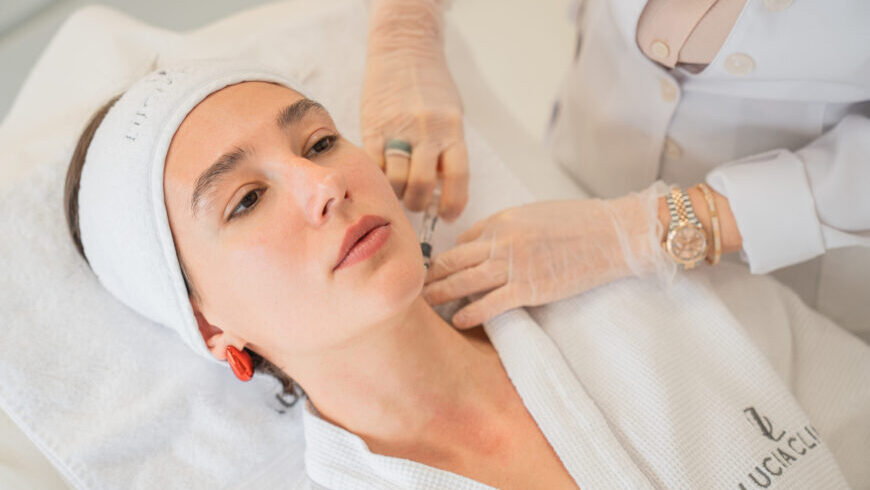
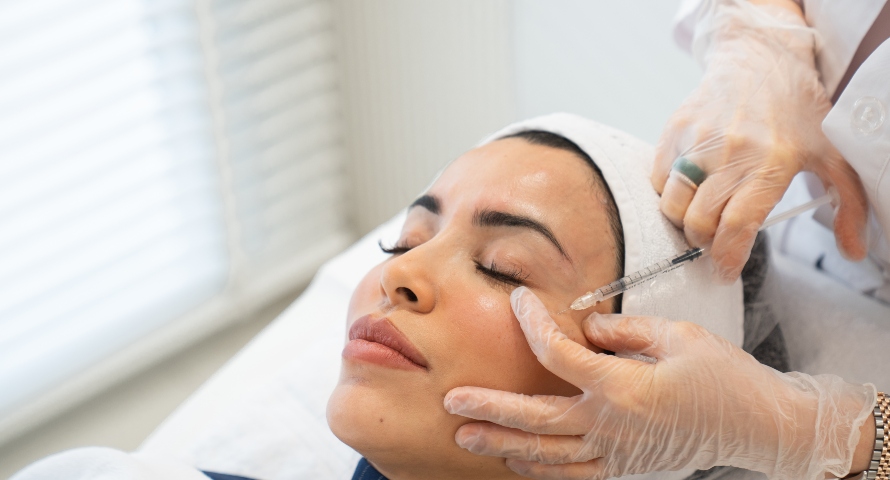
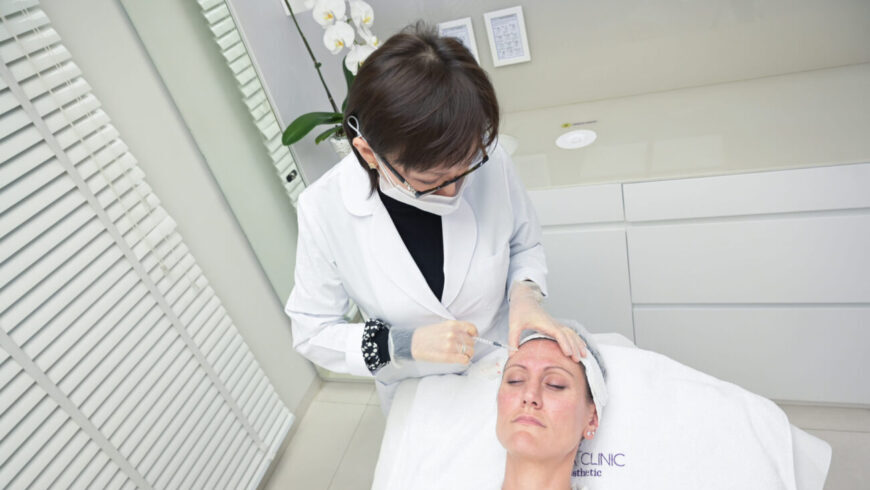
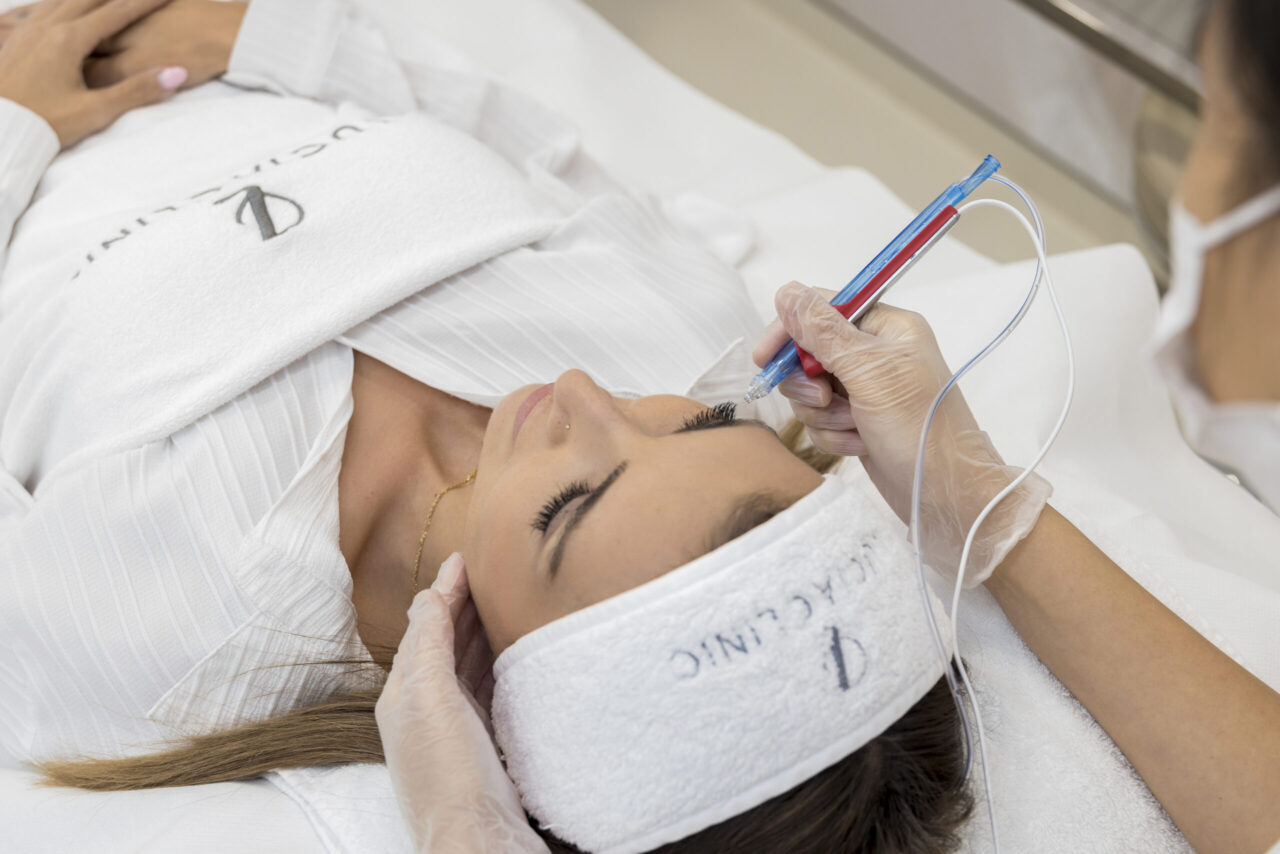
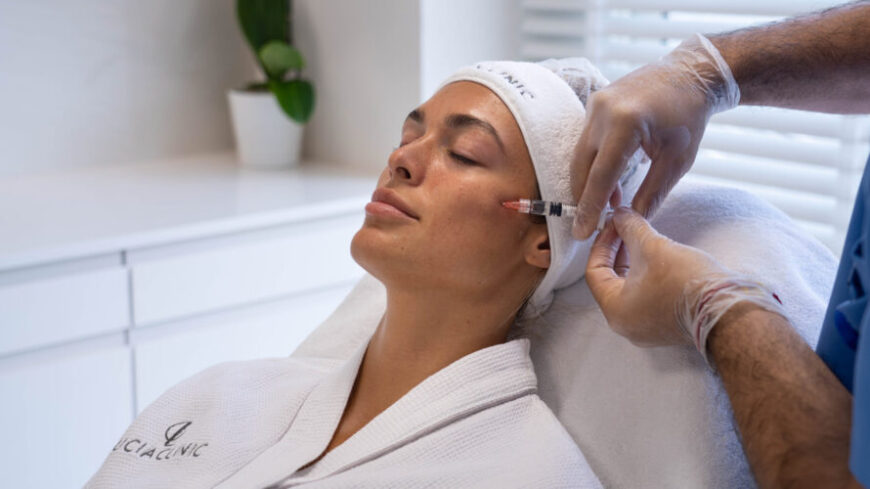
A silent skincare revolution is being witnessed in the world, which extends well beyond creams, serums, and facials. Cellular beauty for anti-aging treatments is transforming our concept of youth preservation by reaching down to the source of the issue, the regenerative cells of the skin. Innovative treatments at Lucia Clinic Dubai provide a new way of achieving smooth, firm, and glowing skin. These therapies do not simply conceal the signs of aging, but rather stimulate the body’s process of repairing and renewing itself. With the increasing popularity of regenerative aesthetics, more people are learning that this is the future of effective, natural-looking rejuvenation.
What Is Cellular Beauty?
Cellular beauty for anti-aging is a sophisticatedapproach to skincare that focuses on repairing and revitalizing the skin from within. These treatments do not concentrate on the surface only. They work at the cellular level, where true regeneration begins.
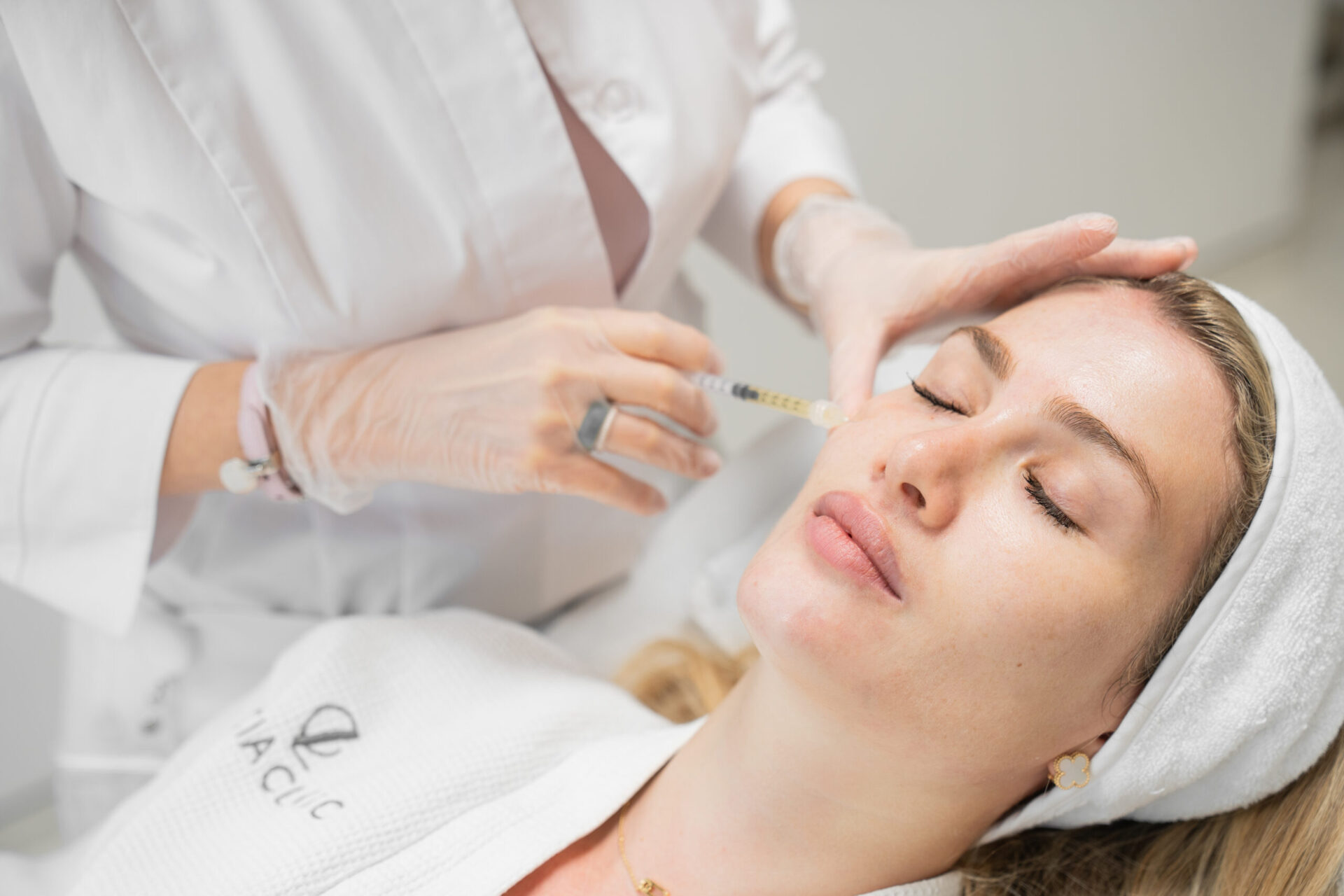
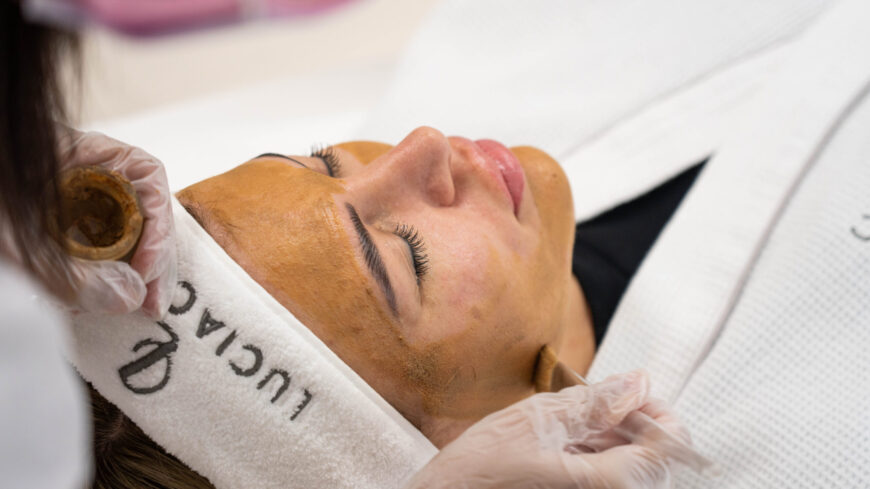
This strategy is based on cell-based skin renewal. Cellular beauty enhances communication between skin cells through biological messengers such as exosomes and biosomes, helping them function more efficiently and youthfully. Therapies such as exosomes treatment Dubai harness these powerful regenerative messengers to boost skin repair and improve overall vitality.
Key cellular beauty treatments include:
Exosomes treatment: Derived from stem cells, exosomes are microscopic vesicles loaded with growth factors and peptides that stimulate repair, boost collagen, and calm inflammation.
Biosome Brightening: This advanced therapy enhances cell metabolism and radiance by improving nutrient delivery and reducing pigmentation irregularities.
MetaCelltreatment: A specialized protocol designed to enhance cellular renewal, hydration, and elasticity while promoting balanced skin tone.
Unlike traditional skincare, which focuses on hydration or exfoliation at the surface, cellular beauty for anti-aging works as a messenger system, restoringthe skin’s vitality and structure from within.
Why Cellular Beauty Works for Anti-Aging
Aging naturally slows down the skin’s renewal process. Regeneration is promoted by cellular beauty for anti-aging treatments, which deliver bioactivemolecules that activate fibroblasts — the cells responsible for producing collagen and elastin. The result is skin that looks plumper, smoother, and firmer.
The pillars of the skin are collagen and elastin. Exosomes and biosomes deliver growth factors that encourage the production of new collagen and strengthen the dermal layers. With time, fine lines soften, and overall skin resilience improves.
By mimicking the body’s own regenerativesignals, cellular beauty for anti-aging helps repair micro-damage caused by sun exposure, pollution, and aging. This results in faster recovery, better texture, and long-term improvement in overall skin quality.
Targeted Anti-Aging Benefits:
Reduction in fine lines and wrinkles
Enhanced smoothness and firmness
Balanced tone and refined pores
Increased hydration and a youthful glow
Backed by Science
Cellular beauty draws on breakthroughs in regenerativemedicine, which explores how cells and tissues can be repaired or renewed. Clinical research shows that exosome and biosome-based therapies can significantlyimprove signs of aging, support wound healing, and enhance overall vitality. Many dermatology practices, including Dubai’s top aesthetic clinics, now include cellular beauty for anti-aging as a core part of advanced skin rejuvenation.
Who Benefits Most From Cellular Beauty Treatments
Cellular beauty for anti-aging delivers noticeable results across different age groups and skin types. It’s especially effective for:
Men and women in their 30s–50s
People with skin damage
Patients seeking natural results
Individuals focused on long-term skin health
Men and women in their 30s–50s often look for both prevention and correction. Early fine lines, sun exposure, and mild skin laxity respond especially well to exosomes treatment and Meta Cell treatment Dubai. Stimulating collagen production and improving cellular turnover early helps slow visible signs of aging before they become more advanced.
People with skin damage such as pigmentation, acne scars, or uneven tone benefit from Biosome Brightening, which restores balance and radiance without harsh resurfacing or irritation.
Patients seeking natural results appreciate that cellular beauty for anti-aging enhances appearance gradually. These treatments promote subtle, natural changes that develop over several weeks, improving tone and texture while keeping the skin’s authentic glow.
Individuals focused on long-term skin health value the lasting effects of continuous cell regeneration. Cellular beauty for anti-aging supports preventive care, preserves elasticity, and maintains firmness and luminosity well into the future.
How Cellular Beauty Compares to Other Anti-Aging Options
Compared to traditional facials or topical creams, cellular beauty for anti-aging delivers deeper rejuvenation and measurable improvements in tone and structure. It also differs from injectables by using biological communication rather than fillers or neurotoxins, leading to more natural and harmonious results.
Advantages include:
Non-invasive or minimally invasive
Little to no downtime
Compatible with other treatments such as microneedling or light therapy
Builds natural results progressively
While creams nourish the surface and injectables add volume, cellular beauty for anti-aging enhances the skin’s foundational health, making all other skincare efforts more effective.
Get the right cellular treatment for anti-aging.
Considerations Before Starting
Before beginning a cellular beauty program, it’s important to schedule a professional consultation with an experienced clinic such as Lucia Clinic Dubai. A skincare expert can evaluate your skin condition, determine the most suitable treatment combination, and create a personalized plan.
Frequency and Duration:
Most protocols include 3–6 sessions, spaced several weeks apart.
Maintenancetreatments are recommended every few months to sustain results.
Safety and Expectations
Exosomes and biosome treatments are generally well-tolerated, with minimalrisk of irritation or downtime. Patients typically experience mild redness for a short time, followed by a noticeableglow and smoothertexture in the days that follow.
Because these therapies rely on the body’s natural regenerative capacity, results develop gradually — peaking several weeks after treatment and improving with continued sessions.
The Future of Anti-Aging Lies in Cellular Beauty
Cellular beauty for anti-aging marks a new era in skincare — one that harnesses the body’s innate ability to healandrejuvenate. By focusing on regeneration at the cellular level, these treatments are redefining what it means to age gracefully. Whether your goal is prevention, repair, or long-term skin health, these science-backed therapies offer a natural and sustainable way to restore youthful vitality. If you’re seeking visible improvements without drastic measures, exploring the world of cellular beauty for anti-aging at Lucia Clinic Dubai could be your next step toward truly radiant skin.
Many people hesitate before considering a facelift because they fear results that look tight, exaggerated, or clearly surgical. Patients usually want to look refreshed, not completely different. That concern has shaped modern aesthetic surgery in an important way. Surgeons now focus on subtle rejuvenation rather than dramatic change. This shift also explains why discussions about why some facelift results look more natural than others have become more common among patients researching facial procedures. A successful facelift restores facial balance across the cheeks, jawline, and neck instead of forcing the face into an unnatural shape. The goal is improvement that still feels authentic to the patient. Clinics that prioritize careful planning, such as Lucia Clinic Dubai, focus on this balanced approach to help patients achieve refined and believable outcomes!
Understanding Natural-Looking Facial Rejuvenation
Natural-looking facial rejuvenation focuses on improvement that feels believable and balanced. A well-executed face lift surgery Dubai doctors do should help a person look rested and healthier without drawing attention to the surgery itself. Friends may notice that the face appears brighter or more defined, yet they cannot identify a specific procedure. This type of result reflects careful planning and controlled correction rather than aggressive lifting. Surgeons aim to soften sagging along the jawline, refine the cheeks, and support the neck while preserving the patient’s recognizable features.
Maintaining facial identity plays an important role in natural outcomes. The face should still move comfortably when a person smiles, speaks, or reacts. Expressions must remain familiar because they shape how others recognize the individual. Skilled surgeons focus on subtle improvements that align with the patient’s existing structure instead of forcing dramatic change. Small adjustments often produce the most convincing rejuvenation. When improvements blend with the patient’s natural contours and expressions, the face appears refreshed rather than surgically altered.
Why Some Facelift Results Look Artificial?
Artificial facelift outcomes usually result from choices that ignore how the face actually ages. One common problem involves excessive skin tightening. When surgeons pull the skin too strongly, the face can appear stretched and unnatural. The cheeks may look flat, while the mouth area may appear tense. This approach removes natural softness and often creates a stiff expression.
Surgical technique also plays a major role. Poor incision placement, uneven lifting, or weak planning can distort facial balance. Even small technical errors can affect symmetry and natural movement.
Another major issue appears when surgery focuses only on the surface. Aging affects deeper facial layers, including fat pads and connective structures that support facial shape. If a procedure ignores these deeper layers, tightening the skin alone cannot restore natural contours. The result may look pulled rather than refreshed. These differences explain why some facelift results look more natural than others. Surgeons who correct bigger structural changes usually create results that appear smoother, balanced, and more believable.
At Lucia Clinic, we focus on natural results.
The Role of Modern Surgical Techniques
Modern facelift surgery, which is one of the most popular facial surgery procedures in Dubai, focuses on deeper facial support instead of relying only on skin tightening. Aging affects the layers beneath the skin, including fat pads and connective tissue that shape the cheeks and jawline. When these deeper structures descend over time, the face can lose definition and balance.
Modern surgical methods address this issue by lifting and repositioning the deeper facial layers rather than simply pulling the skin upward. This approach helps restore natural facial contours while avoiding the tight or stretched appearance associated with older techniques. When surgeons adjust underlying structures, the skin can settle smoothly over the repositioned foundation.
As a result, the cheeks regain soft volume, the jawline appears more defined, and the lower face looks naturally supported. This method also allows the face to move more comfortably during everyday expressions. Because the correction occurs beneath the surface, the improvement often appears subtle yet effective. The face looks refreshed and balanced rather than dramatically altered.
Preserving Natural Facial Movement
Natural facelift results depend on more than improved contour. They also depend on how the face moves after surgery. A refreshed face should still smile, react, and speak in a way that feels familiar. That is why preserving facial movement remains such an important part of modern facelift planning. Surgeons must avoid excessive tension because tight skin can limit expression and create a stiff appearance. Instead, they focus on supporting the deeper tissues while allowing the surface to rest smoothly and naturally. This approach helps the cheeks, mouth, and jawline move in harmony during daily expressions. It also reduces the risk of a pulled or frozen look that often makes surgery obvious. Patients at Lucia Clinic often ask why some facelift results look more natural than others, and facial movement is a major reason. When the face keeps its normal dynamics, the result looks softer, more relaxed, and far more believable.
Facial Harmony and Proportion
Facial harmony and proportion shape how natural a facelift looks after healing. Even technically strong surgery can seem off if one area improves while the rest of the face does not match.
Treating the Face as a Whole
A natural facelift requires attention to the entire face rather than focusing on a single area. The cheeks, jawline, and neck work together to shape overall facial balance. When aging affects these areas, changes rarely occur in isolation. Sagging in the cheeks can soften the jawline, while neck laxity can reduce definition along the lower face. If surgery corrects only one region, the result may look uneven or incomplete. Skilled surgeons at Lucia Clinic study how these areas interact before planning treatment. They aim to restore harmony across the lower face instead of isolating one feature. This approach allows improvements to appear balanced and consistent. When the cheeks, jawline, and neck improve together, the face often looks refreshed and naturally proportioned.
Customizing Surgery to Individual Features
Every face ages in a different way, so facelift surgery must reflect the patient’s unique features. Age, skin quality, and bone structure all influence how the face changes over time. Some patients develop sagging in the jawline first, while others notice volume loss in the cheeks or looseness in the neck. Because of these differences, surgeons must evaluate the entire facial structure before recommending treatment. Personalized planning helps determine the right level of lifting and support for each area. Skin thickness, elasticity, and underlying bone shape also affect how tissues respond during surgery. When surgeons adapt the procedure to these factors, the final result tends to look more balanced and believable.
The Importance of Surgeon Experience
Surgeon experience often explains why some facelift results look more natural than others. A skilled surgeon understands how to improve facial definition with control, restraint, and respect for each patient’s natural structure.
Technical Precision
Technical precision plays a major role in achieving natural facelift results. Surgeons must reposition facial tissues with accuracy so the face maintains balanced contours. Each adjustment should support the cheeks, jawline, and neck without creating tension or distortion. Incision placement also requires careful planning. Well-positioned incisions allow scars to remain discreet while giving the surgeon proper access to deeper structures. In addition, strong knowledge of facial anatomy helps guide every step of the procedure. Surgeons who understand how muscles, fat layers, and connective tissue interact can restore support while protecting natural facial movement.
Artistic Judgment
Artistic judgment helps determine how much correction a face truly needs. A skilled surgeon studies facial balance before making adjustments. The goal involves improving contours without pushing the changes too far. Subtle lifting can refine the jawline and cheeks while preserving familiar facial character. Overcorrection, on the other hand, can create tension and make the result appear obvious. Surgeons with strong visual judgment know when small improvements create the best effect. They focus on harmony rather than dramatic alteration.
Complementary Treatments That Improve Results
Complementary treatments can support facelift results and improve overall facial quality. In many cases, combining surgical and non-surgical care helps create a more balanced and refined outcome.
Combining Facelift With Other Procedures
In many cases, surgeons combine a facelift with other procedures to improve overall facial balance. Aging often affects several areas at the same time, including the eyelids, jawline, and neck. If surgery corrects only one region, the result may appear incomplete. For example, eyelid surgery can help reduce heaviness around the eyes, while a neck lift in Dubai can improve definition beneath the jaw. These procedures support the facelift by addressing nearby areas that influence facial harmony.
Non-surgical facial treatments Dubai specialist recommend may also improve skin quality. Treatments that support skin texture, tone, and firmness can help the skin match the structural improvement created during surgery. When surgeons combine these approaches carefully, the final result often appears more balanced and natural.
Maintaining Results With Skin Care and Treatments
Long-term skin care helps preserve facelift results and supports a fresher appearance over time. Healthy skin keeps the face looking smoother, firmer, and more even after surgery. Daily sun protection, proper hydration, and medical-grade skin care products can help slow visible aging.
In addition, several professional treatments can support skin quality. Laser skin resurfacing can improve texture and fine lines, while chemical peels can brighten tone and refresh the surface. Microneedling Dubai doctors perform and radiofrequency skin tightening may also help support collagen production and firmness.
Facelift can be combined with other procedures.
Some patients also benefit from light neuromodulator treatments, such as botox Dubai doctors do to soften expression lines without changing facial movement. Regular follow-up visits help specialists adjust care as the skin changes. This kind of maintenance helps facelift results stay refined, balanced, and natural-looking for longer.
Patient Factors That Influence Results
Skin quality and elasticity strongly influence how a facelift result develops after surgery. Skin with good elasticity can adapt more smoothly to the repositioned facial structures. It settles evenly and supports refined contours along the cheeks, jawline, and neck. However, thinner or sun-damaged skin may respond differently. Reduced elasticity can limit how tightly the skin adjusts after lifting, which may affect the final appearance. Surgeons often evaluate skin thickness, hydration, and overall condition during consultation to plan the most suitable approach.
Realistic expectations also play an important role in patient satisfaction. A facelift can improve sagging, restore facial definition, and reduce deeper folds. However, it cannot completely stop aging or change every aspect of skin texture. Understanding these limits helps patients approach surgery with clear goals and appreciate the improvements achieved through careful surgical planning.
Proper Recovery and Aftercare
Recovery plays a major role in how facelift results develop. Patients must follow post-surgical guidance carefully to support proper healing. Surgeons usually provide instructions about rest, head elevation, medication, and activity limits during the first weeks after surgery. These steps help reduce swelling and protect the repositioned tissues. Unlike fillers Dubai patients may choose for quick volume correction with minimal downtime, facelift recovery requires more patience and closer aftercare. However, that extra healing period allows the deeper tissues to settle properly and support a more lasting result. When patients respect recovery guidelines, the face can heal in a smoother and more balanced way.
Patients should also attend follow-up appointments so the surgeon can monitor healing and address concerns early. Swelling and mild bruising are normal and take time to resolve. In many cases, the face continues to settle for several weeks as tissues adjust. Patience during this period is important because the final result becomes clearer once the swelling fully subsides.
Lucia Clinic’s Approach to Natural Facelift Results
Facelift is one of the most effective anti aging treatments at Lucia Clinic. Here, facelift planning begins with a detailed consultation and facial assessment. Surgeons study facial structure, skin quality, and the way different areas of the face interact. This evaluation helps them understand how aging has affected the cheeks, jawline, and neck. Instead of applying a standard surgical plan, the team develops a personalized approach for each patient.
The goal focuses on balanced and refined outcomes rather than dramatic alteration. Careful repositioning of facial structures allows the face to appear refreshed while maintaining natural expressions and identity. Surgeons also consider long-term facial harmony when planning treatment. They evaluate how improvements in one area will influence the overall appearance of the face over time. This thoughtful strategy helps ensure that results remain natural and consistent as the face continues to age. Through individualized planning and careful surgical technique, Lucia Clinic Dubai aims to create rejuvenation that feels subtle, elegant, and authentic.
Thoughtful Planning Makes All the Difference!
Natural facelift results do not happen by chance. They come from careful planning, surgical skill, and a treatment plan tailored to the patient’s facial structure. A successful procedure focuses on subtle rejuvenation rather than dramatic change. The goal is to restore balance across the cheeks, jawline, and neck while preserving the patient’s natural expressions and identity. These factors explain why some facelift results look more natural than others. Experience, technique, and thoughtful decision-making all influence the final outcome. Patients who choose an experienced surgeon and follow a personalized treatment plan often achieve results that look refreshed, balanced, and authentic while maintaining their unique appearance.
Aging changes every face in unique ways. Some people want a gentle refresh, while others hope for a more dramatic transformation. Facelift vs. non-surgical rejuvenation is a decision many consider when thinking about facial renewal. A facelift offers long-lasting results through surgery, while non-surgical options provide gradual improvements with less downtime. Both approaches can enhance confidence, but they work differently and suit different goals. Experts at Lucia Clinic can explain the differences, outline the benefits of each, and help you decide which path aligns best with your personal vision.
What Is a Surgical Facelift?
A surgical facelift is a cosmetic procedure designed to lift and tighten facial tissues. Surgeons reposition skin, fat, and muscles to restore a firmer and smoother appearance. This approach is most effective for signs of advanced aging that non-surgical methods cannot fully correct.
A facelift surgery in Dubai can address sagging skin, deep wrinkles, and jowls that develop with time. Patients often notice a sharper jawline, reduced folds around the mouth, and a refreshed overall look.
The main advantage of a facelift is its long-lasting, comprehensive results. Unlike temporary treatments, improvements can last for many years. However, it does come with trade-offs. Recovery takes time, and patients must prepare for swelling, bruising, and follow-up care. In addition, facelifts involve higher costs and carry the risks linked to surgery.
What Is Non-Surgical Rejuvenation?
Non-surgical rejuvenation refers to a group of treatments that improve facial appearance without surgery. These include dermal fillers,Botox Dubai, skin-tightening procedures, and advanced laser or energy-based devices. Each option works in a different way, but they share the same goal of refreshing the face with little to no recovery time.
These treatments are well-suited for people noticing early signs of aging. They can reduce fine lines, address mild sagging, restore volume, and improve skin texture. Many patients choose them as a first step before considering surgery, or as a way to maintain results after a facelift.
The main advantages of non-surgical rejuvenation are convenience and subtlety. Sessions are quicker, downtime is minimal, and costs are generally lower than surgery. Results look natural and can be adjusted over time to match evolving needs.
However, the improvements are temporary and require ongoing maintenance. For those looking for dramatic or long-term change, surgery may still be the stronger option. Non-surgical treatments work best for those seeking gradual, flexible enhancements with less disruption to daily life.
Comparing Results: Immediate vs. Long-Term
Facelifts deliver dramatic, structural changes that redefine the face. The results can last seven to ten years, making them a strong choice for those seeking long-lasting transformation. Patients often notice sharper contours, smoother skin, and a more youthful appearance that holds up over time.
Non-surgical rejuvenation, on the other hand, offers subtle and gradual improvements. Fillers restore volume, Botox softens lines, and skin-tightening treatments refresh texture. These results usually last from several months to a few years, depending on the procedure. While the impact is less dramatic than surgery, the natural progression appeals to many.
Maintenance plays a key role in non-surgical options. Regular touch-ups and combined treatments help preserve and extend results. This flexibility allows patients to adapt their plan as aging continues.
Factors to Consider When Choosing
Several factors influence the choice between a facelift and non-surgical rejuvenation, including:
Age and skin condition – Non-surgical treatments suit mild signs of aging, while advanced laxity often requires surgery.
Desired outcome – Choose non-surgical for a subtle refresh or facelift for a dramatic, long-lasting change.
Downtime tolerance – Surgery requires weeks of recovery, while non-surgical procedures usually involve only a few days.
Budget – A facelift is a larger, upfront investment, while non-surgical treatments spread costs out but require ongoing maintenance.
Medical suitability – Not everyone qualifies for surgery, making non-surgical approaches a safer alternative for some patients.
The Rise of Combination Approaches
Today, many patients find the best results come from combining surgical and non-surgical treatments. A facelift can restore structure and lift sagging skin, while fillers Dubai or laser treatments refine the details. This approach addresses both deep changes and surface-level concerns, creating a balanced outcome.
For example, a facelift may sharpen the jawline and tighten loose skin, but adding fillers can replace lost volume in the cheeks or lips. Laser or energy-based facial treatments Dubai experts do can then smooth texture and improve tone. Together, these methods deliver results that look natural and age gracefully.
Tailoring treatment plans in this way ensures long-lasting improvements. Surgeons and aesthetic specialists often design hybrid strategies that evolve over time, allowing patients to maintain their refreshed appearance with both structural correction and subtle touch-ups.
Why Professional Guidance Matters
Choosing between a facelift and non-surgical rejuvenation is not a one-size-fits-all decision. Consulting a qualified dermatologist or plastic surgeon ensures that your treatment plan matches your goals, age, and skin condition. Expert guidance helps set realistic expectations and reduces the risk of overtreatment or unnecessary procedures. Specialists take time to understand individual concerns and design bespoke plans that combine safety, precision, and artistry. This tailored approach ensures that results look natural and reflect each patient’s unique features.
Facelift vs. Non-Surgical Rejuvenation: Which One is Better?
Deciding between facelift vs. non-surgical rejuvenation depends on your goals, lifestyle, and stage of aging. A facelift delivers dramatic, long-lasting results, while non-surgical treatments offer gradual improvements with less recovery time. Both paths can restore confidence, but the right choice comes from professional guidance and a plan tailored to your needs. At Lucia Clinic, experts help you explore every option and create results that feel natural, balanced, and uniquely yours.
A Botox Brow Lift offers a refined way to open the eye area without surgery or downtime. This treatment relaxes specific muscles that pull the brows downward, allowing a gentle lift that looks polished and natural. Many clients choose it when they want brighter eyes and smoother forehead lines while keeping their expression intact. The key lies in precision and expert technique. At Lucia Clinic, experienced medical professionals assess your facial structure carefully before treatment. That evaluation ensures balanced results that complement your features rather than alter them. With the right approach, subtle changes can create a noticeable refresh!
What Is Botox Brow Lift?
A Botox brow lift is a non-surgical lift procedure that gently elevates the eyebrows using injectable botulinum toxin. Providers use it to soften a heavy or tired-looking upper face and create a cleaner brow shape. The goal is subtle change, not a dramatic “lifted” look. Instead, it gives a light, refreshed effect that can make the eye area appear more awake.
Doctors treat this as a precision service, since brow position influences facial expression. A good plan considers your natural brow line, your forehead shape, and how your features look at rest. The treatment focuses on refinement, so it suits people who want a polished improvement without downtime or a surgical plan.
Many clients choose a Botox brow lift when makeup no longer gives the same brow definition, or when the outer brow starts to sit lower than they prefer. It can also help create a softer transition between the brow and upper eyelid area. A qualified injector sets expectations clearly and aims for balance, symmetry, and a natural finish.
How the Treatment Works?
The treatment works through controlled relaxation of targeted facial muscles. Your forehead contains elevators that raise the brows and depressors that pull them downward. Over time, repeated expressions strengthen the depressor muscles, which can weigh down the outer brow. During a Botox brow lift, a medical injector identifies those specific depressor points, often around the glabella and lateral brow area. The provider then places small, calculated doses of botulinum toxin into those muscles. The product blocks nerve signals that trigger muscle contraction. As the downward pull decreases, the lifting muscles operate without opposition. This shift allows the brow to settle in a slightly higher position.
Precision remains essential throughout the process. The injector must balance muscle groups carefully to avoid flattening the brow or creating asymmetry. Dosage depends on muscle strength, facial structure, and aesthetic goals. Every injection point serves a purpose. The aim is controlled elevation with preserved expression. When performed correctly, the treatment refines brow contour while maintaining natural facial movement and proportion.
Considering a Botox brow lift? Discover if you’re the perfect candidate for this subtle yet powerful rejuvenation!
Ideal Candidates for Botox Brow Lift
Ideal candidates for a Botox brow lift, one of the most popular facial treatments Dubai dermatologists recommend, usually want a subtle, polished change around the eyes. Many fit the 30–50 age range, since early forehead lines and mild brow drop often start then. However, age alone does not decide candidacy. Skin quality matters, so candidates often have good elasticity and steady hydration habits. They also keep a consistent skincare routine, which supports a cleaner finish.
This treatment suits people who notice a heavy outer brow, mild asymmetry, or a tired look in photos. It also suits clients who want to soften forehead tension while keeping a natural expression. As a result, the eyes can look more open and rested. Candidates should feel comfortable with a modest lift, since Botox will not replace surgery for significant sagging.
Health Factors to Consider
You must meet certain health criteria before treatment. It’s important to disclose your complete medical history, including any medications or supplements you are taking. You may not qualify if you:
Are pregnant or breastfeeding
Have a neuromuscular disorder
Have an active skin infection in the treatment area
Have allergies to botulinum toxin ingredients
In addition, you should avoid blood-thinning medications before injections, unless your doctor advises otherwise. These medications increase the risk of bruising. A full consultation ensures safety. You should never treat Botox as a casual beauty step. It remains a medical procedure that requires expertise.
What to Expect During the Appointment?
Your appointment begins with a focused consultation. The injector reviews your medical history, current medications, and aesthetic goals. You will discuss brow shape, symmetry, and the degree of lift you want. The provider will then examine your facial movements. They may ask you to frown, raise your brows, and relax your forehead. This step helps identify muscle strength and placement points. Next comes preparation and treatment. The process remains direct and structured:
The provider cleans the forehead and brow area thoroughly.
They mark precise injection points based on your muscle pattern.
They use a fine needle to place small, controlled amounts of product.
They monitor symmetry and adjust placement if needed.
They review aftercare instructions before you leave.
The botox treatment in Dubai takes only a few minutes. You may feel brief pressure or a light pinch. Redness or slight swelling can appear at injection sites, though it usually settles quickly. Before you leave, the provider explains what changes to expect and when to schedule a follow-up if needed.
Recovery and Downtime
Recovery after a Botox brow lift remains simple and manageable. You can leave the clinic immediately after treatment and continue with your day, although you should follow a few precautions. Keep your head upright for several hours and avoid touching or massaging the treated area. This step helps the product settle exactly where your provider placed it. In addition, postpone intense workouts, saunas, or heavy sweating for at least 24 hours. These activities can increase circulation and affect placement.
You may notice mild redness, small bumps, or light swelling at injection sites. These effects usually fade within hours. Occasionally, minor bruising can appear, especially if you take blood-thinning supplements. Most people find the recovery comfortable and discreet. If you have an important event, plan your appointment at least one to two weeks in advance. That timing allows full results to develop and any minor swelling to resolve fully.
How Long Do Results Last?
The results of a Botox brow lift typically last around three to four months, although this range can vary from person to person. Muscle strength plays a major role. People with stronger forehead movement may notice that the effect softens slightly sooner. On the other hand, those with milder muscle activity often enjoy longer-lasting elevation. Metabolism also influences duration, since the body gradually breaks down the product over time.
Consistency can make a difference as well. When clients maintain regular appointments, the treated muscles may weaken slightly, which can help preserve the lifted look longer between sessions. However, results always fade gradually rather than disappearing overnight. You will notice subtle movement returning first, followed by a gentle lowering of the brow. A skilled injector will recommend an appropriate maintenance schedule based on your response pattern and aesthetic goals, so your appearance remains balanced and controlled throughout the year.
Alternatives to Botox Brow Lift
Several alternatives exist for those who need more than a subtle injectable lift.
Dermal Fillers
Dermal fillers restore volume in areas that influence brow position, such as the temples and upper cheeks. Skilled placement can provide subtle structural support that makes the brow appear slightly elevated. Dermal Fillers Dubai experts recommend also soften hollow areas that create a tired look. Results appear immediately and vary in longevity based on product type and individual metabolism.
Laser Treatment
It is also worth mentioning thatlaser treatment, such as Fraxel, Alma Hybrid, MOXI, and Clear&Brilliant, improves skin firmness and texture. These devices deliver controlled energy into the skin to stimulate collagen production. As collagen rebuilds, the skin tightens gradually, and fine lines soften. Several sessions may enhance the outcome, depending on skin condition and treatment goals.
Radiofrequency Skin Tightening
Radiofrequency procedures, including Thermage, SOFWAVE, and ULTHERAPY Dubai experts do, target deeper skin layers with focused heat energy. This process stimulates collagen and supports gradual tightening. Over time, improved firmness can create a subtle lifting effect in the upper face. These treatments suit individuals with mild skin laxity who prefer non-surgical options.
To maintain the results of a Botox brow lift, adopting a healthy lifestyle is crucial.
Chemical Peels
Chemical peels resurface the outer layer of skin to improve tone and smoothness. They remove damaged surface cells and encourage new skin renewal. This process reduces fine lines and uneven texture. Chemical Peels range in strength, so providers select formulas based on skin type and desired correction. Recovery varies with peel intensity.
Microneedling
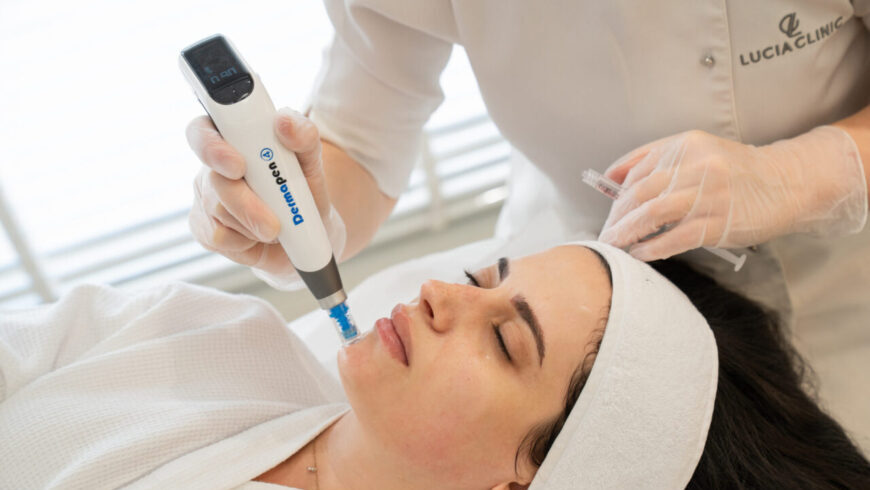
Microneedling uses fine needles to create controlled micro-injuries in the skin. These tiny channels trigger collagen production and improve firmness over time. As the skin rebuilds, texture becomes smoother and fine lines soften. Providers may combine microneedling Dubai specialists do with serums to enhance absorption and support overall skin quality.
Choosing the Right Clinic
Choosing the right clinic plays a major role in the outcome of a Botox brow lift. Skill, experience, and judgment determine whether the result looks balanced or overdone. Therefore, you should research the medical background of the injector, not just the brand name of the product. Look for licensed medical professionals who understand facial anatomy in depth. A qualified provider studies muscle patterns, brow symmetry, and facial proportions before recommending treatment.
Also, review before-and-after photos from real patients. These images show how the clinic approaches subtle lifting and natural expression. Consistency across results often signals technical control. During consultation, notice how the provider communicates. They should explain realistic expectations clearly and answer your questions without rushing. Clean facilities, transparent pricing, and structured follow-up policies also reflect professionalism.
At Lucia Clinic, our experienced injectors evaluate each case carefully before proceeding. They focus on precision and measured dosing rather than aggressive correction. This level of attention protects your appearance and your safety. A reputable clinic values long-term relationships over quick procedures, which ultimately supports refined and dependable results!
Is a Botox Brow Lift the Right Choice for You?
A Botox brow lift offers a subtle way to refine the upper face and restore a more open, rested appearance. However, the best results depend on proper evaluation, skilled technique, and realistic expectations. The right candidate values balance over dramatic change and understands that small adjustments can create meaningful improvement. Before deciding, schedule a detailed consultation with an experienced provider. A thorough assessment of your anatomy, skin quality, and goals ensures that the treatment aligns with your features. At Lucia Clinic, specialists focus on precision, safety, and natural expression. With expert planning and careful execution, a Botox brow lift can enhance your look while preserving what makes your face uniquely yours.
When it comes to aesthetic treatments, timing and preparation make all the difference. Procedures like Botox, dermal fillers, and skin boosters are designed to rejuvenate and enhance, but their results depend heavily on the condition of the skin at the time of treatment. Just as an artist works best on a smooth, clean canvas, cosmetic practitioners achieve optimal results when the skin is properly prepped. This is where JetPeel enters the picture. Gentle, non-invasive, and entirely needle-free, JetPeel is a revolutionary treatment that primes the skin for injectables. By deeply cleansing, exfoliating, and infusing the skin with active ingredients, JetPeel prepares your skin for injectable treatments to have smoother, longer-lasting, and more natural-looking results. At Lucia Clinic, JetPeel has become an essential part of many patients’ pre-treatment protocols, especially for those seeking the best outcomes with injectables in Dubai.
What Is JetPeel and How Does It Work?
JetPeel is often described as the future of facial treatments, and for good reason. Instead of relying on abrasive tools or invasive methods, JetPeel uses high-velocity streams of air and a carefully selected solution to treat the skin. The technology propels micro-droplets at subsonic speeds, allowing the solution to penetrate deeply without causing any damage to the surface.
A typical JetPeel session involves three main steps, each carefully designed to prepare the skin for maximum benefit:
Exfoliation: The treatment begins by directing a jet stream across the surface of the skin. This process dislodges dead skin cells, excess oil, and surface debris that can create a dull complexion. JetPeel doesn’t rely on harsh scrubbing or abrasive particles, so even sensitive skin feels comfortable throughout. Patients often notice their skin looks instantly fresher and smoother after this first step.
Deep Cleansing: Once the surface is clear, the jet stream penetrates more deeply, flushing out pores and removing traces of makeup, pollution, and impurities that regular cleansing might leave behind. This step creates a purified, balanced foundation that helps prevent post-treatment irritation and allows subsequent skincare or injectables to work more effectively.
Infusion of Active Ingredients: Finally, the JetPeel delivers a customized blend of nutrients directly into the skin. Depending on individual needs, this may include hyaluronic acid for hydration, vitamins for nourishment, peptides to support collagen, or antioxidants to protect against free radicals. Because the solution is delivered at high velocity, it bypasses the outer barrier of the skin and penetrates deeply, without the use of needles, ensuring optimal absorption and long-lasting benefits.
The entire process is painless, completely needle-free, and suitable even for sensitive skin types.
Benefits of JetPeel Before Injectable Treatments
Let’s see how JetPeel prepares your skin for injectable treatments:
a. Deep Cleansing and Exfoliation
For injectables to work their best, the skin must be free of barriers. JetPeel removes impurities and sloughs off dead cells, ensuring that the practitioner has a smooth, refined canvas for treatment. This preparation enables the precise placement of products such as fillers Dubai experts recommend, maximizing their effectiveness.
b. Enhanced Skin Hydration
Hydration is one of the most critical factors in skin health. By infusing hyaluronic acid, vitamins, or antioxidants, JetPeel ensures that the skin is deeply nourished and supple. Well-hydrated skin not only looks better but also responds more positively to injectables, resulting in a fresher and more youthful look.
c. Improved Circulation and Oxygenation
The high-velocity jet streams used during JetPeel stimulate microcirculation, which boosts oxygen delivery to the skin cells. This improved vitality helps the skin absorb injectable products more efficiently and recover faster post-treatment.
d. Minimizing Post-Treatment Irritation
Patients sometimes experience redness or swelling after injectables. By conditioning the skin beforehand, JetPeel reduces the likelihood and severity of these side effects. Pre-hydrated, balanced skin is less prone to irritation, meaning recovery feels smoother and more comfortable.
Why Professionals Recommend JetPeel Before Injectables
Experienced practitioners often emphasize that preparation is half the treatment. JetPeel creates a cleaner, healthier environment for injectables, allowing injectables in Dubai to be placed with greater accuracy. This precision enhances the natural look of the results and helps them last longer.
Another major advantage is customization. JetPeel treatments can be tailored to suit different skin types and concerns, whether that’s dryness, sensitivity, or early signs of aging. By personalizing the infusion step, professionals ensure that each patient’s skin receives exactly what it needs before moving on to injectables.
When to Schedule JetPeel Before Injectables
The timing of JetPeel before injectable treatments is key. In many cases, it can be performed on the same day as injectables, giving the skin an instant boost in hydration and readiness. For more intensive protocols, some practitioners may recommend scheduling JetPeel a few days prior, allowing the skin to fully absorb the infused ingredients before injectables are administered.
Since every patient’s skin is unique, a professional assessment is essential. At Lucia Clinic, patients receive tailored advice from JetPeel Dubai experts on when and how to integrate this safe procedure into their overall treatment plan for the best results.
Combining JetPeel with Other Pre-Treatment Protocols
While JetPeel is powerful on its own, it can also be combined with other gentle treatments to further enhance preparation. For example:
Gentle chemical peels may be used to refine texture and brighten skin tone.
LED light therapy can calm inflammation and promote healing.
These protocols, when used together, build a strong foundation for injectables. Additionally, consistent skincare before and after procedures plays an important role in maintaining results.
High-quality cleansers, moisturizers, and SPF protection ensure that the skin remains healthy, resilient, and receptive to treatments.
Skin is prepared for injectables after jetpeel.
The Foundation for Flawless Injectable Results
Injectables have the power to rejuvenate, smooth, and restore, but their success depends on the quality of the skin beneath them. JetPeel prepares your skin for injectable treatments, ensuring skin is clean, hydrated, oxygenated, and ready to respond beautifully to treatment. Whether you’re considering Botox, dermal fillers, or skin boosters, adding JetPeel to your pre-treatment protocol can make a visible difference in both the results and the recovery process. Ready to experience it yourself? Book your JetPeel session at Lucia Clinic before your next injectable treatment, and discover how much smoother, fresher, and longer-lasting your results can be.
Treating delicate areas, such as the neck or under-eyes, can be challenging. These zones are sensitive, have thin skin, and show signs of aging way before other parts of the face do. Traditional fillers can sometimes make things worse—especially under the eyes—by causing puffiness or that “overdone” look. But that’s where polynucleotides for eye bags and neck wrinkles come in. These treatments, made from naturally derived DNA fragments, work beneath the surface to support deep skin repair, hydration, and regeneration. Learn how polynucleotides work, what makes them great for these sensitive zones, key tips for better results, and what to expect during your treatment at Lucia Clinic Dubai.
Why Polynucleotides Work for Eye Bags and Neck Wrinkles
The skin under your eyes and around your neck is naturally thinner and contains fewer oil glands than the rest of your face. And as you age, this skin becomes even more delicate, and the supporting tissues begin to weaken, leading to sagging and the appearance of fine lines.
The good thing is–you can get rid of the signs of aging with polynucleotides treatment injections. Unlike fillers, which simply add volume to mask the issue, polynucleotides work on a cellular level. They stimulate collagen production, boost skin elasticity, and support natural cell repair, leading to a smoother skin texture and tone. This makes the injections particularly effective for the under-eye and neck skin, where traditional filters often fall short.
Some of the key benefits of polynucleotide treatment include:
Smoother skin texture: As the injections boost collagen, the skin becomes firmer and more refined, with fewer fine lines.
Reduced puffiness and dark circles: Polynucleotides improve microcirculation and reduce fluid buildup, which can help minimize puffiness and dark shadows over time.
Tightened neck skin: If you’re noticing early signs of jowling, polynucleotides can help firm and tone that area. The injections can complement other procedures, like neck tightening treatment Dubai, for enhanced results.
Hydration and glow: While hyaluronic acid mainly hydrates the surface, polynucleotides go deeper, supporting moisture retention deep within the dermis.
Safe for sensitive skin: Since polynucleotides are made of materials that are already found in the body, these treatments are generally well-tolerated even in delicate zones.
What to Expect from the Treatment
The procedure is performed by trained aesthetic doctors, who apply polynucleotides to your skin using ultra-fine needles or microinjections. Each session takes around 30 minutes and involves minimal discomfort–similar to tiny pinches.
Here’s a breakdown of what else you can expect from the treatment:
Downtime: Minimal. There might be mild swelling or redness, mainly around the eyes, but that fades within 24–48 hours.
Sessions: For most clients, the typical regimen consists of 2–3 sessions, spaced 2–4 weeks apart.
Results timeline: Improvements usually begin to show after the second or third session, and optimal results can be expected 2–3 months following the final treatment.
Longevity: The effects can last up to a year, with biannual maintenance sessions to sustain skin vitality. If combined with other types of wrinkles treatment in Dubai, you can expect the effects to last even longer than that.
Tips for Better Results
While polynucleotides do their job behind the scenes, you can implement a few other things to achieve even better results.
First, it’s important to choose a licensed professional who specializes in injectable skin boosters. These treatments require a good understanding of facial anatomy to ensure safe and effective injections. A specialist can also customize the treatment to fit your skin and goals, adjusting techniques and doses to achieve the best results.
After the session, following up with proper aftercare is essential. This means avoiding touching or rubbing the treated area, staying away from the sun, and avoiding putting on makeup for at least 24 hours. While your skin is healing, opt for gentle, hydrating skincare products that support regeneration.
You can further prolong the outcome of polynucleotide treatment through a supportive skincare routine. Incorporate broad-spectrum SPF, antioxidants, and light exfoliators into your skin regimen to extend the treatment benefits.
Finally, consider combining polynucleotides with other skin treatments like microneedling or PRP treatment in Dubai to further boost your skin tone and texture.
Polynucleotides are right for all skin types.
Who Should Consider Polynucleotides for These Areas
Polynucleotides for eye bags and neck wrinkles are ideal for anyone who wants to improve how their skin looks in these delicate areas. More precisely, this treatment is aimed at:
Adults experiencing early signs of aging (fine lines, sagging, dehydration, dullness)
Anyone wanting a natural way to refresh their skin without adding volume
People aiming to reduce acne scars and even out their skin tone
Those with sensitive or sun-damaged skin looking to help repair and restore it
Oily, dry, or combination–polynucleotides treatments are safe for all skin types. That said, they’re not advised during pregnancy or while breastfeeding. Furthermore, because they’re made from fish DNA, these injections aren’t suitable for anyone with fish or seafood allergies.
Your First Step Toward Smoother, Firmer Skin
If you’re noticing early wrinkles, dry patches, or sagging skin, polynucleotide treatments might be just what you need. Stimulating the skin from inside, these polynucleotides help improve texture, reduce puffiness, and boost elasticity—all that without the heavy or overly filled look that sometimes comes with traditional fillers. At Lucia Clinic Dubai, we combine expert care with the latest techniques to make sure you get safe, natural-looking results. Whether you’re looking to brighten tired eyes or firm up your neckline, polynucleotides for eye bags and neck wrinkles can be a great solution. Book a consultation with one of our aesthetic specialists—we’ll help you find the right treatment for your skin.
Many people feel excited about facelift surgery, yet recovery remains one of their biggest concerns. Patients often ask how long swelling lasts and when normal activities can resume. Understanding the facelift recovery timeline helps patients prepare mentally and physically before surgery. Clear expectations reduce anxiety and allow people to plan their schedule more effectively. Each stage of healing follows a predictable pattern, with noticeable improvement week after week. Modern surgical methods also focus on refined results with a recovery process that most patients manage comfortably. At Lucia Clinic Dubai, specialists guide patients through every step of recovery and explain what to expect during the healing period. Proper preparation and expert care make the recovery journey far more manageable!
Why Recovery Is Different for Every Patient?
Recovery after facelift surgery Dubai specialists recommend does not follow the exact same path for every patient. Several factors influence how quickly the face heals and how visible swelling remains during the first weeks. Age often affects the healing speed. Younger skin usually maintains stronger elasticity and adapts faster after surgical repositioning.
Skin quality also plays an important role. Healthy, well-hydrated skin often recovers more efficiently and shows smoother contour changes during healing. The type of procedure also affects recovery. A neck lift surgery or a mini facelift usually involves smaller incisions and less tissue adjustment. Therefore, swelling may resolve sooner than after a full facelift, which treats deeper facial structures.
Additional procedures may also influence the timeline. Some patients combine facelift surgery with a neck lift, eyelid surgery or botox Dubai doctors do to improve overall facial harmony. These procedures can extend the healing period slightly. Overall health also affects recovery. Strong circulation, balanced nutrition, and good rest help the body repair tissue and reduce swelling more efficiently.
With Lucia Clinic’s experts, you’ll know what to expect from facelift recovery week by week.
What Happens During the Healing Process?
The body begins the healing process immediately after facelift surgery. Swelling and bruising appear as normal responses to surgical changes in facial tissues. At the same time, fluid collects in treated areas as the body protects and repairs the surgical site.
Beneath the surface, deeper tissues start adjusting to their new position. Surgeons lift and secure facial structures during a facelift, and the surrounding skin gradually adapts to these changes. The body also increases collagen production during healing. Collagen supports skin structure and helps maintain firmness as tissues settle. Over the following weeks, swelling decreases and contours become clearer. Patience plays a key role during this stage.
The First 24–48 Hours After Surgery
The first 24–48 hours after facelift surgery focus on rest and careful monitoring. Medical staff observe patients during the initial recovery period to ensure stable vital signs and comfort. During this time, many patients notice mild discomfort and a feeling of tightness around the face and neck.
Pain usually remains manageable with prescribed medication. Surgeons often place bandages or compression garments around the treated areas. These coverings support the skin, reduce swelling, and help maintain proper contour during early healing.
What Patients Typically Notice?
During the first two days after surgery, patients usually begin to notice swelling and bruising around the treated areas. Bruising may start as darker shades under the skin and gradually shift to lighter tones over time.
Many patients also feel tightness in the face and neck. This sensation occurs because the skin and deeper tissues adjust after repositioning. Limited facial movement may also appear during this stage. Smiling, chewing, or speaking may feel slightly restricted at first. These sensations remain temporary and improve gradually as swelling decreases and healing continues during the first week.
Key Recovery Tips
Proper care during the first days of recovery helps reduce swelling and support healing. Patients should rest with their head elevated while sleeping or lying down. This position helps fluid drain away from the face and reduces pressure on healing tissues.
Sudden head movements should be avoided because they may increase swelling or discomfort. Patients should also follow their surgeon’s instructions carefully. These guidelines usually include medication schedules, wound care, and activity restrictions. Careful attention to these instructions supports steady recovery from any of the facial treatments Dubai doctors perform and helps prevent unnecessary irritation in the treated areas.
Days 3–7: The First Week of Healing
Days three through seven represent an important stage in the facelift recovery timeline.
Physical Changes During the First Week
During this period, physical changes become more noticeable as the body continues healing. Swelling usually reaches its highest point around days three or four.
Bruising may also become more visible during this stage. However, the color often stabilizes and slowly fades as the body clears the trapped blood beneath the skin. Some patients also experience mild numbness or tingling around the ears, cheeks, or jawline. Although these symptoms may feel unusual at first, they typically improve steadily as healing continues during the first week.
Activities During Week One
During the first week after surgery, patients should focus on gentle recovery and steady healing. Doctors often encourage light walking around the home. Short walks support healthy blood circulation and help reduce stiffness after surgery.
However, physical activity must remain minimal during this stage. Patients should avoid movements that strain the face or neck. Calm routines support better healing during this period. Many people spend the week resting, staying hydrated, and following a simple daily routine.
Follow-Up Appointments
Follow-up appointments play an important role during the first week after facelift surgery. Surgeons schedule early checkups to review healing progress and confirm that recovery develops as expected. During this visit, the doctor examines the incision sites and checks swelling levels. Patients can also discuss any discomfort or unusual symptoms with their surgeon. In some cases, stitches or surgical dressings are removed during this appointment.
The timing depends on the surgical technique used during the procedure. These visits also allow doctors to review care instructions for the next stage of recovery. Regular follow-ups provide reassurance and help patients continue healing with confidence.
Week 2: Visible Improvement Begins
Week two marks an encouraging stage in the facelift recovery timeline. Patients often notice a clear improvement as swelling begins to decrease steadily. The face usually looks less full compared to the first week. Bruising also fades during this stage, shifting into lighter yellow or green tones before disappearing.
As swelling continues to reduce, facial contours become easier to see. Although minor swelling may still remain, the overall appearance often looks more balanced. Many patients feel more comfortable returning to light daily activities during this phase of recovery.
Returning to Daily Life
During the second week after surgery, many patients begin returning to light daily routines. Simple tasks usually feel manageable. Managing swelling and bruising helps patients feel more comfortable in public settings. Some bruising may still remain, yet makeup can help reduce its visibility.
Light cosmetic products often conceal discoloration around the cheeks or jawline. As a result, patients feel more confident during casual social interactions. However, strenuous activity should still wait until later stages of recovery.
Emotional Aspect of Recovery
The second week also brings noticeable emotional improvement for many patients. Patients often feel reassured about their decision. The transition from early healing to visible improvement helps reduce anxiety about the outcome. Gradually, confidence begins to return as the face looks more refreshed and balanced. Social interactions may also feel easier as patients feel more comfortable with their appearance.
With follow-up appointments, you can get treatments that will make your healing process easier.
Weeks 3–4: Returning to Normal Routines
Weeks three and four often bring clear physical improvement after facelift surgery. Most swelling has reduced by this stage, so the face begins to look more balanced. Facial movement also becomes easier and more natural. Smiling, speaking, and chewing usually feel more comfortable than during the first two weeks.
At the same time, the skin continues adjusting to its new position. Facial contours slowly settle and appear smoother each day. Although minor swelling may still remain, it usually becomes less noticeable. This stage of facelift recovery timeline helps patients see steady progress as the healing process continues.
Activities That May Resume
During weeks three and four, many patients begin returning to normal routines. With surgeon approval, moderate exercise may gradually resume. Light workouts such as walking or gentle stretching often feel comfortable during this stage.
Many patients also return to regular work schedules and social activities. Daily routines become easier as swelling decreases and facial movement improves. However, intense physical training should still be introduced gradually.
Continued Healing
Even though recovery improves during weeks three and four, healing continues beneath the surface. Some patients notice subtle firmness or tightness under the skin. This occurs as tissues continue adjusting after surgical repositioning. These feelings usually decrease over time as the face settles. Small nerve fibers also continue recovering during this stage. As a result, sensation slowly returns to areas that previously felt numb. Mild tingling may appear during this process. These changes represent normal nerve recovery and usually improve gradually.
Weeks 5–8: Refinement Phase
During weeks five through eight, many patients notice clear refinement in their appearance. Facial contours look smoother as remaining swelling continues to decrease. The jawline and cheeks often appear more defined, which creates a balanced facial profile. Skin texture may also look healthier as circulation improves during healing. At the same time, incision lines begin to soften and fade gradually. They often appear less noticeable as the surrounding skin recovers.
Lifestyle Considerations
Weeks five through eight also allow patients to return to more active routines. Many people gradually resume their normal exercise schedule after receiving approval from their surgeon. Fitness activities should increase slowly so the body can adapt comfortably.
At this stage, sun protection becomes very important for protecting healing skin. Daily sunscreen use helps support healthy recovery. Patients may also reintroduce gentle skincare products into their routine. Careful skin maintenance helps support long-term results after facelift surgery.
Months 3–6: Final Results Become Visible
During the third through sixth month, the final appearance becomes clear. Any remaining swelling usually resolves completely. Skin and deeper tissues settle into their new position. The jawline often appears sharper, while the cheeks show improved lift. The face maintains natural movement and expression.
Scar Maturation
Incision lines continue fading during these months. At first, scars may appear pink or slightly raised, but over time, the skin softens and the color fades. Proper skincare helps support this process. Sun protection also protects healing skin during this stage.
Enjoying Long-Lasting Results
As healing completes, patients often enjoy a refreshed appearance that looks natural and balanced. The goal of facelift surgery focuses on subtle improvement rather than dramatic change. Facial features remain recognizable, yet the face appears firmer and more youthful. Many patients notice a clearer jawline and smoother facial contours. These improvements create a rested look that supports confidence and maintains natural facial expression over time. Some patients later explore options such as fillers Dubai specialists provide to maintain volume in specific areas.
Factors That Can Influence Recovery
Several factors affect how quickly patients heal after facelift surgery. Surgical technique plays a major role in the recovery experience. Modern facelift methods focus on precise tissue adjustment and careful handling of facial structures. These techniques reduce unnecessary trauma during surgery and support a smoother healing process. As a result, many patients experience less swelling and shorter downtime while still achieving refined and natural-looking results.
Lifestyle and Aftercare
Lifestyle habits strongly influence recovery after facelift surgery. Proper nutrition provides the body with nutrients that support tissue repair and healing. Restore hydration to your skin because it helps reduce swelling and maintain healthy circulation during recovery.
Patients should avoid smoking because it slows healing and affects blood flow to the skin. Limiting sun exposure also protects sensitive healing areas. Most important, patients should follow their surgeon’s post-procedure instructions carefully to support steady recovery.
Tips for a Smooth Facelift Recovery
Preparation makes recovery easier and more comfortable. Patients who organize their schedule before surgery often experience less stress during healing.
Plan time off work in advance so the body can rest during early recovery.
Arrange help during the first few days for meals, errands, and daily tasks.
Prepare recovery essentials such as pillows, medication, and soft foods before surgery.
Maintain realistic expectations for your facelift recovery timeline and allow the healing process to progress gradually.
Lucia Clinic’s Approach to Facelift Recovery
At Lucia Clinic Dubai, recovery care receives the same attention as the surgical procedure itself. Doctors create personalized recovery plans based on each patient’s health, skin condition, and surgical goals. Careful surgical planning supports balanced facial contours while maintaining natural facial expression.
The medical team also focuses strongly on patient comfort during the healing period. Clear guidance helps patients understand each stage of recovery and manage temporary swelling or tightness. Follow-up appointments allow doctors to monitor healing and answer patient questions. Continuous post-procedure support helps ensure that recovery progresses safely and that long-term results remain stable and natural!
Understand the Journey to Final Results!
The facelift recovery timeline follows a gradual and predictable path when experienced professionals guide the process. Each week brings visible progress, helping patients understand what changes to expect as healing continues. Early swelling and tightness slowly decrease, while facial contours begin to settle into their new structure. This steady improvement allows patients to feel more confident throughout recovery. Patience remains important because the final results develop over time. As tissues fully adjust and swelling resolves, the refreshed facial appearance becomes clearer. With proper care and guidance, patients can enjoy long-lasting results that look natural and balanced!
Facial surgery continues to grow in popularity across Dubai as patients place greater focus on refinement and proportion. Social visibility and high aesthetic awareness influence how individuals evaluate their appearance. However, the goal has shifted. Patients now request natural-looking improvement instead of dramatic change. They want structure, balance, and results that align with their existing features. This approach requires careful assessment rather than trend-driven decisions. Surgeons must analyze facial harmony, bone structure, and soft tissue movement before recommending any procedure. At Lucia Clinic Dubai, consultations center on proportion and long-term balance, not temporary fashion. This mindset reflects a broader shift in Dubai’s aesthetic culture, where thoughtful refinement replaces exaggerated alteration!
Why Dubai Patients Are Choosing Facial Surgery?
Dubai patients choose facial procedures with clear intent and careful research. High aesthetic awareness shapes expectations, and beauty standards often emphasize proportion and balance. As a result, individuals pay close attention to small structural details that influence overall appearance. However, they rarely request dramatic alteration. Instead, they prefer refined, subtle results that preserve identity and natural movement.
Surgeons now respond with precise techniques that support this demand. Improved imaging tools, refined suturing methods, and better tissue handling allow greater control during surgery. These advancements have increased trust in plastic surgery in Dubai, as patients feel more confident about safety and predictability.
At the same time, long-term facial balance guides decision-making. Many patients consider how their features will age and how structural adjustments can support harmony over time. Confidence often grows when proportion improves without visible signs of intervention. Therefore, facial surgery becomes a calculated step toward maintaining presence, clarity, and composure rather than a dramatic change in appearance.
The Most Popular Facial Surgery Procedures in Dubai
Several facial procedures continue to lead patient demand across Dubai because they improve proportion and restore structure in a controlled way. Each option targets a specific concern, such as nasal balance, eyelid heaviness, jawline definition, or lower-face laxity. However, the best outcomes come from choosing procedures that fit your features, not trends. Surgeons assess bone shape, soft tissue, and natural movement before they recommend any change. This approach protects facial harmony and keeps results looking believable in person and in photos. When planning, stay focused on proportion; small refinements can create a strong overall impact.
1. Rhinoplasty (Nose Surgery)
Rhinoplasty remains one of the most requested facial procedures in Dubai because the nose defines overall balance more than any other feature. Patients often seek correction for a dorsal hump, tip droop, asymmetry, or wide nasal bones. Many also want to improve breathing while refining appearance. Today, however, expectations center on harmony. Patients prefer subtle structural refinement that complements their face rather than dramatic alteration.
Precision and control determine the outcome, since even millimeter-level adjustments influence the final result. With rhinoplasty by Dr. Tony Park, for example, patients can expect detailed facial analysis, individualized planning, and a focus on proportion that aligns with their natural features. A consultation gives you a clear plan, realistic options, and a result-oriented timeline!
2. Facelift and Mini Facelift
Facelift and mini facelift procedures remain highly requested in Dubai because patients want to restore definition without altering their natural expression. Over time, the midface descends, the jawline softens, and deeper folds appear. Patients with early signs of laxity often choose a mini facelift, which targets mild sagging and maintains subtle contours. Those with more advanced aging concerns may require a comprehensive facelift to reposition deeper tissues and redefine structure.
However, expectations have changed. Most patients do not want a pulled or overly tight appearance. Instead, they ask for a refreshed look that appears natural in motion and in close photographs. Surgeons, therefore, focus on lifting deeper layers rather than stretching skin. During consultation, some patients also explore alternatives such as a non surgical face lift Dubai experts provide before deciding on surgery. Careful evaluation helps determine which approach best restores balance while preserving identity and long-term facial harmony.
3. Blepharoplasty (Eyelid Surgery)
The eye area plays a central role in how others perceive your age, mood, and overall vitality. When upper eyelids begin to droop, they can create a heavy or fatigued expression, even if you feel energetic. At the same time, puffiness or loose skin beneath the eyes can cast shadows that make the face appear older. Blepharoplasty Dubai experts often recommend addresses these concerns with precise structural correction. Upper eyelid surgery removes excess skin and restores a clean eyelid contour, which helps the eyes look more open and defined. Lower eyelid surgery focuses on reducing under-eye bags, tightening lax skin, and smoothing transitions between the lid and cheek. Surgeons often reposition fat carefully instead of removing it aggressively, which prevents a hollow appearance.
People often request subtle refinement, and that is possible at Lucia Clinic.
Patients in Dubai typically request subtle refinement rather than dramatic change. Even small adjustments around the eyes can shift the overall facial impression. The result often appears rested, alert, and balanced, while preserving natural expression and movement.
4. Neck Lift
The jawline and neck strongly influence how youthful the face appears. When skin begins to loosen beneath the chin or along the lower face, definition fades and contours soften. Even if the midface still looks firm, laxity in the neck can create an imbalance. A neck lift targets these structural changes directly. Surgeons tighten underlying muscles, remove excess skin, and refine the angle between the chin and neck. This process restores sharper lines and a cleaner profile.
Patients often choose this procedure when they notice sagging bands, fullness under the chin, or loss of jawline clarity. In many cases, this procedure is combined with facelift surgery Dubai surgeons do to create consistent rejuvenation across the lower face. Treating both areas together prevents a mismatch between the lifted cheeks and the untreated neck. The goal remains natural definition, not overcorrection. With precise planning, a neck lift can restore structure and improve overall facial balance while preserving authentic expression.
5. Chin and Jawline Surgery
Chin and jawline surgery continues to gain attention as more patients focus on profile balance and structural definition. The lower face frames the entire profile, so even slight projection changes can improve proportion. A recessed chin can make the nose appear larger, while a weak jawline can soften overall facial structure. Surgical correction strengthens alignment between the forehead, nose, and chin, creating visual harmony. Many patients now request jawline and chin contouring Dubai specialists provide.
Preferences often differ between men and women. Men typically favor sharper angles and stronger projection, which enhance a defined, masculine profile. Women usually request softer shaping that supports balance without harsh lines. Surgeons evaluate bone structure, bite alignment, and facial symmetry before recommending implants or contouring techniques.
6. Lip Lift
A lip lift is also one of the most popular facial surgery procedures in Dubai. The distance between the base of the nose and the upper lip plays a key role in how youthful and defined the face appears. As this space lengthens with age, the upper lip can look thinner and less expressive. Instead of adding volume, many patients now prefer subtle elevation. A lip lift shortens the upper lip gently and increases visible pink tissue without creating fullness that looks artificial. This approach keeps movement natural while improving definition. Patients often choose this procedure to enhance harmony between the nose, lips, and chin. Even small adjustments in this area can refine the smile and soften the profile. The focus remains on proportion and structure, not exaggerated volume. Careful surgical planning ensures the result appears balanced, controlled, and aligned with the rest of the face.
Why Natural Results Are the Priority?
Natural results have become the clear priority for patients considering facial surgery in Dubai. Most individuals want improvement that enhances their features without altering their identity. Overcorrection can disrupt balance, create stiffness, and draw attention to the procedure itself. Therefore, surgeons must calculate adjustments carefully and respect existing proportions. Small, controlled refinements often produce the most powerful outcome.
Individualized treatment planning plays a central role in achieving this goal. Every face has a unique bone structure, soft tissue distribution, and aging patterns. A plan that works for one patient may not suit another. Surgeons must evaluate facial harmony as a whole before recommending any intervention. Facial surgery today focuses on refinement rather than transformation. Patients expect to look refreshed, structured, and confident, not different. When proportion guides each decision, results appear effortless and stable over time, preserving expression while restoring clarity and balance.
How Facial Surgery Trends Are Changing?
Facial surgery trends in Dubai continue to shift as patients approach aesthetics with long-term planning in mind. Younger individuals now seek preventative procedures before visible aging advances. Many combine surgical planning with supportive options such as biosome treatment to maintain skin quality and delay structural laxity. Instead of waiting for deep folds or significant sagging, they address early volume shifts and contour changes with precision.
At the same time, more men consider facial surgery than in previous years. They often request jawline refinement, eyelid correction, or subtle lifting that strengthens definition without altering masculine structure.
Across all age groups, proportion has become the main focus. Patients ask how each adjustment affects overall harmony rather than concentrating on one isolated feature. Surgeons respond with comprehensive assessments that evaluate the face as a complete structure. This holistic mindset reflects a broader shift toward balanced refinement and controlled, natural-looking outcomes that age well over time.
Lucia Clinic’s Approach to Facial Surgery
Lucia Clinic approaches facial surgery with structure, discipline, and clear clinical reasoning. Every case begins with a comprehensive consultation that evaluates bone structure, skin quality, muscle activity, and overall facial proportion. Our surgeons study how each feature interacts with the rest of the face before suggesting any intervention. They also discuss expectations in detail to ensure alignment between medical assessment and patient goals.
Customized surgical planning follows this evaluation. The team maps out incision placement, tissue repositioning strategy, and recovery timeline with precision. Small adjustments receive careful consideration because millimeter differences can influence symmetry and long-term balance. Precision remains central at every stage, from pre-operative imaging to final suturing technique.
However, surgery does not always stand alone. When appropriate, the team may combine surgical procedures with non-surgical treatments to optimize skin quality, contour, or healing response. This balanced strategy prevents unnecessary intervention and supports stable, natural-looking results. Follow-up appointments also play a key role, since the team tracks healing, swelling patterns, and scar maturation over time. The focus always remains on proportion, longevity, and facial harmony rather than short-term change. Patients benefit from a clear plan, controlled execution, and outcomes that continue to look refined as time progresses!
Our surgeons can give all the necessary advice.
Explore Your Options with a Personalized Consultation at Lucia Clinic!
Facial surgery in Dubai now focuses on refinement, proportion, and controlled enhancement rather than dramatic alteration. Patients expect results that respect their natural structure and preserve authentic expression. Surgeons must evaluate the entire face before recommending any procedure, since balance depends on how each feature interacts with the others. A rhinoplasty, facelift, eyelid surgery, or chin adjustment should align with bone structure, skin quality, and long-term aging patterns. The right choice varies for every individual. Careful assessment prevents overcorrection and protects harmony. At Lucia Clinic Dubai, consultations center on detailed facial analysis and personalized planning to ensure each recommendation fits the patient’s anatomy and goals. If you are considering facial surgery, book a comprehensive consultation to receive a structured evaluation and clear guidance. A thoughtful plan supports refined, natural-looking results that remain stable over time.
Exfoliation supports skin renewal, yet it often gets pushed too far. Daily acids, scrubs, and devices can overwhelm the skin’s natural repair cycle. As a result, redness, tightness, stinging, and sudden breakouts appear. At this stage, the goal shifts away from renewal and moves toward repair. Healthy exfoliation encourages cell turnover while keeping the barrier intact. Overuse strips lipids, disrupts moisture balance, and leaves skin reactive to products that once felt comfortable. For these reasons, how EMFUSION supports skin recovery after over-exfoliation becomes important. EMFUSION focuses on restoring hydration, calming inflammation, and reinforcing the skin barrier instead of adding more active stress. The treatment delivers recovery-driven ingredients without friction or irritation. At Lucia Clinic Dubai, EMFUSION is positioned as a supportive option for compromised skin that needs time, nourishment, and stability before returning to corrective treatments.
What Over-Exfoliation Does to the Skin
Over-exfoliation weakens the skin barrier and disrupts its ability to protect itself. Acids, retinoids, scrubs, and exfoliating devices speed up cell turnover beyond what the skin can handle. As a result, natural oils strip away faster than they can replenish. Water loss increases, and the skin becomes more reactive to heat, friction, and products.
Common symptoms include dryness, persistent redness, burning or stinging sensations, sudden breakouts, and heightened sensitivity. Texture may feel rough while the skin appears shiny or tight. Makeup often sits poorly, and even gentle cleansers can cause discomfort.
These signs often get misread as “purging.” True purging happens when active ingredients bring existing congestion to the surface and usually resolves within a few weeks. Over-exfoliation behaves differently. Symptoms worsen over time, appear in new areas, and do not follow a clear cycle.
Why the Skin Barrier Is Key to Recovery
The skin barrier acts as the body’s first line of defense. It locks in hydration while blocking bacteria, irritants, and environmental stress. When the barrier stays intact, skin repairs itself faster and maintains a stable, comfortable feel.
Over-exfoliation depletes barrier lipids and proteins that hold skin cells together. Once these elements break down, moisture escapes more easily. At the same time, irritants penetrate deeper layers. This imbalance leads to dryness, inflammation, and delayed repair. Products that once helped may suddenly cause stinging or redness.
Healing slows when the barrier lacks support because skin must focus on defense instead of renewal. Cell turnover becomes uneven, inflammation lingers, and sensitivity increases. Adding more activities at this stage often worsens the damage.
How EMFUSION Supports Skin Repair
EMFUSION takes a barrier-first approach rather than relying on exfoliation or stimulation. When skin feels stressed or sensitized, adding heat, friction, or strong actives can slow recovery. EMFUSION avoids this cycle. It focuses on replenishing what the skin lacks instead of triggering another response.
The treatment enhances hydration through controlled infusion of skin-supportive ingredients. These ingredients help restore moisture balance and reinforce weakened barrier structures. As hydration improves, skin feels calmer, less reactive, and more comfortable. This balance allows natural repair processes to resume without added strain.
EMFUSION in Dubaisuits stressed or sensitized skin because it works without irritation. There is no abrasion, peeling, or aggressive stimulation. That makes it a safe option when redness, dryness, burning, or sensitivity limit other treatments.
What to Expect After EMFUSION Treatment
Most patients notice immediate comfort after EMFUSION. Skin feels more hydrated, softer, and less tight. Redness often appears reduced, and the surface feels calmer. This early response reflects improved moisture balance and reduced irritation.
Over the short term, skin shows visible calming effects. Sensitivity decreases, and reactions to basic products become less frequent. Makeup applies more evenly, and daily cleansing feels more comfortable. These changes signal that the barrier is beginning to recover.
With time, skin resilience improves gradually. Tolerance to skincare products increases, and flare-ups become less common. Texture stabilizes, and hydration holds longer between applications. This progression indicates a stronger barrier function.
When EMFUSION Is Recommended After Over-Exfoliation
Skin often signals when it needs recovery rather than more correction. Persistent dryness, redness that does not fade, burning or stinging with basic products, frequent breakouts, and sudden sensitivity suggest barrier strain. Tightness after cleansing and poor makeup wear also point to compromised skin that needs support.
EMFUSION fits well into a reset or repair phase. Instead of pushing cell turnover, it allows the skin to slow down and rebuild. This approach helps restore hydration, reduce reactivity, and stabilize the barrier before any active treatments resume. It supports healing without adding stress during a vulnerable period.
Pairing EMFUSION with a simplified skincare routine improves results. Gentle cleansing, barrier-support creams, and limited product use give skin space to recover. Removing acids, retinoids, and scrubs during this phase prevents further damage.
Lucia Clinic’s Approach to Skin Recovery
At Lucia Clinic, skin recovery begins with a personalized assessment. Skin damage presents differently in each patient. For that reason, treatment plans reflect barrier condition, sensitivity level, and healing capacity rather than a fixed formula. This approach allows care to align with what the skin can realistically tolerate during recovery.
The clinic emphasizes long-term skin health over quick fixes. Pushing corrective treatments too soon can extend irritation and delay repair. Once the barrier stabilizes, treatments such as HydraFacial in Dubai may support gentle cleansing and hydration without overstimulation. Timing remains carefully managed to avoid setbacks.
Skin recovery support with EMFUSION
Professional guidance becomes especially important during barrier repair. Knowing when to pause activities and when to reintroduce support treatments protects progress. In later recovery stages, skin boosters in Dubai can help reinforce hydration and skin resilience. This step-by-step guidance ensures recovery stays controlled, balanced, and sustainable.
The Role of EMFUSION in Skin Reset Phases
Repairing the skin barrier should always come before adding new treatments. Without barrier strength, skin cannot hold hydration, defend itself, or respond well to actives. Continuing exfoliation or stimulation at that stage often leads to deeper irritation and longer recovery time. Healing starts only when the skin feels stable, calm, and supported. This is why how emfusion supports skin recovery after over-exfoliation matters. EMFUSION works as a supportive step, not a corrective push. It helps restore hydration, reduce reactivity, and encourage balance. A professional assessment at Lucia Clinic helps identify what the skin truly needs and when to act. Expert guidance protects progress and supports healthier, more resilient skin long term.
Acne scars can remain long after breakouts fade and leave lasting marks that affect both your skin and confidence. There are many treatments, but not all deliver natural-looking results. Polynucleotide therapy is now gaining attention as a regenerative, non-surgical option designed to repair skin from within. It is a whole new approach for people who want smoother, healthier-looking skin without invasive procedures. It stimulates collagen, improves texture, and encourages cellular renewal. At Lucia Clinic Dubai, patients are exploring this therapy as part of advanced aesthetic care. In this guide, we’ll explain what polynucleotide therapy is, how it works, and what results you can expect if you’re considering it for treating acne scars.
What Are Polynucleotides?
Polynucleotidesare small fragments of DNA that work with the body’s own repair systems. Once introduced into the skin, they activate natural regeneration while encouraging healthier cell activity and tissue repair. A key benefit is their ability to boost collagen and elastin production, which are essential proteins for firmness, elasticity, and smooth texture. Over time, this leads to skin that looks and feels stronger, more hydrated, and more even.
Key benefits of polynucleotides include:
Stimulating collagen and elastin for firmer, smoother skin
Enhancing cellular repair and regeneration
Improving skin hydration and overall tone
Supporting natural healing processes for long-term results
Already popular in skin rejuvenation treatments, polynucleotides are now being applied to acne scars. Since they target damagedtissue, they help rebuild the skin’s structure from within. This is how they make scars less visible and restore confidence in your complexion.
How Polynucleotide Therapy Helps With Acne Scars
Polynucleotide therapy works by stimulating fibroblasts, the cells that are responsible for tissue repair. When activated, these cells produce new collagen and elastin, thus helping to rebuild skin from within. This process reduces the depth and visibility of acne scars over time.
Another benefit is its anti-inflammatory effects. When the irritated skin calms, the treatment creates a healthier environment for healing. It also improves hydration, so it makes skin feel softer and more resilient.
Through gradual remodeling, scar tissue becomes smoother and more even in texture. With consistent care, polynucleotides treatment offers a regenerative, non-surgical way to improve acne scars while enhancing the skin’s overall quality.
The Treatment Process
A polynucleotide therapy session starts with a consultation, where your skin is carefully assessed, and your treatment goals are discussed. This step helps create a plan tailored to your needs and the specific type of acne scars you want to improve. Once ready, the provider cleanses your skin to remove impurities and prepare the surface. They then inject the polynucleotides into targeted areas with very fine needles, delivering them directly to the deeper layers where tissue repair and regeneration occur.
The procedure itself is straightforward and usually lasts between 20 and 40 minutes. Some people report mild discomfort during the injections, but the feeling is brief and well-tolerated. Numbing cream may also be applied beforehand to make the process more comfortable. As an acne scar treatment in Dubai, polynucleotide therapy is appreciated for its convenience. It fits easily into a busy schedule, requires no surgical intervention, and allows patients to return to normal activities shortly after the session.
Recovery and Downtime
One of the biggest advantages of polynucleotide therapy is that it involves very little downtime. After a session, the skin may look slightly red or swollen, and small bruises can appear at the injection sites. These reactions are mild and temporary, but usually resolve within a few hours to a couple of days. Most people feel comfortable returning to work, social activities, or exercise either the same day or the next.
To get the best results, it’s important to follow some simple aftercare steps:
Skip makeup for the first 24 hours to let the skin settle.
Keep the skin moisturized with gentle, hydrating products.
Avoid hot saunas or intense workouts for a day or two.
Follow any personalized advice your doctor provides.
These small measures help the skin heal smoothly and maximize the benefits of the treatment. Over time, following good aftercare habits also supports the long-lasting improvements in texture and hydration that polynucleotide therapy provides.
Results and Expectations
Polynucleotide therapy delivers gradual improvements rather than instant changes. Most people begin to notice visible progress within a few weeks as the skin starts to regenerate and hydration improves. The full benefits, however, usually develop over several months as collagen and elastin production increase and scar tissue remodels.
For best outcomes, multiple sessions are often recommended. Many treatment plans include three to four sessions spaced a few weeks apart, with maintenance treatments suggested later if needed.
Results should be viewed realistically. Acne scars do not disappear completely, but they become softer and less noticeable. The skin also looks smoother, more even in tone, and healthier overall—giving a refreshed appearance that feels natural.
Safety and Suitability
Polynucleotide therapy is considered safe because it uses natural, biocompatible substances that work with the body’s own repair systems. Side effects are minimal and usually limited to mild redness, swelling, or bruising after injections.
It is suitable for most skin types and is especially effective for people with mild to moderate acne scarring. Those with very deep scars may need a combination approach for the best results.
Polynucleotide therapy helps with acne scars.
As with any acne treatment Dubai dermatologists offer, it is important to consult with an experienced provider. A skilled specialist can assess your skin, design a tailored plan, and ensure the treatment is both safe and effective.
Improve Acne Scars with Polynucleotides
Polynucleotide therapy is a natural and effective way to improve acne scars while boosting overall skin health. It works by repairing tissue, softening scars, and enhancing hydration and elasticity. The results go beyond scar reduction, giving skin a smoother, healthier, and more radiant look over time. Safe, well-tolerated, and suitable for most skin types, it offers an appealing alternative to invasive procedures. If acne scars have affected your confidence, this treatment may be the right step forward. Book a consultation today to learn how polynucleotides can help you achieve clearer skin and lasting results.