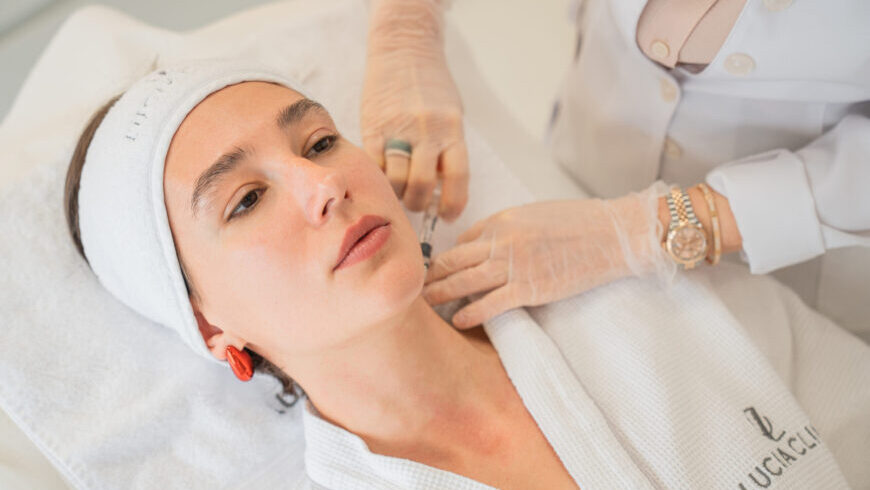
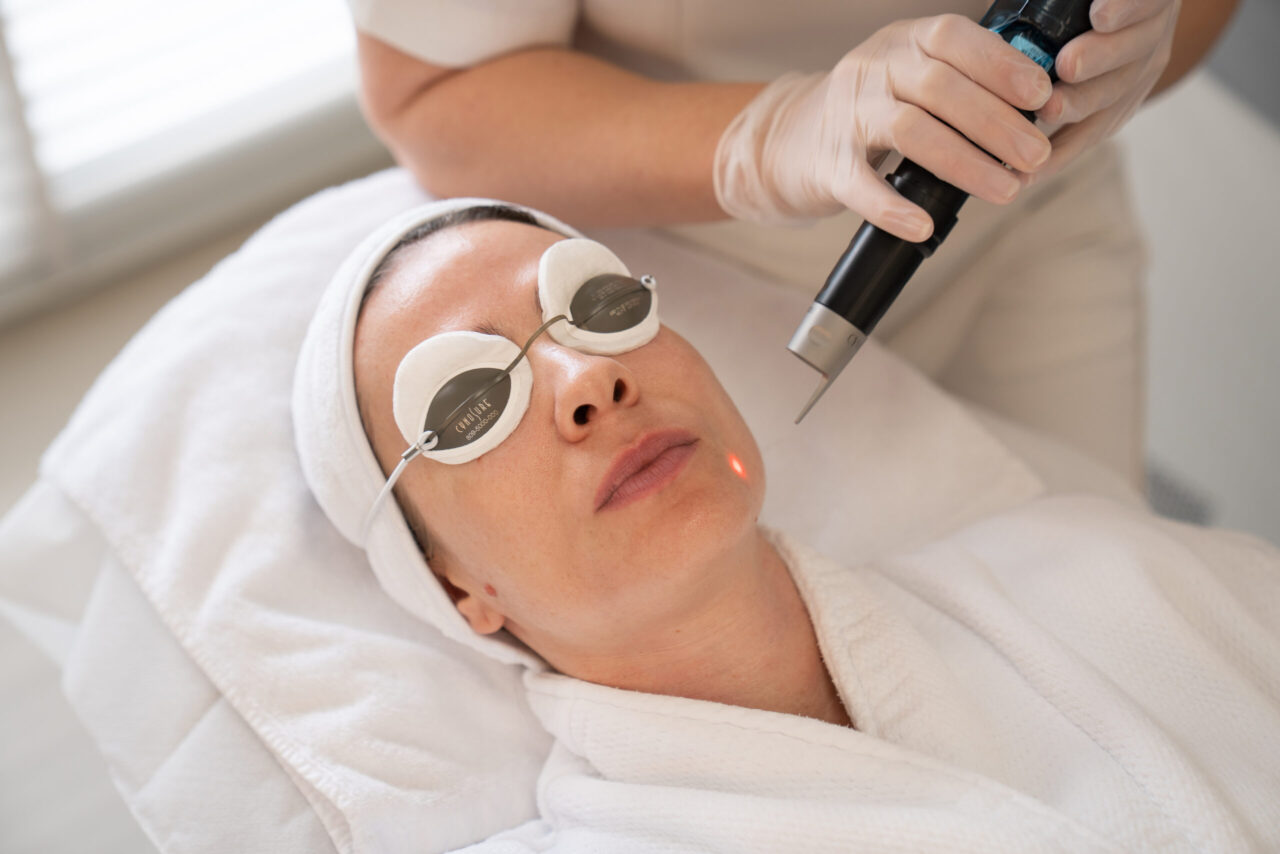
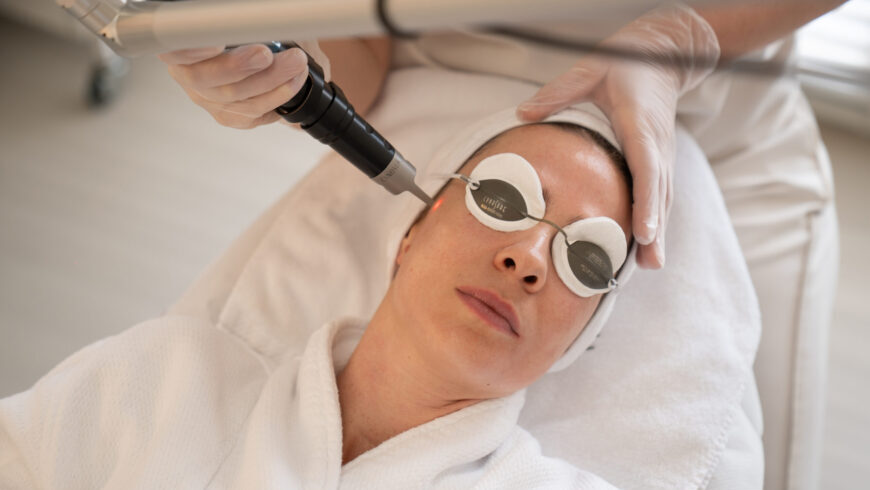
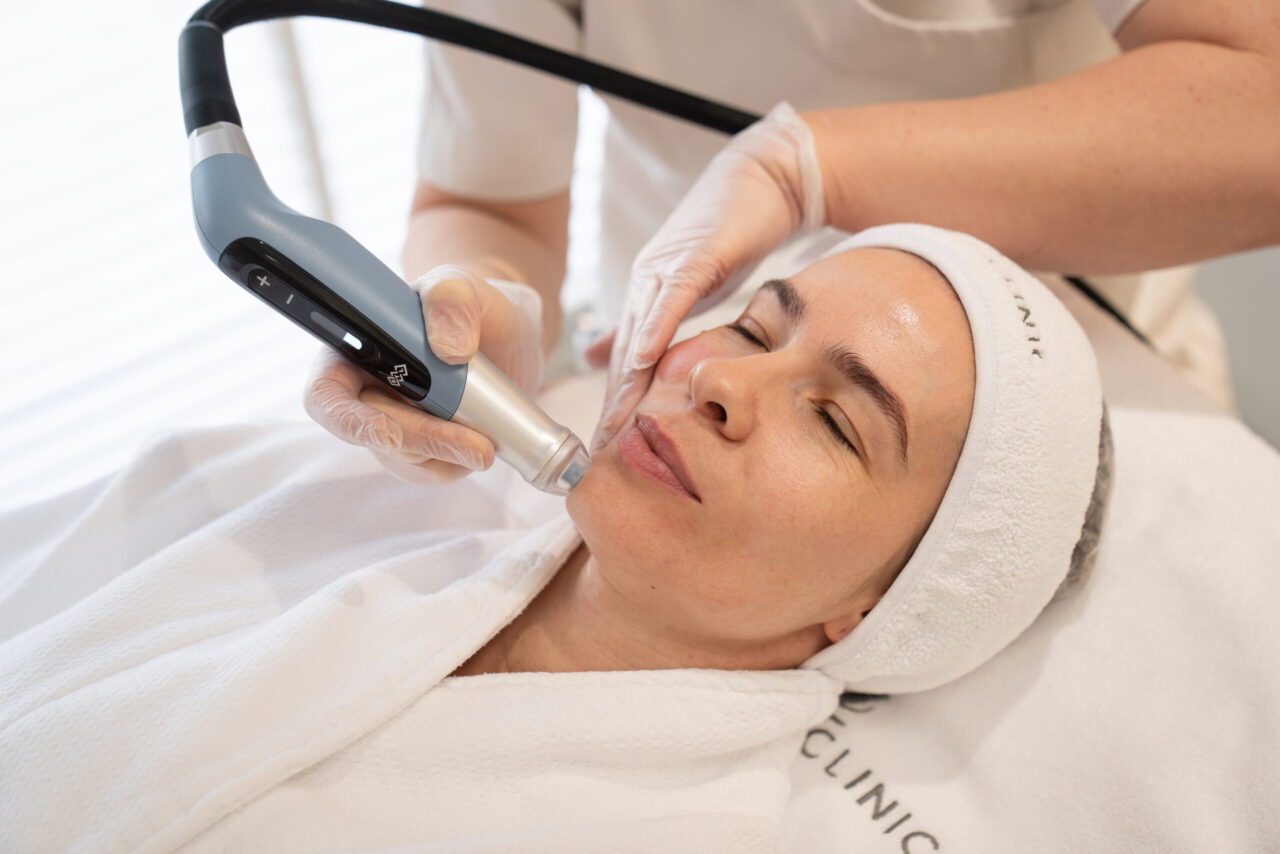
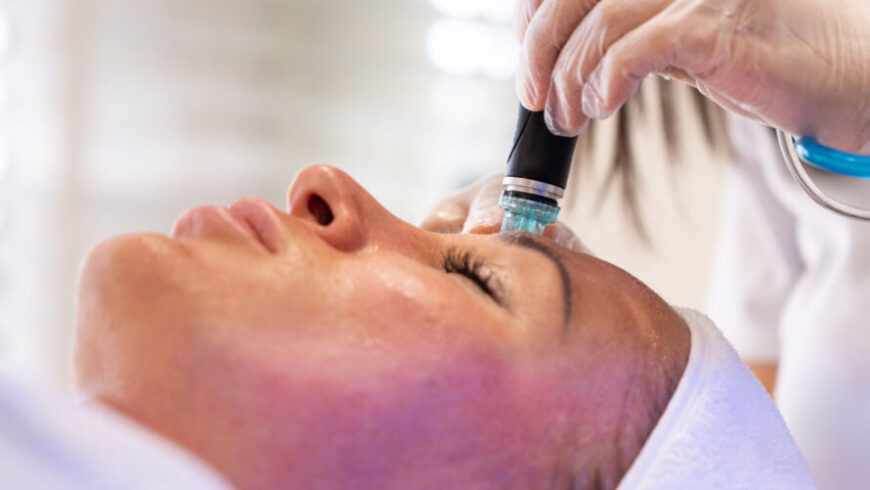
Long flights leave many travelers dealing with jet lag, dehydration, fatigue, and skin that feels dull or tired. In a global hub like Dubai, where visitors arrive constantly for both business and leisure, fast recovery becomes important. That’s why specialized treatments are gaining attention. Post-travel recovery with IV drips and JetPeel treatments in Dubai provides effective ways to restore balance, energy, and skin vitality. At Lucia Clinic Dubai, these advanced therapies are tailored for travelers who want to feel refreshed and look their best. Together, they rehydrate the body, fight fatigue, and revive the skin for a healthier post-flight glow.
Why Travel Affects the Body and Skin
Air travel challenges both the body and the skin in ways many people underestimate. Long flights often lead to dehydration, poor circulation, and disrupted sleep cycles. The dry air inside airplane cabins strips moisture from the skin, leaving it dull, tight, and fatigued. At the same time, shifts in time zones throw off natural rhythms, causing jet lag, stress, and a weakened immune system. Combined, these factors explain why so many travelers feel drained and look tired after landing.
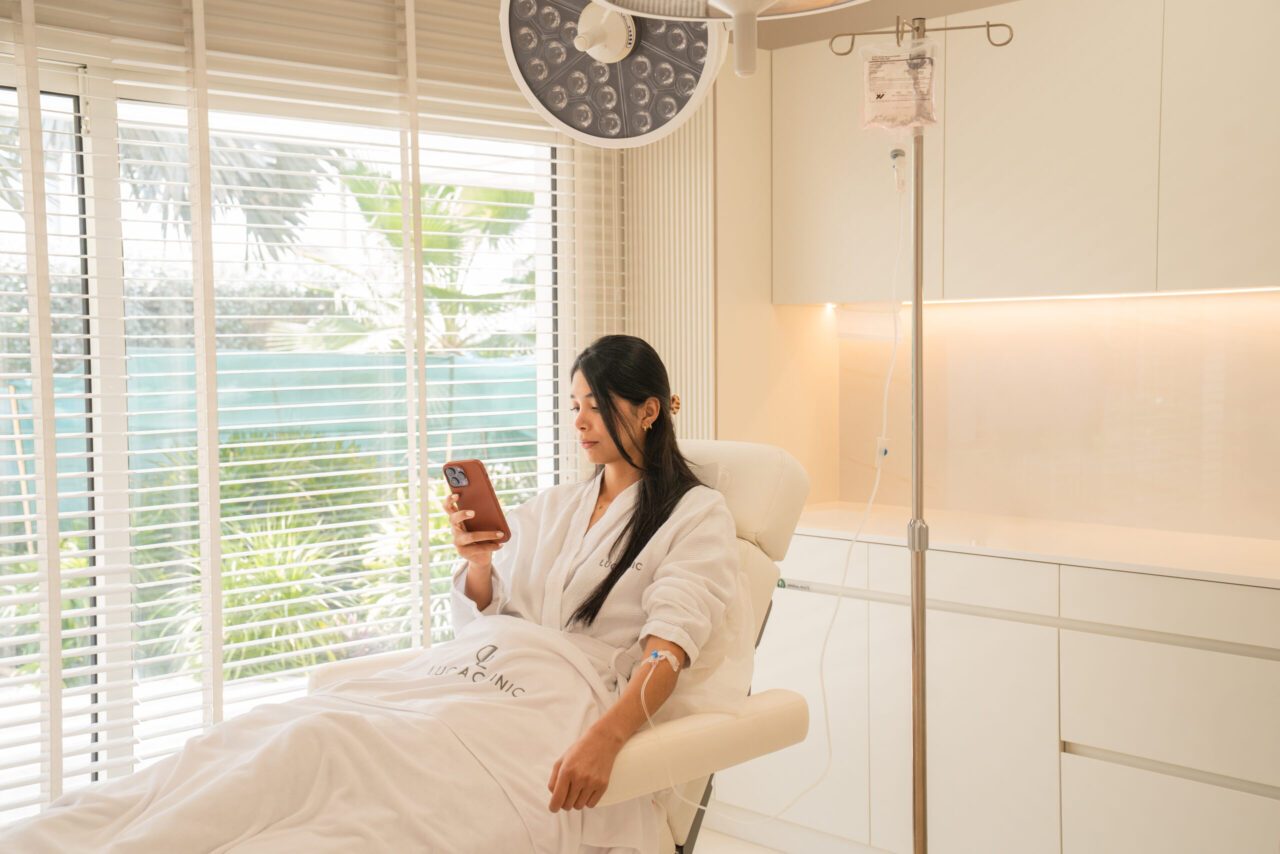
IV Drip Therapy for Post-Travel Recovery
IV drip therapy is one of the most effective ways to restore balance after hours spent in the air. The treatment works through direct infusion of fluids, vitamins, and minerals into the bloodstream, bypassing the digestive system for maximum absorption. This means the body receives immediate hydration and nutrients exactly where they are needed most. For frequent travelers, this is particularly valuable since long flights often lead to dehydration, fatigue, and weakened immunity.
The benefits are wide-ranging. Travelers experience rehydration at a cellular level, improved energy levels, and faster recovery from jet lag. IV therapy can also strengthen the immune system, reducing the chance of catching colds or other illnesses while traveling. Many clinics in Dubai, including Lucia Clinic, offer customized drips designed to meet different needs—whether you want to fight fatigue, support overall immunity, or give your skin a beauty boost.
What makes IV drip therapy in Dubai especially effective after long-haul flights is how quickly it works. Unlike oral supplements, which take time to digest, the nutrients in an IV drip are delivered directly to the bloodstream. This allows the body to recover more rapidly.
JetPeel Treatments for Skin Renewal
JetPeel is a non-invasive facial treatment that uses a high-pressure jet stream to deliver nutrients deep into the skin. Unlike traditional facials, it is completely needle-free and painless, making it a convenient option for travelers who want effective results without downtime. The treatment combines exfoliation, oxygenation, and hydration, while infusing vitamins and minerals directly into the skin’s layers.
For those stepping off long flights, JetPeel addresses the most common concerns—dryness, puffiness, and dull skin caused by recycled cabin air. The treatment restores a healthy glow, refreshes tired features, and helps the skin feel plump and hydrated again. Because results are visible immediately, JetPeel treatment Dubai clinics offer is ideal for travelers with limited time who want to look fresh before meetings, events, or leisure activities.
The Synergy: IV Drip + JetPeel
Combining IV drip therapy with JetPeel treatments creates a complete recovery experience that works inside and out. IV therapy restores hydration, energy, and immunity from within, while JetPeel renews the skin’s surface with hydration, oxygenation, and vital nutrients. Together, they address the most common issues travelers face after long flights—fatigue, dehydration, jet lag, and dull skin.
This holistic approach helps travelers not only feel better but also look instantly refreshed. Instead of choosing between internal wellness and external rejuvenation, both can be achieved in a single session. At Lucia Clinic, tailored packages bring these treatments together, designed specifically for frequent flyers who want fast and effective recovery.
Who Benefits Most from These Treatments?
These treatments are designed for anyone who wants to recover quickly after a long journey, but certain groups benefit the most:
Business travelers often have tight schedules and little time to rest, making a fast recovery essential.
Tourists arriving for weddings, vacations, or special events also value looking fresh and energized right after landing.
Frequent flyers, cabin crew, and expats who regularly deal with jet lag and fatigue find these treatments especially effective.
Professional Care Makes the Difference
When it comes to IV drip therapy and JetPeel, professional expertise makes a significant difference in both safety and results. These treatments involve advanced techniques and require precise application, which is why being in the hands of a skilled medical team is essential.
IV drips and Jet Peel are a great way to recover after your travel and jet lag.
In Dubai, clinics like Lucia Clinic stand out for their experience with frequent travelers, offering specialized protocols that focus on restoring hydration, boosting energy, and rejuvenating the skin after long flights.
Choosing professional care ensures not only visible results but also peace of mind. Every detail—from selecting the right IV formulation to customizing JetPeel nutrients—is tailored to individual needs. Travelers can expect a comfortable environment where their recovery is prioritized and monitored by qualified specialists.
For those curious about advanced facials, it also helps to know what to expect during your first Jetpeel treatment. Understanding the process and benefits adds reassurance, especially if it’s your first time.
Post-Travel Recovery with IV Drips and JetPeel Treatments in Dubai
Long flights don’t have to leave you drained or looking tired. With the right care, recovery can be quick and effective. Post-travel recovery with IV drips and JetPeel treatments in Dubai helps restore hydration, boost energy, and revive the skin in just one session. These therapies address both internal wellness and external appearance, giving travelers the confidence and vitality they need to enjoy their time in the city. At Lucia Clinic, every treatment is customized for your needs, ensuring both comfort and noticeable results. If you’re ready to feel refreshed and look rejuvenated after your next trip, book your session today and experience why Lucia Clinic is the go-to destination in Dubai for wellness and aesthetics.
When hair begins to thin, many people immediately wonder if vitamin deficiencies are linked to hair loss. Hair follicles are highly sensitive to nutritional imbalances, and even small shortages can affect hair density, texture, and shine. However, internal deficiencies rarely tell the whole story—factors like hormones, stress, genetics, and scalp health also play a significant role in how hair looks. At Lucia Clinic Dubai, we take a comprehensive approach, combining nutritional guidance, lifestyle support, and targeted aesthetic treatments to help improve the appearance of hair. By addressing both internal health and external factors, clients can achieve visible, long-lasting results while supporting healthier regrowth.
How Vitamin Deficiencies Affect Hair Appearance
Hair is highly sensitive to nutritional shifts because follicles demand constant energy and oxygen. During the growth phase, hair matrix cells divide rapidly. When the body detects a shortage of iron, vitamins, or trace minerals, it conserves resources for essential systems. Hair growth becomes a low priority.
This shift can happen quietly. People often notice increased hair fall 8–12 weeks after a deficiency begins, not immediately. Density changes may follow even later. The hair shaft itself can become thinner, which reduces volume without dramatic shedding.
Vitamin and mineral shortages affect hair in several visible ways:
Reduced hair shaft diameter, making hair look finer
Increased shedding, especially during washing or brushing
Dullness or dryness due to reduced sebum production
Slower regrowth after shedding
It’s also important to distinguish between shedding and thinning. Shedding involves higher daily hair loss, sometimes exceeding 150–200 hairs per day, often noticed during washing. Thinning is slower and more subtle, driven by weaker regrowth rather than dramatic loss. Vitamin deficiencies are more strongly linked to shedding patterns than to long-term density reduction.
Common Vitamin Deficiencies Associated With Hair Thinning
Several vitamin deficiencies are linked to hair loss, though they rarely occur on their own. Most affect how hair sheds, regrows, and maintains thickness rather than causing sudden loss.
Iron (Ferritin) – Low iron stores are one of the most frequent findings in people experiencing hair shedding, especially women. Hair growth may be affected when ferritin levels fall below 30–40 ng/mL, even if anemia is not present. Reduced iron availability shortens the growth phase of the hair cycle, leading to increased shedding and slower regrowth.
Vitamin D – Vitamin D helps regulate the hair growth cycle and supports scalp health. Studies estimate that 40–60% of adults have insufficient levels. Deficiency may contribute to prolonged shedding phases, slower regrowth, and scalp sensitivity, though it rarely causes hair thinning on its own.
Vitamin B12 –B12 supports red blood cell production and oxygen delivery to hair follicles. Low levels, more common in people with absorption issues or restrictive diets, can indirectly affect hair density and growth quality.
Biotin (Vitamin B7) – True biotin deficiency is extremely rare, affecting fewer than 0.002% of people. In individuals with normal levels, supplementation has not been shown to significantly improve hair thickness or density.
Zinc – Zinc supports protein synthesis and follicle repair. Low levels can increase breakage and delay recovery after shedding. Excess zinc, however, may interfere with copper absorption and negatively affect hair quality.
Vitamin deficiencies often overlap because the same factors—such as poor absorption, restrictive diets, stress, or illness—affect multiple nutrients at the same time. Since many vitamins and minerals work together in the body, a low level in one can influence others, making hair thinning more likely to stem from a broader imbalance rather than a single deficiency.
Why Supplements Alone Don’t Always Restore Hair Density
Correcting a vitamin or mineral deficiency is important for overall health, but it doesn’t automatically restore hair density. Supplements support the environment for growth, but they cannot directly reactivate inactive follicles or reverse hair that has already thinned.
Even after nutrient levels are corrected, hair may continue to look thin because new growth takes time to appear. Hair grows at an average rate of about 1–1.2 cm per month, and regrowing strands are often finer at first. This means visible improvement can lag behind internal correction by several months.
For lasting results, supplements are most effective when combined with treatments that enhance scalp health, stimulate follicles, and improve the quality of existing hair. Addressing both internal and external factors provides a more complete approach to achieving fuller, healthier-looking hair.
When Vitamin Deficiency Isn’t the Only Factor
Hair thinning rarely has a single cause. Psychological stress alone can push a significant percentage of follicles into the resting phase. Major life changes, illness, sleep disruption, and hormonal shifts all affect hair cycling, sometimes overlapping with nutritional issues.
Scalp health also plays a role that supplements cannot address. Reduced circulation, chronic tension, or low-grade inflammation can limit nutrient delivery to follicles, even when blood levels are adequate. In these cases, hair may struggle to respond to supplementation alone.
Genetics and aging influence density as well. From the mid-30s onward, many people experience a 5–10% reduction in active follicles per decade, independent of vitamin status. This natural shift changes how hair responds to both nutrients and treatments.
Because these factors often occur together, focusing on vitamins alone can leave visible issues unresolved.
Supporting Hair Density at Lucia Clinic
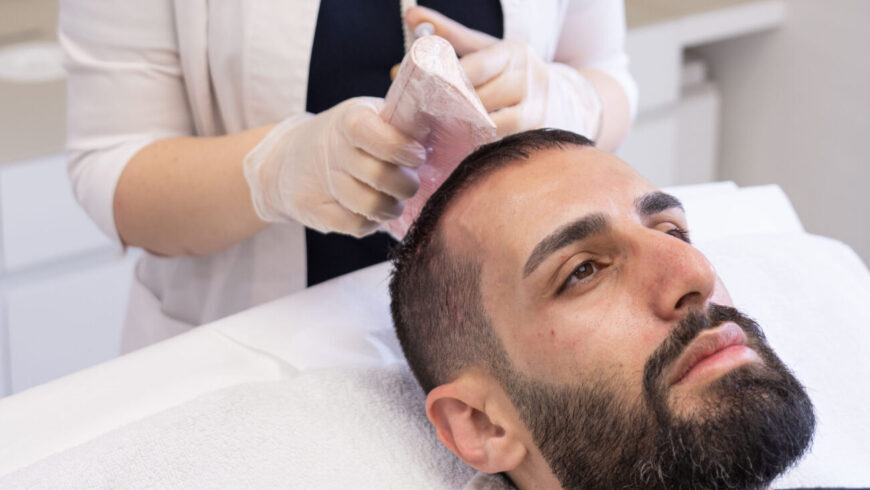
At Lucia Clinic, hair thinning is addressed with a focus on visible improvement rather than supplementation alone. Our approach to hair loss treatment Dubaicombines aesthetic expertise with an understanding of the factors that influence hair density, quality, and scalp condition. Instead of targeting a single cause, treatments are selected to support follicle activity, improve circulation, and enhance the scalp environment where healthy hair growth begins.
Non-invasive options are used to complement nutritional and lifestyle support, helping bridge the gap between internal balance and visible change. This integrated approach allows existing hair to appear fuller and stronger while supporting gradual regrowth over time. Treatment plans are tailored separately for women and men, reflecting differences in thinning patterns, hormonal influences, and long-term hair density goals.
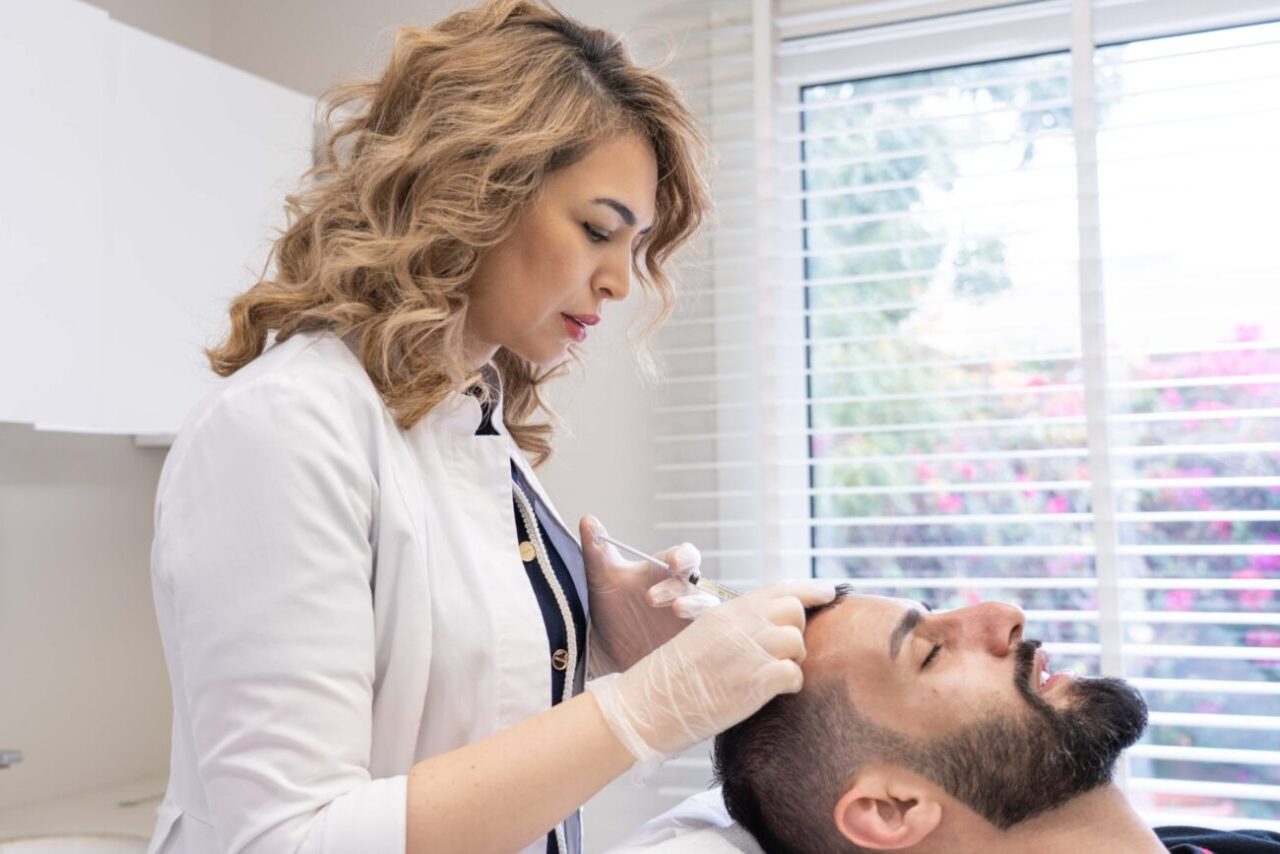
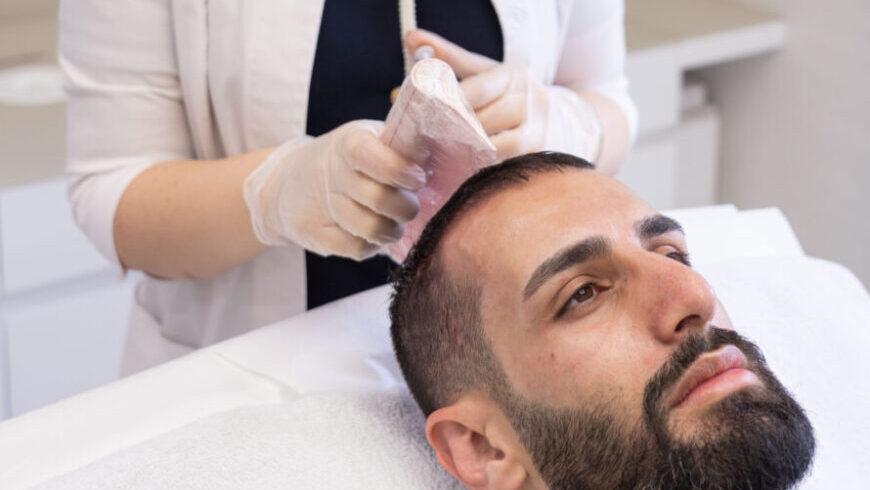
There are non-invasive treatments that can help you with hair loss.
Combining Lifestyle Support With Aesthetic Hair Treatments
Visible hair improvement is most effective when multiple factors are addressed together. Proper nutrition and lifestyle habits create the foundation for healthy growth, while aesthetic treatments enhance scalp condition, follicle stimulation, and overall hair appearance.
At Lucia Clinic, clients can combine lifestyle support with advanced regenerative options such as stem cell therapy Dubai. This approach helps support new growth while improving the look, thickness, and shine of existing hair. By addressing both internal and external factors, patients often see faster and more noticeable results compared with relying on supplements alone.
Long-term strategies include ongoing monitoring, periodic treatments, and continued lifestyle guidance to maintain fuller-looking hair and prevent future thinning.
When to Seek Professional Aesthetic Guidance
Hair thinning that lasts longer than six months, continues despite normal blood work, or worsens over time may require professional evaluation. Early consultation helps identify underlying causes and allows for targeted interventions before prolonged inactivity affects follicle health.
For men, specialized options such as hair loss treatment for men in Dubai can address male-pattern thinning, support existing hair, and improve overall density. Personalized plans help reduce trial-and-error approaches, ensuring treatments are effective and suited to individual hair patterns and lifestyle factors.
Seeking guidance promptly increases the chances of visible improvement and long-term maintenance, combining medical insight with aesthetic strategies for natural, fuller-looking hair.
Supporting Hair Health Beyond Supplements
While it’s clear that vitamin deficiencies are linked to hair loss, they rarely tell the full story on their own. Correcting internal imbalances is important, but visible improvement in hair density, texture, and shine often requires additional support. Treatments that focus on scalp health, follicle stimulation, and overall hair quality can help bridge the gap between internal balance and what you see in the mirror. A holistic approach, combining nutritional guidance, lifestyle adjustments, and targeted aesthetic interventions, offers the best chance for natural, long-lasting results. By addressing multiple factors simultaneously, individuals can maintain fuller-looking hair and support healthier regrowth over time.
Quick cosmetic fixes are tempting. Many treatments promise smoother, brighter skin in days or even hours, creating the appeal of instant transformation. However, appearance alone doesn’t reflect the health and resilience of the skin beneath the surface. At Lucia Clinic Dubai, the philosophy is clear: long-term skin quality matters more than instant results. By focusing on consistent care and regenerative support, patients can achieve healthier, more balanced skin that looks naturally radiant and resists the effects of aging over time. Shifting expectations away from immediate improvements toward sustainable strategies allows for results that are not only visible but lasting, supporting both confidence and overall skin function.
What “Skin Quality” Really Means
Skin quality is more than just the absence of wrinkles. It refers to the overall health and function of your skin, including texture, tone, hydration, and resilience. Smooth, even skin that feels supple and looks radiant is the foundation of a healthy appearance.
Understanding that long-term skin quality matters more than instant results helps shift the focus from quick cosmetic fixes to consistent care that supports the skin’s natural structure and repair mechanisms. Healthy skin not only looks better but also performs better, retaining moisture, healing efficiently, and resisting environmental damage.
Good skin quality also affects daily life. Makeup applies more evenly, pores appear smaller, and a natural glow comes through without heavy coverage. People often feel more confident when their skin reflects genuine health, demonstrating that prioritizing long-term care over temporary changes yields the most natural, lasting results.
The Limitations of Instant Results
Some treatments deliver rapid visual improvements, giving the appearance of smoother, firmer skin almost immediately. While these quick results can be appealing, they are often temporary, affecting only the surface rather than the skin’s underlying structure.
Chasing these instant changes can create a cycle of repeated treatments. Patients may feel the need to maintain the look, leading to frequent procedures that don’t address long-term skin health. Over time, this can become costly and unsustainable.
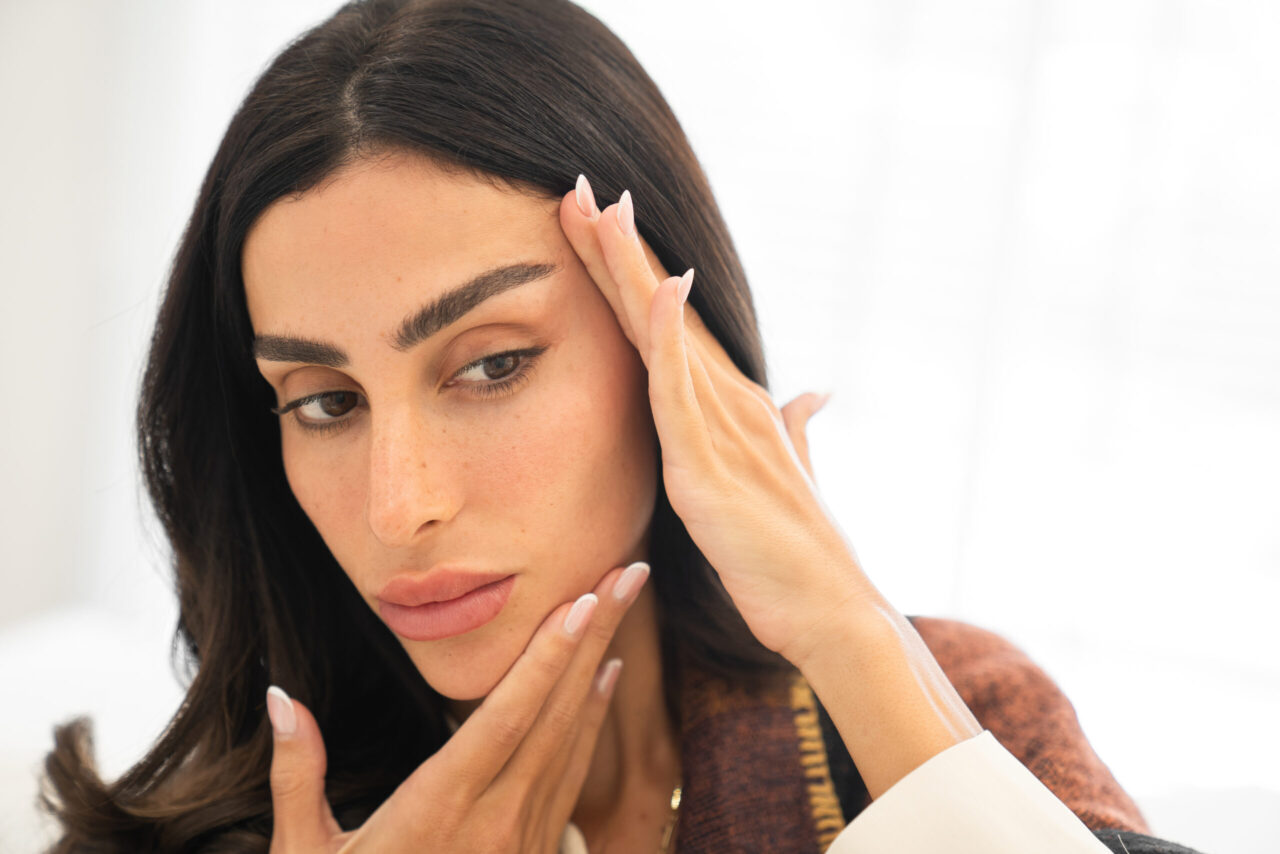
Long-term skin quality depends on many factors.
Overcorrection is another risk. Aggressive treatments can alter natural facial movement, create uneven texture, or result in a look that appears “done” rather than healthy and balanced. Focusing solely on fast results may temporarily improve appearance but often sacrifices the natural resilience and function of the skin in the long run.
How Skin Changes Over Time
As we age, the skin’s natural renewal and repair processes gradually slow down. Cell turnover becomes less efficient, and collagen and elastin production decline, reducing firmness and elasticity over time.
External factors like sun exposure, stress, pollution, and lifestyle habits accelerate these changes. UV rays break down structural proteins, environmental toxins create free radicals, and chronic stress can trigger inflammation, all contributing to premature aging.
As we get older, the amount of collagen in our skin decreases by about 1% each year. Because these changes happen slowly, damage often accumulates quietly before it becomes noticeable. Fine lines, uneven texture, and loss of radiance appear gradually, making early intervention and consistent care essential for maintaining long-term skin quality.
Why Long-Term Strategies Deliver Better Results
Long-term skin strategies focus on helping the skin function optimally over time rather than chasing quick, temporary fixes. Supporting collagen production, hydration, and barrier repair gradually strengthens the skin’s natural resilience, creating more balanced and lasting results.
Advanced regenerative treatments can play a key role in this approach. Meta cell treatment Dubai leverages stem cell-derived growth factors to restore elasticity, reinforce barrier function, and maintain overall skin health over time. When combined with consistent daily care such as sunscreen, retinoids, and hydration, this treatment allows the skin to improve progressively, resulting in a healthier appearance, smoother texture, and more even tone.
This gradual, supportive approach produces natural outcomes that far outperform short-lived results from quick-fix treatments, helping skin stay strong, balanced, and resilient for the long term.
What Patients Notice With a Long-Term Approach
Patients who commit to a long-term skin care strategy often see steady, natural improvements rather than dramatic, short-lived changes. Texture becomes smoother, and the skin’s tone evens out, giving a more balanced appearance. Hydration feels consistent, with skin looking plump and resilient throughout seasonal changes.
Many notice a subtle, healthy glow that doesn’t rely on makeup or filters. Instead of appearing “treated,” the skin looks genuinely well cared for, reflecting improved structure and barrier function. Over time, these cumulative benefits create a natural, refreshed look that enhances confidence and reduces the need for frequent corrective procedures.
Treatments That Support Ongoing Skin Quality
Treatments designed to improve skin quality focus on strengthening how skin functions rather than creating short-term visual change. These approaches aim to support collagen production, improve hydration balance, and help the skin barrier recover more efficiently over time.
Maintenance-focused options may include energy-based treatments, collagen-stimulating injectables, and regenerative approaches such as biosome treatment, which is designed to support natural repair signals inside the skin. Biosomes are synthetic, biomimetic particles created to mimic natural exosomes and deliver regenerative signals that help stimulate collagen, elastin, and overall tissue repair.
In many protocols, biosome treatment is used alongside procedures like microneedling or radiofrequency to enhance recovery and improve long-term outcomes by supporting cell signaling and reducing inflammation.
The goal is gradual improvement. Many regenerative skin approaches show progressive improvements in texture and tone within weeks, with continued improvement as collagen production increases.
The most effective plans usually combine professional treatment with daily skincare. Consistent sun protection, retinoids, and barrier-supporting ingredients help maintain results and protect the progress made through in-clinic treatments.
Lucia Clinic’s Philosophy on Skin Quality
At Lucia Clinic, the focus is on long-term skin health rather than quick, short-lived results. Treatment plans are personalized to each patient’s needs, emphasizing gradual improvements that support natural structure and resilience. Key principles include:
Personalized Planning – Treatments are tailored to the individual, focusing on subtle, lasting enhancements instead of trend-driven procedures.
Regenerative Therapies – Advanced options such as exosomes treatment Dubai are used to stimulate collagen, enhance cellular repair, and improve overall skin regeneration.
Prevention and Maintenance – Daily skincare, sun protection, and barrier support are combined with professional treatments to preserve results over time.
Gradual, Natural Improvement – Emphasis is placed on maintaining balanced hydration, smooth texture, and even tone, avoiding an “overtreated” appearance.
This approach ensures that patients see consistent, natural-looking progress while strengthening the skin’s long-term health and resilience.
Who Benefits Most From a Long-Term Focus
A long-term approach to skin quality is ideal for:
Individuals in the early stages of aging – Those in their late 20s to 40s benefit from preventive strategies that support collagen production, hydration, and elasticity before visible signs appear.
Patients maintaining results after corrective treatments – Focusing on gradual, ongoing improvement helps preserve outcomes without frequent intensive procedures.
People seeking natural-looking enhancement – Prioritizing skin health and resilience allows for subtle, balanced improvements without an “overdone” appearance.
Anyone interested in sustainable, healthy skin – Long-term strategies help skin adapt to aging and environmental stressors, maintaining a healthy glow and texture over time.
With Lucia Clinic’s experts, your skin will be healthy.
Investing in Lasting Skin Health
Investing in your skin’s health over time pays off in ways that quick fixes cannot match. By focusing on prevention, gradual improvement, and supportive treatments, skin remains resilient, hydrated, and balanced, creating a natural, healthy appearance that lasts. For anyone seeking real, sustainable results, long-term skin quality matters more than instant results. Treatments that support repair, collagen production, and barrier function, combined with consistent daily care, ensure that skin continues to improve gradually, rather than temporarily masking underlying changes. Shifting the focus from immediate outcomes to long-term strategies allows patients to enjoy skin that looks and feels healthy for years, while reducing the need for repeated, aggressive interventions.
Modern dermatology has entered a phase where preservation, balance, and long-term quality guide every decision. Regenerative aesthetics now plays a central role in this shift, as patients look for solutions that support skin and hair at a deeper level. Interest in stem cell–based treatments continues to grow because these approaches focus on tissue support, recovery, and visible vitality rather than aggressive correction. This evolution highlights the importance of the role of stem cell therapy in modern dermatology as a practical and refined option for modern aesthetic care. Dubai has emerged as a key destination for these advanced treatments. High standards, demanding environmental conditions, and an experienced patient base drive innovation across the city’s clinics. Within this setting, Lucia Clinic Dubai reflects how regenerative aesthetics integrates advanced science with controlled, natural-looking outcomes designed for long-term confidence!
What Stem Cell Therapy Means in Aesthetic Dermatology?
Stem cell therapy in aesthetic dermatology carries a very specific purpose that differs clearly from medical use. Medical applications focus on treating disease, injury, or serious tissue damage. Aesthetic dermatology follows a separate direction. Practitioners use stem cell technologies to support cellular activity, tissue quality, and biological balance without addressing medical conditions. This distinction shapes patient expectations and treatment design. Clients seek refinement, safety, and visible quality, not clinical intervention. Aesthetic protocols respect that boundary while still drawing on advanced regenerative science.
Stem cell–derived technologies used in aesthetics rely on bioactive compounds, growth factors, and signaling elements developed through stem cell research. These components support communication between cells and help skin and scalp respond more effectively to stress, aging, and environmental exposure. Instead of forcing change, they strengthen natural repair processes and improve how tissue behaves over time.
The focus remains firmly on skin quality, repair, and hair vitality rather than disease treatment. For skin, this means supporting smoother texture, balanced tone, and stronger recovery after sun exposure or aesthetic procedures. For hair, the emphasis shifts to scalp health and the environment surrounding hair follicles, which directly influences strength and density. Many patients choose this type of care early, using regenerative treatments as a preventative or maintenance strategy that protects results and supports long-term aesthetic confidence.
How Stem Cell Technology Supports Skin Quality?
Stem cell technology supports skin quality by reinforcing how skin maintains balance and structure over time. Instead of focusing on immediate surface changes, regenerative approaches work deeper, where texture, tone, and vitality begin to shift. This is where the role of stem cell therapy in modern dermatology becomes evident in everyday aesthetic care, as improvements develop through stronger internal support rather than visible stimulation. When skin functions more evenly, it reflects light better, holds hydration more effectively, and appears calmer in daily conditions.
Healthy skin firmness depends on how collagen and elastin hold up as the skin matures. Regenerative technologies help sustain the biological environment that allows these fibers to remain organized and functional. Rather than pushing production aggressively, this type of support favors steady reinforcement. Over time, skin retains elasticity more reliably, which improves firmness and reduces the appearance of laxity during facial movement. The result feels controlled and natural, with structure that holds rather than fluctuates.
Environmental stress places ongoing pressure on skin, especially with repeated sun exposure, heat, and aesthetic procedures. Regenerative skin support plays an important role in recovery by helping skin restore equilibrium after these challenges. Redness resolves more predictably, sensitivity settles sooner, and texture regains consistency without prolonged disruption. This recovery-focused benefit allows skin to maintain performance between treatments and daily exposure. By supporting repair instead of forcing correction, stem cell technology contributes to skin quality that feels stable, resilient, and visibly well-maintained over time.
The Role of Stem Cell Therapy in Modern Dermatology: Hair Appearance
It’s important to know that stem cell therapy Dubai experts provide supports hair appearance by focusing on the condition of the scalp and the environment that surrounds each hair follicle. Rather than targeting hair strands directly, regenerative technologies work at the level where growth begins. When the scalp maintains better balance, circulation, and cellular communication, hair often appears stronger, denser, and more consistent over time. This approach favors gradual improvement, which helps preserve a natural look and supports long-term hair quality.
A healthy scalp plays a central role in hair density. Regenerative support helps improve how the scalp responds to stress, aging, and environmental factors. By encouraging more stable tissue behavior, stem cell–derived technologies help create conditions that allow follicles to function more efficiently. Hair growth cycles become more regular, and existing hair tends to hold strength and thickness more reliably. These changes develop progressively and benefit from ongoing care rather than one-time intervention.
Stem cell–based approaches often work best when combined with regular or hair loss treatment Dubai specialists recommend. Regenerative support can improve how the scalp responds to complementary therapies by strengthening the surrounding tissue. This combination allows treatments to work more consistently and helps maintain results over time. Instead of replacing established methods, stem cell technology enhances their effectiveness, making it a valuable part of a broader hair care strategy focused on durability, balance, and overall scalp health.
Why Regenerative Aesthetics Are Well Suited to Dubai’s Climate?
Regenerative aesthetics fits Dubai’s climate because skin and hair face constant pressure from heat, sun exposure, and an active lifestyle. High temperatures increase dehydration, while strong UV exposure accelerates visible aging and weakens skin structure. Hair and scalp also react to these conditions, often showing signs of stress earlier than expected. In this environment, treatments that support repair and stability matter more than surface-focused correction. Regenerative approaches work by helping tissue cope with daily strain instead of reacting only after damage appears.
Heat and sun exposure affect how skin recovers and how hair maintains strength. Long hours outdoors, frequent travel, and indoor cooling cycles add further stress. Regenerative treatments, such as PRP treatment Dubai experts deliver, focus on restoring balance at a deeper level, which allows skin and scalp to respond more evenly over time.
Long-term quality becomes the priority in challenging climates. Regenerative aesthetics supports consistency by strengthening how skin and hair perform day after day. Instead of chasing short-lived results, this approach helps maintain texture, tone, density, and overall condition over time. That focus makes regenerative care especially practical for life in Dubai, where environmental stress remains part of everyday reality.
Stem Cell Therapy as Part of a Combined Aesthetic Plan
Stem cell therapy rarely functions as a standalone solution in aesthetic care. Skin and hair changes develop through several processes at once, which makes combination planning far more effective. In practice, the role of stem cell therapy in modern dermatology lies in how regenerative support improves tissue response, allowing other treatments to perform more consistently. Rather than replacing established methods, stem cell–based care strengthens the foundation on which skin rejuvenation, hair treatments, and maintenance protocols rely.
When paired with skin-focused procedures, regenerative support helps stabilize texture and tone after treatment and improves how skin recovers over time. In hair care, stem cell therapy supports scalp condition, which allows complementary treatments, such as hair loss treatment for men in Dubai, to deliver steadier results. This pairing reduces fluctuations and helps outcomes appear more controlled instead of overstimulated. Maintenance care also benefits from this structure, since healthier tissue responds more predictably between sessions.
The value of combination planning becomes clear in longevity. Regenerative support helps skin and hair retain strength after initial improvement, which extends the life of aesthetic results. Recovery becomes smoother, sensitivity resolves faster, and consistency improves across treatment cycles. This approach shifts aesthetic care away from short-term correction and toward outcomes that hold their quality over time.
Lucia Clinic’s Approach to Regenerative Aesthetics
Lucia Clinic, the best derma clinic Dubai offers, approaches regenerative aesthetics with a clear focus on precision, personalization, and outcomes that appear refined rather than obvious. Every treatment plan starts with careful assessment, not assumptions. Skin and hair behave differently from one person to another, and effective regenerative care depends on understanding those differences. Instead of following fixed protocols, the clinic prioritizes accuracy in treatment selection, timing, and application, which allows results to develop in a controlled and predictable way.
Personalization remains central to this approach. Treatments are shaped around individual skin conditions, hair quality, lifestyle, and long-term goals rather than short-term trends. Some patients seek support for early changes, while others focus on maintaining results achieved through previous aesthetic care. Lucia Clinic adapts regenerative strategies accordingly, ensuring that each plan fits naturally into the patient’s broader care routine. This flexibility allows regenerative treatments to support both improvement and preservation without disrupting daily life.
The emphasis stays firmly on subtle enhancement rather than dramatic change. Regenerative aesthetics at Lucia Clinic aims to improve how skin and hair perform over time, not to alter identity or create visible intervention. Texture becomes more even, tone stabilizes, and hair appears stronger without drawing attention to the treatment itself. This restrained approach values balance, consistency, and long-term confidence, offering results that feel natural, intentional, and aligned with the patient’s original features.
Patients pursuing preventive or long-term maintenance care often experience meaningful improvements through regenerative treatment options.
Who May Benefit From Stem Cell–Based Aesthetic Treatments?
Stem cell–based aesthetic treatments can benefit a wide range of people, particularly those who prefer early, thoughtful intervention rather than reactive correction. Individuals who begin to notice subtle changes in skin texture, tone, or firmness often respond well to regenerative support, as do those experiencing early hair thinning or reduced scalp vitality. Addressing these signs early allows care to focus on stabilization and quality rather than visible repair, which often leads to more controlled and longer-lasting results. This approach aligns with how many professionals now see the role of stem cell therapy in modern dermatology, not as a solution for advanced concerns alone, but as a tool for maintaining balance before bigger changes develop.
Patients who seek preventative or maintenance-focused care also benefit significantly from regenerative treatments. Instead of waiting for concerns to become pronounced, they use stem cell–based support to help preserve skin strength and hair condition over time. This strategy supports consistency between treatments and reduces fluctuations caused by environmental stress, aging, or lifestyle factors. Regenerative care fits naturally into long-term plans that prioritize steady improvement and tissue resilience.
Stem cell–based aesthetics can also support results achieved through other procedures. After skin rejuvenation or hair treatments, regenerative support helps skin and scalp recover more evenly and maintain improvements longer. By strengthening tissue response and recovery, these treatments help protect prior results and reduce the need for frequent intervention. This makes regenerative aesthetics well-suited for those who value durability, subtle refinement, and a structured approach to ongoing aesthetic care.
Precision, Balance, and Long-Term Results
Stem cell therapy has become an important advancement within aesthetic dermatology because it supports skin and hair quality at a deeper level. Rather than focusing on surface correction alone, regenerative care strengthens how tissue responds to aging, environmental stress, and aesthetic treatments. This approach highlights the role of stem cell therapy in modern dermatology as a method that improves texture, tone, firmness, and hair vitality in a controlled and progressive way. Skin appears more stable and resilient, while hair benefits from improved scalp conditions and stronger growth support. Professional guidance remains essential throughout this process. Proper assessment, treatment planning, and ongoing monitoring ensure that regenerative therapies remain safe and effective. With expert oversight, results develop naturally, maintain balance, and support long-term confidence without visible signs of intervention.
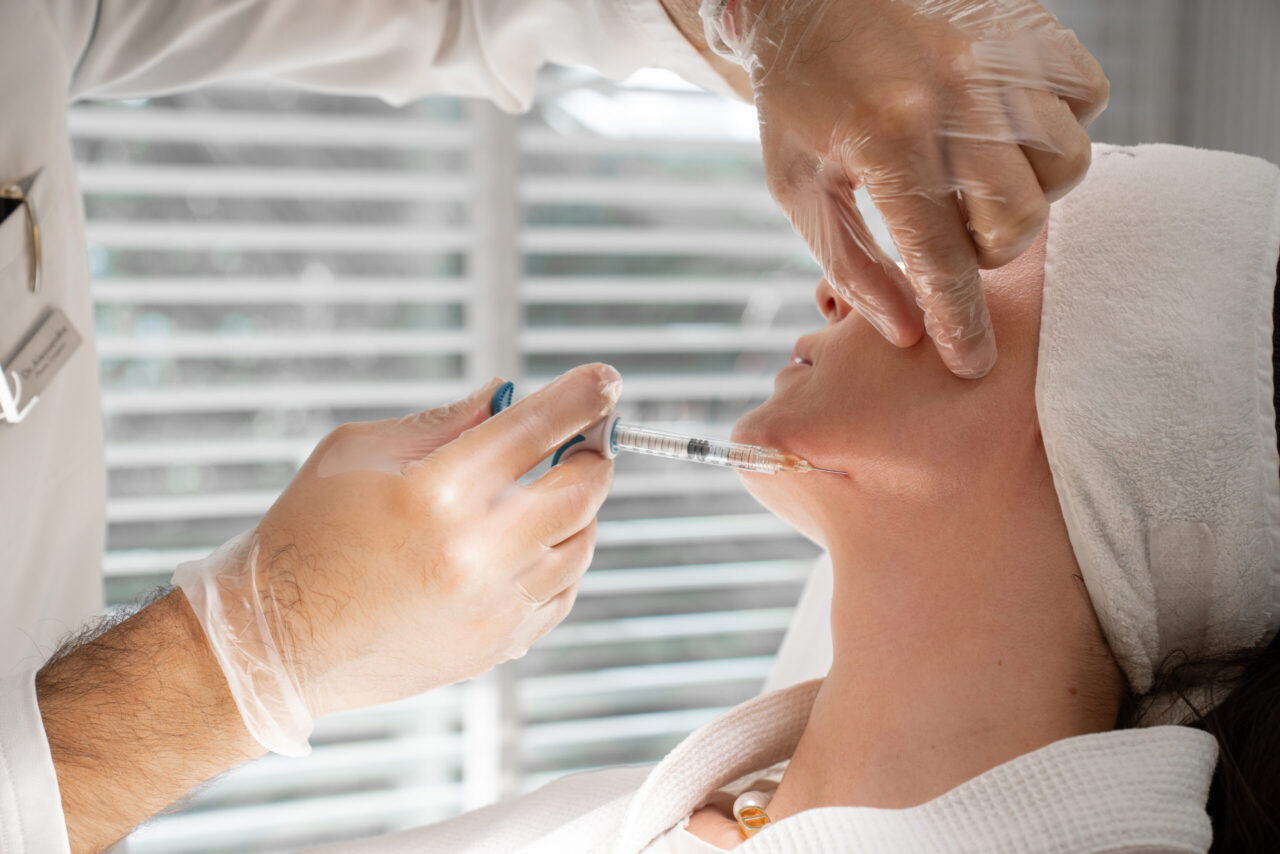
Liposuction remains one of the leading body contouring procedures in Dubai. Many patients choose it to refine areas that resist diet and exercise. Still, every surgical treatment carries potential side effects. Swelling, bruising, and temporary discomfort often occur, while rare complications require immediate care. Your choice of clinic matters as much as the procedure itself. The right medical team reduces risk, manages recovery, and supports balanced results. In a city known for premium aesthetic services, careful selection protects both your health and your investment! Learn more from the Lucia Clinic experts.
Understanding Liposuction as a Surgical Procedure
Liposuction is a surgical body contouring procedure that removes targeted fat deposits through small incisions. A surgeon inserts a thin cannula under the skin and uses controlled suction to remove fat cells in a planned pattern. The goal focuses on improving shape and proportion, not overall weight loss.
Since the cannula moves through tissue layers, the procedure affects small blood vessels and nerves as well. As a result, you can expect swelling, bruising, and soreness during early recovery. The anesthesia also adds another medical factor, since your team must monitor breathing, blood pressure, and heart rate throughout the procedure. Careful planning and precise technique help reduce trauma and support a smoother healing process.
Surgeons often treat areas such as:
Abdomen
Flanks
Inner and outer thighs
Upper arms
Back
Chin and neck
Liposuction Techniques
Different liposuction techniques exist, and the most common are:
Tumescent liposuction
VASER liposuction (ultrasound-assisted)
Laser-assisted liposuction
Water-jet liposuction (Body-Jet)
RF-assisted liposuction (radiofrequency options such as BodyTite, Renuvion/J-Plasma, or similar systems)
You can also group liposuction based on the look you want after treatment:
Traditional liposuction (general fat reduction)
Body contouring liposuction (shape-focused sculpting across zones)
HD liposuction (high-definition work that highlights muscle lines)
Common Liposuction Side Effects
Every patient experiences some degree of swelling and discomfort. These reactions form part of the normal healing process. However, you should know what to expect.
Swelling and Bruising
Swelling starts right after liposuction and often lasts several weeks. Some patients notice mild swelling for a few months, especially in larger treatment areas. Bruising also appears around the incisions and along the treated zone. It usually fades within two to three weeks. A skilled surgeon uses a controlled technique, which limits tissue trauma and keeps swelling lower overall.
Pain and Tenderness
Most patients feel soreness that resembles a strong workout strain. The clinic may prescribe pain medication for the first few days, then you can switch to milder options if your doctor approves. Discomfort should ease each day as healing progresses. Contact your clinic if pain increases, feels sharp, or comes with fever, since complications can develop.
Temporary Numbness
Temporary numbness can occur near treated areas because liposuction affects small nerves under the skin. You may feel reduced sensation, tingling, or a “pins and needles” feeling during recovery. In most cases, sensation returns gradually over weeks or months. Careful surgical technique helps protect nerve pathways. If numbness spreads or worsens, ask your doctor to assess it.
Fluid Accumulation
Fluid pockets, called seromas, can form under the skin after liposuction. You may notice a soft, shifting swelling or a sloshing feeling in the area. Compression garments help limit this issue, and some surgeons use drainage methods when needed. If fluid collects, the doctor can remove it using a small needle during a clinic visit.
Less Common but Serious Risks
Although serious complications remain rare, they can occur. Therefore, you must choose a clinic that prepares for every possibility.
Infection
Infection can develop if bacteria enter the incision sites. Signs include redness, warmth, fever, or unusual discharge. A sterile operating environment and strict hygiene protocols reduce this risk. A reputable clinic in Dubai follows clear sterilization standards. The surgical team uses approved equipment and maintains a controlled operating room.
Irregular Contours
Uneven fat removal can create lumps, dents, or asymmetry. These issues often result from poor technique or over-aggressive suction. A skilled surgeon removes fat evenly and respects natural anatomy. Careful planning and experience make a visible difference in the final contour.
Skin Irregularities
Skin may appear loose or wavy after fat removal. Your skin elasticity plays a role. However, the surgeon’s method also influences skin retraction. During consultation, an experienced doctor will evaluate your skin quality. They will explain whether liposuction alone suits you or if you need additional treatments.
Blood Clots and Fat Embolism
In rare situations, fat particles enter the bloodstream. This condition can block blood vessels and become life-threatening. Although such events remain uncommon, they require immediate medical response.
Only a fully equipped surgical facility can handle emergencies. That level of preparedness separates high-end clinics from average providers.
Why Surgeon Expertise Changes Everything?
Choosing the best plastic surgeon in Dubai ensures that your procedure is handled with the highest level of care and professionalism. Your surgeon’s training and daily experience shape both safety and the final contour. Liposuction requires controlled hand movement, steady depth control, and a clear plan for each zone. A skilled surgeon also reads your anatomy in real time. They adjust technique based on fat density, skin quality, and body symmetry. This approach helps reduce unevenness, excess bruising, and avoidable revisions. In addition, an expert surgeon knows when to stop. Overcorrection can create dents and loose skin, so judgment matters as much as technique.
An expert surgeon will:
Review your medical history carefully and flag risks early
Explain realistic outcomes based on your body and skin elasticity
Discuss liposuction side effects and warning signs in direct, clear language
Choose the safest technique for your needs and treatment area
Use measured, even suction to keep contours smooth
Protect key structures and limit unnecessary tissue trauma
Build a recovery plan with follow-ups, garment guidance, and support
In Dubai, premium clinics invest in experienced specialists and strong medical teams. Lucia Clinic, for example, focuses on careful planning, precise execution, and discreet aftercare. Clients who expect refined results benefit when a clinic combines safety standards with a strong aesthetic eye!
The Role of Proper Consultation
A high-quality clinic treats consultation as a medical appointment, not a sales meeting. The doctor takes time to understand what you want to change and why. They also check your health history, current medications, and prior surgeries. This step helps them spot risks early and plan safely. The doctor should examine your treatment areas in person, assess skin elasticity, and explain what liposuction can and cannot do. Clear planning also prevents disappointment, since results depend on anatomy, healing, and lifestyle. During consultation, you should receive direct answers about:
Expected results and what “realistic” looks like for your body
Technique options and why one method fits you better than another
Anesthesia plan and who will monitor you during the procedure
Recovery timeline with week-by-week expectations
Compression garment use, including fit, duration, and daily wear time
Activity restrictions such as work, driving, workouts, and travel
Possible side effects and the warning signs that need urgent contact
Follow-up schedule and how the clinic handles concerns after surgery
If a clinic avoids risk discussions or pushes fast decisions, take that as a warning. A transparent consultation builds trust, supports safer choices, and sets the tone for a better recovery! It’s important to schedule consultations only with certified, highly experienced clinics!
Liposuction side effects are not many, with the right aftercare.
Long-Term Results Depend on Clinic Quality
Your final liposuction results depend heavily on the quality of the clinic you choose. Swelling can mask your shape for weeks, and full definition may take several months to appear. During that time, surgical precision and structured aftercare make a clear difference. A skilled surgeon removes fat evenly and respects natural body lines. This approach reduces the risk of dents, lumps, or asymmetry that may require revision.
In addition, a reputable clinic monitors your healing process closely. Regular follow-ups allow the doctor to track swelling, address concerns early, and guide you through each recovery stage. Compression guidance, activity advice, and realistic timelines also support stable results.
On the other hand, poor technique or limited supervision can lead to uneven contours that become more visible as swelling fades. Corrective procedures often cost more and involve new recovery periods. For this reason, your first decision carries long-term impact. When considering liposuction in Dubai, it’s important to choose a clinic with a proven track record of success and safety, such as Lucia Clinic. Careful selection today shapes how you feel about your results years later.
How to Choose the Right Clinic in Dubai?
Choosing the right clinic and the best aesthetic doctor in Dubai requires careful research and clear judgment. Start with the surgeon’s credentials. Verify board certification, years of surgical experience, and specific expertise in liposuction techniques. Don’t forget to review before-and-after cases that reflect natural proportions, not exaggerated changes.
During consultation, observe how the doctor communicates. A serious professional listens to your concerns, sets realistic expectations, and explains risks without hesitation. You should also assess the facility itself. Clean treatment rooms, organized staff, and structured protocols reflect strong internal standards. Ask about anesthesia safety, emergency preparedness, and post-operative follow-up visits. Reliable clinics provide clear recovery plans and remain accessible after surgery.
Privacy also matters, especially in Dubai’s high-profile environment. A reputable clinic respects discretion and protects patient information. For example, Lucia Clinic maintains a refined setting while focusing on safety and individualized care. Avoid choosing based on price alone. Lower costs may signal limited expertise or reduced medical support. Instead, prioritize experience, transparency, and structured aftercare. When you evaluate these elements carefully, you increase your chances of safe surgery and long-lasting, balanced results.
When you contact the right clinic, the downtime after the liposuction procedure is minimal.
Safety First in Aesthetic Surgery!
Liposuction can refine body contours and strengthen confidence, but it remains a surgical procedure with real risks. Swelling, bruising, and temporary numbness form part of recovery, while rare complications require prompt medical care. For that reason, clinic quality matters as much as technique. Experienced surgeons, strict safety standards, and structured follow-up visits protect both your health and your final results. In Dubai’s competitive aesthetic market, careful selection sets you apart from avoidable problems. Take time to research, ask direct questions, and choose a clinic that values precision, transparency, and long-term patient care!
Facial surgery continues to grow in popularity across Dubai as patients place greater focus on refinement and proportion. Social visibility and high aesthetic awareness influence how individuals evaluate their appearance. However, the goal has shifted. Patients now request natural-looking improvement instead of dramatic change. They want structure, balance, and results that align with their existing features. This approach requires careful assessment rather than trend-driven decisions. Surgeons must analyze facial harmony, bone structure, and soft tissue movement before recommending any procedure. At Lucia Clinic Dubai, consultations center on proportion and long-term balance, not temporary fashion. This mindset reflects a broader shift in Dubai’s aesthetic culture, where thoughtful refinement replaces exaggerated alteration!
Why Dubai Patients Are Choosing Facial Surgery?
Dubai patients choose facial procedures with clear intent and careful research. High aesthetic awareness shapes expectations, and beauty standards often emphasize proportion and balance. As a result, individuals pay close attention to small structural details that influence overall appearance. However, they rarely request dramatic alteration. Instead, they prefer refined, subtle results that preserve identity and natural movement.
Surgeons now respond with precise techniques that support this demand. Improved imaging tools, refined suturing methods, and better tissue handling allow greater control during surgery. These advancements have increased trust in plastic surgery in Dubai, as patients feel more confident about safety and predictability.
At the same time, long-term facial balance guides decision-making. Many patients consider how their features will age and how structural adjustments can support harmony over time. Confidence often grows when proportion improves without visible signs of intervention. Therefore, facial surgery becomes a calculated step toward maintaining presence, clarity, and composure rather than a dramatic change in appearance.
The Most Popular Facial Surgery Procedures in Dubai
Several facial procedures continue to lead patient demand across Dubai because they improve proportion and restore structure in a controlled way. Each option targets a specific concern, such as nasal balance, eyelid heaviness, jawline definition, or lower-face laxity. However, the best outcomes come from choosing procedures that fit your features, not trends. Surgeons assess bone shape, soft tissue, and natural movement before they recommend any change. This approach protects facial harmony and keeps results looking believable in person and in photos. When planning, stay focused on proportion; small refinements can create a strong overall impact.
1. Rhinoplasty (Nose Surgery)
Rhinoplasty remains one of the most requested facial procedures in Dubai because the nose defines overall balance more than any other feature. Patients often seek correction for a dorsal hump, tip droop, asymmetry, or wide nasal bones. Many also want to improve breathing while refining appearance. Today, however, expectations center on harmony. Patients prefer subtle structural refinement that complements their face rather than dramatic alteration.
Precision and control determine the outcome, since even millimeter-level adjustments influence the final result. With rhinoplasty by Dr. Tony Park, for example, patients can expect detailed facial analysis, individualized planning, and a focus on proportion that aligns with their natural features. A consultation gives you a clear plan, realistic options, and a result-oriented timeline!
2. Facelift and Mini Facelift
Facelift and mini facelift procedures remain highly requested in Dubai because patients want to restore definition without altering their natural expression. Over time, the midface descends, the jawline softens, and deeper folds appear. Patients with early signs of laxity often choose a mini facelift, which targets mild sagging and maintains subtle contours. Those with more advanced aging concerns may require a comprehensive facelift to reposition deeper tissues and redefine structure.
However, expectations have changed. Most patients do not want a pulled or overly tight appearance. Instead, they ask for a refreshed look that appears natural in motion and in close photographs. Surgeons, therefore, focus on lifting deeper layers rather than stretching skin. During consultation, some patients also explore alternatives such as a non surgical face lift Dubai experts provide before deciding on surgery. Careful evaluation helps determine which approach best restores balance while preserving identity and long-term facial harmony.
3. Blepharoplasty (Eyelid Surgery)
The eye area plays a central role in how others perceive your age, mood, and overall vitality. When upper eyelids begin to droop, they can create a heavy or fatigued expression, even if you feel energetic. At the same time, puffiness or loose skin beneath the eyes can cast shadows that make the face appear older. Blepharoplasty Dubai experts often recommend addresses these concerns with precise structural correction. Upper eyelid surgery removes excess skin and restores a clean eyelid contour, which helps the eyes look more open and defined. Lower eyelid surgery focuses on reducing under-eye bags, tightening lax skin, and smoothing transitions between the lid and cheek. Surgeons often reposition fat carefully instead of removing it aggressively, which prevents a hollow appearance.
People often request subtle refinement, and that is possible at Lucia Clinic.
Patients in Dubai typically request subtle refinement rather than dramatic change. Even small adjustments around the eyes can shift the overall facial impression. The result often appears rested, alert, and balanced, while preserving natural expression and movement.
4. Neck Lift
The jawline and neck strongly influence how youthful the face appears. When skin begins to loosen beneath the chin or along the lower face, definition fades and contours soften. Even if the midface still looks firm, laxity in the neck can create an imbalance. A neck lift targets these structural changes directly. Surgeons tighten underlying muscles, remove excess skin, and refine the angle between the chin and neck. This process restores sharper lines and a cleaner profile.
Patients often choose this procedure when they notice sagging bands, fullness under the chin, or loss of jawline clarity. In many cases, this procedure is combined with facelift surgery Dubai surgeons do to create consistent rejuvenation across the lower face. Treating both areas together prevents a mismatch between the lifted cheeks and the untreated neck. The goal remains natural definition, not overcorrection. With precise planning, a neck lift can restore structure and improve overall facial balance while preserving authentic expression.
5. Chin and Jawline Surgery
Chin and jawline surgery continues to gain attention as more patients focus on profile balance and structural definition. The lower face frames the entire profile, so even slight projection changes can improve proportion. A recessed chin can make the nose appear larger, while a weak jawline can soften overall facial structure. Surgical correction strengthens alignment between the forehead, nose, and chin, creating visual harmony. Many patients now request jawline and chin contouring Dubai specialists provide.
Preferences often differ between men and women. Men typically favor sharper angles and stronger projection, which enhance a defined, masculine profile. Women usually request softer shaping that supports balance without harsh lines. Surgeons evaluate bone structure, bite alignment, and facial symmetry before recommending implants or contouring techniques.
6. Lip Lift
A lip lift is also one of the most popular facial surgery procedures in Dubai. The distance between the base of the nose and the upper lip plays a key role in how youthful and defined the face appears. As this space lengthens with age, the upper lip can look thinner and less expressive. Instead of adding volume, many patients now prefer subtle elevation. A lip lift shortens the upper lip gently and increases visible pink tissue without creating fullness that looks artificial. This approach keeps movement natural while improving definition. Patients often choose this procedure to enhance harmony between the nose, lips, and chin. Even small adjustments in this area can refine the smile and soften the profile. The focus remains on proportion and structure, not exaggerated volume. Careful surgical planning ensures the result appears balanced, controlled, and aligned with the rest of the face.
Why Natural Results Are the Priority?
Natural results have become the clear priority for patients considering facial surgery in Dubai. Most individuals want improvement that enhances their features without altering their identity. Overcorrection can disrupt balance, create stiffness, and draw attention to the procedure itself. Therefore, surgeons must calculate adjustments carefully and respect existing proportions. Small, controlled refinements often produce the most powerful outcome.
Individualized treatment planning plays a central role in achieving this goal. Every face has a unique bone structure, soft tissue distribution, and aging patterns. A plan that works for one patient may not suit another. Surgeons must evaluate facial harmony as a whole before recommending any intervention. Facial surgery today focuses on refinement rather than transformation. Patients expect to look refreshed, structured, and confident, not different. When proportion guides each decision, results appear effortless and stable over time, preserving expression while restoring clarity and balance.
How Facial Surgery Trends Are Changing?
Facial surgery trends in Dubai continue to shift as patients approach aesthetics with long-term planning in mind. Younger individuals now seek preventative procedures before visible aging advances. Many combine surgical planning with supportive options such as biosome treatment to maintain skin quality and delay structural laxity. Instead of waiting for deep folds or significant sagging, they address early volume shifts and contour changes with precision.
At the same time, more men consider facial surgery than in previous years. They often request jawline refinement, eyelid correction, or subtle lifting that strengthens definition without altering masculine structure.
Across all age groups, proportion has become the main focus. Patients ask how each adjustment affects overall harmony rather than concentrating on one isolated feature. Surgeons respond with comprehensive assessments that evaluate the face as a complete structure. This holistic mindset reflects a broader shift toward balanced refinement and controlled, natural-looking outcomes that age well over time.
Lucia Clinic’s Approach to Facial Surgery
Lucia Clinic approaches facial surgery with structure, discipline, and clear clinical reasoning. Every case begins with a comprehensive consultation that evaluates bone structure, skin quality, muscle activity, and overall facial proportion. Our surgeons study how each feature interacts with the rest of the face before suggesting any intervention. They also discuss expectations in detail to ensure alignment between medical assessment and patient goals.
Customized surgical planning follows this evaluation. The team maps out incision placement, tissue repositioning strategy, and recovery timeline with precision. Small adjustments receive careful consideration because millimeter differences can influence symmetry and long-term balance. Precision remains central at every stage, from pre-operative imaging to final suturing technique.
However, surgery does not always stand alone. When appropriate, the team may combine surgical procedures with non-surgical treatments to optimize skin quality, contour, or healing response. This balanced strategy prevents unnecessary intervention and supports stable, natural-looking results. Follow-up appointments also play a key role, since the team tracks healing, swelling patterns, and scar maturation over time. The focus always remains on proportion, longevity, and facial harmony rather than short-term change. Patients benefit from a clear plan, controlled execution, and outcomes that continue to look refined as time progresses!
Our surgeons can give all the necessary advice.
Explore Your Options with a Personalized Consultation at Lucia Clinic!
Facial surgery in Dubai now focuses on refinement, proportion, and controlled enhancement rather than dramatic alteration. Patients expect results that respect their natural structure and preserve authentic expression. Surgeons must evaluate the entire face before recommending any procedure, since balance depends on how each feature interacts with the others. A rhinoplasty, facelift, eyelid surgery, or chin adjustment should align with bone structure, skin quality, and long-term aging patterns. The right choice varies for every individual. Careful assessment prevents overcorrection and protects harmony. At Lucia Clinic Dubai, consultations center on detailed facial analysis and personalized planning to ensure each recommendation fits the patient’s anatomy and goals. If you are considering facial surgery, book a comprehensive consultation to receive a structured evaluation and clear guidance. A thoughtful plan supports refined, natural-looking results that remain stable over time.
Laser treatments are often seen as interchangeable, but each system is designed to target specific skin concerns. When comparing laser treatments for different skin types and conditions, it becomes clear that factors like wavelength, energy, and penetration depth determine both safety and effectiveness. Some lasers focus on pigment, others on blood vessels, and others on deeper layers to stimulate collagen. Matching the right laser to both skin type and individual concerns ensures treatments are safer, more effective, and require fewer sessions. At Lucia Clinic Dubai, personalized treatment planning is a priority, allowing clinicians to evaluate skin characteristics and specific goals to create tailored approaches. This method consistently delivers long-term improvement in tone, texture, and firmness, far beyond what choosing a popular device alone can achieve.
Why Skin Type Matters in Laser Selection
Skin type plays a major role in how a laser interacts with the skin. Lighter skin tones generally contain less melanin, which allows a wider range of wavelengths to be used safely. Darker skin tones contain more melanin, which absorbs light energy more quickly and increases the risk of post-treatment pigmentation changes. Longer wavelengths, such as 1064 nm, penetrate deeper while minimizing excess absorption in surface pigment, making them safer for deeper skin tones.
Sensitive or reactive skin tends to respond more strongly to heat and inflammation. Fractional laser methods treat small sections at a time, leaving surrounding skin intact, which helps reduce redness and speeds recovery. Cooling systems and adjustable pulse durations further protect sensitive skin while maintaining results.
Skin behavior also differs between acne-prone and mature skin. Acne-prone skin benefits from treatments targeting bacteria and oil production, while mature skin often needs collagen stimulation and resurfacing.
When comparing laser treatments for different skin types and conditions, understanding these differences is crucial. Matching wavelength, pulse duration, and energy to a patient’s specific skin type improves safety, effectiveness, and comfort. Proper selection reduces the risk of complications and ensures treatments achieve noticeable, lasting improvements in tone, texture, and overall skin health.
Why Skin Condition Is Just as Important as Skin Type
Beyond skin type, the specific condition of your skin, such as pigmentation, texture, and signs of aging, plays an equally important role in determining which laser treatments will be safe and effective.
Pigmentation and Sun Damage
Pigmentation concerns include sunspots, uneven tone, and melasma. Light-based treatments break pigment into smaller particles so the body can remove them naturally through immune and lymphatic processes. Because these treatments target pigment selectively, the surrounding tissue usually remains intact.
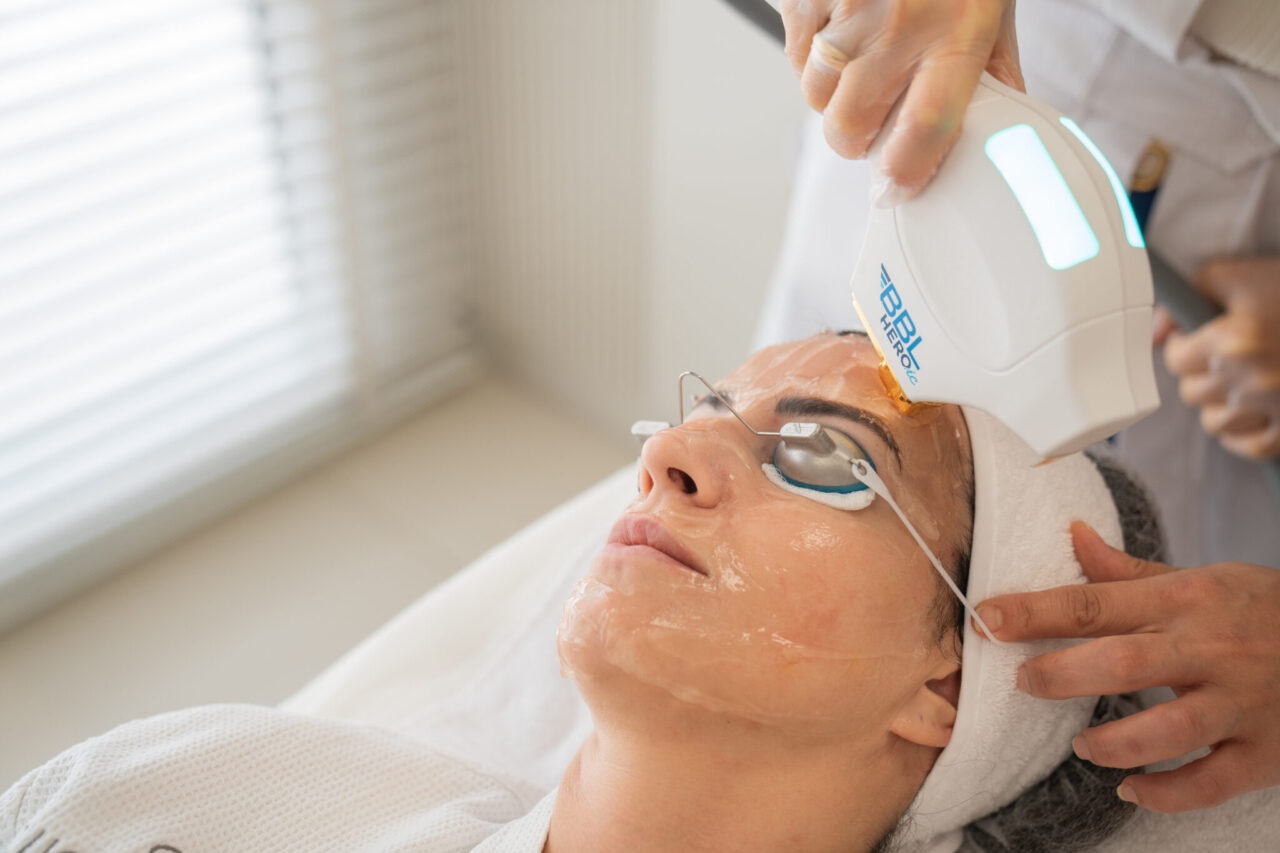
Broad-spectrum light treatments like BBL laser Dubai, are commonly used for sun damage, redness, and early tone irregularities. Many of these systems are based on Sciton platforms that use multiple wavelengths to target pigment and vascular redness in controlled pulses. Demand for pigment-correcting light therapies is high in sun-intense regions such as Dubai, where UV exposure increases pigmentation risk. Depending on pigment depth and cause, light and laser treatments can reduce visible sunspots by 50–80% after a couple of sessions, while conditions like melasma typically require gradual treatment and consistent sun protection.
Acne Scars and Skin Texture
Active acne involves inflammation and bacteria, while acne scars are structural changes in deeper skin layers. This difference is why treatment depth and technology choice matter. Shallow resurfacing can improve mild surface roughness, while deeper fractional approaches help stimulate collagen remodeling to improve scar depth and overall texture.
Options such as Alma hybrid laser treatments work on both the surface and deeper layers in a controlled way. They create targeted zones of improvement while leaving surrounding skin intact, which supports faster healing. Over the following months, natural collagen production helps smooth the skin and gradually improves the appearance of scars.
Skin Laxity and Early Signs of Aging
As we age, collagen production gradually decreases, and elastin fibers lose strength, leading to skin that feels less firm and shows early signs of sagging. Treatments that target deeper layers of the skin can help restore support and improve elasticity over time.
Energy-based devices, including options like hybrid iPixel laser treatment Dubai, can stimulate collagen and tighten tissue without extensive downtime. While resurfacing improves the skin’s surface appearance, these deeper treatments focus on underlying support structures, helping skin look smoother and firmer. Combining surface and deep treatments often produces more balanced, natural-looking results than focusing on one layer alone.
Combination Concerns: Texture, Pigment, and Aging Together
Many patients experience more than one skin concern at the same time. Clinical surveys show that over 70% of aesthetic patients report combined issues, including uneven tone, early fine lines, and mild texture irregularities. Treating only one layer of skin often produces partial improvement, which is why modern treatment plans often target multiple skin depths using different energy approaches.
Multi-application platforms, including treatments like Harmony XL Pro, are designed to address pigment, vascular redness, and mild texture changes within a customized treatment plan. Systems developed by Alma Lasers allow providers to adjust handpieces and energy settings based on the dominant concern during each session. Hybrid or multi-technology treatments can improve surface tone while supporting collagen stimulation in deeper layers, helping patients see broader skin quality improvement rather than single-concern correction.
When Combination Laser Treatments Make More Sense
Patients with layered skin concerns often benefit from multi-step treatment plans rather than relying on one device. Sequential treatments allow skin to heal while collagen production continues between sessions. This approach often produces more natural-looking improvements compared to single aggressive treatments.
Gradual treatment strategies often support long-term skin improvement and collagen maintenance. While aggressive treatments may produce faster initial change, recovery time is longer, and the risk of irritation can increase.
Lucia Clinic’s experts evaluate skin before recommending treatments.
What to Consider Before Choosing a Laser Treatment
Professional skin assessment helps identify skin type classification, pigment distribution, texture changes, and vascular components. This evaluation improves treatment accuracy.
Downtime varies widely depending on treatment depth:
Light treatments: 0–2 days of redness
Fractional resurfacing: 3–7 days recovery
Deep resurfacing: up to 14 days of healing
Lifestyle factors like sun exposure, skincare routine, and maintenance goals also influence treatment selection.
Patients who follow individualized treatment plans often require 30–50% fewer corrective treatments later, based on long-term clinic tracking data.
Lucia Clinic’s Approach to Advanced Laser Treatments
Lucia Clinic uses a detailed skin evaluation before recommending treatment. Device selection is based on measurable skin characteristics and patient goals rather than trends.
Our approach typically includes:
Multi-layer skin analysis
Matching device capability to skin biology and concern
Gradual treatment sequencing for natural-looking improvement
The goal is consistent skin quality improvement rather than short-term correction.
Ensuring Safe and Effective Laser Results
There is no single “best” laser treatment for everyone. The most effective results depend on carefully considering both skin type and skin condition. When comparing laser treatments for different skin types and conditions, it becomes clear that personalized planning delivers safer procedures, better outcomes, and longer-lasting improvements. Expert guidance ensures that each treatment is matched to the individual’s skin characteristics, addressing tone, texture, and firmness while minimizing downtime and complications. By focusing on the right technology for the right skin, patients can achieve natural, balanced results and maintain healthy, refreshed skin over time.
Pigmentation often improves after treatment, yet it can return without the right follow-up care. Sun exposure, hormonal changes, inflammation, and daily skin stress continue to stimulate melanin, even after discoloration fades. That explains why results depend on more than removing visible pigment. There is a real difference between clearing pigment and maintaining results. Corrective treatments address existing dark spots, while maintenance focuses on keeping pigment activity under control. This phase helps protect skin clarity and reduce the risk of recurrence over time. PicoSure and maintenance treatments work best as part of a long-term strategy. PicoSure targets stubborn pigmentation with precision, while maintenance care supports skin stability between sessions. At Lucia Clinic Dubai, treatment plans focus on both stages, helping patients preserve results, support skin balance, and maintain a more even tone long after initial improvement.
Why Pigmentation Recurs
Pigmentation often returns because the triggers behind it never fully disappear. Sun exposure plays the biggest role. UV rays and heat stimulate melanin production, even after successful treatment. Hormonal changes, including pregnancy or contraceptive use, also reactivate pigment cells. Inflammation adds another layer, since irritation, acne, or aggressive skincare can signal the skin to produce more pigment.
There is also an important difference between surface pigment and deeper triggers. Surface pigment sits in the upper skin layers and responds well to treatment. Deeper triggers affect melanocytes, the cells that produce pigment. These cells remain active unless controlled over time, which explains delayed recurrence.
That is why treating pigment once is rarely enough. A single treatment clears visible discoloration, but it does not stop future melanin stimulation. Long-term control requires protection, maintenance care, and strategies that calm pigment activity before new spots appear.
How PicoSure Clears Pigmentation
PicoSure laser uses ultra-short energy pulses, measured in picoseconds, to target pigment without overheating the skin. In simple terms, the laser delivers energy so quickly that pigment shatters before surrounding tissue absorbs heat. This makes treatment more controlled and reduces stress on the skin.
When PicoSure hits areas of discoloration, it breaks pigment into tiny particles. The body then clears these fragments naturally through the lymphatic system over time. Because the pigment is fragmented rather than burned, the skin recovers more comfortably, and tone improves gradually.
PicoSure is often chosen for stubborn and recurrent pigmentation because it can reach deeper pigment triggers. It works on discoloration that resists creams or traditional lasers. This depth and precision help reduce repeat buildup, making PicoSure effective for complex pigmentation patterns that tend to return.
The Importance of Maintenance After PicoSure
Post-treatment care matters as much as the laser itself because PicoSure addresses existing pigment, not future triggers. After treatment, the skin remains sensitive to factors that stimulate melanin. Without proper care, those triggers stay active beneath the surface.
Sun exposure, heat, hormonal shifts, and inflammation can all cause pigment to reappear. Even minimal UV exposure can restart pigment production in treated areas. Skipping protection or follow-up care allows these signals to reach melanocytes, leading to new discoloration over time.
That is why realistic expectations are important. PicoSure improves pigmentation, but long-term management keeps results stable. Maintenance may include sun protection, supportive skincare, and scheduled follow-ups.
Maintenance Treatments That Support PicoSure Results
Maintenance treatments help protect results after PicoSure by strengthening the skin and keeping pigment triggers under control. Gentle skin-strengthening treatments improve resilience, allowing the skin to respond better to environmental stress and daily exposure. Stronger skin reacts less aggressively to heat, light, and irritation.
Hydration and barrier-support therapies also play an important role. Well-hydrated skin maintains a healthier barrier, which limits inflammation and reduces signals that stimulate pigment production. When the barrier stays intact, the risk of uneven tone decreases.
Treatments that calm inflammation further support long-term balance. Ongoing redness, breakouts, or irritation can activate melanin pathways. For patients with post-acne marks, carefully selected acne scars treatment helps control inflammation while improving texture. This balanced approach supports clearer skin, protects PicoSure results, and helps prevent pigmentation from returning over time.
Skincare Habits That Help Prevent Pigmentation
Healthy daily habits play a major role in keeping pigmentation under control after treatment and protecting long-term results:
Daily sun protection and heat control: Apply broad-spectrum sunscreen every morning and reapply when needed. Limit direct sun and heat exposure, since both stimulate melanin production and increase recurrence risk.
Consistent routines over aggressive actives: Follow a steady skincare routine instead of frequent product changes. Overuse of acids or strong actives can irritate the skin and trigger post-inflammatory pigmentation.
Professional guidance for product selection: Choose products with expert input to match your skin type and treatment history. Professional guidance helps avoid reactive ingredients and supports long-term skin balance, especially after pigmentation treatments.
Lucia Clinic’s Approach to Pigmentation Maintenance
Lucia Clinic focuses on personalized treatment plans rather than one-off sessions, because pigmentation behaves differently in every patient. Skin type, lifestyle factors, and underlying triggers all influence how pigment returns. For that reason, each plan evolves based on how the skin responds, not a fixed schedule.
Personalized treatment plans keep your skin healthy.
Ongoing monitoring plays a key role. Skin changes over time, and regular assessments allow treatments to adjust before pigmentation becomes visible again. This proactive approach helps control melanin activity instead of reacting after discoloration reappears.
In-clinic treatments are paired with structured home care strategies to support long-term results. Maintenance plans often overlap with goals such as improving texture and supporting fine lines and wrinkles treatment. This combined approach keeps the skin balanced, resilient, and more resistant to future pigmentation while supporting overall skin quality.
Pigmentation Maintenance: Why Prevention Matters More Than Correction
Pigmentation management works best as an ongoing process, not a one-time fix. While treatments can clear visible discoloration, long-term results depend on controlling the triggers that cause pigment to return. Sun exposure, heat, hormones, and inflammation require consistent attention over time. PicoSure and Maintenance Treatments play an important role within a broader plan. PicoSure addresses existing pigment with precision, while maintenance care protects results and supports skin stability between sessions. Together, they reduce recurrence instead of repeatedly correcting the same concern. Focusing on prevention shifts the approach forward. With proper monitoring, supportive care, and expert guidance, pigmentation becomes easier to manage. Long-term clarity comes from consistency, not repeated corrective treatments.
Exfoliation supports skin renewal, yet it often gets pushed too far. Daily acids, scrubs, and devices can overwhelm the skin’s natural repair cycle. As a result, redness, tightness, stinging, and sudden breakouts appear. At this stage, the goal shifts away from renewal and moves toward repair. Healthy exfoliation encourages cell turnover while keeping the barrier intact. Overuse strips lipids, disrupts moisture balance, and leaves skin reactive to products that once felt comfortable. For these reasons, how EMFUSION supports skin recovery after over-exfoliation becomes important. EMFUSION focuses on restoring hydration, calming inflammation, and reinforcing the skin barrier instead of adding more active stress. The treatment delivers recovery-driven ingredients without friction or irritation. At Lucia Clinic Dubai, EMFUSION is positioned as a supportive option for compromised skin that needs time, nourishment, and stability before returning to corrective treatments.
What Over-Exfoliation Does to the Skin
Over-exfoliation weakens the skin barrier and disrupts its ability to protect itself. Acids, retinoids, scrubs, and exfoliating devices speed up cell turnover beyond what the skin can handle. As a result, natural oils strip away faster than they can replenish. Water loss increases, and the skin becomes more reactive to heat, friction, and products.
Common symptoms include dryness, persistent redness, burning or stinging sensations, sudden breakouts, and heightened sensitivity. Texture may feel rough while the skin appears shiny or tight. Makeup often sits poorly, and even gentle cleansers can cause discomfort.
These signs often get misread as “purging.” True purging happens when active ingredients bring existing congestion to the surface and usually resolves within a few weeks. Over-exfoliation behaves differently. Symptoms worsen over time, appear in new areas, and do not follow a clear cycle.
Why the Skin Barrier Is Key to Recovery
The skin barrier acts as the body’s first line of defense. It locks in hydration while blocking bacteria, irritants, and environmental stress. When the barrier stays intact, skin repairs itself faster and maintains a stable, comfortable feel.
Over-exfoliation depletes barrier lipids and proteins that hold skin cells together. Once these elements break down, moisture escapes more easily. At the same time, irritants penetrate deeper layers. This imbalance leads to dryness, inflammation, and delayed repair. Products that once helped may suddenly cause stinging or redness.
Healing slows when the barrier lacks support because skin must focus on defense instead of renewal. Cell turnover becomes uneven, inflammation lingers, and sensitivity increases. Adding more activities at this stage often worsens the damage.
How EMFUSION Supports Skin Repair
EMFUSION takes a barrier-first approach rather than relying on exfoliation or stimulation. When skin feels stressed or sensitized, adding heat, friction, or strong actives can slow recovery. EMFUSION avoids this cycle. It focuses on replenishing what the skin lacks instead of triggering another response.
The treatment enhances hydration through controlled infusion of skin-supportive ingredients. These ingredients help restore moisture balance and reinforce weakened barrier structures. As hydration improves, skin feels calmer, less reactive, and more comfortable. This balance allows natural repair processes to resume without added strain.
EMFUSION in Dubaisuits stressed or sensitized skin because it works without irritation. There is no abrasion, peeling, or aggressive stimulation. That makes it a safe option when redness, dryness, burning, or sensitivity limit other treatments.
What to Expect After EMFUSION Treatment
Most patients notice immediate comfort after EMFUSION. Skin feels more hydrated, softer, and less tight. Redness often appears reduced, and the surface feels calmer. This early response reflects improved moisture balance and reduced irritation.
Over the short term, skin shows visible calming effects. Sensitivity decreases, and reactions to basic products become less frequent. Makeup applies more evenly, and daily cleansing feels more comfortable. These changes signal that the barrier is beginning to recover.
With time, skin resilience improves gradually. Tolerance to skincare products increases, and flare-ups become less common. Texture stabilizes, and hydration holds longer between applications. This progression indicates a stronger barrier function.
When EMFUSION Is Recommended After Over-Exfoliation
Skin often signals when it needs recovery rather than more correction. Persistent dryness, redness that does not fade, burning or stinging with basic products, frequent breakouts, and sudden sensitivity suggest barrier strain. Tightness after cleansing and poor makeup wear also point to compromised skin that needs support.
EMFUSION fits well into a reset or repair phase. Instead of pushing cell turnover, it allows the skin to slow down and rebuild. This approach helps restore hydration, reduce reactivity, and stabilize the barrier before any active treatments resume. It supports healing without adding stress during a vulnerable period.
Pairing EMFUSION with a simplified skincare routine improves results. Gentle cleansing, barrier-support creams, and limited product use give skin space to recover. Removing acids, retinoids, and scrubs during this phase prevents further damage.
Lucia Clinic’s Approach to Skin Recovery
At Lucia Clinic, skin recovery begins with a personalized assessment. Skin damage presents differently in each patient. For that reason, treatment plans reflect barrier condition, sensitivity level, and healing capacity rather than a fixed formula. This approach allows care to align with what the skin can realistically tolerate during recovery.
The clinic emphasizes long-term skin health over quick fixes. Pushing corrective treatments too soon can extend irritation and delay repair. Once the barrier stabilizes, treatments such as HydraFacial in Dubai may support gentle cleansing and hydration without overstimulation. Timing remains carefully managed to avoid setbacks.
Skin recovery support with EMFUSION
Professional guidance becomes especially important during barrier repair. Knowing when to pause activities and when to reintroduce support treatments protects progress. In later recovery stages, skin boosters in Dubai can help reinforce hydration and skin resilience. This step-by-step guidance ensures recovery stays controlled, balanced, and sustainable.
The Role of EMFUSION in Skin Reset Phases
Repairing the skin barrier should always come before adding new treatments. Without barrier strength, skin cannot hold hydration, defend itself, or respond well to actives. Continuing exfoliation or stimulation at that stage often leads to deeper irritation and longer recovery time. Healing starts only when the skin feels stable, calm, and supported. This is why how emfusion supports skin recovery after over-exfoliation matters. EMFUSION works as a supportive step, not a corrective push. It helps restore hydration, reduce reactivity, and encourage balance. A professional assessment at Lucia Clinic helps identify what the skin truly needs and when to act. Expert guidance protects progress and supports healthier, more resilient skin long term.
Pregnancy is one of the most transformative experiences in a woman’s life: physically, emotionally, and hormonally. While the joy of welcoming a child is unmatched, many women also face an unexpected challenge afterward. Stubborn fat that lingers no matter how diligently they return to healthy eating and regular exercise. These fat deposits often develop in very specific areas and can be frustratingly resistant to change. But can liposuction help with stubborn fat? For women who want to regain confidence in their post-baby bodies, liposuction has become one of the most effective solutions. Unlike traditional weight-loss methods, liposuction directly addresses those “trouble zones,” helping mothers sculpt smoother, more proportionate contours. We at Lucia Clinic have established ourselves as trusted providers of advanced cosmetic treatments, offering tailored approaches to post-pregnancy body contouring.
Why Stubborn Fat Develops After Pregnancy
During pregnancy, the body undergoes dramatic changes to support the baby’s growth. Hormones like estrogen and progesterone affect fat storage patterns, often encouraging deposits in the abdomen, hips, thighs, and arms. These fat reserves serve a biological purpose, but after childbirth, they can become extremely difficult to shed.
Another factor is the stretching of the skin and abdominal muscles. Even if a woman loses pregnancy weight, stretched tissue can create a looser or uneven appearance. Many new mothers find that no matter how many workouts they commit to, certain bulges remain untouched because the body’s fat distribution has permanently shifted.
This is why some women, despite maintaining a balanced diet and active lifestyle, still struggle with localized fat after pregnancy.
What Liposuction Can Do
Liposuction is not designed as a tool for general weight loss. Instead, it is a surgical body contouring technique that focuses on removing excess fat from specific areas. Using advanced suction methods, a plastic surgeon can target localized pockets of fat that resist diet and exercise.
For post-pregnancy patients, this typically means addressing stubborn bulges in the lower abdomen, flanks, hips, thighs, and upper arms. By sculpting these areas, liposuction helps restore more proportionate, youthful-looking body contours.
Many women describe the procedure as the “finishing touch” after pregnancy and weight loss, providing a smoother silhouette that better reflects the effort they’ve already invested in healthy living.
For mothers in the UAE, modern liposuction in Dubai is safer and more refined than ever before, with techniques designed to minimize downtime while maximizing results.
Benefits of Liposuction for Post-Pregnancy Patients
The appeal of liposuction lies in its ability to reshape the body in ways that diet and exercise cannot achieve alone. Benefits include:
Restoring smoother, balanced contours: Liposuction eliminates uneven bulges and improves overall body proportions.
Boosting confidence and body image: Regaining a sense of control over one’s appearance can have a profound emotional impact.
Versatility: Liposuction can be combined with other procedures. Tummy tuck Dubai health professionals offer that or non-surgical skin tightening to address both fat and skin laxity.
For many mothers, these combined treatments, sometimes referred to as a “mommy makeover,” provide the most comprehensive transformation.
Ideal Candidates After Pregnancy
Not every woman is immediately ready for liposuction after childbirth. The ideal candidate is someone who:
Has finished breastfeeding, as hormonal fluctuations during this period can affect fat distribution and healing.
Is at or near her goal weight, since liposuction is about contouring rather than large-scale weight reduction.
Has good skin elasticity, which helps the skin conform smoothly to new body shapes.
Maintains realistic expectations and understands what liposuction can and cannot achieve.
Ultimately, only a consultation with a board-certified plastic surgeon can determine eligibility. Trusted clinics such as Lucia Clinic Dubai offer thorough evaluations to ensure each patient receives a plan suited to her body and goals.
Recovery and Aftercare Considerations
While liposuction is minimally invasive compared to many other surgical procedures, recovery is still a crucial part of achieving the best results. Patients typically experience:
Downtime of about one to two weeks, depending on the extent of treatment.
Compression garments, worn to minimize swelling, support tissues, and encourage smooth healing.
Gradual return to normal activities, light walking is encouraged soon after surgery, but strenuous exercise is delayed until cleared by the surgeon.
Adhering to aftercare instructions, such as staying hydrated, maintaining a nutrient-rich diet, and avoiding sudden weight fluctuations, is essential. These steps ensure long-lasting, natural-looking results.
Long-Term Results and Maintenance
One of the most common questions mothers ask is whether liposuction results are permanent. The answer is yes, with a caveat. Fat cells removed during liposuction do not regenerate; however, remaining fat cells can still enlarge if weight is gained.
This means maintaining results requires a commitment to healthy living. Balanced eating habits, regular exercise, and body care routines all support the longevity of liposuction outcomes. Many women report that having gone through the procedure motivates them to continue making healthier choices, as they want to preserve their new contours.
Alternatives and Complementary Options
Not every woman is ready for surgery after pregnancy, and some may prefer less invasive methods. Fortunately, there is a wide range of plastic surgery in Dubai and aesthetic treatments that can serve as alternatives or complements to liposuction.
Non-surgical fat reduction methods, such as cryolipolysis or radiofrequency-based treatments, can improve smaller pockets of fat without downtime. For those with loose skin or separated abdominal muscles, combining liposuction with a tummy tuck may be recommended.
Liposuction can help with stubborn fat after pregnancy.
Ultimately, the most effective strategy is highly individual. A board-certified surgeon, such as Dr. Mario Russo at Lucia Clinic, can guide each woman toward the safest and most rewarding option.
Can Liposuction Help With Stubborn Fat?
For many women, pregnancy leaves behind more than memories. It can also create stubborn fat deposits that no amount of exercise seems to erase. Can liposuction help with stubborn fat? In such cases, yes, liposuction offers a highly effective solution, sculpting the body back into smoother, more proportionate contours. Choosing the right clinic and surgeon is key. With experienced providers like Lucia Clinic Dubai, patients can trust that their treatment plan will be safe, personalized, and designed to deliver natural-looking results. If you’re ready to take the next step in your post-pregnancy journey, book a consultation today and discover how liposuction can help you regain confidence and embrace your body with pride.