


Tag: Aesthetic treatment

What to Expect From Polynucleotide Therapy for Acne Scars

Getting polynucleotides

Acne scars can remain long after breakouts fade and leave lasting marks that affect both your skin and confidence. There are many treatments, but not all deliver natural-looking results. Polynucleotide therapy is now gaining attention as a regenerative, non-surgical option designed to repair skin from within. It is a whole new approach for people who want smoother, healthier-looking skin without invasive procedures. It stimulates collagen, improves texture, and encourages cellular renewal. At Lucia Clinic Dubai, patients are exploring this therapy as part of advanced aesthetic care. In this guide, we’ll explain what polynucleotide therapy is, how it works, and what results you can expect if you’re considering it for treating acne scars.

What Are Polynucleotides?

Polynucleotides are small fragments of DNA that work with the body’s own repair systems. Once introduced into the skin, they activate natural regeneration while encouraging healthier cell activity and tissue repair. A key benefit is their ability to boost collagen and elastin production, which are essential proteins for firmness, elasticity, and smooth texture. Over time, this leads to skin that looks and feels stronger, more hydrated, and more even.

Key benefits of polynucleotides include:

  • Stimulating collagen and elastin for firmer, smoother skin
  • Enhancing cellular repair and regeneration
  • Improving skin hydration and overall tone
  • Supporting natural healing processes for long-term results

Already popular in skin rejuvenation treatments, polynucleotides are now being applied to acne scars. Since they target damaged tissue, they help rebuild the skin’s structure from within. This is how they make scars less visible and restore confidence in your complexion.

How Polynucleotide Therapy Helps With Acne Scars

Polynucleotide therapy works by stimulating fibroblasts, the cells that are responsible for tissue repair. When activated, these cells produce new collagen and elastin, thus helping to rebuild skin from within. This process reduces the depth and visibility of acne scars over time.

Another benefit is its anti-inflammatory effects. When the irritated skin calms, the treatment creates a healthier environment for healing. It also improves hydration, so it makes skin feel softer and more resilient.

Through gradual remodeling, scar tissue becomes smoother and more even in texture. With consistent care, polynucleotides treatment offers a regenerative, non-surgical way to improve acne scars while enhancing the skin’s overall quality.

The Treatment Process

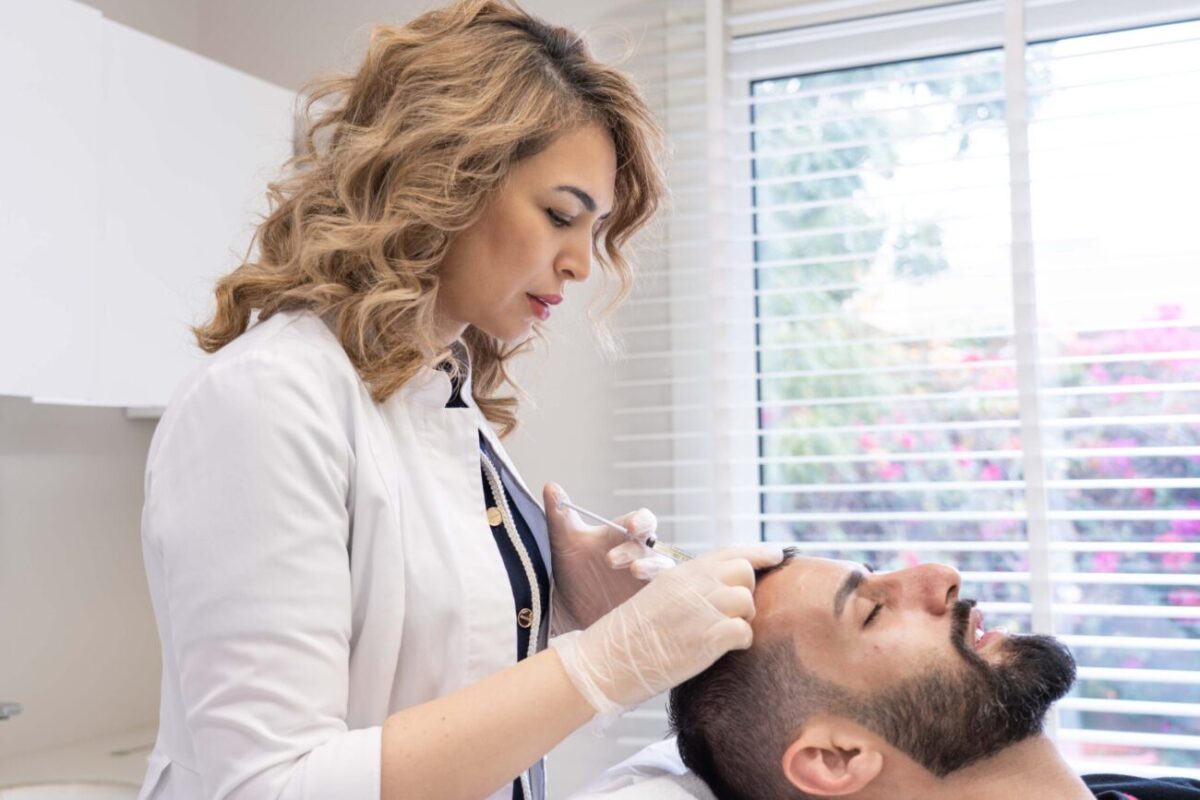
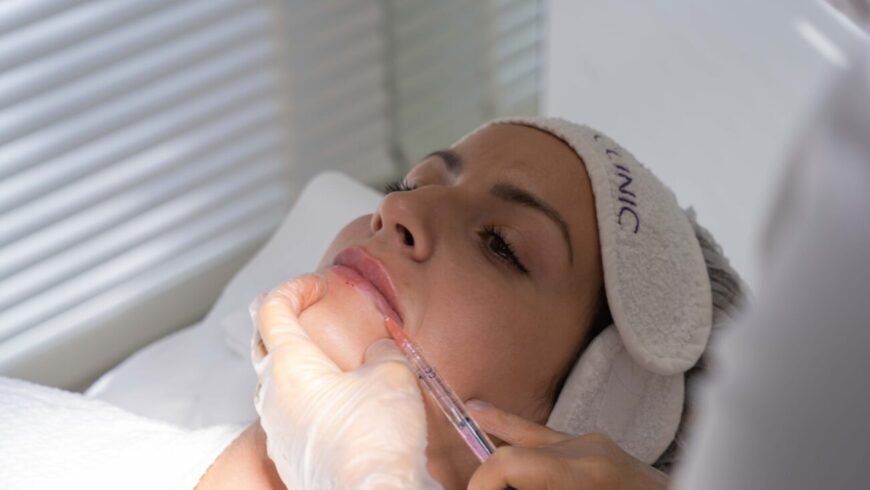
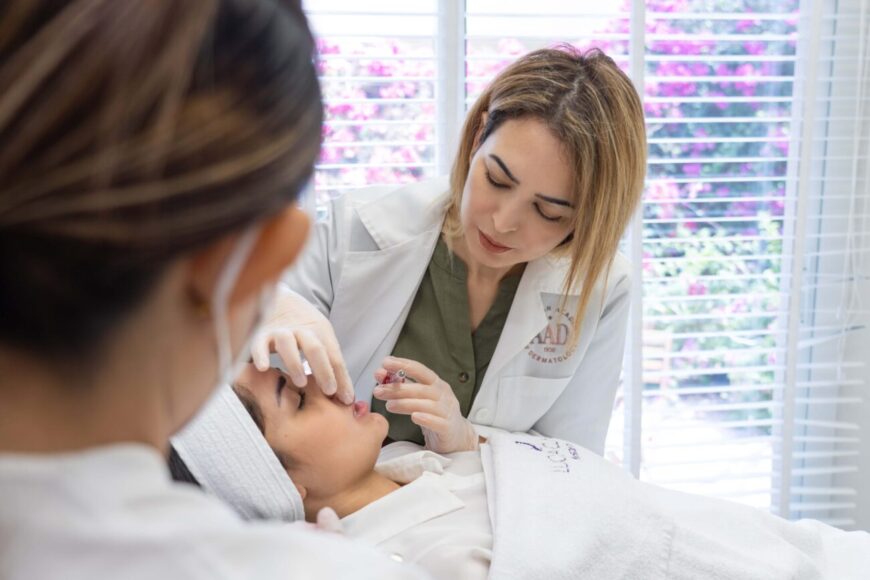
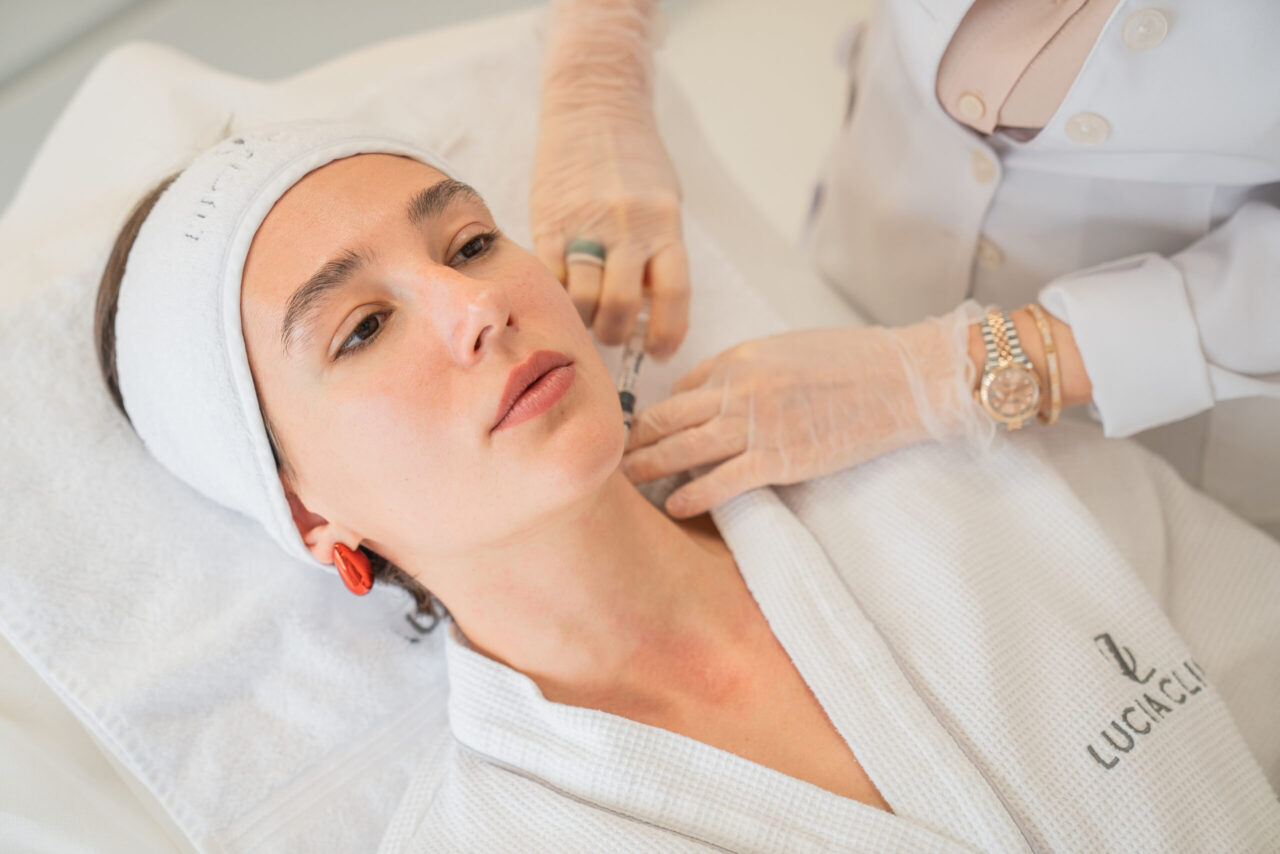
A polynucleotide therapy session starts with a consultation, where your skin is carefully assessed, and your treatment goals are discussed. This step helps create a plan tailored to your needs and the specific type of acne scars you want to improve. Once ready, the provider cleanses your skin to remove impurities and prepare the surface. They then inject the polynucleotides into targeted areas with very fine needles, delivering them directly to the deeper layers where tissue repair and regeneration occur.

The procedure itself is straightforward and usually lasts between 20 and 40 minutes. Some people report mild discomfort during the injections, but the feeling is brief and well-tolerated. Numbing cream may also be applied beforehand to make the process more comfortable. As an acne scar treatment in Dubai, polynucleotide therapy is appreciated for its convenience. It fits easily into a busy schedule, requires no surgical intervention, and allows patients to return to normal activities shortly after the session.

Recovery and Downtime

One of the biggest advantages of polynucleotide therapy is that it involves very little downtime. After a session, the skin may look slightly red or swollen, and small bruises can appear at the injection sites. These reactions are mild and temporary, but usually resolve within a few hours to a couple of days. Most people feel comfortable returning to work, social activities, or exercise either the same day or the next.

To get the best results, it’s important to follow some simple aftercare steps:

  • Avoid direct sun exposure and always use sunscreen.
  • Skip makeup for the first 24 hours to let the skin settle.
  • Keep the skin moisturized with gentle, hydrating products.
  • Avoid hot saunas or intense workouts for a day or two.
  • Follow any personalized advice your doctor provides.

These small measures help the skin heal smoothly and maximize the benefits of the treatment. Over time, following good aftercare habits also supports the long-lasting improvements in texture and hydration that polynucleotide therapy provides.

Results and Expectations

Polynucleotide therapy delivers gradual improvements rather than instant changes. Most people begin to notice visible progress within a few weeks as the skin starts to regenerate and hydration improves. The full benefits, however, usually develop over several months as collagen and elastin production increase and scar tissue remodels.

For best outcomes, multiple sessions are often recommended. Many treatment plans include three to four sessions spaced a few weeks apart, with maintenance treatments suggested later if needed.

Results should be viewed realistically. Acne scars do not disappear completely, but they become softer and less noticeable. The skin also looks smoother, more even in tone, and healthier overall—giving a refreshed appearance that feels natural.

Safety and Suitability

Polynucleotide therapy is considered safe because it uses natural, biocompatible substances that work with the body’s own repair systems. Side effects are minimal and usually limited to mild redness, swelling, or bruising after injections.

It is suitable for most skin types and is especially effective for people with mild to moderate acne scarring. Those with very deep scars may need a combination approach for the best results.
Getting a treatment

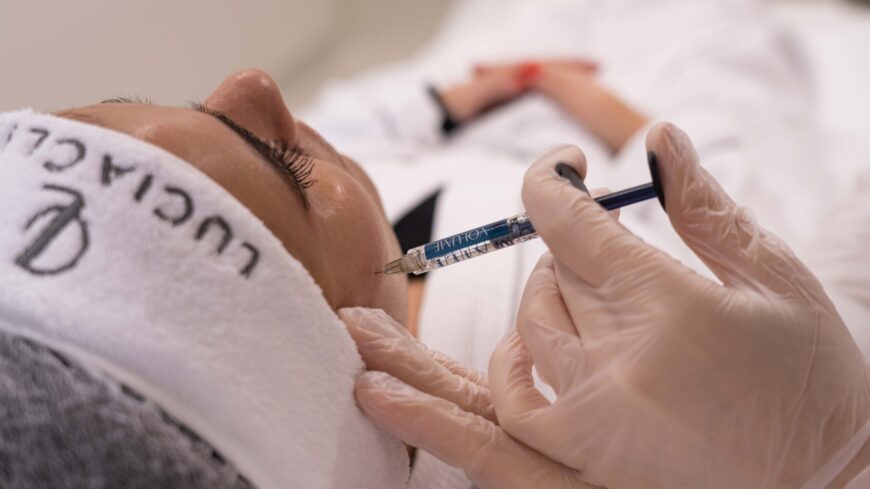
Polynucleotide therapy helps with acne scars.

As with any acne treatment Dubai dermatologists offer, it is important to consult with an experienced provider. A skilled specialist can assess your skin, design a tailored plan, and ensure the treatment is both safe and effective.

Improve Acne Scars with Polynucleotides

Polynucleotide therapy is a natural and effective way to improve acne scars while boosting overall skin health. It works by repairing tissue, softening scars, and enhancing hydration and elasticity. The results go beyond scar reduction, giving skin a smoother, healthier, and more radiant look over time. Safe, well-tolerated, and suitable for most skin types, it offers an appealing alternative to invasive procedures. If acne scars have affected your confidence, this treatment may be the right step forward. Book a consultation today to learn how polynucleotides can help you achieve clearer skin and lasting results.
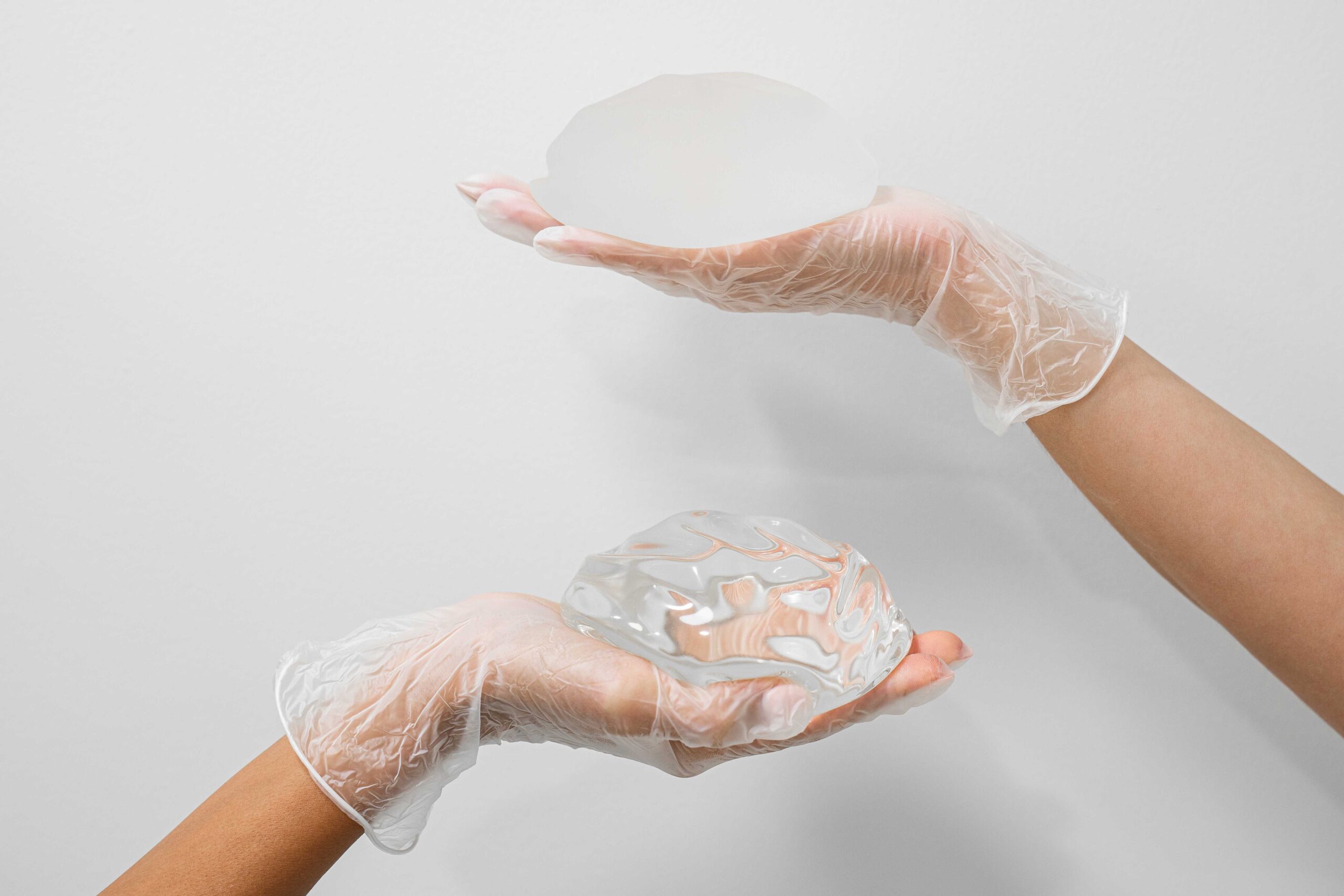

Factors That Affect the Cost of Breast Augmentation Surgery

Implants for breast augmentation surgery

Breast augmentation is one of the most sought-after cosmetic procedures worldwide, offering women the opportunity to enhance their shape, restore volume, and boost self-confidence. However, it’s not a one-size-fits-all surgery. It’s a deeply personalized procedure tailored to each patient’s anatomy, preferences, and goals. With that, personalization comes variation in pricing. Many women considering breast augmentation wonder why the cost of breast augmentation surgery can differ so widely, even within the same city. The truth is that several factors contribute to the final price tag, and understanding them can help you make a confident and informed decision. When choosing where and how to have your procedure, the goal should always be a balance between safety, quality, and the results you desire, rather than focusing solely on the lowest possible cost. And that’s why Lucia Clinic in Dubai is your best choice!

Surgeon’s Expertise and Credentials

The experience and qualifications of your surgeon play a significant role in determining the cost. Board-certified plastic surgeons with specialization in breast procedures, years of practice, and a proven portfolio of successful results often charge more, and for good reason.
An experienced surgeon brings not only advanced technical skill but also the artistic judgment needed to create natural, harmonious results. They understand subtle details such as implant positioning, proportion to body frame, and symmetry correction.
When considering this procedure, breast augmentation Dubai experts suggest choosing a surgeon with extensive experience who ensures you’re entrusting your body to capable hands.

Type of Breast Implants Chosen

Your choice of implant significantly impacts the cost. The two primary types are silicone and saline.

  • Silicone implants tend to feel more natural and are less prone to rippling, making them a popular choice among patients. However, they are generally more expensive due to manufacturing costs and the higher quality of materials.
  • Saline implants are filled with sterile saltwater after insertion. They’re usually less expensive, but they may not feel quite as natural and can be more prone to visible rippling in women with thinner breast tissue.

Beyond the material, there are also differences in shape, profile, and brand warranties, all of which can affect the final price.

Surgical Technique and Complexity

Not all breast augmentations are performed the same way. The surgical technique your surgeon uses can influence both the complexity and cost of the procedure.

  • Implant placement can be either above the chest muscle (subglandular) or below it (submuscular). Submuscular placement often requires more skill and may take longer, impacting surgical fees.
  • Incision location, whether inframammary (under the breast), periareolar (around the nipple), or transaxillary (through the armpit), can also influence cost depending on the technical difficulty.

If you’re combining augmentation with one of the best breast lift Dubai can offer, costs will be higher due to the additional surgical time, complexity, and expertise required.

Facility and Anesthesia Fees

Where your surgery takes place is another important factor. Accredited surgical centers typically charge more than non-accredited facilities, but they also provide higher safety standards, modern equipment, and specialized surgical teams.

Anesthesia fees vary depending on whether a general anesthetic or local anesthesia with sedation is used, as well as the expertise of the anesthesiologist. A highly experienced anesthesiologist is essential for safety, and that expertise is reflected in the price.

Pre-Surgery Consultations and Medical Assessments

A thorough preparation process can slightly increase the upfront cost but significantly improve your safety and final results. Pre-operative steps often include:

  • Detailed consultations to understand your goals.
  • Physical examinations and imaging (such as mammograms or ultrasounds).
  • Blood tests and other health screenings.

At reputable clinics like Lucia Clinic in Dubai, this careful planning ensures your surgery is tailored precisely to your needs, reducing the risk of complications and increasing satisfaction with the outcome.

Post-Surgery Care and Follow-Ups

The surgery itself is only part of your journey. Quality aftercare can influence both recovery and results. This may include:

  • Multiple follow-up appointments to monitor healing.
  • Professional guidance on post-operative care.
  • Access to treatments like scar management, lymphatic drainage massage, or minor touch-ups if needed.

Some clinics include this in the total cost, while others charge separately. It’s important to factor this into your budget from the start.

Location and Clinic Reputation

The region where you have surgery can dramatically affect costs. In high-demand areas like Dubai, prices may be higher due to the competitive market for premium services and the high level of expertise available.

Additionally, the reputation of the clinic matters. Well-established clinics with a track record of excellent results, advanced technology, and world-class facilities, such as those specializing in plastic surgeries in Dubai, often have higher fees that reflect their quality and patient satisfaction rates.

Long-Term Considerations

Breast augmentation is an investment in your appearance and confidence, so thinking long-term is essential. Cheaper implants or less experienced surgeons may save you money now, but could lead to complications or revisions later.

Premium implant brands often come with warranties, which can save you money in the future if replacement is needed. Likewise, the right surgical technique can prolong your results, reducing the likelihood of additional procedures.

Breast implants

It’s important to balance cost and quality.

The Importance of Balancing Cost and Quality

While budget is always a consideration, it should never be the deciding factor in such a significant procedure. Choosing the lowest price can sometimes mean sacrificing safety, expertise, or long-lasting results.
When you select an experienced surgeon, a fully accredited facility, and high-quality implants, you’re not just paying for surgery; you’re investing in peace of mind, health, and satisfaction with your appearance for years to come.

Focus on Value, Not Just Price

The cost of breast augmentation is influenced by numerous factors: your surgeon’s expertise, the type of implants, surgical complexity, facility standards, anesthesia, pre- and post-surgery care, and even the location of your clinic. By understanding these variables, you can make a well-informed choice that prioritizes your safety, aligns with your goals, and delivers beautiful, lasting results. When considering breast augmentation in Dubai, the safest and most rewarding decision is to choose an experienced surgeon at a reputable, accredited facility. In the end, true value comes from exceptional care and results that make you feel confident every day.

The Role of Skin Quality in Abdominoplasty Results: What Patients Need to Know

A man after a tummy tuck

A successful tummy tuck depends on more than removing loose skin or tightening muscles. The role of skin quality in abdominoplasty results shapes how smooth, firm, and long-lasting the outcome will be. Surgeons study each patient’s skin elasticity, collagen strength, stretch marks, and lifestyle habits because these factors influence healing, contour definition, and the stability of the new shape. Poor elasticity can limit how well the skin drapes after surgery, while weakened collagen can affect firmness. Even stretch marks signal areas where the skin may respond differently. At Lucia Clinic Dubai, surgeons use these insights to guide each treatment plan and help patients understand what their skin can achieve. This approach builds realistic expectations and supports better results.

Why Skin Quality Matters More Than Patients Realize

Skin quality shapes the outcome of an abdominoplasty in Dubai, which offers far more than most patients expect. Surgeons look beyond loose skin and muscle separation because the way the skin behaves after surgery depends on its internal structure. Good elasticity allows the skin to redrape smoothly over the abdomen once excess tissue is removed. When elasticity is limited, the skin may not tighten as well, which can influence the overall contour.

Skin quality also affects scar formation and healing. Strong, healthy skin with balanced collagen levels tends to produce finer scars and heal with fewer irregularities. Patients with weakened or damaged skin—often due to sun exposure, aging, pregnancy changes, or weight fluctuations—may experience different healing responses.

The smoothness and tightness of the final result connect directly to collagen strength and the presence of stretch marks. Stretch marks indicate areas of reduced structural support, so those regions may not respond as firmly after surgery. This can shape the level of refinement patients see once swelling fades.

Finally, the long-term stability of the outcome depends on skin durability. Firmer skin maintains its shape longer and supports a more defined abdominal line over the years.

Key Skin Characteristics Surgeons Evaluate Before a Tummy Tuck

Before recommending a tummy tuck, surgeons study several features that reveal how the skin will respond during and after surgery. These characteristics help predict how well the skin will tighten, how smoothly it will settle over the abdomen, and how the scars will heal:

  • Skin Elasticity: Elasticity shows how well the skin can retract and adapt once excess tissue is removed. Strong elasticity helps the skin settle smoothly over the new contour, while reduced elasticity limits how tight the abdomen can appear after surgery.
  • Collagen and Elastin Levels: Collagen and elastin give the skin its structure and firmness. Aging, sun exposure, and repeated weight changes weaken these fibers. Lower levels make the skin less responsive during healing, which can influence the final appearance.
  • Thickness and Structure of the Dermis: A thicker dermis supports smoother results and steadier healing. Healthy dermal layers resist irregularities and help scars mature more evenly, creating a more refined abdominal contour after a tummy tuck.
  • Stretch Marks and Past Trauma: Stretch marks show where the skin has lost structural strength. These areas may not tighten as smoothly as healthier regions. Surgeons explain this during consultations so patients understand what improvements are possible and where limitations may appear.

Factors That Impact Skin Quality Before Abdominoplasty

Before surgery, surgeons review the factors that shaped the skin over the years. Understanding these elements prepares patients for realistic outcomes and helps guide pre-surgery care:

  • Age and Natural Aging Processes: Aging reduces collagen, slows healing, and weakens elasticity.
  • Pregnancy Effects: Pregnancy stretches the abdominal skin and shifts hormones. Many patients also develop diastasis, which alters how the skin drapes once muscles are repaired.
  • Significant Weight Fluctuations: Repeated weight gain and loss create long-term changes in skin structure.
  • Genetics: Genetics influence collagen production, elasticity, and overall skin strength.
  • Sun Exposure and Lifestyle: UV damage breaks down collagen and accelerates aging. Smoking weakens circulation, while poor hydration and nutrition affect skin strength.

How Skin Quality Influences Surgical Technique

Surgeons adjust their approach based on how the skin is expected to respond during and after the procedure. When patients have limited laxity and good elasticity, a mini tummy tuck may be enough to create a clean contour. However, when the skin shows widespread looseness, a full tummy tuck becomes the more appropriate option because it allows for more extensive removal and repositioning.

Skin quality also shapes the decision to combine liposuction in Dubai with the surgery. Firm, elastic skin can adapt well after fat removal, while weaker skin may struggle to tighten, so surgeons use more caution in those cases. Muscle repair plays a major role too. When the skin is healthier and more resilient, the improved muscle support beneath it creates a smoother surface and more defined shape once diastasis recti is corrected.

What Patients With Poor Skin Quality Should Expect

Patients with weaker skin structure often need a more tailored surgical plan. These points help set clear expectations and guide long-term care after surgery:

  • Need for wider skin removal or full abdominoplasty
  • Possibility of mild residual laxity
  • A stronger focus on scar care
  • Realistic expectations about stretch marks
  • Greater importance of maintenance treatments post-surgery

How to Improve Skin Quality Before Your Abdominoplasty

Improving skin quality before a tummy tuck can strengthen the final result and support smoother healing. Surgeons often guide patients through targeted steps that enhance elasticity, boost collagen, and create healthier skin behavior during recovery. Medical-grade skincare can make a noticeable difference. Topical retinoids, peptides, and vitamin C stimulate collagen and support a firmer, more resilient surface.

Non-surgical treatments also help when scheduled well ahead of plastic surgery Dubai surgeons do. Radiofrequency, microneedling, and laser resurfacing encourage tighter, healthier skin, giving surgeons more to work with during the procedure. Daily habits matter too. Strong hydration, balanced nutrition, UV protection, and avoiding smoking help maintain skin strength and improve circulation. Keeping weight steady before surgery also supports better planning and leads to more predictable long-term results.

A body after a tummy tuck

Skin plays a role in abdominoplasty.

The Role of Skin Quality in Abdominoplasty Results

Skin quality shapes both the immediate and long-term outcome of a tummy tuck. Patients who understand the role of skin quality in abdominoplasty results gain clearer insight into what their skin can achieve and how it will respond during healing. Elasticity, collagen strength, past stretching, and daily habits all influence smoothness, firmness, and the longevity of the final contour. When patients address these factors early, they prepare their skin for better recovery and more satisfying results.

Mommy Makeover Recovery Timeline

After pregnancy, many women find that no amount of exercise or diet can fully restore the body they remember. Stretch marks, sagging skin, and changes in breast shape can leave them feeling frustrated, even as they celebrate motherhood. This is where a mommy makeover offers a transformative solution, combining procedures like abdominal contouring and breast surgery to help restore confidence and balance. But a makeover isn’t just about the results. It’s about the journey. Understanding the mommy makeover recovery timeline is key to navigating each stage with confidence and peace of mind. At Lucia Clinic Dubai, patients don’t just undergo surgery; they are guided through the process with a personalized plan that prioritizes safety, comfort, and support. With careful preparation, expert care, and structured follow-up, the recovery journey becomes as clear and manageable as the results themselves.

What a Mommy Makeover Typically Involves

A mommy makeover is not a single procedure. Rather, it’s a customized surgical plan designed to address physical changes that can remain after pregnancy and breastfeeding. Instead of focusing on one area, it takes a more complete approach to restoring balance and proportion. The exact procedures included depend on each patient’s body, goals, and recovery considerations.

A mommy makeover by Dr. Mario Russo may include one or more of the following:

  • Abdominoplasty (tummy tuck): Removes excess skin and tightens the abdominal muscles to create a firmer midsection
  • Breast lift: Raises and reshapes the breasts for a more youthful position
  • Breast augmentation: Restores lost volume for a fuller appearance
  • Breast reduction: Reduces breast size to improve proportion and relieve discomfort
  • Liposuction: Reduces localized fat deposits in areas such as the waist, hips, or thighs

These procedures are often performed together, so recovery timelines can vary. Patients who undergo multiple treatments may experience a longer healing period than those having a single procedure. For this reason, Lucia Clinic surgeons create individualized surgical and recovery plans that reflect both the procedures chosen and the patient’s overall health and lifestyle.

How Lucia Clinic Surgeons Approach Recovery Planning

At Lucia Clinic, patients are guided through recovery under the care of the plastic surgeons in Dubai, ensuring every step is planned with expertise and attention. Recovery planning begins well before surgery takes place. The team takes time to understand each patient’s:

  • Medical history and post-pregnancy changes
  • Lifestyle demands, including childcare and work schedules
  • Long-term aesthetic goals
  • Realistic recovery availability

This approach helps patients prepare not only for the procedure, but also for the weeks and months of healing that follow.

Rather than relying on fixed timelines, Lucia Clinic surgeons plan recovery around the individual. Factors such as the combination of procedures, physical activity levels, and long-term goals are carefully considered. Patients receive clear guidance on what to expect at each stage, including when to rest, when to move, and how to gradually return to normal routines. Research indicates that patients who receive well-organized recovery education before surgery tend to experience less post-operative stress and are more likely to follow care instructions carefully.

Ongoing support is also a key part of this process. Follow-up appointments are scheduled to track healing, answer questions, and adjust aftercare when needed. By focusing on clear communication and structured follow-up, Lucia Clinic ensures patients feel informed and supported throughout their recovery, not just on the day of surgery.

The First 24 to 72 Hours After Surgery

The first two to three days of the mommy makeover recovery timeline are often the most demanding. Your body is slowly beginning to heal, and it is normal to feel tired and sore as the effects of surgery settle in.

During this early phase, you might experience:

  • Swelling and bruising in the treated areas
  • A feeling of tightness or pressure, especially across the abdomen
  • Fatigue related to anesthesia and physical stress
  • Limited comfort when standing fully upright or changing positions

Movement may feel challenging at first, but we encourage gentle activity. Short walks help improve circulation and support early healing, even if energy levels are low. Many patients find it more comfortable to rest in a slightly bent position during this time.

A body after liposuction

Mommy makeover recovery timeline depends on the treatments done.

Support from the surgical team is especially important in these first 72 hours. At Lucia Clinic, patients receive clear guidance on:

  • Pain management and medication schedules
  • Incision care and hygiene
  • Proper use of compression garments
  • When to rest and when to begin light movement

Most discomfort can be managed effectively with proper care and rest. Focusing on recovery during this short but important phase helps create a smoother healing experience in the weeks ahead.

Week One of Recovery

The first week after surgery is focused on rest, protection, and allowing the body to heal. While some movement is encouraged, you’ll still feel sore and tire easily. This is a normal part of early recovery and a time to slow down.

During week one, you can expect:

  • Continued swelling and bruising, often peaking during this period
  • Limited mobility, especially when getting up or changing positions
  • A need for assistance with daily activities, such as lifting or bending
  • Ongoing use of compression garments for support and comfort

You should take short walks throughout the day to support circulation, but avoid strenuous activity. Lifting restrictions are common, particularly for those who have had abdominal surgery, to protect healing tissues.

At Lucia Clinic, surgeons guide patients closely during this phase by providing clear instructions on:

  • Wound and incision care
  • Safe movement and posture
  • Managing discomfort and inflammation
  • Proper use and duration of compression garments

This first week is a critical stage of recovery. Prioritizing rest and following post-operative guidance helps reduce the risk of complications and supports steadier healing in the weeks ahead.

Weeks Two to Three

By weeks two to three, many patients begin to notice gradual improvements in comfort and energy. While the body is still healing, daily activities may feel more manageable, and early swelling starts to decrease.

During this stage of the mommy makeover recovery timeline, you may experience:

  • Reduced bruising and slowly decreasing swelling
  • Improved ability to stand and walk more comfortably
  • Less reliance on pain medication
  • Mild tightness or sensitivity in treated areas

You can resume light daily routines, but still refrain from heavy lifting and strenuous exercise. Patients are encouraged to listen to their bodies and increase activity slowly rather than pushing through discomfort.

Lucia Clinic supports patients during this phase through scheduled follow-up visits, which allow surgeons to:

  • Check incision healing and overall progress
  • Adjust activity guidelines as appropriate
  • Address concerns or questions as recovery evolves

This period marks an important transition from early healing to greater independence. With proper guidance and patience, most patients feel more confident navigating daily routines while continuing to protect their results.

Weeks Four to Six

Between weeks four and six, many patients begin to feel noticeably more comfortable and capable in their daily routines. You’re still healing, but this stage is where you get a sense of progress as swelling goes down and movement feels more natural.

During this phase, you may notice:

  • Improved mobility and posture
  • Decreased swelling, especially in the morning
  • Greater comfort when sitting, standing, and walking
  • Increased energy compared to earlier weeks

Depending on individual healing and surgeon guidance, some patients may be cleared to return to non-physical work or introduce light exercise. Activities are added gradually, with a continued focus on avoiding strain, particularly in areas that are still healing.

Lucia Clinic surgeons assess recovery carefully before approving any increase in activity. Follow-up visits during this time help ensure:

  • Incisions are healing properly
  • Swelling is resolving as expected
  • Activity levels match the body’s recovery pace

Weeks four to six often mark a turning point in recovery, but patience remains important. Allowing the body the time it needs during this stage supports stronger healing and more stable long-term results.

Two to Three Months Post Surgery

By two to three months after surgery, many patients begin to see their results take on a more natural look. While there may still be some swelling, especially later in the day, you may start feeling more comfortable and confident during this stage.

At this point, you may notice:

  • Continued reduction in swelling and firmness
  • Improved definition in treated areas
  • Greater ease with everyday movement and exercise
  • Increased comfort in clothing

Scars are still healing during this phase of the mommy makeover recovery timeline, so they might seem firm or slightly raised. This is a normal part of the process, as scar tissue can take several months to soften and fade. Consistent care and patience play an important role in how scars mature over time.

Lucia Clinic provides ongoing guidance focused on long-term results, including advice on:

  • Scar care and skin protection
  • Safe progression of physical activity
  • Maintaining results through healthy habits

This stage represents a shift from active recovery to refinement. While healing is not complete, most patients feel more settled and confident as their bodies continue to adjust.

Long-Term Recovery and Final Results

Long-term recovery continues well beyond the first few months after surgery. While most daily activities feel normal by this stage, the body is still adjusting beneath the surface. There still might be some subtle changes as tissues settle and scars mature.

Over the following months, you may notice:

  • Ongoing softening of treated areas
  • Continued fading and flattening of scars
  • Greater stability in final shape and contour
  • Improved strength and comfort with movement

You can expect the final results to become more apparent between six and twelve months after surgery. This gradual process allows the body to heal fully and helps ensure results look balanced and natural over time.

At Lucia Clinic, surgeons take a long-term view of recovery and outcomes. Follow-up care focuses on:

  • Monitoring scar progression
  • Supporting long-lasting results
  • Addressing any concerns as healing completes

By allowing the body adequate time to heal and following professional guidance, patients can enjoy results that feel comfortable, durable, and aligned with their long-term goals.

Factors That Can Affect Recovery Time

Mommy makeover recovery timeline can vary from one patient to another, even when the same procedures are performed. Healing depends on a combination of surgical, physical, and lifestyle factors, which is why recovery doesn’t follow a fixed schedule.

Some of the most common factors that can affect recovery time include:

  • The number and type of procedures performed during surgery
  • The body’s natural healing response and inflammation levels
  • Overall health and fitness before surgery
  • Adherence to post-operative instructions
  • Activity levels during the early recovery period

Patients who closely follow aftercare guidance, attend follow-up appointments, and allow enough time for rest often experience a smoother recovery. Pushing the body too quickly can slow healing and increase discomfort.

At Lucia Clinic, recovery planning is personalized to account for these variables. Surgeons adjust guidance based on how each patient is healing, helping to reduce risks and support steady progress throughout the recovery process.

Why Surgical Expertise Matters for Recovery

Mommy makeover recovery timeline depends not only on how the body heals, but also on the skill and expertise of the surgeon. Surgical experience, technique, and planning all play a direct role in comfort, healing time, and overall outcomes.

Experienced abdominoplasty Dubai surgeons focus on details that support smoother recovery, including:

  • Precise surgical technique that minimizes tissue trauma
  • Careful handling of muscles and skin to reduce swelling
  • Thoughtful incision placement to support cleaner healing
  • Structured surgical planning that limits unnecessary strain on the body

These factors can reduce post-operative discomfort and help the body heal more efficiently. Patients often experience fewer complications and more predictable results when a specialist with extensive experience in post-pregnancy procedures performs surgery.

At Lucia Clinic, surgeons prioritize both safety and aesthetic outcomes. Their approach combines careful planning with ongoing follow-up, helping patients feel supported throughout recovery and confident in their long-term results.

breast implants

A mommy makeover includes different surgeries.

A Clear Path to Long-Term Results

A mommy makeover is a process that goes well beyond the day of surgery. Healing happens gradually, with each stage building on the last. Understanding the mommy makeover recovery timeline helps set realistic expectations and allows patients to prepare both physically and emotionally for the weeks and months ahead. With experienced surgeons, clear guidance, and consistent follow-up care, recovery becomes more structured and manageable. At Lucia Clinic, patients are supported at every stage, from early healing through long-term results. By allowing the body the time it needs to heal and following professional advice, patients can move forward with confidence and enjoy results that feel comfortable, balanced, and long-lasting.

Common Myths About Neck Lift Surgery You Should Stop Believing

The neck lift surgery has gained prominence in Dubai as one of the most popular rejuvenation procedures for both men and women, helping them achieve a more defined and smoother profile that looks natural. However, even though it continues to grow in popularity, many individuals remain hesitant because of myths about neck lift surgery you should stop believing—misconceptions and outdated ideas that can cloud the decision-making process. At Lucia Clinic, patients find clarity, confidence, and expertise. Known for creating subtle, natural-looking transformations, Lucia Clinic helps individuals feel renewed without losing their authenticity. It’s time to separate fact from fiction and uncover the truth behind the most common myths before deciding whether a neck lift is right for you.

Myth 1 – Neck Lifts Are Only for Older Patients

One myth that many people believe is that only those of a certain age can undergo a neck lift. The truth is that many younger patients in their 30s and 40s seek this procedure to:

  • Refine their jawline
  • Correct early signs of skin laxity
  • Achieve a more sculpted neck contour

At Lucia Clinic, age is not the deciding factor—individual goals and anatomy are. Specialists tailor each treatment to the patient’s unique features, achieving balanced, natural, and harmonious results. Whether for subtle refinement or more noticeable rejuvenation, the focus remains on enhancing confidence at any age.

Myth 2 – Neck Lift Surgery Looks Unnatural

Another myth is that neck lift surgery causes patients to appear too tight and artificial. Modern improvements in plastic surgery in Dubai made this obsolete concept even more alien. The current processes are aimed at slight rejuvenation that provides natural shapes without altering the appearance of a person.

In Lucia Clinic, the experts apply high levels of surgical accuracy to elevate and contour the neck region, yet do not disrupt the balance of the entire face. What comes out is a flowing, young look, but natural and not excessive, as it is also an indication of the devotion to art and balance that the clinic applies in all treatments.

Myth 3 – Non-Surgical Treatments Can Achieve the Same Results

While devices and injectables can improve firmness and tone, they cannot match the sculpted lift and long-lasting definition that surgical techniques provide.

Many patients start with neck tightening treatment Dubai options to address mild sagging, and later combine them with a neck lift for enhanced rejuvenation.

At Lucia Clinic, specialists create customized treatment plans that may include:

  • Surgical lifts for long-term definition
  • Non-surgical boosts for maintenance
  • Or a combination approach for the best of both worlds

The outcome is a naturally refined profile that embodies precision, balance, and expert aesthetic care.

Myth 4 – Recovery Is Long and Complicated

A lot of individuals fear the neck lift as they feel that the recovery process is tedious and long. On the contrary, a majority of the patients go back to their usual lives in a couple of weeks. Nowadays, the treatment is easier and painless than some may think, with the new techniques and thoughtful planning.

In Lucia Clinic, patients are provided with comprehensive aftercare education and special recovery services in order to achieve the best outcomes at minimal loss of time. Since customized aftercare plans include frequent follow-ups, the clinic team makes each part of the recovery process easy and comforting enough, helping the patients look and feel fresher than ever before.

Myth 5 – Neck Lifts Are Only About Tightening Skin

Another major myth that remains widespread is that a neck lift only tightens loose skin. In reality, the procedure goes far beyond surface improvements—it reshapes and refines the entire lower face and neck area. It also:

  • Refines underlying muscles for long-term firmness
  • Sharpens the jawline to restore youthful definition
  • Reduces excess fat for a smoother, more sculpted contour

Many patients who initially explore double chin removal Dubai treatments find that a neck lift provides a more comprehensive, lasting solution. While non-surgical methods can reduce small pockets of fat, surgery addresses both the fat and the underlying structure, creating a naturally contoured, lifted appearance.

At Lucia Clinic, specialists focus on complete lower-face rejuvenation, harmonizing every detail from the chin to the collarbone for balanced, confident results.

Myth 6 – Results Don’t Last Long

It’s a common belief that neck lift results fade quickly, but when performed with precision and followed by proper care, the effects can last for many years. Factors like healthy lifestyle habits, consistent skincare, and occasional non-surgical maintenance treatments can further extend the rejuvenated look.

Patients are guided through every stage—from surgery to aftercare—to help preserve their refined contours and youthful definition at Lucia Clinic. The clinic’s holistic philosophy ensures that long-term results are not just achieved but maintained, allowing patients to enjoy a naturally elegant appearance that stands the test of time.

A woman looking at her neck in a mirror

At Lucia Clinic, we tailor all the plans to your needs.

When to Consider a Neck Lift

If you’ve noticed sagging skin, visible neck banding, or a loss of definition along your jawline, it may be time to consider a neck lift. These are common signs of aging that can be effectively addressed with a well-planned, expertly performed procedure.

At Lucia Clinic, every treatment begins with a personalized consultation, where specialists assess your unique anatomy and aesthetic goals. This thoughtful approach ensures realistic expectations, natural results, and a rejuvenation plan tailored to your individual needs—helping you look refreshed, confident, and completely yourself.

Rediscover Confidence with Expert Neck Lift Surgery in Dubai

Understanding the truth behind the myths about neck lift surgery you should stop believing is the first step toward making an informed, confident decision. Once you separate fact from fiction, it becomes clear that modern neck lift procedures in Dubai offer natural, long-lasting results with minimal downtime. Today’s advanced techniques focus on subtle enhancement, restoring youthful definition and balance without compromising authenticity. At Lucia Clinic, every treatment is performed with precision, safety, and artistry—tailored to each patient’s goals. If you’re ready to rejuvenate your neck and jawline with trusted specialists, schedule a consultation at Lucia Clinic and explore the most effective, confidence-boosting options available.

Creatine and Hair Loss: Separating Myths From Facts

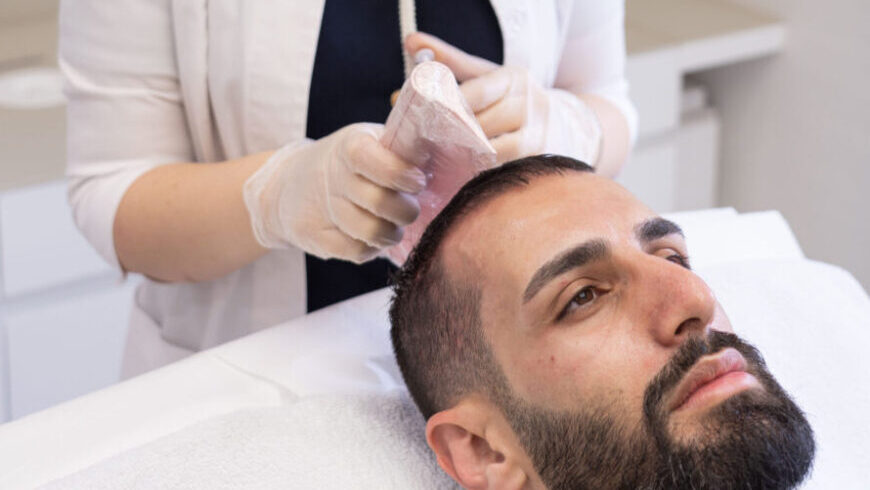
A man getting a hair loss treatment Search online for Creatine and Hair Loss, and you’ll quickly find claims suggesting that this popular performance supplement may lead to thinning hair. These concerns circulate widely across forums, social media, and fitness communities—often without a clear scientific context. So why is creatine often blamed for hair loss online? Much of the concern comes from isolated anecdotes, misinterpreted research, and the broader rise of supplement-related hair loss fears. When people notice changes in hair density or shedding, it’s common to link them to the most recent habit change, even though genetics, stress, hormones, and nutrition play a much larger role. Hair specialists, including clinicians at Lucia Clinic in Dubai, frequently point out that appearance changes are often misattributed to a single cause, especially when hair health is influenced by multiple factors.

Where the Creatine–Hair Loss Myth Comes From

The link between creatine and hair loss didn’t start in a lab—it started online. Gym culture and online forums shaped the narrative, with anecdotal stories spreading faster than scientific explanations. When one person notices hair shedding after starting creatine, the assumption is often repeated as fact, even without supporting evidence. Timing makes creatine an easy scapegoat. Many people begin using creatine during periods of intense training, dietary changes, higher stress, or natural age-related hair changes. When hair thinning appears around the same time, creatine is blamed simply because it’s the most obvious new factor. This is a classic example of confusing correlation and cause. Just because two things happen at the same time doesn’t mean one caused the other. Hair loss is influenced by genetics, hormones, lifestyle, and overall health—factors that are often already in motion long before creatine enters the picture.

What People Usually Notice First

Most concerns around hair loss begin with increased shedding rather than true hair thinning. Seeing more hair in the shower drain, on pillows, or in a brush can feel alarming, even when overall hair density hasn’t changed. Others notice subtle visual changes, such as a wider part line, less volume at the crown, or hair that doesn’t style the same way. These shifts are often interpreted as hair loss, but they don’t always reflect actual follicle damage or permanent thinning. Hair can look thinner without true hair loss for several reasons. Temporary shedding cycles, dehydration, weight changes, stress, hormonal fluctuations, or reduced scalp oil can affect how full hair appears. Lighting, styling habits, and shorter growth phases can also exaggerate the appearance of thinning. In many cases, the hair itself is still growing—just behaving differently than before.

Factors That Affect Hair Appearance More Than Creatine

Before blaming a single supplement, it’s important to understand that hair appearance is influenced by a wide range of internal and external factors:
  • Stress, lifestyle changes, and intense training: Heavy workouts, poor sleep, travel, and elevated cortisol levels can disrupt the hair growth cycle, often triggering temporary shedding or reduced volume.
  • Diet shifts and calorie changes during fitness phases: Cutting calories, reducing carbs or fats, or increasing protein without adequate micronutrients can impact hair density and shine, even when overall nutrition seems “clean.”
  • Scalp health and inflammation: Dandruff, buildup, irritation, or inflammation can affect how hair grows and sits on the scalp, making hair look flatter, thinner, or less dense.
  • Genetics and natural hair cycles: Androgen sensitivity, age-related changes, and normal shedding phases play a major role in hair appearance—often independent of supplements or training routines.

Why Hair Loss Often Shows Up During Fitness Changes

Hair changes often appear during fitness transitions because the body is under a form of controlled stress while it adapts to new demands. Starting a new training program, increasing workout intensity, cutting calories, or changing macronutrient intake all require the body to re-prioritize energy and resources. During these adaptation phases, non-essential functions—like hair growth—can temporarily shift, leading to increased shedding or reduced volume. Hair also responds slowly to internal changes. Each strand follows a growth cycle that lasts months, meaning what you see in the mirror today often reflects what was happening inside the body weeks or even months earlier. This delayed response is why hair changes can seem sudden or unexplained. As a result, hair shedding or thinning often shows up months after lifestyle shifts, not at the moment those changes occur. This timing mismatch makes it easy to blame recent habits, like starting creatine, even though the underlying trigger began long before.

When Creatine Is Unlikely to Be the Real Issue

In many cases, hair changes that occur around the time creatine is introduced are coincidental rather than causal. Certain patterns suggest that creatine is unlikely to be the real issue behind what you’re noticing.
  • Stable hairline with temporary shedding: Increased shedding without recession or progressive thinning often points to a temporary cycle shift, not supplement-related hair loss.
  • Hair thinning that stabilizes after lifestyle adjustment: When volume or density returns to baseline once training, stress, or nutrition levels normalize, it suggests the trigger was systemic—not creatine itself.
If hair doesn’t noticeably improve after discontinuing creatine, it’s a strong sign that the cause lies elsewhere, such as genetics, hormones, or overall health.

Aesthetic Support for Hair Thinning at Lucia Clinic

When hair thinning becomes noticeable, professional guidance can help clarify what’s actually happening and which options are appropriate. At Lucia Clinic, the focus is on improving hair density and overall appearance, rather than reacting to isolated triggers or online myths. Approaches to hair loss treatment Dubai are personalized and non-invasive, taking into account lifestyle factors, scalp health, and the individual hair growth cycle. There are also separate considerations for women and men, as patterns, causes, and progression of thinning can differ. For example, hair loss treatment for men in Dubai often focuses on preserving density in genetically sensitive areas, while women may experience more diffuse thinning linked to stress or hormonal changes. Options such as ACell PRP Dubai are sometimes considered as part of a broader, medically guided strategy—aimed at supporting scalp health and hair quality, not quick fixes.
Getting hair loss treatment

There are different causes of hair loss, but Lucia Clinic can help prevent them.

Creatine and Hair Loss: Separating Myths From Facts

When it comes to Creatine and hair loss, evidence consistently shows that creatine alone is rarely the true cause. Hair thinning is usually influenced by a combination of genetics, stress, training intensity, diet changes, hormones, and natural hair cycles—not a single supplement. Understanding the full picture is essential. Because hair responds slowly to internal changes, visible shedding or thinning often reflects lifestyle shifts that occurred months earlier. This delay is why creatine is frequently blamed, even when it isn’t responsible. Instead of guessing or reacting to online myths, it’s smarter to address visible hair changes early. Seeking clarity—rather than assuming cause and effect—helps protect hair appearance and reduces unnecessary concern around creatine and hair loss.

Dr. Radmila Lukian at IMCAS World Congress Paris

Dr. Radmila Lukian speaking at IMCAS World Congress Paris

The IMCAS World Congress in Paris is one of the most influential gatherings in aesthetic dermatology, plastic surgery, and anti-aging medicine. Each year, it brings together leading experts from around the world to exchange knowledge, present innovations, and shape the future of the industry. In 2026, Lucia Clinic was proudly represented by its founder and dermatologists, Dr. Radmila Lukian, whose participation reflected her ongoing role as a global voice in advanced aesthetic medicine.

Sharing Clinical Expertise as an IMCAS Speaker

As an invited speaker at IMCAS World Congress Paris, Dr. Lukian contributed her extensive clinical experience across multiple sessions focused on innovation, patient-centered care, and long-term aesthetic outcomes.

In her session on consultations and the patient journey using Restylane fillers, Dr. Radmila shared her personal protocols developed through years of clinical practice. Her presentation emphasized the importance of understanding patient expectations, facial dynamics, and long-term planning when working with injectable treatments. Rather than focusing on isolated procedures, she highlighted how thoughtful consultation and individualized strategies lead to more natural, balanced, and sustainable results.

Later, Dr. Lukian took part in a dedicated session exploring the evolution of aesthetic technology through Thermage. Drawing from her hands-on experience, she discussed how energy-based devices have transformed non-invasive skin tightening and rejuvenation, and how technique, precision, and patient selection play a critical role in achieving refined outcomes. Her insights reflected a broader shift in aesthetics toward treatments that prioritize skin quality, longevity, and natural enhancement over dramatic change.

Engaging With the Industry at the SkinCeuticals Booth

Beyond the lecture halls, Dr. Radmila was also actively involved in sharing expertise at the SkinCeuticals booth throughout the congress. These interactions allowed for direct exchange with fellow professionals, industry leaders, and practitioners interested in advanced skincare science and its role in modern aesthetic practice.

Her presence highlighted the growing importance of combining in-clinic treatments with evidence-based skincare to support skin health, recovery, and long-term results. These discussions reinforced Lucia Clinic’s holistic approach, where technology, technique, and skincare work together rather than in isolation.

A Commitment to Global Education and Innovation

Dr. Radmila’s participation at IMCAS World Congress Paris reflects her continued commitment to staying at the forefront of aesthetic innovation and contributing to the global dialogue shaping the field. By sharing her protocols, insights, and clinical philosophy, she not only represents Lucia Clinic internationally but also brings the latest advancements and perspectives back into her daily practice.

Dr. Radmila Lukian sharing her expertise on advanced aesthetic protocols and patient-centered care during her session at IMCAS World Congress Paris.

Dr. Radmila Lukian presented her clinical insights and treatment philosophy during an expert session at IMCAS World Congress Paris.

Elevating Standards Through Continuous Innovation

Events like IMCAS are more than conferences. They are platforms where experience meets innovation, and where the future of aesthetic medicine is actively defined. Dr. Radmila’s involvement underscores Lucia Clinic’s dedication to excellence, education, and delivering refined, forward-thinking aesthetic care grounded in global expertise.
To experience aesthetic care shaped by international leadership and advanced clinical insight, book a consultation at Lucia Clinic and begin your personalized treatment journey.

The Role of Eye Appearance in Communication and Confidence

A woman looking in a mirror, focusing on her eye appearance

They say the eyes are the “window to the soul,” revealing emotions that words often fail to express. In every interaction, eye contact shapes how people perceive sincerity, interest, and confidence. Beyond expression, the physical appearance of the eyes, whether bright and youthful or tired and dull, can strongly influence how others respond to us. The role of eye appearance in communication and confidence extends far beyond simple aesthetics; it’s deeply tied to how we connect, engage, and present ourselves in social and professional settings. Understanding this connection can help explain why maintaining a fresh, alert look around the eyes can make such a powerful impression. Experts at Lucia Clinic Dubai can help you improve your confidence and appearance with tailored eye procedures.

Why Eye Contact Matters in Human Interaction

Eye contact plays a fundamental role in human interaction. It helps people build trust, show interest, and convey empathy without saying a word. When two people make eye contact, it creates a sense of connection and understanding. People instinctively rely on visual cues from the eyes to read sincerity, attention, and emotional engagement. Someone’s gaze can signal confidence, honesty, or even discomfort. On the other hand, avoiding or struggling to maintain eye contact can suggest insecurity, fatigue, or self-consciousness—often linked to how someone feels about their appearance.

How Eye Appearance Affects First Impressions

The eyes are often one of the first things people notice when meeting someone new. They can instantly shape how others interpret mood, energy, and approachability. Drooping eyelids, puffiness, or dark circles may unintentionally suggest tiredness, stress, or even disinterest, regardless of how someone truly feels.

In contrast, bright, alert eyes can convey enthusiasm, warmth, and confidence, helping to create a positive first impression. Even small differences—like smoother skin around the eyes or a lifted gaze—can subtly influence how others perceive personality and emotion. Because of this, maintaining a refreshed and expressive eye appearance can have a meaningful impact on everyday interactions.

The Psychological Connection Between Appearance and Confidence

There’s a strong psychological link between how someone perceives their appearance and the confidence they project. When a person feels they look tired or aged, it can subtly affect self-esteem and willingness to engage. This self-perception often creates a feedback loop—low confidence can lead to less eye contact and less expressive communication, which in turn reinforces feelings of insecurity. On the other hand, when someone feels good about how they look, their confidence naturally increases. They maintain eye contact, stand taller, and speak with more presence.

Common Concerns That Affect the Eye Area

Several common concerns can affect the appearance of the eyes and influence how refreshed or alert someone looks. These include:

  • Drooping eyelids (ptosis), which can make the eyes appear tired or heavy.
  • Under-eye bags or puffiness are often linked to fluid retention, lack of sleep, or stress.
  • Fine lines and wrinkles, which develop naturally with age as the skin loses elasticity.
  • Hollow or dark under-eye circles, which can create a shadowed or fatigued look.

These changes may result from genetics, natural aging, or lifestyle habits such as poor sleep, dehydration, or sun exposure. Even though they’re common, their impact on facial expression and perceived energy can be significant, influencing both self-confidence and social interactions.

How Aesthetic Treatments Can Enhance the Eye Area

Enhancing the eye area can significantly improve both appearance and confidence. Several aesthetic options target specific concerns while maintaining a natural look. Eyelid surgery Dubai(blepharoplasty) helps remove excess skin or fat from the upper or lower lids, restoring a more youthful and rested appearance.

For those seeking non-surgical solutions, dermal fillers, laser treatments, and skin-tightening procedures can smooth fine lines, reduce hollowness, and brighten the under-eye region. Consistent skincare and maintenance also make a difference—medical-grade eye creams, daily sun protection, and proper hydration support lasting results.

Even subtle enhancements can refresh the eyes and help align how someone feels inside with how they appear outwardly, reinforcing both confidence and authentic self-expression. Some people also consider complementary procedures, such as a nose job in Dubai, to achieve better overall facial balance. When performed by skilled professionals, these enhancements can work together to create a refreshed and harmonious appearance.

The Emotional and Social Impact of Refreshed Eyes

Feeling more comfortable with one’s appearance can have a powerful emotional and social effect. When someone feels confident about how their eyes look, it often translates into a stronger presence during conversations and public interactions. They engage more easily, maintain better eye contact, and express themselves with assurance. This renewed confidence can also improve relationships and communication in both personal and professional settings. On a deeper level, it enhances self-image and uplifts daily mood, creating a positive cycle of self-assurance and connection.

A woman looking at the mirror

Eye appearance can help you in communication.

Choosing the Right Professional for Eye Rejuvenation

Choosing the right professional for eye rejuvenation is an important step toward achieving safe and satisfying results. It’s best to work with board-certified or experienced providers who specialize in facial aesthetics. A personal consultation at the plastic surgery clinic allows you to discuss your goals, treatment options, and what outcomes are realistic for your features.

During this meeting, an eyelid surgery expert, Dr. Mario Russo, can recommend procedures tailored to your needs and comfort level. Most importantly, focus on natural-looking results that enhance rather than alter your expression. The goal is to refresh your appearance while preserving what makes your eyes uniquely yours.

The Role of Eye Appearance in Communication and Confidence

The role of eye appearance in communication and confidence goes far beyond surface beauty. The eyes shape how people connect, express emotion, and build trust. When they look refreshed and alert, they reflect vitality and confidence, enhancing every interaction. Treatments designed for the eye area are not just cosmetic—they help restore authenticity and presence in daily life. Feeling comfortable with one’s appearance can make a lasting difference in both self-esteem and communication. To explore personalized ways to rejuvenate your eyes and rediscover confidence in your look, schedule a consultation with Lucia Clinic Dubai!

How to Achieve the Perfect Jawline with Facial Contouring

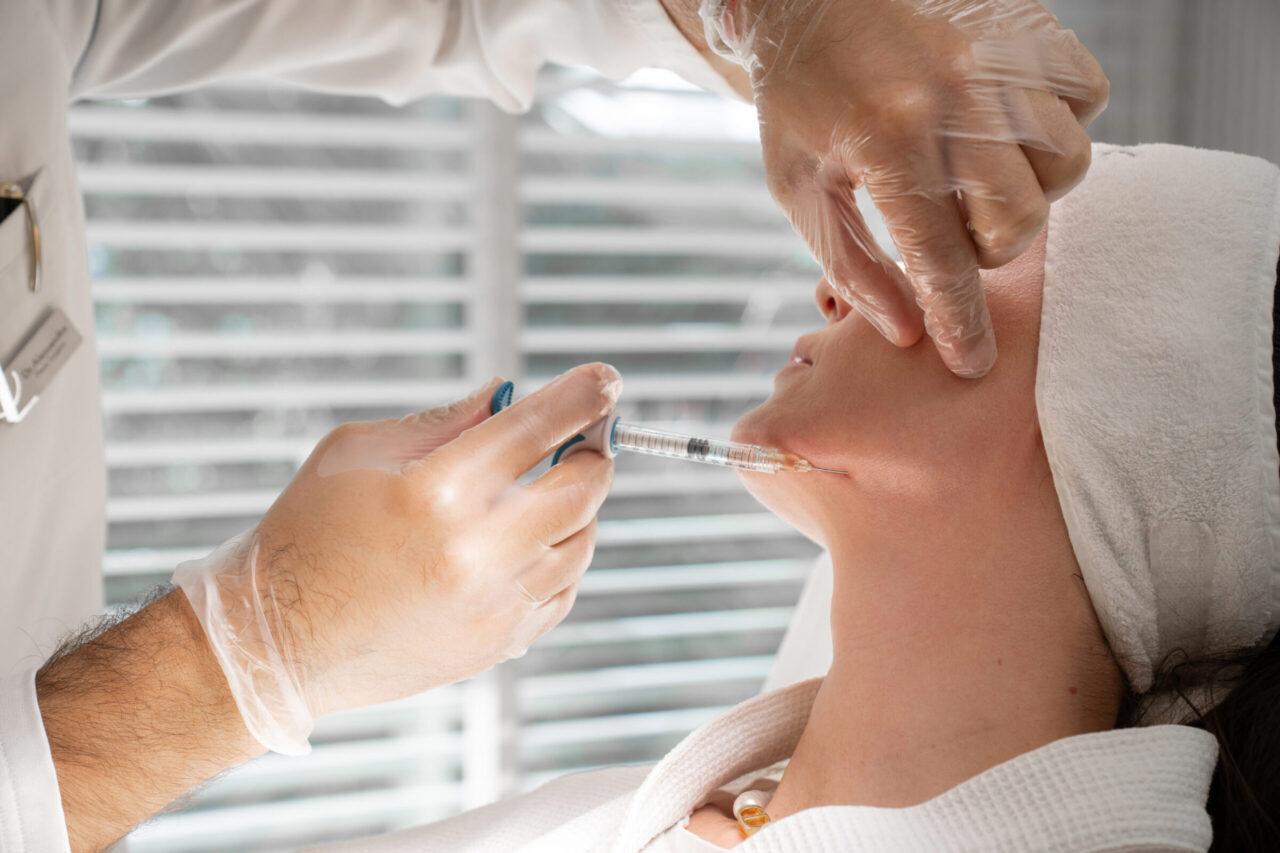
Getting fillers

Non-surgical facial contouring has become one of the most sought-after treatments in modern aesthetics. More people now choose minimally invasive procedures to enhance their features without downtime. Among the most popular methods, dermal fillers stand out for their ability to refine and define the jawline. With precise application, they create sharper angles and improved balance, giving the face a more sculpted look. At Lucia Clinic in Dubai, clients can expect advanced techniques and personalized care. Known as a trusted destination in Dubai for aesthetic treatments, the clinic combines expertise with artistry to help you achieve the perfect jawline with facial contouring.

Why Jawline Definition Matters

The jawline plays a central role in facial balance and overall attractiveness. A well-defined structure creates harmony between the chin, cheeks, and neck, shaping how the face is perceived. For many, a sharper contour adds confidence and enhances natural beauty.

Common concerns include a weak chin, early jowls, sagging skin, or a lack of contour along the lower face. These changes may result from genetics, aging, or weight fluctuations. They can make the face appear less youthful or less structured than desired.

Because of this, many people turn to non-surgical injectables Dubai solutions instead of surgery. Fillers and advanced contouring treatments offer noticeable results without the risks, downtime, or recovery that surgery demands. These methods allow for subtle refinements and natural-looking enhancements.

What Are Dermal Fillers?

Dermal fillers are injectable treatments designed to restore lost volume and enhance facial contours. Most modern face fillers Dubai clinics use are made of hyaluronic acid, a substance naturally found in the skin. Because it is biocompatible, hyaluronic acid-based fillers are considered safe and well-tolerated, with effects that can be reversed if needed.

Fillers work by adding subtle volume beneath the skin. This added support lifts sagging areas, smooths lines, and improves definition. In the lower face, strategic placement along the chin and jawline sharpens angles and restores balance to the overall profile.

The benefits extend beyond structure. Dermal fillers can refresh facial appearance, reduce the look of jowls, and create a more youthful contour without surgery. Results appear quickly and typically last several months to over a year, depending on the type of filler and individual factors.

How Dermal Fillers Enhance the Jawline

Dermal fillers add structure and definition where the jawline may appear soft or uneven. With precise placement, they create stronger angles that highlight the natural bone structure.

They also balance facial proportions by aligning the chin and jawline with the cheeks and other features. This symmetry improves overall harmony and enhances attractiveness.

Another key benefit is softening the appearance of jowls and sagging skin. Fillers lift and support the lower face, reducing heaviness around the jaw.

Altogether, these enhancements produce a sharper and more youthful profile without the need for surgery. The results are immediate, natural-looking, and tailored to the individual’s features.

Treatment Process at Lucia Clinic

At Lucia Clinic, every jawline contouring treatment begins with a tailored approach designed to match each client’s unique features and goals. The process combines medical expertise with artistry, ensuring results look refined and natural.

  • Initial Consultation – Clients meet with a specialist to discuss their concerns and desired outcomes. The doctor evaluates facial structure, skin condition, and symmetry. Based on this, a personalized treatment plan is created.
  • Preparation – The treatment area is cleansed, and a topical numbing cream may be applied to maximize comfort. The specialist explains each step so clients feel at ease.
  • Precise Injection Technique – Using advanced methods, dermal fillers are injected along the jawline and chin. Each placement is strategic, focusing on structure, balance, and definition.
  • Comfort Measures – The procedure typically involves minimal discomfort. Fillers used at Lucia Clinic often contain lidocaine, which helps reduce sensitivity during treatment.
  • Immediate Results – Clients see visible improvement right after the session. The jawline appears sharper, proportions look more balanced, and the lower face gains a youthful contour.

Results and Recovery

Dermal fillers deliver instant improvements to jawline definition, which is one of their most appealing benefits. Clients usually notice a sharper contour, a more defined chin, and an overall balanced profile as soon as the procedure is complete. This immediate transformation provides both aesthetic enhancement and a boost in confidence.

The longevity of results depends on the type of filler used, individual metabolism, and lifestyle factors. On average, jawline contouring with hyaluronic acid fillers lasts 12 to 18 months. Some clients may enjoy results for even longer, especially with consistent follow-up treatments. Regular maintenance sessions help preserve the refined shape and can be customized to enhance the jawline further over time.

Another advantage of dermal fillers is minimal downtime compared to surgical options. Most clients return to their daily routines the same day. Some may experience mild swelling, redness, or tenderness at the injection sites, which typically subsides within a few days.

Aftercare plays an important role in achieving the best outcome. Specialists recommend avoiding strenuous exercise for 24 hours, keeping the treated area clean, and not applying pressure or massaging the jawline. Staying hydrated and maintaining a healthy lifestyle also supports the longevity of results.

Achieving perfect jawline

Achieving a perfect jawline is possible with Lucia Clinic.

Who Is an Ideal Candidate?

Jawline contouring with dermal fillers is suitable for both men and women who want sharper definition and improved balance in their facial profile. It appeals to those who desire noticeable results without the downtime or commitment of surgery.

Ideal candidates are patients looking for a quick, non-surgical solution that enhances their natural features. Treatments can be tailored to different goals—whether that means creating stronger angles for men or softer contours for women.

Several factors are considered during consultation. Skin laxity plays a role, as fillers work best when the skin retains some firmness. Facial structure is also evaluated to determine the best placement for achieving symmetry and proportion. Just as important are the client’s overall goals—whether they wish to correct early signs of jowls, refine a weak chin, or simply create a more sculpted jawline.

Achieve the Perfect Jawline with Facial Contouring at Lucia Clinic

Dermal fillers have become a trusted way to achieve the perfect jawline with facial contouring. They are safe, effective, and provide results that look natural while requiring little to no downtime. With hyaluronic acid-based fillers, clients enjoy sharper definition and improved balance without the need for invasive plastic surgery. At Lucia Clinic, every treatment is guided by expertise and precision. The team specializes in advanced techniques designed to highlight your natural features while maintaining harmony and proportion. Clients receive personalized care that prioritizes both safety and aesthetic results. Choosing Lucia Clinic means placing your confidence in one of Dubai’s leading destinations for facial contouring.

What You Should Know Before Getting Dermal Fillers

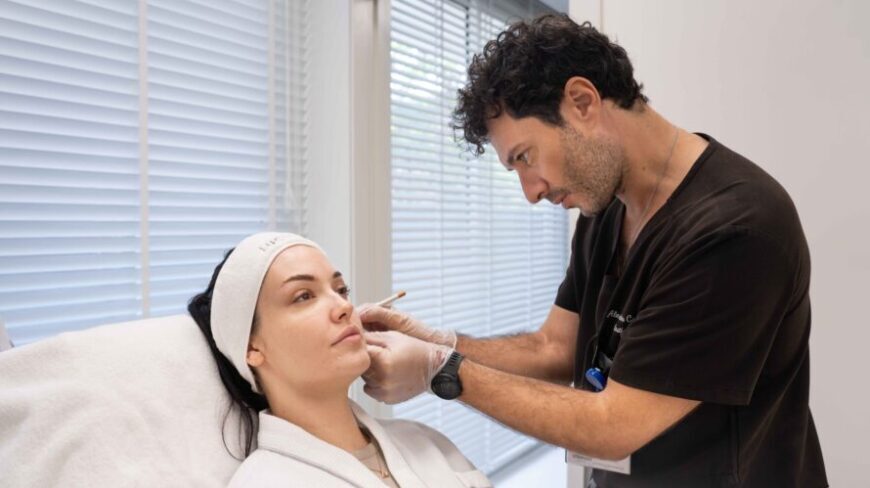
A woman thinking about dermal fillers

Dermal fillers can completely change how you age—not by freezing your expressions, but by restoring natural volume and balance to your face. At Lucia Clinic Dubai, experienced aesthetic doctors use advanced techniques to smooth lines, soften shadows, and enhance your features while keeping you looking like you. With the right treatment plan, dermal fillers can refresh tired eyes, lift the cheeks, define the jawline, and subtly contour the lips–often in less than an hour and with minimal downtime. In this guide, you’ll learn what dermal fillers are, how they work, which areas they can improve, and what to expect from your treatment journey so you can make an informed decision with confidence.

What are Dermal Fillers and How do They Work?

Dermal filler products are soft, gel-like injectables designed to restore lost volume, smooth wrinkles, and refine facial contours. Most modern fillers are based on hyaluronic acid, a substance your body naturally produces to keep skin plump and hydrated. As we age, our natural stores of hyaluronic acid decline, leading to fine lines, folds, hollowing, and sagging.

When a specialist injects these gels into precise layers of the skin or deeper tissues, they bind water, support the surrounding structures, and create a smoother, fresher appearance. Different formulations are designed for different jobs: some are firm enough to sculpt cheeks and jawlines, while others are very soft and ideal for delicate areas under the eyes. Skilled placement is key—at Lucia Clinic, the goal is always balanced, natural-looking results rather than an overdone or “filled” appearance.

Why Choose Lucia Clinic Dubai for Your Treatment?

The injector’s expertise matters just as much as the product itself. At Lucia Clinic Dubai, treatments are performed by experienced doctors and aesthetic experts who focus on facial anatomy, proportion, and subtle detail. Instead of offering a “one-size-fits-all” approach, they create a personalized plan based on your bone structure, soft tissue, age, and goals.

You’ll first sit down for a detailed consultation where you can talk about what bothers you most—tired eyes, flat cheeks, thin lips, or early jowling. Your doctor then recommends specific areas, filler types, and volumes to achieve a harmonious result. Safety is a priority: sterile technique, premium products, and conservative dosing are all standard.

You are encouraged to ask questions and move step by step. A good result doesn’t shout “injected”; it quietly restores freshness so that friends say you look rested, not altered.

At Lucia Clinic, patients especially appreciate:

  • Tailor-made treatment plans
  • A doctor-led approach, not rushed “quick fixes”
  • Use of premium, globally recognized filler brands
  • Focus on natural, age-appropriate results
  • Clear aftercare guidance and long-term follow-up

Types of Dermal Fillers Used at Lucia Clinic

Different concerns require different tools. That’s why Lucia Clinic works with a range of high-quality fillers rather than relying on a single brand.

Hyaluronic Acid Fillers

Hyaluronic acid fillers such as the Juvéderm family are often used to hydrate, smooth, and subtly volumize the skin. Some formulas are ideal for superficial lines, while others can add structure to cheeks or contour the chin. There are also skin-quality boosters like JUVÉDERM VOLITE™, which improve elasticity, glow, and fine texture by stimulating collagen and drawing hydration into the skin.

RESTYLANE products are another trusted range. They can soften moderate to deep wrinkles, enhance lips, and refine facial contours, while also helping with issues like acne scars or etched-in folds. These fillers are versatile and can be carefully layered for very precise results.

Biostimulating Fillers

Biostimulating fillers like ELLANSE and RADIESSE not only add immediate volume, but they also trigger your own collagen production over time. ELLANSE can significantly improve the structural support of the skin with results that may last up to several years, depending on the formulation. RADIESSE is often used for deeper folds, chin and jawline definition, or even rejuvenating the backs of the hands.

Because these products stimulate new collagen, they are particularly useful for patients who want more durable correction and better skin quality, along with volume.

A woman getting lip fillers

Lip fillers are among the most popular fillers.

What Areas Can Dermal Fillers Treat?

Dermal fillers are extremely versatile and can address a wide range of age-related changes as well as purely aesthetic concerns. Rather than focusing on a single line or crease, your doctor at Lucia Clinic often looks at the entire face to see how each area supports the others.

Common treatment areas include:

  • Cheeks and mid-face for lift and contour
  • Tear troughs (under-eye hollows) to reduce tired shadows
  • Nasolabial folds and marionette lines around the mouth
  • Chin and jawline for a stronger profile and definition
  • Nose contouring for minor bumps or irregularities
  • Hands to restore volume and smooth crepey skin

By softly filling deflated areas and supporting key “pillars” of the face, fillers can make you look more rested, open, and refreshed without changing your natural identity.

Lip Enhancement With Lip Dermal Fillers

For many patients, the lips are a central focus. Over time, they can lose volume, definition, and that crisp border between the lip and surrounding skin. Fine lines may appear around the mouth, lipstick may bleed, and the overall shape can look flattened.

At Lucia Clinic, lip augmentation focuses on subtle balance. With carefully chosen lip dermal fillers, your doctor can restore gentle fullness, define the Cupid’s bow, correct asymmetry, and soften vertical lines without creating an artificial or “overfilled” look. The exact technique will depend on your facial structure: some patients benefit from more projection, others from a slightly wider shape, and some only need a touch of hydration and smoothing.

An in-depth consultation helps set realistic expectations. You’ll discuss what you like and don’t like about your lips, and your doctor will guide you toward results that fit your face and age.

Treating the Mid-Face, Under-Eye Area, and Nose

The mid-face plays a huge role in how youthful you look. Flattened or sagging cheeks can cast shadows downward, making lines around the mouth appear deeper. Strategic filler placement along the cheekbones and mid-face can softly lift the lower face, brighten the under-eye region, and restore a more heart-shaped facial contour.

Under-eye hollows, or tear troughs, often create dark circles and a tired appearance even when you sleep well. Because the skin here is delicate, filler choice and technique are critical. A skilled injector can place small amounts of a soft, suitable product to reduce hollows and shadowing while keeping the area smooth and natural.

For those wanting to refine their nose without surgery, liquid rhinoplasty is an option. Fillers can camouflage a small hump, refine the tip, or improve symmetry in carefully selected cases, with very little downtime.

Fillers VS Face Lift Surgery and Other Options

Not everyone wants or needs face lift surgery. Many people in their 30s, 40s, or even 50s still have relatively good skin tone but notice volume loss, folds, or early jowls. For these patients, fillers can reshape and support the face from within, offering a fresher look without scars, general anesthesia, or long recovery.

For those who prefer a lighter touch, fillers can be part of a non-invasive wrinkle treatment plan. Combined with good skincare and sun protection, they help reduce etched-in lines, restore soft contours, and improve overall skin quality, often in a series of short appointments rather than one major procedure.

Some patients want a comprehensive age-management strategy. In those cases, doctors may design an integrated plan featuring dermal fillers alongside some of the most effective anti-aging treatments in Dubai, such as energy-based skin tightening, resurfacing procedures, and medical-grade skincare, depending on your needs and comfort level.

It’s also common to combine fillers with botulinum toxin injections. For example, a Botox treatment can relax overactive muscles, causing dynamic wrinkles (like frown lines or crow’s feet), while fillers handle static lines and hollow areas. Working together, these treatments give a more complete, yet still natural, rejuvenation.

In some situations, especially where there is significant drooping in the upper face, your doctor might discuss surgical options like a brow-forehead lift for long-term lifting of heavy brows or deep forehead lines. Even in these cases, fillers often complement surgery by refining volume and contour after healing.

Anti-Aging for Lower Face, Jawline, and Hands

The lower third of the face often shows aging early, especially around the mouth and along the jaw. Fillers can soften marionette lines, support the corners of the mouth, and create a more defined jawline, reducing the appearance of early jowling. Carefully placed filler in the chin can also improve facial proportion and profile, making the neck appear longer and the jaw more sculpted.

The hands are another giveaway of age. Volume loss here reveals tendons and veins, and the skin can look thin and crepey. By adding suitable fillers to the backs of the hands, your doctor can restore smoothness and softness, helping your hands better match the youthful appearance of your face.

These treatments are usually quick and performed under topical or injectable numbing for comfort. Downtime is minimal for most people, with mild swelling or bruising that fades over a few days.

What to Expect During Your Filler Journey

Understanding the process can make you feel more relaxed and in control. A typical treatment journey at Lucia Clinic looks like this:

  • A detailed consultation and facial assessment
  • Discussion of goals, options, and realistic outcomes
  • Photography to plan and track results
  • Numbing cream or local anesthesia for comfort
  • Precise injections using needles and/or cannulas
  • Gentle massage or shaping of the area
  • Clear aftercare instructions and follow-up plan

Most appointments take under an hour, depending on how many areas are treated. You might notice some immediate improvement as soon as you leave the clinic, with final results settling over the next couple of weeks as the product integrates with your tissues. Follow-up visits allow your doctor to fine-tune results and help you build a long-term plan.

How Long Do Results Last and How Can You Maintain Them?

The longevity of dermal fillers depends on the product used, where it’s placed, your metabolism, and lifestyle. Softer fillers in highly mobile areas like the lips tend to fade faster than firmer fillers in the cheeks or chin. On average, results can last anywhere from 6 months to 18 months, and biostimulating fillers may last even longer due to increased collagen.

To help maintain your results, your doctor may recommend periodic touch-ups rather than waiting for everything to fully fade. This approach often requires smaller amounts of product and keeps your appearance stable and natural. Good skincare, daily sunscreen, brow-forehead lift, adequate water intake, and not smoking all support longer-lasting results.

You’ll also receive personalized advice on when to return and which complementary treatments—like peels, light therapies, or skincare—may enhance your overall outcome.

Safety, Side Effects, and Choosing the Right Injector

When performed by trained medical professionals using high-quality products, dermal filler treatments are generally safe. However, as with any medical procedure, there are potential side effects. Common, temporary reactions include redness, swelling, tenderness, and mild bruising in treated areas. These usually resolve within a few days.

More serious complications are rare but can occur, which is why it’s crucial to choose an experienced doctor in a reputable clinic. At Lucia Clinic, your medical history is reviewed carefully, and your doctor explains risks, benefits, and alternatives before treatment. You’ll also learn what to look out for after your appointment and how to contact the clinic if you have concerns.

A doctor treating patients.

You can ask our experts all the questions about dermal fillers.

This combination of advanced technique, premium products, and attentive aftercare helps make your experience as safe, comfortable, and predictable as possible.

Your Journey to Natural Rejuvenation Starts Here

Dermal fillers can be a powerful tool for restoring volume, softening lines, and refining your facial features in a subtle, natural way. When planned and performed by experienced doctors, they don’t change who you are—they simply help you look fresher, more rested, and more confident. If you’re considering dermal fillers, schedule a personalized consultation at Lucia Clinic in Dubai. You’ll have a chance to discuss your concerns, explore options, and design a plan tailored to your face, lifestyle, and long-term goals, so every visit moves you closer to the version of yourself you want to see in the mirror.