


Tag: anti aging procedures

Brilliant Must-Have Aesthetic Treatments for Brides-to-Be

A bride to be getting ready

Every bride wants to feel her absolute best on her wedding day, and advanced aesthetic treatments can make that vision a reality. Bridal beauty is about more than makeup and hair—it’s about radiant skin, refreshed features, and confidence that shines. At Lucia Clinic Dubai, brides-to-be have access to some of the most sought-after non-surgical treatments designed to enhance natural beauty ahead of the big day. From skin rejuvenation to contouring options, these treatments deliver results that look effortless yet refined, helping brides step into their celebration with confidence and glow.

How to Get Firm and Youthful Skin With a Non-Invasive Facelift

A non-invasive facelift uses advanced technology to lift, tighten, and rejuvenate the skin without surgery. These face rejuvenation Dubai treatments stimulate collagen production, improve skin elasticity, and refine facial contours—all without needles, stitches, or lengthy recovery periods. For brides-to-be, this means achieving firmer, more youthful-looking skin in time for the wedding, without disrupting busy schedules.

Ultherapy for Effective and Natural-Looking Results

This non-invasive facelift treatment is perhaps one of the most popular for brides-to-be. The reasons are simple – Ultherapy is safe and doesn’t require any downtime. It’s perfect for your hectic schedule.

With Ultherapy, it’s all about focused ultrasound energy that penetrates your skin at different depths. What singles this non-invasive facelift treatment is that it targets the skin layer, which has collagen and elastin – two super important proteins that keep your skin youthful.

Now, this powerful energy awakens collagen and elastin, and they start to build up. Very soon, your skin feels tighter and appears more lifted. Another thing – your wrinkles and fine lines are a thing of the past.  The secret of Ultherapy is that it gradually restores your skin’s radiance and youthfulness

Another great benefit of Ultherapy is that it is a major time saver – you only need one session. This gives you plenty of time for your other wedding day preparations. Just make sure to time this session properly because you will see the final results of Ultherapy after 2 to 3 months. It gives you gradual results, but once they are there, they are here to stay. Ultherapy gives you long-lasting outcomes – you will enjoy the effects of this non-invasive facelift long after your wedding day is over.

Thermage FLX for Ultimate Facial Rejuvenation and Lifting

This non-invasive facelift treatment can literally take years off your face and help you achieve that subtly enhanced facial skin without worrying about downtime or recovery.

Thermage FLX uses radiofrequency energy that goes deep into your skin layers. Its main target is dormant collagen, which needs to be awakened. The energy boosts the production of this super-important protein, and very soon, your skin is tighter, lifted, and glowing.

Thermage Dubai can be fully customized to suit your needs – the amount of energy is precisely measured, which gives you the best results (without any risks).

This groundbreaking non-invasive facelift treatment can subtly lift your eyelids, eyebrows, and jowls. Plus, it reduces fine lines and wrinkles and generally improves the texture of your skin.

After a single session, you will notice the first improvements – your facial skin will be smoother and tighter. But Thermage FLX triggers your own body’s collagen production, so the final results will be there in about 6 months.

How to Look Gorgeous With Facial Contouring Treatments

Facial contouring treatments are designed to enhance your natural features by creating definition and balance. These non-invasive procedures target areas like the jawline, cheeks, and chin, giving the face a more sculpted appearance. For brides-to-be, facial contouring can create a refreshed, harmonious look that photographs beautifully on the wedding day.

At Lucia Clinic Dubai, advanced contouring treatments work by stimulating collagen, tightening the skin, and improving facial proportions without surgery. The results are subtle yet noticeable, helping you look radiant and confident when all eyes are on you.

Dermal Fillers for Elegant Facial Contouring

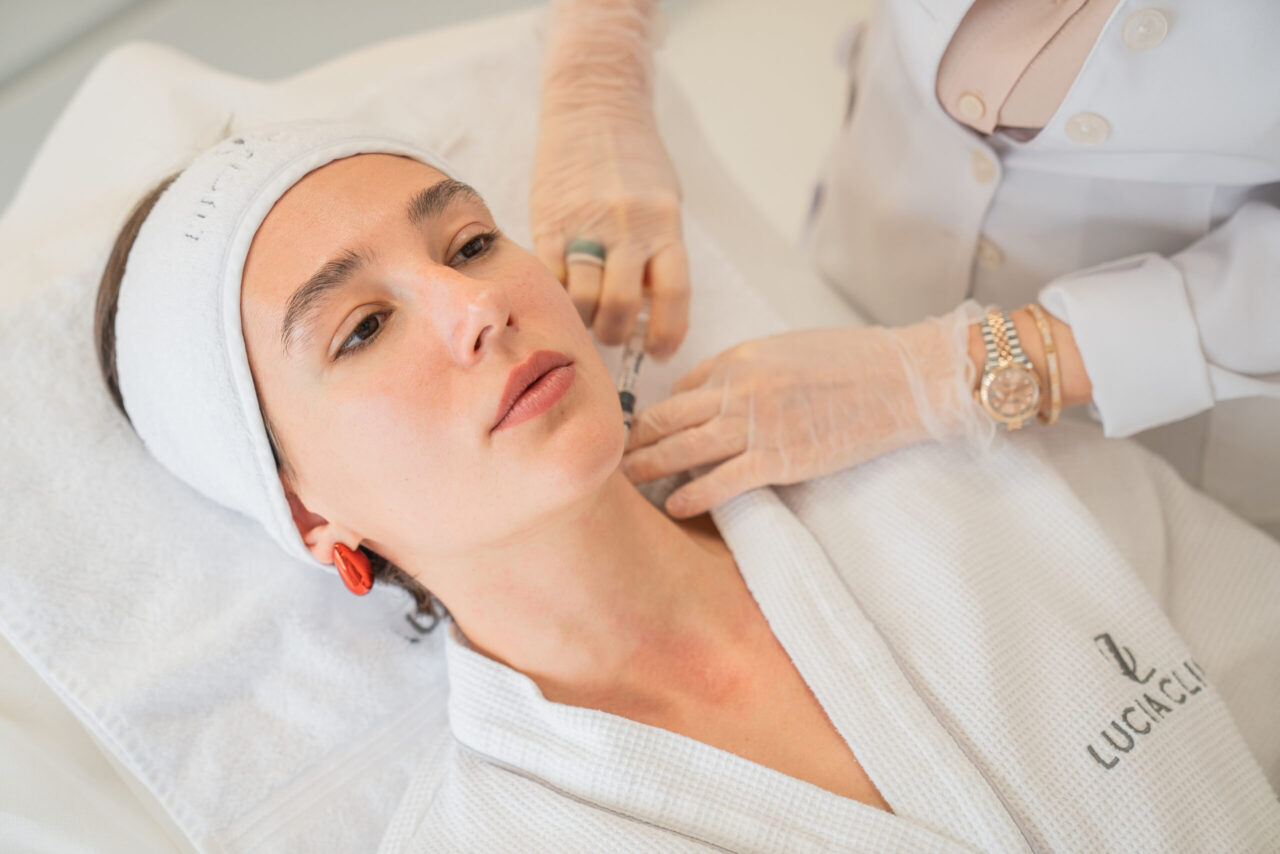
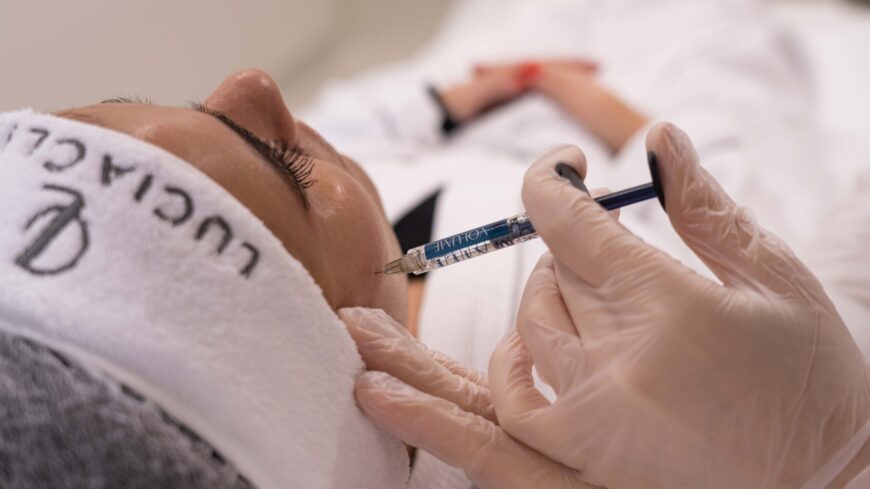
Dermal Fillers Dubai brides trust are minimally invasive facial contouring treatments that can become your secret ally in achieving that perfect look of your face. They are injectable products of the highest quality.
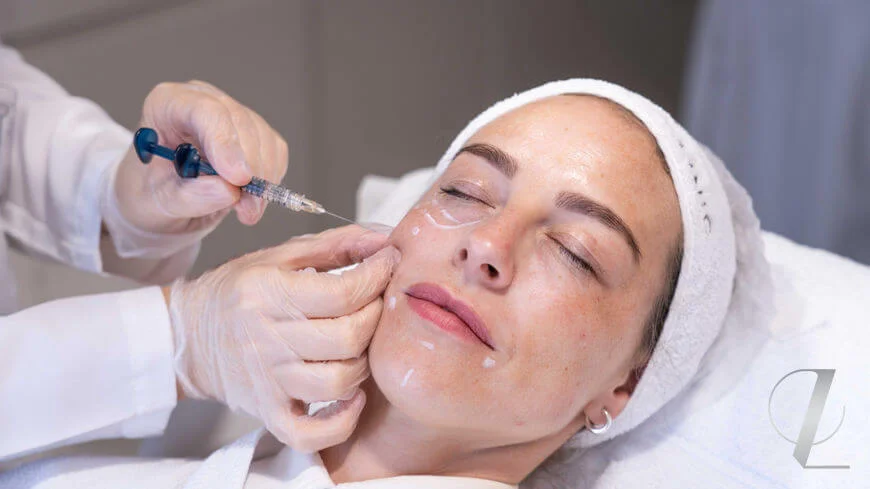
Dermal fillers, subtle facial contouring for future brides

Fillers are one of the best treatments for brides.

They can make your face instantly more voluminous and youthful-looking, plus they can make your facial features more symmetrical. Dermal fillers must be performed by a skilled and artistic doctor or skin therapist.  So, having a consultation with an experienced doctor will help you decide how much filler you want and where you want to have it injected.

Dermal fillers are super versatile, and you can have them injected anywhere on your face where you lack volume or have wrinkles and fine lines. The most popular Dermal fillers are made of hyaluronic acid, which instantly hydrates your skin and makes it look refreshed.

Areas which you can enhance with Dermal fillers include –

  • Cheeks – Dermal fillers can enhance your cheekbones and lift the skin in this area. Plus, they add more volume to your cheeks and restore your youthful plumpness. They provide better support to your facial features and reduce fine lines.
  • Tear troughs – Dermal fillers are a brilliant solution for dark under-eye circles and tired-looking eyes. You will look fresh and vibrant on your special day.
  • Nose – You can even correct imperfections on your nose with Dermal Fillers and make it more harmonious with the rest of your face.
  • Chin – If you are unhappy with the way your chin looks, Dermal fillers can easily correct that. They can make your chin softer and less pronounced. Or vice versa – they can make your chin appear more pronounced and make your profile look perfect.
  • Jawline – Dermal fillers can make your jawline more defined and lift saggy skin in this facial area. The lower part of your face can look more harmonious with the rest of your face.
  • Lips – Subtly increase their volume or improve their symmetry. These Dermal fillers are softer; they add moisture to your lips and are easily moved when you smile.

You need one or two sessions to achieve the desired results. And the best part is that you immediately see them – your lips are plumper, your facial features have more volume and are nicely structured – all in a completely natural-looking way.

Now, since Dermal fillers are injectable treatments, they can cause mild swelling, redness, and tenderness to touch for a couple of days.And they can cause bruising that can last for two weeks (especially if you are prone to it)

So, make sure to time your Dermal filler facial contouring treatment at least 2 to 3 weeks before the wedding. Don’t worry about scheduling Dermal fillers treatment even sooner than that, because their effects last from 6 to 9 months. So, they got you covered for your wedding day.

EMFACE for Captivating Facial Contours

EMFACE is a brilliant alternative for facial contouring if you shy away from needles – it is completely non-invasive. It is the latest generation of facial contouring that simultaneously targets your skin and facial muscles.

The secret of EMFACE lies in the perfect combo of RF and HIFES energy. The first one makes your skin tight and smooth because it triggers collagen and elastin production. These two proteins start to build up and gradually fill in your wrinkles and fine lines.

The other energy targets your muscles. It’s like working out your facial muscles in the gym – which is actually impossible. But this energy contracts your facial muscles, making them better-toned and stronger. In turn, these muscles keep your facial contours nicely structured and lift your saggy skin.

Very soon, you notice that your brows, cheeks, and jawline are lifted, tighter, and rejuvenated. All this happens completely naturally because you gradually see that your skin is improving. So, just in time for your wedding, your face will look enhanced and radiant, without any effort.

When you think about convenience, EMFACE Dubai treatment couldn’t be more time-saving. A session lasts for only 20 minutes, after which you can continue with your wedding plans – like cake tasting or taking dance lessons.

There is no downtime, and you don’t have to worry about side effects or recovery. You will need at least 4 sessions, one week spaced out so schedule your EMFACE treatments at least 3 months before your special day.

Laser Hair Removal for the Grand Finale of Wedding Preparations

Preparing for your wedding involves countless details, and feeling confident in your skin is one of the most important. Unwanted hair can be a distraction, especially when you want every detail to look perfect. Laser hair removal offers a lasting solution, ensuring smooth, flawless skin without the constant need for shaving or waxing.

This advanced laser technology targets hair follicles safely and effectively. Treatments are quick, precise, and tailored to your skin type, making them ideal for busy brides. Over a few sessions, hair growth is significantly reduced, leaving your skin soft and wedding-ready.

The two most state-of-the-art laser hair removal treatments, which will save you from shaving, waxing, and other unpleasant and short-term hair grooming, are definitely Soprano ICE and Soprano Titanium. Both are effective in eliminating unwanted hair, but there are some differences between them. Let’s break them down.

Soprano Ice for a Comfortable Hair Removal Experience

Soprano ICE feels very soothing on your skin because of the ICE Cooling technology that keeps the surface of your skin cool.

There is no way that your skin gets superficial burns. At the same time, the SHR element in the applicator slowly heats the dermis of your skin, and when it reaches the right temperature, it targets the hair follicle and destroys it. And that’s it – the follicle can no longer grow hair. That’s why the results of this laser hair removal treatment are permanent.

Soprano ICE laser hair removal is effective for all skin types – even suntanned. This means that you can have it done at any time of the year. It is effective for most hair types, except for red, grey or very fine hair. These types of hair lack melanin and melanin is what this laser targets.

For the best results you will need 6 to 8 sessions, 4 weeks spaced out. This is because all your hair doesn’t grow at the same time. It needs to be in its growing phase so that the laser can effectively zap it. You will see the first results one month after the first session and the final results after the entire course of sessions.

Soprano Titanium – The Treatment Every Bride-To-Be Deserves

Soprano Titanium is the 5th generation of laser hair removal treatments. The secret of this laser hair removal treatment is that it has 3 laser wavelengths incorporated into one applicator.

The applicator targets hair follicles at deeper skin layers and effectively destroys them. This increases the effectiveness because the laser can target even lighter hair types. The surface of your skin stays cool because of ICE plus cooling tip – so there are no burns or other unwanted side effects.
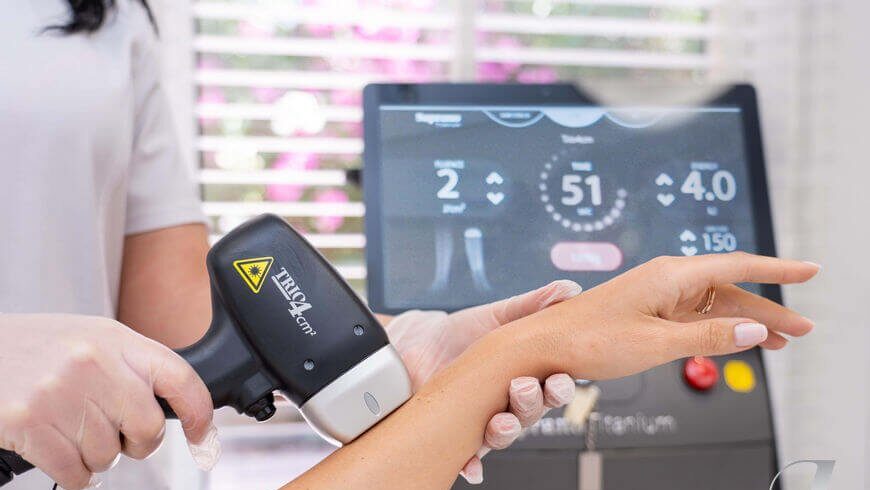
Soprano Titanium, the most advanced laser hair removal

Soprano is one of the most effective lasers.

Plus, Soprano Titanium has a new, larger applicator that covers larger areas and finishes the session in 40% less time. This is great if you want to target your legs or back. For the best results, you’ll need between 6 and 8 sessions, 4 weeks spaced out.

So, schedule your first laser hair removal session at least 8 months before your special day. The results of laser hair removal are permanent – you will enjoy your silky smooth skin happily ever after.

How to Get Flawless Skin With Chemical Peels and Facials?

Because of the pre-wedding stress, your facial skin may have developed blemishes, pimples, clogged pores, or pigmentation spots. So, it’s time to take a break and give your facial some true TLC pampering. And the most effective way to do it is by having chemical peels and amazing facials.

There are various chemical peels that are of the highest quality. When done by professionals, chemical peels make your face look refreshed and ready for wedding makeup. On the other hand, facials are soothing and effective in eliminating all the unwanted blemishes from your skin.

The best part is that they are non-invasive and cause no side effects – just flawless skin.

Why Are Chemical Peels a Must-Have Treatment for Brides-To-Be?

Chemical peel Dubai offers come in different textures and strengths. There are light, medium, and deep, but before the wedding day, you may just stick to light or medium. Deep chemical peels bring the most dramatic results, but they also require a longer recovery. And this might interfere with your wedding plans because you already have no time to spare.

So, let’s talk about light and medium chemical peels. Both can improve the quality of your skin by eliminating various blemishes, lightening pigmentation spots, and reducing fine lines and wrinkles.

For example, if you are bothered by pigmentation spots, then go with the Cosmelan peel. It will lighten your skin because it breaks down the areas of melanin overproduction.

It does require a careful after-treatment protocol, where you use a special home kit. The kit includes moisturizers and a special cream that needs to be used for 2 weeks. So, time this type of chemical peel treatment at least a month before the wedding day.

It’s best to strictly follow the recommendations and not break the cycle. After 3 to 4 weeks, you can expect to achieve flawless and radiant skin – just as you desired.

If, on the other hand, you want to reduce fine lines and spots and keep your oily skin in check, then go with DERMACEUTIC® MILK PEEL. It is a light chemical peel that is suitable even if your skin is sensitive.

It requires a two-week preparation, where you use a special serum before you come to have the treatment. Also, after the treatment, you need to continue to use the serum for the best results. Since you will probably need 2 to 3 sessions, 2 weeks spaced out, make sure to time your chemical peel accordingly.

It’s super important to avoid direct sun exposure or use a high SPF during the process. Your new and fresh skin will be sensitive, but when this period is over, it will look brilliant.

Facials for the Ultimate Skin Hydration

During all the hectic running around and making important decisions to make your wedding day nothing but perfect, you may notice that your facial skin has taken its toll – it is dull, dehydrated, and desperate for some pampering.

That’s why facials are here – to ultimately pamper your skin. They are gentle, non-invasive, don’t require any downtime or leave you with unwanted side effects.

Express Hydrafacial will instantly refresh your skin with its super-advanced technique. It cleanses, exfoliates, and extracts the pores with gentle Vortex technology. In the end, your skin is fused with a powerful serum that has antioxidants, vitamins, and other important ingredients. This deeply hydrates and nourishes your skin and makes it look tighter, smoother, and more radiant. Plus, these ingredients prevent your skin from getting damaged by stress, pollution, or sun exposure.

Best of all, it’s completely painless, and there is no downtime. And you see the results immediately. Since there are no side effects or downtime, you can schedule your Express Hydrafacial treatment a few days before your wedding.

Now, for a treatment worthy of royalty, you go for GOLD HYDRAFACIAL. This luxurious facial will significantly improve the quality of your skin, just in time for your wedding day. It is completely painless and requires no downtime. You can even have it done on sensitive facial areas like around your eyes or lips.

It involves several steps, including deep cleansing, exfoliation, extraction, and fusion of the skin with customized serums that will make your skin shine. Now the real treat is the final step – applying the gold mask to your skin. This is the step that will make you feel like royalty. Gold mask hydrates and nurtures your skin, eliminates fine lines, and reduces pigmentation.

All that in just 60 minutes. And since it doesn’t cause any side effects, you can schedule your Gold Hydrafacial a few days before your wedding.

How to Get a Perfect Figure With Body Contouring Treatments?

There are different body contouring treatments that use different technologies to sculpt your silhouette. They are non-invasive, safe, and don’t require any downtime.

You just pop into the clinic to have your session and continue with your busy wedding schedule. They don’t require any effort from your side – you just sit and relax while they do their magic. And they are quite comfortable so they can be a sort of stress relief for you.

CoolSculpting Elite and EmSculpt NEO stand out among advanced body contouring treatments. Both are super-advanced, customizable treatments that will shape your contours in no time.

CoolSculpting for Freezing Away Pesky Fat Pockets

With CoolSculpting, you will finally say goodbye to unwanted subcutaneous fat. Its state-of-the-art technology works by precisely targeting isolated pockets of fat, freezing them with controlled cooling, and destroying them. These fat cells are eventually flushed out of your body, and you notice that your targeted body area is slimmer, nicely contoured, and firmer.

And you can choose almost any body area to contour with CoolSculpting – double chin, arms, legs, thighs, buttocks, love handles, or abdomen. Wherever you see uninvited fat deposits, CoolScupting got you covered with its versatile applicators.

All that happens without downtime. Since CoolSculpting is super effective, you only need one or two sessions. Just make sure to schedule your body contouring Dubai treatment at least 3 months before the wedding, because that’s the amount of time your body needs to flush away all the destroyed fat cells.

The results are completely natural-looking because your treated body area gradually got slimmer. Plus, the results are permanent – the destroyed fat cells can’t return.

Emsculpt Neo for the Maximal Body Contouring

If you are interested in simultaneously slimming down your body areas and toning your muscles, then EmSculpt NEO is your golden ticket. Its secret is a perfect combo of RF and electromagnetic energies. It’s really one of a kind because it combines two different body contouring technologies into one. RF energy gently heats the underlying fat tissue and literally melts it.

It can melt up to 30% of unwanted fat deposits – you must agree that this number is pretty awesome. These destroyed fat cells are eliminated from your body through your metabolic processes, and voila – your targeted body areas get slimmer.

Electromagnetic energy makes your muscles contract like crazy – you feel 20,000 contractions of the targeted muscle group. That’s impossible to do alone. You can build up and define up to 25% of your muscles.
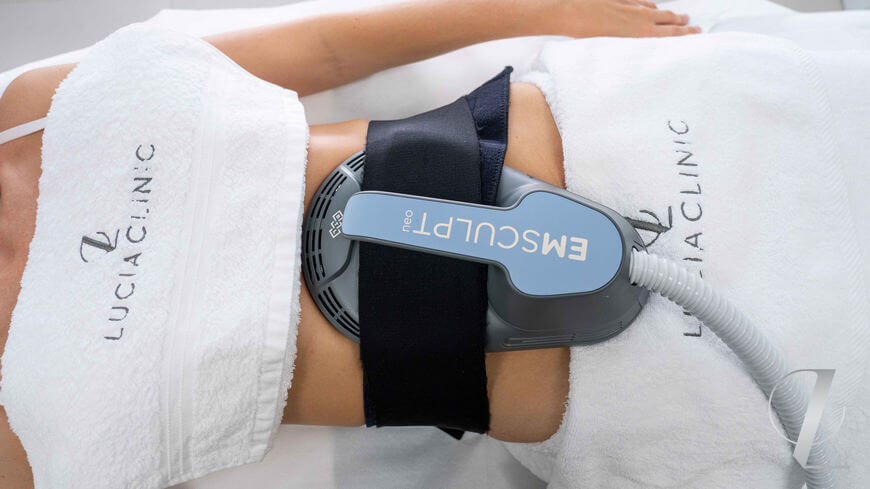
EmSculpt NEO, the most advanced body contouring treatment

EmSculpt NEO prepares you for your big day.

All this happens simultaneously, without discomfort and downtime. The session lasts only for 30 minutes, after which you can continue to get ready for your special day. You will need about 4 sessions, spaced out over one week, for the best results. So, start with your EmSculpt NEO sessions at least one or two months before the wedding day.

Achieving Your Aesthetic Goals Before the Wedding

There you have it. All these must-have treatments for brides-to-be will boost your confidence – you will walk the aisle as your own! Please feel free to contact Lucia Clinic to learn more about these treatments and schedule your consultation.
Which Vitamin Deficiencies Are Linked to Hair Loss?

When hair begins to thin, many people immediately wonder if vitamin deficiencies are linked to hair loss. Hair follicles are highly sensitive to nutritional imbalances, and even small shortages can affect hair density, texture, and shine. However, internal deficiencies rarely tell the whole story—factors like hormones, stress, genetics, and scalp health also play a significant role in how hair looks. At Lucia Clinic Dubai, we take a comprehensive approach, combining nutritional guidance, lifestyle support, and targeted aesthetic treatments to help improve the appearance of hair. By addressing both internal health and external factors, clients can achieve visible, long-lasting results while supporting healthier regrowth.

How Vitamin Deficiencies Affect Hair Appearance

Hair is highly sensitive to nutritional shifts because follicles demand constant energy and oxygen. During the growth phase, hair matrix cells divide rapidly. When the body detects a shortage of iron, vitamins, or trace minerals, it conserves resources for essential systems. Hair growth becomes a low priority.

This shift can happen quietly. People often notice increased hair fall 8–12 weeks after a deficiency begins, not immediately. Density changes may follow even later. The hair shaft itself can become thinner, which reduces volume without dramatic shedding.

Vitamin and mineral shortages affect hair in several visible ways:

  • Reduced hair shaft diameter, making hair look finer
  • Increased shedding, especially during washing or brushing
  • Dullness or dryness due to reduced sebum production
  • Slower regrowth after shedding

It’s also important to distinguish between shedding and thinning. Shedding involves higher daily hair loss, sometimes exceeding 150–200 hairs per day, often noticed during washing. Thinning is slower and more subtle, driven by weaker regrowth rather than dramatic loss. Vitamin deficiencies are more strongly linked to shedding patterns than to long-term density reduction.

Common Vitamin Deficiencies Associated With Hair Thinning

Several vitamin deficiencies are linked to hair loss, though they rarely occur on their own. Most affect how hair sheds, regrows, and maintains thickness rather than causing sudden loss.

  • Iron (Ferritin) – Low iron stores are one of the most frequent findings in people experiencing hair shedding, especially women. Hair growth may be affected when ferritin levels fall below 30–40 ng/mL, even if anemia is not present. Reduced iron availability shortens the growth phase of the hair cycle, leading to increased shedding and slower regrowth.
  • Vitamin D – Vitamin D helps regulate the hair growth cycle and supports scalp health. Studies estimate that 40–60% of adults have insufficient levels. Deficiency may contribute to prolonged shedding phases, slower regrowth, and scalp sensitivity, though it rarely causes hair thinning on its own.
  • Vitamin B12 –B12 supports red blood cell production and oxygen delivery to hair follicles. Low levels, more common in people with absorption issues or restrictive diets, can indirectly affect hair density and growth quality.
  • Biotin (Vitamin B7) – True biotin deficiency is extremely rare, affecting fewer than 0.002% of people. In individuals with normal levels, supplementation has not been shown to significantly improve hair thickness or density.
  • Zinc –  Zinc supports protein synthesis and follicle repair. Low levels can increase breakage and delay recovery after shedding. Excess zinc, however, may interfere with copper absorption and negatively affect hair quality.

Vitamin deficiencies often overlap because the same factors—such as poor absorption, restrictive diets, stress, or illness—affect multiple nutrients at the same time. Since many vitamins and minerals work together in the body, a low level in one can influence others, making hair thinning more likely to stem from a broader imbalance rather than a single deficiency.

Why Supplements Alone Don’t Always Restore Hair Density

Correcting a vitamin or mineral deficiency is important for overall health, but it doesn’t automatically restore hair density. Supplements support the environment for growth, but they cannot directly reactivate inactive follicles or reverse hair that has already thinned.

Even after nutrient levels are corrected, hair may continue to look thin because new growth takes time to appear. Hair grows at an average rate of about 1–1.2 cm per month, and regrowing strands are often finer at first. This means visible improvement can lag behind internal correction by several months.

For lasting results, supplements are most effective when combined with treatments that enhance scalp health, stimulate follicles, and improve the quality of existing hair. Addressing both internal and external factors provides a more complete approach to achieving fuller, healthier-looking hair.

When Vitamin Deficiency Isn’t the Only Factor

Hair thinning rarely has a single cause. Psychological stress alone can push a significant percentage of follicles into the resting phase. Major life changes, illness, sleep disruption, and hormonal shifts all affect hair cycling, sometimes overlapping with nutritional issues.

Scalp health also plays a role that supplements cannot address. Reduced circulation, chronic tension, or low-grade inflammation can limit nutrient delivery to follicles, even when blood levels are adequate. In these cases, hair may struggle to respond to supplementation alone.

Genetics and aging influence density as well. From the mid-30s onward, many people experience a 5–10% reduction in active follicles per decade, independent of vitamin status. This natural shift changes how hair responds to both nutrients and treatments.

Because these factors often occur together, focusing on vitamins alone can leave visible issues unresolved.

Supporting Hair Density at Lucia Clinic

At Lucia Clinic, hair thinning is addressed with a focus on visible improvement rather than supplementation alone. Our approach to hair loss treatment Dubai combines aesthetic expertise with an understanding of the factors that influence hair density, quality, and scalp condition. Instead of targeting a single cause, treatments are selected to support follicle activity, improve circulation, and enhance the scalp environment where healthy hair growth begins.

Non-invasive options are used to complement nutritional and lifestyle support, helping bridge the gap between internal balance and visible change. This integrated approach allows existing hair to appear fuller and stronger while supporting gradual regrowth over time. Treatment plans are tailored separately for women and men, reflecting differences in thinning patterns, hormonal influences, and long-term hair density goals.

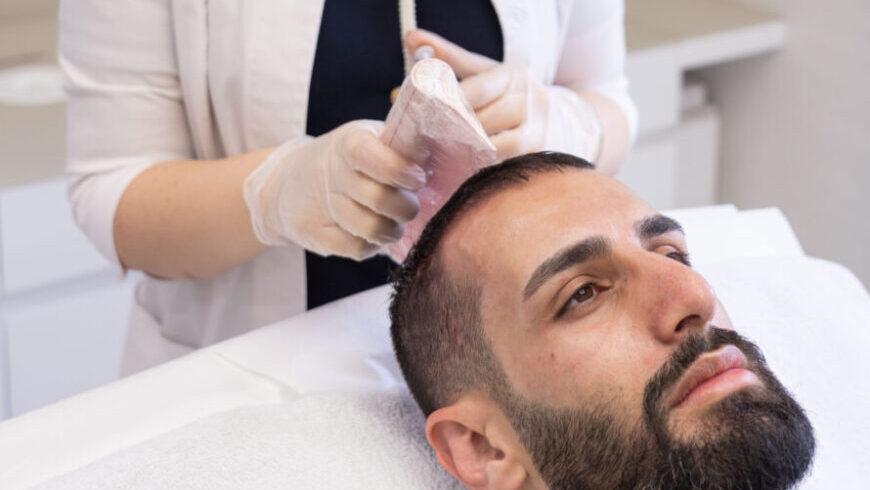
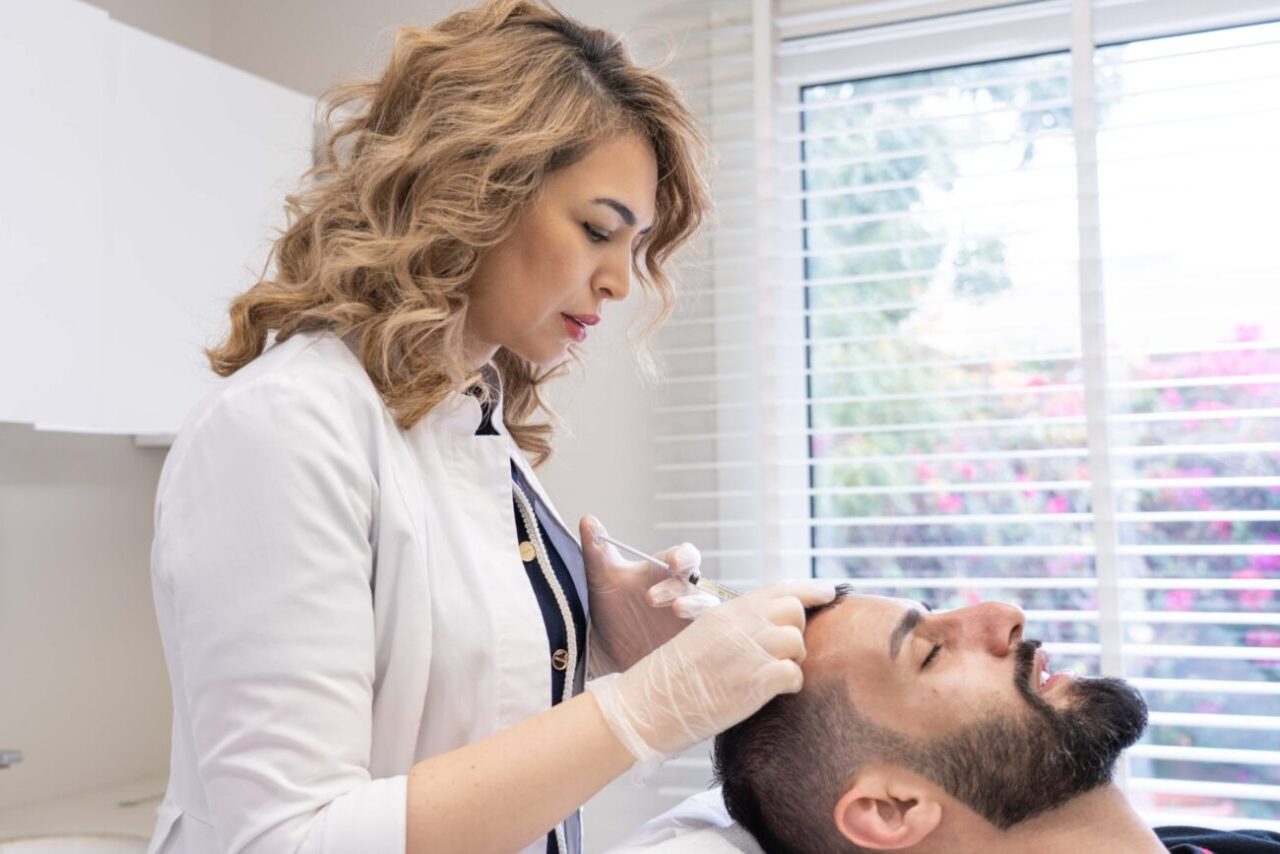
A man getting a treatment

There are non-invasive treatments that can help you with hair loss.

Combining Lifestyle Support With Aesthetic Hair Treatments

Visible hair improvement is most effective when multiple factors are addressed together. Proper nutrition and lifestyle habits create the foundation for healthy growth, while aesthetic treatments enhance scalp condition, follicle stimulation, and overall hair appearance.

At Lucia Clinic, clients can combine lifestyle support with advanced regenerative options such as stem cell therapy Dubai. This approach helps support new growth while improving the look, thickness, and shine of existing hair. By addressing both internal and external factors, patients often see faster and more noticeable results compared with relying on supplements alone.

Long-term strategies include ongoing monitoring, periodic treatments, and continued lifestyle guidance to maintain fuller-looking hair and prevent future thinning.

When to Seek Professional Aesthetic Guidance

Hair thinning that lasts longer than six months, continues despite normal blood work, or worsens over time may require professional evaluation. Early consultation helps identify underlying causes and allows for targeted interventions before prolonged inactivity affects follicle health.

For men, specialized options such as hair loss treatment for men in Dubai can address male-pattern thinning, support existing hair, and improve overall density. Personalized plans help reduce trial-and-error approaches, ensuring treatments are effective and suited to individual hair patterns and lifestyle factors.

Seeking guidance promptly increases the chances of visible improvement and long-term maintenance, combining medical insight with aesthetic strategies for natural, fuller-looking hair.

Supporting Hair Health Beyond Supplements

While it’s clear that vitamin deficiencies are linked to hair loss, they rarely tell the full story on their own. Correcting internal imbalances is important, but visible improvement in hair density, texture, and shine often requires additional support. Treatments that focus on scalp health, follicle stimulation, and overall hair quality can help bridge the gap between internal balance and what you see in the mirror. A holistic approach, combining nutritional guidance, lifestyle adjustments, and targeted aesthetic interventions, offers the best chance for natural, long-lasting results. By addressing multiple factors simultaneously, individuals can maintain fuller-looking hair and support healthier regrowth over time.

Why Long-Term Skin Quality Matters More Than Instant Results

A woman touching her face after a facelift

Quick cosmetic fixes are tempting. Many treatments promise smoother, brighter skin in days or even hours, creating the appeal of instant transformation. However, appearance alone doesn’t reflect the health and resilience of the skin beneath the surface. At Lucia Clinic Dubai, the philosophy is clear: long-term skin quality matters more than instant results. By focusing on consistent care and regenerative support, patients can achieve healthier, more balanced skin that looks naturally radiant and resists the effects of aging over time. Shifting expectations away from immediate improvements toward sustainable strategies allows for results that are not only visible but lasting, supporting both confidence and overall skin function.

What “Skin Quality” Really Means

Skin quality is more than just the absence of wrinkles. It refers to the overall health and function of your skin, including texture, tone, hydration, and resilience. Smooth, even skin that feels supple and looks radiant is the foundation of a healthy appearance.

Understanding that long-term skin quality matters more than instant results helps shift the focus from quick cosmetic fixes to consistent care that supports the skin’s natural structure and repair mechanisms. Healthy skin not only looks better but also performs better, retaining moisture, healing efficiently, and resisting environmental damage.

Good skin quality also affects daily life. Makeup applies more evenly, pores appear smaller, and a natural glow comes through without heavy coverage. People often feel more confident when their skin reflects genuine health, demonstrating that prioritizing long-term care over temporary changes yields the most natural, lasting results.

The Limitations of Instant Results

Some treatments deliver rapid visual improvements, giving the appearance of smoother, firmer skin almost immediately. While these quick results can be appealing, they are often temporary, affecting only the surface rather than the skin’s underlying structure.

Chasing these instant changes can create a cycle of repeated treatments. Patients may feel the need to maintain the look, leading to frequent procedures that don’t address long-term skin health. Over time, this can become costly and unsustainable.

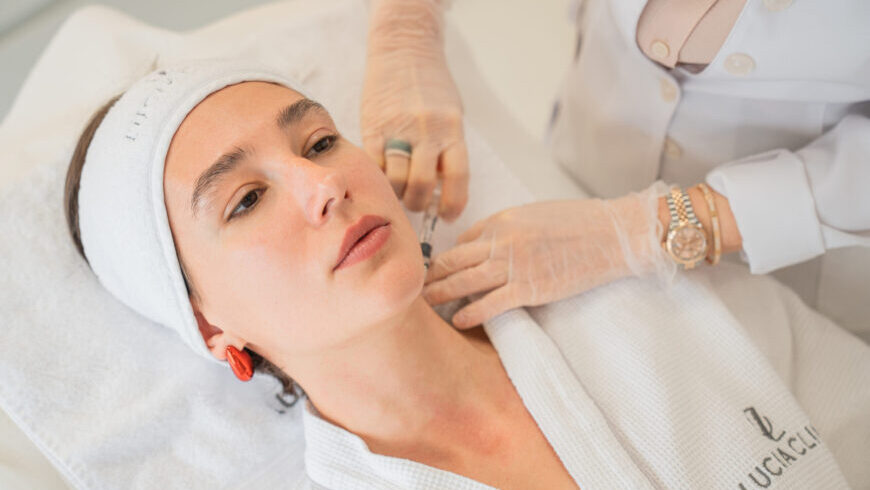
A woman getting a treatment

Long-term skin quality depends on many factors.

Overcorrection is another risk. Aggressive treatments can alter natural facial movement, create uneven texture, or result in a look that appears “done” rather than healthy and balanced. Focusing solely on fast results may temporarily improve appearance but often sacrifices the natural resilience and function of the skin in the long run.

How Skin Changes Over Time

As we age, the skin’s natural renewal and repair processes gradually slow down. Cell turnover becomes less efficient, and collagen and elastin production decline, reducing firmness and elasticity over time.

External factors like sun exposure, stress, pollution, and lifestyle habits accelerate these changes. UV rays break down structural proteins, environmental toxins create free radicals, and chronic stress can trigger inflammation, all contributing to premature aging.

As we get older, the amount of collagen in our skin decreases by about 1% each year. Because these changes happen slowly, damage often accumulates quietly before it becomes noticeable. Fine lines, uneven texture, and loss of radiance appear gradually, making early intervention and consistent care essential for maintaining long-term skin quality.

Why Long-Term Strategies Deliver Better Results

Long-term skin strategies focus on helping the skin function optimally over time rather than chasing quick, temporary fixes. Supporting collagen production, hydration, and barrier repair gradually strengthens the skin’s natural resilience, creating more balanced and lasting results.

Advanced regenerative treatments can play a key role in this approach. Meta cell treatment Dubai leverages stem cell-derived growth factors to restore elasticity, reinforce barrier function, and maintain overall skin health over time. When combined with consistent daily care such as sunscreen, retinoids, and hydration, this treatment allows the skin to improve progressively, resulting in a healthier appearance, smoother texture, and more even tone.

This gradual, supportive approach produces natural outcomes that far outperform short-lived results from quick-fix treatments, helping skin stay strong, balanced, and resilient for the long term.

What Patients Notice With a Long-Term Approach

Patients who commit to a long-term skin care strategy often see steady, natural improvements rather than dramatic, short-lived changes. Texture becomes smoother, and the skin’s tone evens out, giving a more balanced appearance. Hydration feels consistent, with skin looking plump and resilient throughout seasonal changes.

Many notice a subtle, healthy glow that doesn’t rely on makeup or filters. Instead of appearing “treated,” the skin looks genuinely well cared for, reflecting improved structure and barrier function. Over time, these cumulative benefits create a natural, refreshed look that enhances confidence and reduces the need for frequent corrective procedures.

Treatments That Support Ongoing Skin Quality

Treatments designed to improve skin quality focus on strengthening how skin functions rather than creating short-term visual change. These approaches aim to support collagen production, improve hydration balance, and help the skin barrier recover more efficiently over time.

Maintenance-focused options may include energy-based treatments, collagen-stimulating injectables, and regenerative approaches such as biosome treatment, which is designed to support natural repair signals inside the skin. Biosomes are synthetic, biomimetic particles created to mimic natural exosomes and deliver regenerative signals that help stimulate collagen, elastin, and overall tissue repair.

In many protocols, biosome treatment is used alongside procedures like microneedling or radiofrequency to enhance recovery and improve long-term outcomes by supporting cell signaling and reducing inflammation.

The goal is gradual improvement. Many regenerative skin approaches show progressive improvements in texture and tone within weeks, with continued improvement as collagen production increases.

The most effective plans usually combine professional treatment with daily skincare. Consistent sun protection, retinoids, and barrier-supporting ingredients help maintain results and protect the progress made through in-clinic treatments.

Lucia Clinic’s Philosophy on Skin Quality

At Lucia Clinic, the focus is on long-term skin health rather than quick, short-lived results. Treatment plans are personalized to each patient’s needs, emphasizing gradual improvements that support natural structure and resilience. Key principles include:

  • Personalized Planning – Treatments are tailored to the individual, focusing on subtle, lasting enhancements instead of trend-driven procedures.
  • Regenerative Therapies – Advanced options such as exosomes treatment Dubai are used to stimulate collagen, enhance cellular repair, and improve overall skin regeneration.
  • Prevention and Maintenance – Daily skincare, sun protection, and barrier support are combined with professional treatments to preserve results over time.
  • Gradual, Natural Improvement – Emphasis is placed on maintaining balanced hydration, smooth texture, and even tone, avoiding an “overtreated” appearance.

This approach ensures that patients see consistent, natural-looking progress while strengthening the skin’s long-term health and resilience.

Who Benefits Most From a Long-Term Focus

A long-term approach to skin quality is ideal for:

  • Individuals in the early stages of aging – Those in their late 20s to 40s benefit from preventive strategies that support collagen production, hydration, and elasticity before visible signs appear.
  • Patients maintaining results after corrective treatments – Focusing on gradual, ongoing improvement helps preserve outcomes without frequent intensive procedures.
  • People seeking natural-looking enhancement – Prioritizing skin health and resilience allows for subtle, balanced improvements without an “overdone” appearance.
  • Anyone interested in sustainable, healthy skin – Long-term strategies help skin adapt to aging and environmental stressors, maintaining a healthy glow and texture over time.
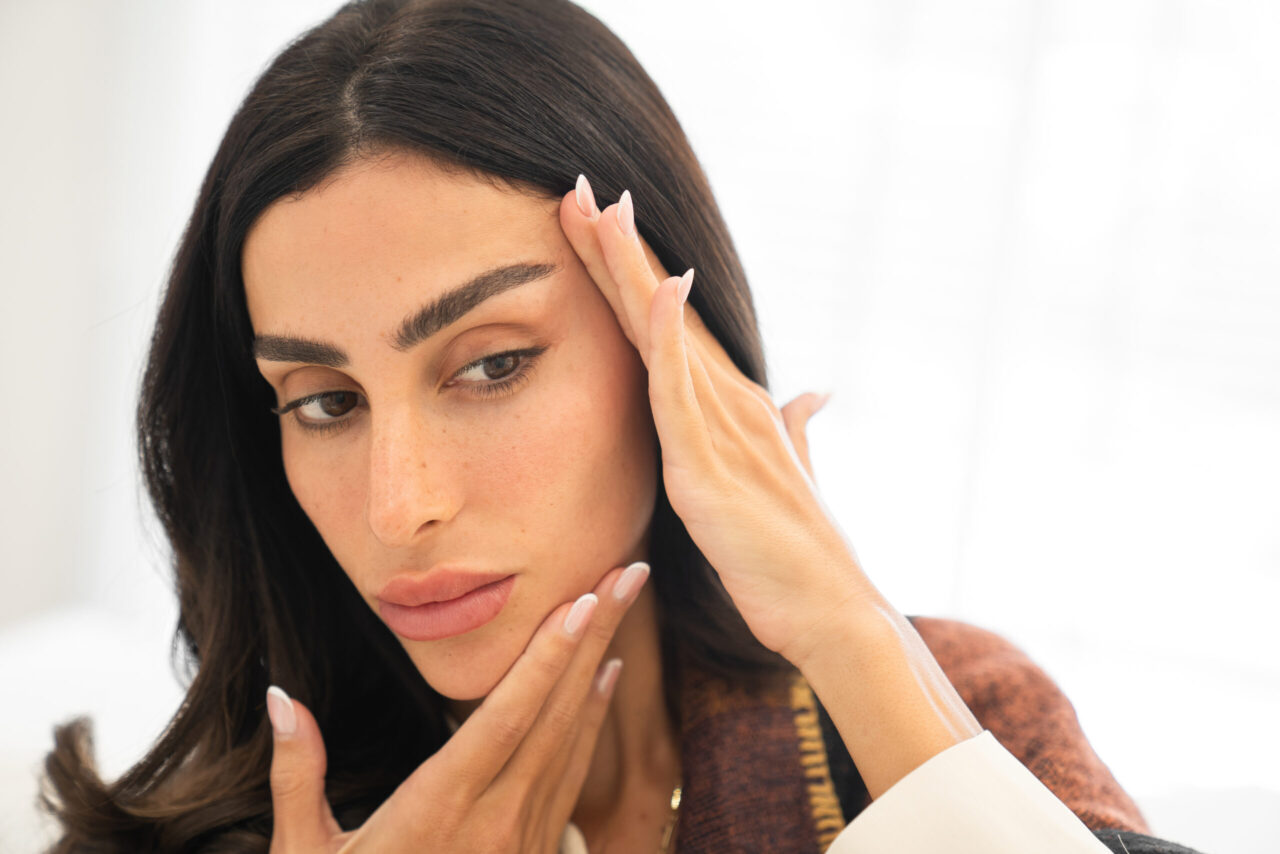
A woman looking at a mirror.

With Lucia Clinic’s experts, your skin will be healthy.

Investing in Lasting Skin Health

Investing in your skin’s health over time pays off in ways that quick fixes cannot match. By focusing on prevention, gradual improvement, and supportive treatments, skin remains resilient, hydrated, and balanced, creating a natural, healthy appearance that lasts. For anyone seeking real, sustainable results, long-term skin quality matters more than instant results. Treatments that support repair, collagen production, and barrier function, combined with consistent daily care, ensure that skin continues to improve gradually, rather than temporarily masking underlying changes. Shifting the focus from immediate outcomes to long-term strategies allows patients to enjoy skin that looks and feels healthy for years, while reducing the need for repeated, aggressive interventions.

Comparing Laser Treatments for Different Skin Types and Conditions

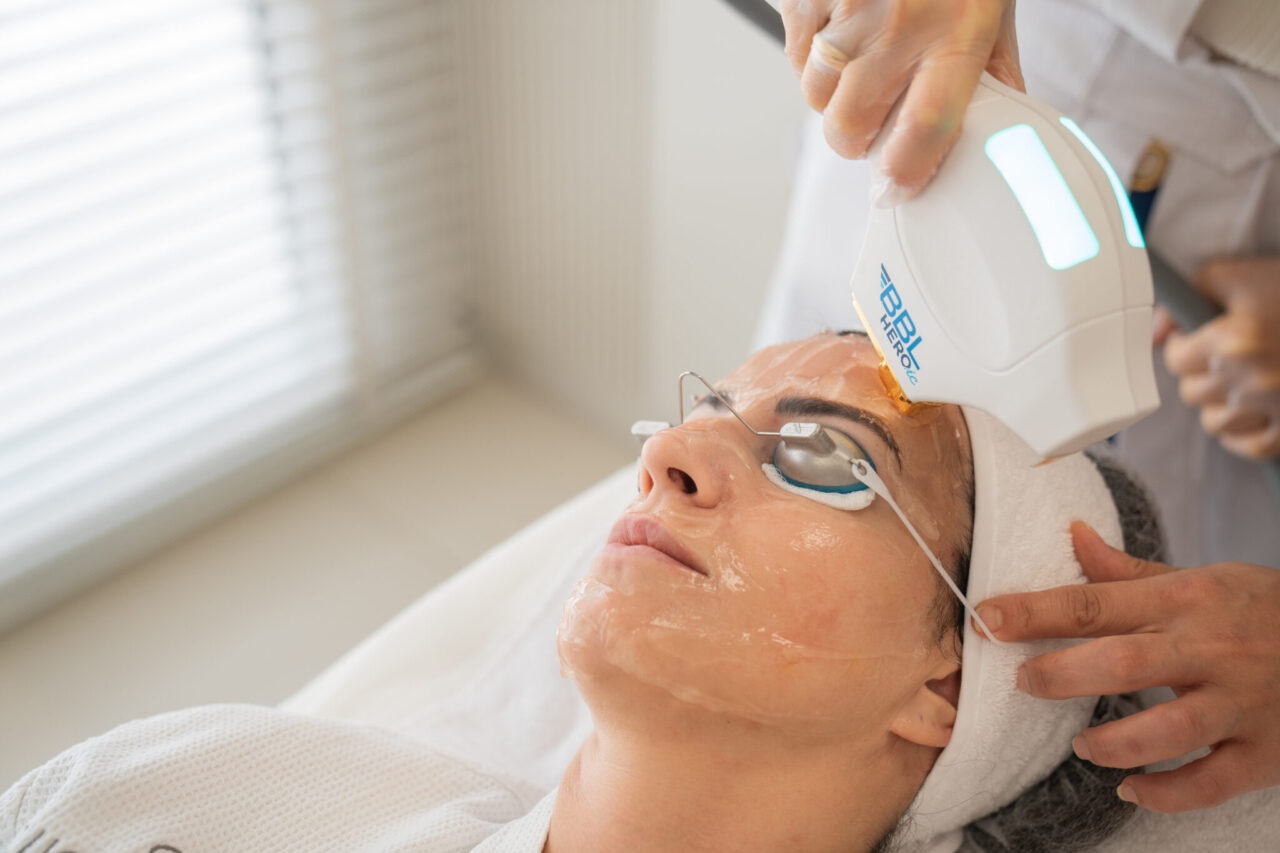
BBL Heroic when comparing laser treatments

Laser treatments are often seen as interchangeable, but each system is designed to target specific skin concerns. When comparing laser treatments for different skin types and conditions, it becomes clear that factors like wavelength, energy, and penetration depth determine both safety and effectiveness. Some lasers focus on pigment, others on blood vessels, and others on deeper layers to stimulate collagen. Matching the right laser to both skin type and individual concerns ensures treatments are safer, more effective, and require fewer sessions. At Lucia Clinic Dubai, personalized treatment planning is a priority, allowing clinicians to evaluate skin characteristics and specific goals to create tailored approaches. This method consistently delivers long-term improvement in tone, texture, and firmness, far beyond what choosing a popular device alone can achieve.

Why Skin Type Matters in Laser Selection

Skin type plays a major role in how a laser interacts with the skin. Lighter skin tones generally contain less melanin, which allows a wider range of wavelengths to be used safely. Darker skin tones contain more melanin, which absorbs light energy more quickly and increases the risk of post-treatment pigmentation changes. Longer wavelengths, such as 1064 nm, penetrate deeper while minimizing excess absorption in surface pigment, making them safer for deeper skin tones.

Sensitive or reactive skin tends to respond more strongly to heat and inflammation. Fractional laser methods treat small sections at a time, leaving surrounding skin intact, which helps reduce redness and speeds recovery. Cooling systems and adjustable pulse durations further protect sensitive skin while maintaining results.

Skin behavior also differs between acne-prone and mature skin. Acne-prone skin benefits from treatments targeting bacteria and oil production, while mature skin often needs collagen stimulation and resurfacing.

When comparing laser treatments for different skin types and conditions, understanding these differences is crucial. Matching wavelength, pulse duration, and energy to a patient’s specific skin type improves safety, effectiveness, and comfort. Proper selection reduces the risk of complications and ensures treatments achieve noticeable, lasting improvements in tone, texture, and overall skin health.

Why Skin Condition Is Just as Important as Skin Type

Beyond skin type, the specific condition of your skin, such as pigmentation, texture, and signs of aging, plays an equally important role in determining which laser treatments will be safe and effective.

Pigmentation and Sun Damage

Pigmentation concerns include sunspots, uneven tone, and melasma. Light-based treatments break pigment into smaller particles so the body can remove them naturally through immune and lymphatic processes. Because these treatments target pigment selectively, the surrounding tissue usually remains intact.

Broad-spectrum light treatments like BBL laser Dubai, are commonly used for sun damage, redness, and early tone irregularities. Many of these systems are based on Sciton platforms that use multiple wavelengths to target pigment and vascular redness in controlled pulses. Demand for pigment-correcting light therapies is high in sun-intense regions such as Dubai, where UV exposure increases pigmentation risk. Depending on pigment depth and cause, light and laser treatments can reduce visible sunspots by 50–80% after a couple of sessions, while conditions like melasma typically require gradual treatment and consistent sun protection.

Acne Scars and Skin Texture

Active acne involves inflammation and bacteria, while acne scars are structural changes in deeper skin layers. This difference is why treatment depth and technology choice matter. Shallow resurfacing can improve mild surface roughness, while deeper fractional approaches help stimulate collagen remodeling to improve scar depth and overall texture.

Options such as Alma hybrid laser treatments work on both the surface and deeper layers in a controlled way. They create targeted zones of improvement while leaving surrounding skin intact, which supports faster healing. Over the following months, natural collagen production helps smooth the skin and gradually improves the appearance of scars.

Skin Laxity and Early Signs of Aging

As we age, collagen production gradually decreases, and elastin fibers lose strength, leading to skin that feels less firm and shows early signs of sagging. Treatments that target deeper layers of the skin can help restore support and improve elasticity over time.

Energy-based devices, including options like hybrid iPixel laser treatment Dubai, can stimulate collagen and tighten tissue without extensive downtime. While resurfacing improves the skin’s surface appearance, these deeper treatments focus on underlying support structures, helping skin look smoother and firmer. Combining surface and deep treatments often produces more balanced, natural-looking results than focusing on one layer alone.

Combination Concerns: Texture, Pigment, and Aging Together

Many patients experience more than one skin concern at the same time. Clinical surveys show that over 70% of aesthetic patients report combined issues, including uneven tone, early fine lines, and mild texture irregularities. Treating only one layer of skin often produces partial improvement, which is why modern treatment plans often target multiple skin depths using different energy approaches.

Multi-application platforms, including treatments like Harmony XL Pro, are designed to address pigment, vascular redness, and mild texture changes within a customized treatment plan. Systems developed by Alma Lasers allow providers to adjust handpieces and energy settings based on the dominant concern during each session. Hybrid or multi-technology treatments can improve surface tone while supporting collagen stimulation in deeper layers, helping patients see broader skin quality improvement rather than single-concern correction.

When Combination Laser Treatments Make More Sense

Patients with layered skin concerns often benefit from multi-step treatment plans rather than relying on one device. Sequential treatments allow skin to heal while collagen production continues between sessions. This approach often produces more natural-looking improvements compared to single aggressive treatments.

Gradual treatment strategies often support long-term skin improvement and collagen maintenance. While aggressive treatments may produce faster initial change, recovery time is longer, and the risk of irritation can increase.

A woman after getting laser treatments

Lucia Clinic’s experts evaluate skin before recommending treatments.

What to Consider Before Choosing a Laser Treatment

Professional skin assessment helps identify skin type classification, pigment distribution, texture changes, and vascular components. This evaluation improves treatment accuracy.

Downtime varies widely depending on treatment depth:

  • Light treatments: 0–2 days of redness
  • Fractional resurfacing: 3–7 days recovery
  • Deep resurfacing: up to 14 days of healing

Lifestyle factors like sun exposure, skincare routine, and maintenance goals also influence treatment selection.

Patients who follow individualized treatment plans often require 30–50% fewer corrective treatments later, based on long-term clinic tracking data.

Lucia Clinic’s Approach to Advanced Laser Treatments

Lucia Clinic uses a detailed skin evaluation before recommending treatment. Device selection is based on measurable skin characteristics and patient goals rather than trends.

Our approach typically includes:

  • Multi-layer skin analysis
  • Matching device capability to skin biology and concern
  • Gradual treatment sequencing for natural-looking improvement

The goal is consistent skin quality improvement rather than short-term correction.

Ensuring Safe and Effective Laser Results

There is no single “best” laser treatment for everyone. The most effective results depend on carefully considering both skin type and skin condition. When comparing laser treatments for different skin types and conditions, it becomes clear that personalized planning delivers safer procedures, better outcomes, and longer-lasting improvements. Expert guidance ensures that each treatment is matched to the individual’s skin characteristics, addressing tone, texture, and firmness while minimizing downtime and complications. By focusing on the right technology for the right skin, patients can achieve natural, balanced results and maintain healthy, refreshed skin over time.

How EMFUSION Supports Skin Recovery After Over-Exfoliation

Skin recovery support with EMFUSION

Exfoliation supports skin renewal, yet it often gets pushed too far. Daily acids, scrubs, and devices can overwhelm the skin’s natural repair cycle. As a result, redness, tightness, stinging, and sudden breakouts appear. At this stage, the goal shifts away from renewal and moves toward repair. Healthy exfoliation encourages cell turnover while keeping the barrier intact. Overuse strips lipids, disrupts moisture balance, and leaves skin reactive to products that once felt comfortable. For these reasons, how EMFUSION supports skin recovery after over-exfoliation becomes important. EMFUSION focuses on restoring hydration, calming inflammation, and reinforcing the skin barrier instead of adding more active stress. The treatment delivers recovery-driven ingredients without friction or irritation. At Lucia Clinic Dubai, EMFUSION is positioned as a supportive option for compromised skin that needs time, nourishment, and stability before returning to corrective treatments.

What Over-Exfoliation Does to the Skin

Over-exfoliation weakens the skin barrier and disrupts its ability to protect itself. Acids, retinoids, scrubs, and exfoliating devices speed up cell turnover beyond what the skin can handle. As a result, natural oils strip away faster than they can replenish. Water loss increases, and the skin becomes more reactive to heat, friction, and products.

Common symptoms include dryness, persistent redness, burning or stinging sensations, sudden breakouts, and heightened sensitivity. Texture may feel rough while the skin appears shiny or tight. Makeup often sits poorly, and even gentle cleansers can cause discomfort.

These signs often get misread as “purging.” True purging happens when active ingredients bring existing congestion to the surface and usually resolves within a few weeks. Over-exfoliation behaves differently. Symptoms worsen over time, appear in new areas, and do not follow a clear cycle.

Why the Skin Barrier Is Key to Recovery

The skin barrier acts as the body’s first line of defense. It locks in hydration while blocking bacteria, irritants, and environmental stress. When the barrier stays intact, skin repairs itself faster and maintains a stable, comfortable feel.

Over-exfoliation depletes barrier lipids and proteins that hold skin cells together. Once these elements break down, moisture escapes more easily. At the same time, irritants penetrate deeper layers. This imbalance leads to dryness, inflammation, and delayed repair. Products that once helped may suddenly cause stinging or redness.

Healing slows when the barrier lacks support because skin must focus on defense instead of renewal. Cell turnover becomes uneven, inflammation lingers, and sensitivity increases. Adding more activities at this stage often worsens the damage.

How EMFUSION Supports Skin Repair

EMFUSION takes a barrier-first approach rather than relying on exfoliation or stimulation. When skin feels stressed or sensitized, adding heat, friction, or strong actives can slow recovery. EMFUSION avoids this cycle. It focuses on replenishing what the skin lacks instead of triggering another response.

The treatment enhances hydration through controlled infusion of skin-supportive ingredients. These ingredients help restore moisture balance and reinforce weakened barrier structures. As hydration improves, skin feels calmer, less reactive, and more comfortable. This balance allows natural repair processes to resume without added strain.

EMFUSION in Dubai suits stressed or sensitized skin because it works without irritation. There is no abrasion, peeling, or aggressive stimulation. That makes it a safe option when redness, dryness, burning, or sensitivity limit other treatments.

What to Expect After EMFUSION Treatment

Most patients notice immediate comfort after EMFUSION. Skin feels more hydrated, softer, and less tight. Redness often appears reduced, and the surface feels calmer. This early response reflects improved moisture balance and reduced irritation.

Over the short term, skin shows visible calming effects. Sensitivity decreases, and reactions to basic products become less frequent. Makeup applies more evenly, and daily cleansing feels more comfortable. These changes signal that the barrier is beginning to recover.

With time, skin resilience improves gradually. Tolerance to skincare products increases, and flare-ups become less common. Texture stabilizes, and hydration holds longer between applications. This progression indicates a stronger barrier function.

When EMFUSION Is Recommended After Over-Exfoliation

Skin often signals when it needs recovery rather than more correction. Persistent dryness, redness that does not fade, burning or stinging with basic products, frequent breakouts, and sudden sensitivity suggest barrier strain. Tightness after cleansing and poor makeup wear also point to compromised skin that needs support.

EMFUSION fits well into a reset or repair phase. Instead of pushing cell turnover, it allows the skin to slow down and rebuild. This approach helps restore hydration, reduce reactivity, and stabilize the barrier before any active treatments resume. It supports healing without adding stress during a vulnerable period.

Pairing EMFUSION with a simplified skincare routine improves results. Gentle cleansing, barrier-support creams, and limited product use give skin space to recover. Removing acids, retinoids, and scrubs during this phase prevents further damage.

Lucia Clinic’s Approach to Skin Recovery

At Lucia Clinic, skin recovery begins with a personalized assessment. Skin damage presents differently in each patient. For that reason, treatment plans reflect barrier condition, sensitivity level, and healing capacity rather than a fixed formula. This approach allows care to align with what the skin can realistically tolerate during recovery.

The clinic emphasizes long-term skin health over quick fixes. Pushing corrective treatments too soon can extend irritation and delay repair. Once the barrier stabilizes, treatments such as HydraFacial in Dubai may support gentle cleansing and hydration without overstimulation. Timing remains carefully managed to avoid setbacks.

A treatment after over-exfoliation

Skin recovery support with EMFUSION

Professional guidance becomes especially important during barrier repair. Knowing when to pause activities and when to reintroduce support treatments protects progress. In later recovery stages, skin boosters in Dubai can help reinforce hydration and skin resilience. This step-by-step guidance ensures recovery stays controlled, balanced, and sustainable.

The Role of EMFUSION in Skin Reset Phases

Repairing the skin barrier should always come before adding new treatments. Without barrier strength, skin cannot hold hydration, defend itself, or respond well to actives. Continuing exfoliation or stimulation at that stage often leads to deeper irritation and longer recovery time. Healing starts only when the skin feels stable, calm, and supported. This is why how emfusion supports skin recovery after over-exfoliation matters. EMFUSION works as a supportive step, not a corrective push. It helps restore hydration, reduce reactivity, and encourage balance. A professional assessment at Lucia Clinic helps identify what the skin truly needs and when to act. Expert guidance protects progress and supports healthier, more resilient skin long term.

Can Liposuction Help With Stubborn Fat After Pregnancy?

Pregnancy is one of the most transformative experiences in a woman’s life: physically, emotionally, and hormonally. While the joy of welcoming a child is unmatched, many women also face an unexpected challenge afterward. Stubborn fat that lingers no matter how diligently they return to healthy eating and regular exercise. These fat deposits often develop in very specific areas and can be frustratingly resistant to change. But can liposuction help with stubborn fat? For women who want to regain confidence in their post-baby bodies, liposuction has become one of the most effective solutions. Unlike traditional weight-loss methods, liposuction directly addresses those “trouble zones,” helping mothers sculpt smoother, more proportionate contours. We at Lucia Clinic have established ourselves as trusted providers of advanced cosmetic treatments, offering tailored approaches to post-pregnancy body contouring.

Why Stubborn Fat Develops After Pregnancy

During pregnancy, the body undergoes dramatic changes to support the baby’s growth. Hormones like estrogen and progesterone affect fat storage patterns, often encouraging deposits in the abdomen, hips, thighs, and arms. These fat reserves serve a biological purpose, but after childbirth, they can become extremely difficult to shed.

Another factor is the stretching of the skin and abdominal muscles. Even if a woman loses pregnancy weight, stretched tissue can create a looser or uneven appearance. Many new mothers find that no matter how many workouts they commit to, certain bulges remain untouched because the body’s fat distribution has permanently shifted.

This is why some women, despite maintaining a balanced diet and active lifestyle, still struggle with localized fat after pregnancy.

What Liposuction Can Do

Liposuction is not designed as a tool for general weight loss. Instead, it is a surgical body contouring technique that focuses on removing excess fat from specific areas. Using advanced suction methods, a plastic surgeon can target localized pockets of fat that resist diet and exercise.

For post-pregnancy patients, this typically means addressing stubborn bulges in the lower abdomen, flanks, hips, thighs, and upper arms. By sculpting these areas, liposuction helps restore more proportionate, youthful-looking body contours.

Many women describe the procedure as the “finishing touch” after pregnancy and weight loss, providing a smoother silhouette that better reflects the effort they’ve already invested in healthy living.

For mothers in the UAE, modern liposuction in Dubai is safer and more refined than ever before, with techniques designed to minimize downtime while maximizing results.

Benefits of Liposuction for Post-Pregnancy Patients

The appeal of liposuction lies in its ability to reshape the body in ways that diet and exercise cannot achieve alone. Benefits include:

  • Restoring smoother, balanced contours: Liposuction eliminates uneven bulges and improves overall body proportions.
  • Boosting confidence and body image: Regaining a sense of control over one’s appearance can have a profound emotional impact.
  • Versatility: Liposuction can be combined with other procedures. Tummy tuck Dubai health professionals offer that or non-surgical skin tightening to address both fat and skin laxity.

For many mothers, these combined treatments, sometimes referred to as a “mommy makeover,” provide the most comprehensive transformation.

Ideal Candidates After Pregnancy

Not every woman is immediately ready for liposuction after childbirth. The ideal candidate is someone who:

  • Has finished breastfeeding, as hormonal fluctuations during this period can affect fat distribution and healing.
  • Is at or near her goal weight, since liposuction is about contouring rather than large-scale weight reduction.
  • Has good skin elasticity, which helps the skin conform smoothly to new body shapes.
  • Maintains realistic expectations and understands what liposuction can and cannot achieve.

Ultimately, only a consultation with a board-certified plastic surgeon can determine eligibility. Trusted clinics such as Lucia Clinic Dubai offer thorough evaluations to ensure each patient receives a plan suited to her body and goals.

Recovery and Aftercare Considerations

While liposuction is minimally invasive compared to many other surgical procedures, recovery is still a crucial part of achieving the best results. Patients typically experience:

  • Downtime of about one to two weeks, depending on the extent of treatment.
  • Compression garments, worn to minimize swelling, support tissues, and encourage smooth healing.
  • Gradual return to normal activities, light walking is encouraged soon after surgery, but strenuous exercise is delayed until cleared by the surgeon.

Adhering to aftercare instructions, such as staying hydrated, maintaining a nutrient-rich diet, and avoiding sudden weight fluctuations, is essential. These steps ensure long-lasting, natural-looking results.

Long-Term Results and Maintenance

One of the most common questions mothers ask is whether liposuction results are permanent. The answer is yes, with a caveat. Fat cells removed during liposuction do not regenerate; however, remaining fat cells can still enlarge if weight is gained.

This means maintaining results requires a commitment to healthy living. Balanced eating habits, regular exercise, and body care routines all support the longevity of liposuction outcomes. Many women report that having gone through the procedure motivates them to continue making healthier choices, as they want to preserve their new contours.

Alternatives and Complementary Options

Not every woman is ready for surgery after pregnancy, and some may prefer less invasive methods. Fortunately, there is a wide range of plastic surgery in Dubai and aesthetic treatments that can serve as alternatives or complements to liposuction.

Non-surgical fat reduction methods, such as cryolipolysis or radiofrequency-based treatments, can improve smaller pockets of fat without downtime. For those with loose skin or separated abdominal muscles, combining liposuction with a tummy tuck may be recommended.

A body after liposuction

Liposuction can help with stubborn fat after pregnancy.

Ultimately, the most effective strategy is highly individual. A board-certified surgeon, such as Dr. Mario Russo at Lucia Clinic, can guide each woman toward the safest and most rewarding option.

Can Liposuction Help With Stubborn Fat?

For many women, pregnancy leaves behind more than memories. It can also create stubborn fat deposits that no amount of exercise seems to erase. Can liposuction help with stubborn fat? In such cases, yes, liposuction offers a highly effective solution, sculpting the body back into smoother, more proportionate contours. Choosing the right clinic and surgeon is key. With experienced providers like Lucia Clinic Dubai, patients can trust that their treatment plan will be safe, personalized, and designed to deliver natural-looking results. If you’re ready to take the next step in your post-pregnancy journey, book a consultation today and discover how liposuction can help you regain confidence and embrace your body with pride.

What to Expect From Polynucleotide Therapy for Acne Scars

Getting polynucleotides

Acne scars can remain long after breakouts fade and leave lasting marks that affect both your skin and confidence. There are many treatments, but not all deliver natural-looking results. Polynucleotide therapy is now gaining attention as a regenerative, non-surgical option designed to repair skin from within. It is a whole new approach for people who want smoother, healthier-looking skin without invasive procedures. It stimulates collagen, improves texture, and encourages cellular renewal. At Lucia Clinic Dubai, patients are exploring this therapy as part of advanced aesthetic care. In this guide, we’ll explain what polynucleotide therapy is, how it works, and what results you can expect if you’re considering it for treating acne scars.

What Are Polynucleotides?

Polynucleotides are small fragments of DNA that work with the body’s own repair systems. Once introduced into the skin, they activate natural regeneration while encouraging healthier cell activity and tissue repair. A key benefit is their ability to boost collagen and elastin production, which are essential proteins for firmness, elasticity, and smooth texture. Over time, this leads to skin that looks and feels stronger, more hydrated, and more even.

Key benefits of polynucleotides include:

  • Stimulating collagen and elastin for firmer, smoother skin
  • Enhancing cellular repair and regeneration
  • Improving skin hydration and overall tone
  • Supporting natural healing processes for long-term results

Already popular in skin rejuvenation treatments, polynucleotides are now being applied to acne scars. Since they target damaged tissue, they help rebuild the skin’s structure from within. This is how they make scars less visible and restore confidence in your complexion.

How Polynucleotide Therapy Helps With Acne Scars

Polynucleotide therapy works by stimulating fibroblasts, the cells that are responsible for tissue repair. When activated, these cells produce new collagen and elastin, thus helping to rebuild skin from within. This process reduces the depth and visibility of acne scars over time.

Another benefit is its anti-inflammatory effects. When the irritated skin calms, the treatment creates a healthier environment for healing. It also improves hydration, so it makes skin feel softer and more resilient.

Through gradual remodeling, scar tissue becomes smoother and more even in texture. With consistent care, polynucleotides treatment offers a regenerative, non-surgical way to improve acne scars while enhancing the skin’s overall quality.

The Treatment Process

A polynucleotide therapy session starts with a consultation, where your skin is carefully assessed, and your treatment goals are discussed. This step helps create a plan tailored to your needs and the specific type of acne scars you want to improve. Once ready, the provider cleanses your skin to remove impurities and prepare the surface. They then inject the polynucleotides into targeted areas with very fine needles, delivering them directly to the deeper layers where tissue repair and regeneration occur.

The procedure itself is straightforward and usually lasts between 20 and 40 minutes. Some people report mild discomfort during the injections, but the feeling is brief and well-tolerated. Numbing cream may also be applied beforehand to make the process more comfortable. As an acne scar treatment in Dubai, polynucleotide therapy is appreciated for its convenience. It fits easily into a busy schedule, requires no surgical intervention, and allows patients to return to normal activities shortly after the session.

Recovery and Downtime

One of the biggest advantages of polynucleotide therapy is that it involves very little downtime. After a session, the skin may look slightly red or swollen, and small bruises can appear at the injection sites. These reactions are mild and temporary, but usually resolve within a few hours to a couple of days. Most people feel comfortable returning to work, social activities, or exercise either the same day or the next.

To get the best results, it’s important to follow some simple aftercare steps:

  • Avoid direct sun exposure and always use sunscreen.
  • Skip makeup for the first 24 hours to let the skin settle.
  • Keep the skin moisturized with gentle, hydrating products.
  • Avoid hot saunas or intense workouts for a day or two.
  • Follow any personalized advice your doctor provides.

These small measures help the skin heal smoothly and maximize the benefits of the treatment. Over time, following good aftercare habits also supports the long-lasting improvements in texture and hydration that polynucleotide therapy provides.

Results and Expectations

Polynucleotide therapy delivers gradual improvements rather than instant changes. Most people begin to notice visible progress within a few weeks as the skin starts to regenerate and hydration improves. The full benefits, however, usually develop over several months as collagen and elastin production increase and scar tissue remodels.

For best outcomes, multiple sessions are often recommended. Many treatment plans include three to four sessions spaced a few weeks apart, with maintenance treatments suggested later if needed.

Results should be viewed realistically. Acne scars do not disappear completely, but they become softer and less noticeable. The skin also looks smoother, more even in tone, and healthier overall—giving a refreshed appearance that feels natural.

Safety and Suitability

Polynucleotide therapy is considered safe because it uses natural, biocompatible substances that work with the body’s own repair systems. Side effects are minimal and usually limited to mild redness, swelling, or bruising after injections.

It is suitable for most skin types and is especially effective for people with mild to moderate acne scarring. Those with very deep scars may need a combination approach for the best results.

Getting a treatment

Polynucleotide therapy helps with acne scars.

As with any acne treatment Dubai dermatologists offer, it is important to consult with an experienced provider. A skilled specialist can assess your skin, design a tailored plan, and ensure the treatment is both safe and effective.

Improve Acne Scars with Polynucleotides

Polynucleotide therapy is a natural and effective way to improve acne scars while boosting overall skin health. It works by repairing tissue, softening scars, and enhancing hydration and elasticity. The results go beyond scar reduction, giving skin a smoother, healthier, and more radiant look over time. Safe, well-tolerated, and suitable for most skin types, it offers an appealing alternative to invasive procedures. If acne scars have affected your confidence, this treatment may be the right step forward. Book a consultation today to learn how polynucleotides can help you achieve clearer skin and lasting results.

Factors That Affect the Cost of Breast Augmentation Surgery

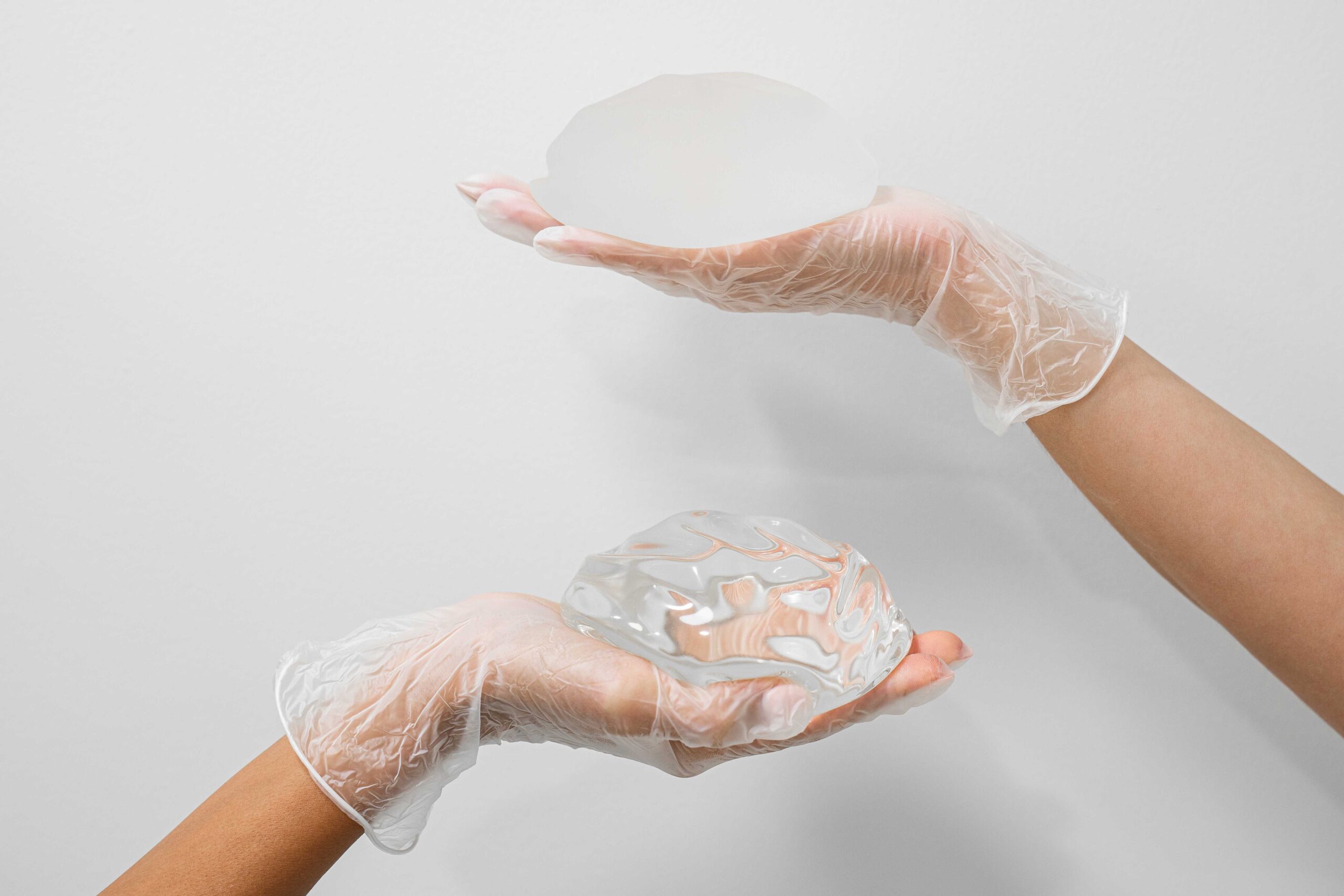
Implants for breast augmentation surgery

Breast augmentation is one of the most sought-after cosmetic procedures worldwide, offering women the opportunity to enhance their shape, restore volume, and boost self-confidence. However, it’s not a one-size-fits-all surgery. It’s a deeply personalized procedure tailored to each patient’s anatomy, preferences, and goals. With that, personalization comes variation in pricing. Many women considering breast augmentation wonder why the cost of breast augmentation surgery can differ so widely, even within the same city. The truth is that several factors contribute to the final price tag, and understanding them can help you make a confident and informed decision. When choosing where and how to have your procedure, the goal should always be a balance between safety, quality, and the results you desire, rather than focusing solely on the lowest possible cost. And that’s why Lucia Clinic in Dubai is your best choice!

Surgeon’s Expertise and Credentials

The experience and qualifications of your surgeon play a significant role in determining the cost. Board-certified plastic surgeons with specialization in breast procedures, years of practice, and a proven portfolio of successful results often charge more, and for good reason.
An experienced surgeon brings not only advanced technical skill but also the artistic judgment needed to create natural, harmonious results. They understand subtle details such as implant positioning, proportion to body frame, and symmetry correction.
When considering this procedure, breast augmentation Dubai experts suggest choosing a surgeon with extensive experience who ensures you’re entrusting your body to capable hands.

Type of Breast Implants Chosen

Your choice of implant significantly impacts the cost. The two primary types are silicone and saline.

  • Silicone implants tend to feel more natural and are less prone to rippling, making them a popular choice among patients. However, they are generally more expensive due to manufacturing costs and the higher quality of materials.
  • Saline implants are filled with sterile saltwater after insertion. They’re usually less expensive, but they may not feel quite as natural and can be more prone to visible rippling in women with thinner breast tissue.

Beyond the material, there are also differences in shape, profile, and brand warranties, all of which can affect the final price.

Surgical Technique and Complexity

Not all breast augmentations are performed the same way. The surgical technique your surgeon uses can influence both the complexity and cost of the procedure.

  • Implant placement can be either above the chest muscle (subglandular) or below it (submuscular). Submuscular placement often requires more skill and may take longer, impacting surgical fees.
  • Incision location, whether inframammary (under the breast), periareolar (around the nipple), or transaxillary (through the armpit), can also influence cost depending on the technical difficulty.

If you’re combining augmentation with one of the best breast lift Dubai can offer, costs will be higher due to the additional surgical time, complexity, and expertise required.

Facility and Anesthesia Fees

Where your surgery takes place is another important factor. Accredited surgical centers typically charge more than non-accredited facilities, but they also provide higher safety standards, modern equipment, and specialized surgical teams.

Anesthesia fees vary depending on whether a general anesthetic or local anesthesia with sedation is used, as well as the expertise of the anesthesiologist. A highly experienced anesthesiologist is essential for safety, and that expertise is reflected in the price.

Pre-Surgery Consultations and Medical Assessments

A thorough preparation process can slightly increase the upfront cost but significantly improve your safety and final results. Pre-operative steps often include:

  • Detailed consultations to understand your goals.
  • Physical examinations and imaging (such as mammograms or ultrasounds).
  • Blood tests and other health screenings.

At reputable clinics like Lucia Clinic in Dubai, this careful planning ensures your surgery is tailored precisely to your needs, reducing the risk of complications and increasing satisfaction with the outcome.

Post-Surgery Care and Follow-Ups

The surgery itself is only part of your journey. Quality aftercare can influence both recovery and results. This may include:

  • Multiple follow-up appointments to monitor healing.
  • Professional guidance on post-operative care.
  • Access to treatments like scar management, lymphatic drainage massage, or minor touch-ups if needed.

Some clinics include this in the total cost, while others charge separately. It’s important to factor this into your budget from the start.

Location and Clinic Reputation

The region where you have surgery can dramatically affect costs. In high-demand areas like Dubai, prices may be higher due to the competitive market for premium services and the high level of expertise available.

Additionally, the reputation of the clinic matters. Well-established clinics with a track record of excellent results, advanced technology, and world-class facilities, such as those specializing in plastic surgeries in Dubai, often have higher fees that reflect their quality and patient satisfaction rates.

Long-Term Considerations

Breast augmentation is an investment in your appearance and confidence, so thinking long-term is essential. Cheaper implants or less experienced surgeons may save you money now, but could lead to complications or revisions later.

Premium implant brands often come with warranties, which can save you money in the future if replacement is needed. Likewise, the right surgical technique can prolong your results, reducing the likelihood of additional procedures.

Breast implants

It’s important to balance cost and quality.

The Importance of Balancing Cost and Quality

While budget is always a consideration, it should never be the deciding factor in such a significant procedure. Choosing the lowest price can sometimes mean sacrificing safety, expertise, or long-lasting results.
When you select an experienced surgeon, a fully accredited facility, and high-quality implants, you’re not just paying for surgery; you’re investing in peace of mind, health, and satisfaction with your appearance for years to come.

Focus on Value, Not Just Price

The cost of breast augmentation is influenced by numerous factors: your surgeon’s expertise, the type of implants, surgical complexity, facility standards, anesthesia, pre- and post-surgery care, and even the location of your clinic. By understanding these variables, you can make a well-informed choice that prioritizes your safety, aligns with your goals, and delivers beautiful, lasting results. When considering breast augmentation in Dubai, the safest and most rewarding decision is to choose an experienced surgeon at a reputable, accredited facility. In the end, true value comes from exceptional care and results that make you feel confident every day.

The Role of Skin Quality in Abdominoplasty Results: What Patients Need to Know

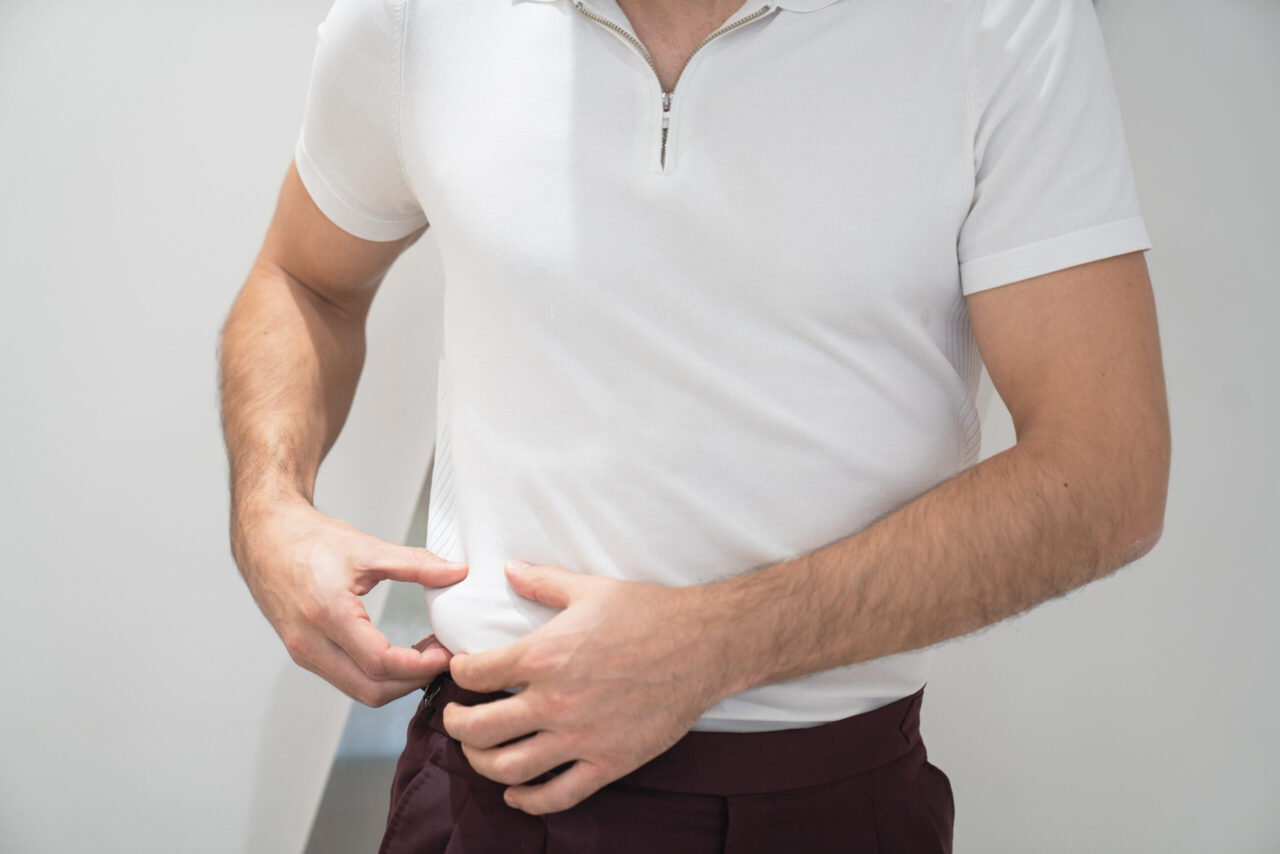
A man after a tummy tuck

A successful tummy tuck depends on more than removing loose skin or tightening muscles. The role of skin quality in abdominoplasty results shapes how smooth, firm, and long-lasting the outcome will be. Surgeons study each patient’s skin elasticity, collagen strength, stretch marks, and lifestyle habits because these factors influence healing, contour definition, and the stability of the new shape. Poor elasticity can limit how well the skin drapes after surgery, while weakened collagen can affect firmness. Even stretch marks signal areas where the skin may respond differently. At Lucia Clinic Dubai, surgeons use these insights to guide each treatment plan and help patients understand what their skin can achieve. This approach builds realistic expectations and supports better results.

Why Skin Quality Matters More Than Patients Realize

Skin quality shapes the outcome of an abdominoplasty in Dubai, which offers far more than most patients expect. Surgeons look beyond loose skin and muscle separation because the way the skin behaves after surgery depends on its internal structure. Good elasticity allows the skin to redrape smoothly over the abdomen once excess tissue is removed. When elasticity is limited, the skin may not tighten as well, which can influence the overall contour.

Skin quality also affects scar formation and healing. Strong, healthy skin with balanced collagen levels tends to produce finer scars and heal with fewer irregularities. Patients with weakened or damaged skin—often due to sun exposure, aging, pregnancy changes, or weight fluctuations—may experience different healing responses.

The smoothness and tightness of the final result connect directly to collagen strength and the presence of stretch marks. Stretch marks indicate areas of reduced structural support, so those regions may not respond as firmly after surgery. This can shape the level of refinement patients see once swelling fades.

Finally, the long-term stability of the outcome depends on skin durability. Firmer skin maintains its shape longer and supports a more defined abdominal line over the years.

Key Skin Characteristics Surgeons Evaluate Before a Tummy Tuck

Before recommending a tummy tuck, surgeons study several features that reveal how the skin will respond during and after surgery. These characteristics help predict how well the skin will tighten, how smoothly it will settle over the abdomen, and how the scars will heal:

  • Skin Elasticity: Elasticity shows how well the skin can retract and adapt once excess tissue is removed. Strong elasticity helps the skin settle smoothly over the new contour, while reduced elasticity limits how tight the abdomen can appear after surgery.
  • Collagen and Elastin Levels: Collagen and elastin give the skin its structure and firmness. Aging, sun exposure, and repeated weight changes weaken these fibers. Lower levels make the skin less responsive during healing, which can influence the final appearance.
  • Thickness and Structure of the Dermis: A thicker dermis supports smoother results and steadier healing. Healthy dermal layers resist irregularities and help scars mature more evenly, creating a more refined abdominal contour after a tummy tuck.
  • Stretch Marks and Past Trauma: Stretch marks show where the skin has lost structural strength. These areas may not tighten as smoothly as healthier regions. Surgeons explain this during consultations so patients understand what improvements are possible and where limitations may appear.

Factors That Impact Skin Quality Before Abdominoplasty

Before surgery, surgeons review the factors that shaped the skin over the years. Understanding these elements prepares patients for realistic outcomes and helps guide pre-surgery care:

  • Age and Natural Aging Processes: Aging reduces collagen, slows healing, and weakens elasticity.
  • Pregnancy Effects: Pregnancy stretches the abdominal skin and shifts hormones. Many patients also develop diastasis, which alters how the skin drapes once muscles are repaired.
  • Significant Weight Fluctuations: Repeated weight gain and loss create long-term changes in skin structure.
  • Genetics: Genetics influence collagen production, elasticity, and overall skin strength.
  • Sun Exposure and Lifestyle: UV damage breaks down collagen and accelerates aging. Smoking weakens circulation, while poor hydration and nutrition affect skin strength.

How Skin Quality Influences Surgical Technique

Surgeons adjust their approach based on how the skin is expected to respond during and after the procedure. When patients have limited laxity and good elasticity, a mini tummy tuck may be enough to create a clean contour. However, when the skin shows widespread looseness, a full tummy tuck becomes the more appropriate option because it allows for more extensive removal and repositioning.

Skin quality also shapes the decision to combine liposuction in Dubai with the surgery. Firm, elastic skin can adapt well after fat removal, while weaker skin may struggle to tighten, so surgeons use more caution in those cases. Muscle repair plays a major role too. When the skin is healthier and more resilient, the improved muscle support beneath it creates a smoother surface and more defined shape once diastasis recti is corrected.

What Patients With Poor Skin Quality Should Expect

Patients with weaker skin structure often need a more tailored surgical plan. These points help set clear expectations and guide long-term care after surgery:

  • Need for wider skin removal or full abdominoplasty
  • Possibility of mild residual laxity
  • A stronger focus on scar care
  • Realistic expectations about stretch marks
  • Greater importance of maintenance treatments post-surgery

How to Improve Skin Quality Before Your Abdominoplasty

Improving skin quality before a tummy tuck can strengthen the final result and support smoother healing. Surgeons often guide patients through targeted steps that enhance elasticity, boost collagen, and create healthier skin behavior during recovery. Medical-grade skincare can make a noticeable difference. Topical retinoids, peptides, and vitamin C stimulate collagen and support a firmer, more resilient surface.

Non-surgical treatments also help when scheduled well ahead of plastic surgery Dubai surgeons do. Radiofrequency, microneedling, and laser resurfacing encourage tighter, healthier skin, giving surgeons more to work with during the procedure. Daily habits matter too. Strong hydration, balanced nutrition, UV protection, and avoiding smoking help maintain skin strength and improve circulation. Keeping weight steady before surgery also supports better planning and leads to more predictable long-term results.

A body after a tummy tuck

Skin plays a role in abdominoplasty.

The Role of Skin Quality in Abdominoplasty Results

Skin quality shapes both the immediate and long-term outcome of a tummy tuck. Patients who understand the role of skin quality in abdominoplasty results gain clearer insight into what their skin can achieve and how it will respond during healing. Elasticity, collagen strength, past stretching, and daily habits all influence smoothness, firmness, and the longevity of the final contour. When patients address these factors early, they prepare their skin for better recovery and more satisfying results.

How Vascular Treatments at Lucia Clinic Reduce Visible Veins Without Surgery

Dr. Kris Wasilewski talking to a patient

Visible veins on the face or body are a common aesthetic concern. For many people, they are not painful or medically serious, but they can affect confidence, makeup choices, clothing, and how youthful or refreshed the skin appears. Prominent facial veins, broken capillaries, or spider veins on the legs often become more noticeable over time, even with good skincare and a healthy lifestyle. At Lucia Clinic, laser vascular treatments are used to address visible veins in a precise, non-surgical way, thanks to our expert, Dr. Kris Wasilewski. These treatments focus on improving appearance and skin clarity without incisions, stitches, or extended downtime.

Why Veins Become More Visible Over Time

Visible veins can appear for several reasons, and it is rarely just one factor. Skin naturally becomes thinner with age, making underlying vessels easier to see. Sun exposure can weaken capillaries, especially on the face, while genetics often plays a role in leg veins becoming more prominent.

Hormonal changes, pregnancy, prolonged standing, heat, and lifestyle factors can also contribute. In many cases, people notice that veins seem to “suddenly” appear, when in reality they have been gradually becoming more visible over months or years. Importantly, visible veins are often an aesthetic issue rather than a medical one. This is why non-surgical laser treatments are an appealing option for patients who want visible improvement without invasive procedures.

What Are Vascular Treatments?

Laser vascular treatments use advanced light-based technology to target visible blood vessels beneath the skin with a high level of precision. The laser energy is selectively absorbed by the blood inside the vein, causing the vessel walls to gently heat, close, and eventually collapse. Once treated, the body’s natural processes gradually reabsorb the vein, allowing it to fade or disappear without affecting the surrounding skin.

Unlike surgical vein procedures, laser vascular treatments do not involve incisions, stitches, or physically removing veins. The skin remains intact, which helps preserve texture, tone, and overall skin quality while significantly reducing recovery time. Treatments are performed in a controlled, outpatient setting and are designed to deliver subtle, natural-looking improvements rather than abrupt changes.

At Lucia Clinic, laser vascular treatments are performed under the expertise of Dr. Kris Wasilewski, whose approach focuses on precision, safety, and aesthetic balance. His experience with advanced vascular technologies allows treatments to be tailored based on vein type, depth, location, and the individual’s aesthetic goals. This ensures results that look refined and harmonious, without the need for surgical intervention or extended downtime.

How Sclerotherapy and Radiofrequency Treatments Reduce Visible Veins

At Lucia Clinic, visible veins are treated using targeted, non-surgical techniques selected based on vein type, size, and location. Two of the most effective approaches are sclerotherapy and radiofrequency-based treatments, both of which focus on precision and aesthetic balance rather than invasive intervention.

Sclerotherapy treatment works by delivering a specialized solution directly into the visible vein. This causes the vein walls to gently close and collapse. Over time, the body naturally absorbs the treated vein, allowing it to fade from view. Because the treatment acts from inside the vessel, it is especially effective for spider veins and small varicose veins, particularly on the legs, while leaving surrounding skin unaffected.

Radiofrequency treatments use controlled thermal energy to target vein walls without cutting the skin. The heat causes the vein to close and gradually be reabsorbed by the body, improving the appearance of the area while preserving skin texture. Radiofrequency is often used for veins that benefit from a heat-based approach and can be combined with other treatments when appropriate.

Together, these techniques offer several advantages:

  • Targeted treatment of visible veins without surgery or incisions
  • Gradual fading of veins as the body clears them naturally
  • Improved skin clarity and tone in treated areas
  • Minimal downtime, allowing patients to return to daily activities quickly

Depending on the size, depth, and location of the veins, more than one session may be recommended to achieve optimal, natural-looking results. A personalized assessment ensures the most appropriate technique is selected for each individual concern.

What to Expect During Treatment with Dr. Kris Wasilewski

Treatment begins with a detailed assessment of the veins to determine whether sclerotherapy, radiofrequency, or a combination approach is most appropriate. The skin is cleansed, and the treatment area is carefully prepared to ensure precision and comfort.

For sclerotherapy, a fine needle is used to deliver a solution directly into the targeted vein, causing it to gently close. For radiofrequency-based treatments, controlled thermal energy is applied externally to encourage the vein walls to collapse without breaking the skin. Both methods are performed with a high level of accuracy to protectthe surrounding tissue.

Most patients describe the sensation as mild and manageable. Sclerotherapy may feel like a brief pinch or pressure, while radiofrequency treatments can create a warm or tingling sensation. Treatment time varies depending on the number and size of veins being addressed, but is typically completed within a short in-clinic session.

After treatment, it is normal for the area to appear slightly red, warm, or flushed. These effects are temporary and part of the body’s natural response as it begins to absorb the treated veins. Under the care of Lucia Clinic, patients are guided through aftercare steps designed to support optimal, natural-looking results with minimal disruption to daily activities.

Combining Vascular Treatments With Other Aesthetic Care

Vascular treatments are often incorporated into a broader aesthetic plan rather than performed in isolation. Reducing the appearance of visible veins helps create a clearer, more even skin surface, which can enhance the overall impact of other aesthetic treatments.

Once vein visibility is improved, many patients find that skin rejuvenation Dubai treatments and pigmentation-focused treatments deliver more refined results, as the skin tone appears more balanced and uniform. Maintenance skincare protocols may also be recommended to support skin quality and help preserve results over time.

At Lucia Clinic, vascular treatments are planned as part of a cohesive aesthetic strategy, ensuring each procedure complements the others and contributes to a natural, harmonious outcome rather than addressing concerns in isolation.

A Refined, Non-Surgical Approach to Visible Veins

Visible veins do not have to mean surgery. Non-surgical vascular treatments offer a precise and effective way to reduce the appearance of unwanted veins while preserving skin integrity and minimizing downtime. Under the expertise of Dr. Kris Wasilewski at Lucia Clinic, these treatments are approached with careful attention to aesthetics, proportion, and long-term results. For patients seeking clearer skin, improved confidence, and natural-looking outcomes, a professional consultation with Dr. Wasilewski helps determine the most suitable treatment plan and how it fits into a personalized aesthetic journey.