



Tag: innovative treatments

Liposuction Side Effects: The Importance of Choosing the Right Clinic in Dubai

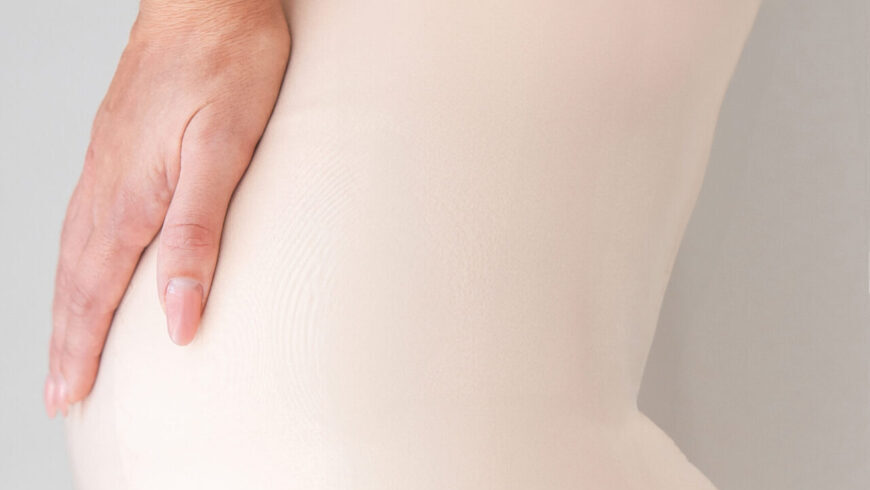
A woman in a dress after healing from liposuction

Liposuction remains one of the leading body contouring procedures in Dubai. Many patients choose it to refine areas that resist diet and exercise. Still, every surgical treatment carries potential side effects. Swelling, bruising, and temporary discomfort often occur, while rare complications require immediate care. Your choice of clinic matters as much as the procedure itself. The right medical team reduces risk, manages recovery, and supports balanced results. In a city known for premium aesthetic services, careful selection protects both your health and your investment! Learn more from the Lucia Clinic experts.

Understanding Liposuction as a Surgical Procedure

Liposuction is a surgical body contouring procedure that removes targeted fat deposits through small incisions. A surgeon inserts a thin cannula under the skin and uses controlled suction to remove fat cells in a planned pattern. The goal focuses on improving shape and proportion, not overall weight loss.

Since the cannula moves through tissue layers, the procedure affects small blood vessels and nerves as well. As a result, you can expect swelling, bruising, and soreness during early recovery. The anesthesia also adds another medical factor, since your team must monitor breathing, blood pressure, and heart rate throughout the procedure. Careful planning and precise technique help reduce trauma and support a smoother healing process.

Surgeons often treat areas such as:

  • Abdomen
  • Flanks
  • Inner and outer thighs
  • Upper arms
  • Back
  • Chin and neck

Liposuction Techniques

Different liposuction techniques exist, and the most common are:

  • Tumescent liposuction
  • VASER liposuction (ultrasound-assisted)
  • Laser-assisted liposuction
  • Water-jet liposuction (Body-Jet)
  • RF-assisted liposuction (radiofrequency options such as BodyTite, Renuvion/J-Plasma, or similar systems)

You can also group liposuction based on the look you want after treatment:

  • Traditional liposuction (general fat reduction)
  • Body contouring liposuction (shape-focused sculpting across zones)
  • HD liposuction (high-definition work that highlights muscle lines)

Common Liposuction Side Effects

Every patient experiences some degree of swelling and discomfort. These reactions form part of the normal healing process. However, you should know what to expect.

Swelling and Bruising

Swelling starts right after liposuction and often lasts several weeks. Some patients notice mild swelling for a few months, especially in larger treatment areas. Bruising also appears around the incisions and along the treated zone. It usually fades within two to three weeks. A skilled surgeon uses a controlled technique, which limits tissue trauma and keeps swelling lower overall.

Pain and Tenderness

Most patients feel soreness that resembles a strong workout strain. The clinic may prescribe pain medication for the first few days, then you can switch to milder options if your doctor approves. Discomfort should ease each day as healing progresses. Contact your clinic if pain increases, feels sharp, or comes with fever, since complications can develop.

Temporary Numbness

Temporary numbness can occur near treated areas because liposuction affects small nerves under the skin. You may feel reduced sensation, tingling, or a “pins and needles” feeling during recovery. In most cases, sensation returns gradually over weeks or months. Careful surgical technique helps protect nerve pathways. If numbness spreads or worsens, ask your doctor to assess it.

Fluid Accumulation

Fluid pockets, called seromas, can form under the skin after liposuction. You may notice a soft, shifting swelling or a sloshing feeling in the area. Compression garments help limit this issue, and some surgeons use drainage methods when needed. If fluid collects, the doctor can remove it using a small needle during a clinic visit.

Less Common but Serious Risks

Although serious complications remain rare, they can occur. Therefore, you must choose a clinic that prepares for every possibility.

Infection

Infection can develop if bacteria enter the incision sites. Signs include redness, warmth, fever, or unusual discharge. A sterile operating environment and strict hygiene protocols reduce this risk. A reputable clinic in Dubai follows clear sterilization standards. The surgical team uses approved equipment and maintains a controlled operating room.

Irregular Contours

Uneven fat removal can create lumps, dents, or asymmetry. These issues often result from poor technique or over-aggressive suction. A skilled surgeon removes fat evenly and respects natural anatomy. Careful planning and experience make a visible difference in the final contour.

Skin Irregularities

Skin may appear loose or wavy after fat removal. Your skin elasticity plays a role. However, the surgeon’s method also influences skin retraction. During consultation, an experienced doctor will evaluate your skin quality. They will explain whether liposuction alone suits you or if you need additional treatments.

Blood Clots and Fat Embolism

In rare situations, fat particles enter the bloodstream. This condition can block blood vessels and become life-threatening. Although such events remain uncommon, they require immediate medical response.

Only a fully equipped surgical facility can handle emergencies. That level of preparedness separates high-end clinics from average providers.

Why Surgeon Expertise Changes Everything?

Choosing the best plastic surgeon in Dubai ensures that your procedure is handled with the highest level of care and professionalism. Your surgeon’s training and daily experience shape both safety and the final contour. Liposuction requires controlled hand movement, steady depth control, and a clear plan for each zone. A skilled surgeon also reads your anatomy in real time. They adjust technique based on fat density, skin quality, and body symmetry. This approach helps reduce unevenness, excess bruising, and avoidable revisions. In addition, an expert surgeon knows when to stop. Overcorrection can create dents and loose skin, so judgment matters as much as technique.

An expert surgeon will:

  • Review your medical history carefully and flag risks early
  • Explain realistic outcomes based on your body and skin elasticity
  • Discuss liposuction side effects and warning signs in direct, clear language
  • Choose the safest technique for your needs and treatment area
  • Use measured, even suction to keep contours smooth
  • Protect key structures and limit unnecessary tissue trauma
  • Build a recovery plan with follow-ups, garment guidance, and support

In Dubai, premium clinics invest in experienced specialists and strong medical teams. Lucia Clinic, for example, focuses on careful planning, precise execution, and discreet aftercare. Clients who expect refined results benefit when a clinic combines safety standards with a strong aesthetic eye!

The Role of Proper Consultation

A high-quality clinic treats consultation as a medical appointment, not a sales meeting. The doctor takes time to understand what you want to change and why. They also check your health history, current medications, and prior surgeries. This step helps them spot risks early and plan safely. The doctor should examine your treatment areas in person, assess skin elasticity, and explain what liposuction can and cannot do. Clear planning also prevents disappointment, since results depend on anatomy, healing, and lifestyle. During consultation, you should receive direct answers about:

  • Expected results and what “realistic” looks like for your body
  • Technique options and why one method fits you better than another
  • Anesthesia plan and who will monitor you during the procedure
  • Recovery timeline with week-by-week expectations
  • Compression garment use, including fit, duration, and daily wear time
  • Activity restrictions such as work, driving, workouts, and travel
  • Possible side effects and the warning signs that need urgent contact
  • Follow-up schedule and how the clinic handles concerns after surgery

If a clinic avoids risk discussions or pushes fast decisions, take that as a warning. A transparent consultation builds trust, supports safer choices, and sets the tone for a better recovery! It’s important to schedule consultations only with certified, highly experienced clinics!
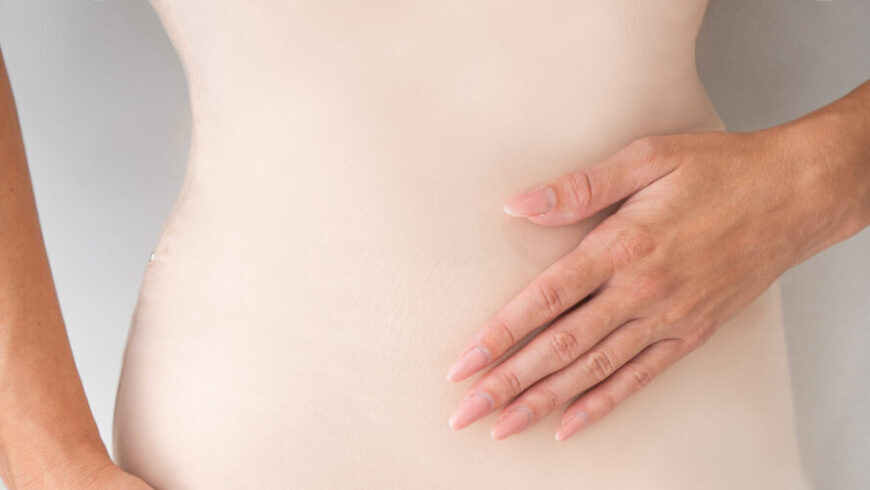
A woman after a liposuction

Liposuction side effects are not many, with the right aftercare.

Long-Term Results Depend on Clinic Quality

Your final liposuction results depend heavily on the quality of the clinic you choose. Swelling can mask your shape for weeks, and full definition may take several months to appear. During that time, surgical precision and structured aftercare make a clear difference. A skilled surgeon removes fat evenly and respects natural body lines. This approach reduces the risk of dents, lumps, or asymmetry that may require revision.

In addition, a reputable clinic monitors your healing process closely. Regular follow-ups allow the doctor to track swelling, address concerns early, and guide you through each recovery stage. Compression guidance, activity advice, and realistic timelines also support stable results.

On the other hand, poor technique or limited supervision can lead to uneven contours that become more visible as swelling fades. Corrective procedures often cost more and involve new recovery periods. For this reason, your first decision carries long-term impact. When considering liposuction in Dubai, it’s important to choose a clinic with a proven track record of success and safety, such as Lucia Clinic. Careful selection today shapes how you feel about your results years later.

How to Choose the Right Clinic in Dubai?

Choosing the right clinic and the best aesthetic doctor in Dubai requires careful research and clear judgment. Start with the surgeon’s credentials. Verify board certification, years of surgical experience, and specific expertise in liposuction techniques. Don’t forget to review before-and-after cases that reflect natural proportions, not exaggerated changes.

During consultation, observe how the doctor communicates. A serious professional listens to your concerns, sets realistic expectations, and explains risks without hesitation. You should also assess the facility itself. Clean treatment rooms, organized staff, and structured protocols reflect strong internal standards. Ask about anesthesia safety, emergency preparedness, and post-operative follow-up visits. Reliable clinics provide clear recovery plans and remain accessible after surgery.

Privacy also matters, especially in Dubai’s high-profile environment. A reputable clinic respects discretion and protects patient information. For example, Lucia Clinic maintains a refined setting while focusing on safety and individualized care. Avoid choosing based on price alone. Lower costs may signal limited expertise or reduced medical support. Instead, prioritize experience, transparency, and structured aftercare. When you evaluate these elements carefully, you increase your chances of safe surgery and long-lasting, balanced results.

A man thinking about liposuction

When you contact the right clinic, the downtime after the liposuction procedure is minimal.

Safety First in Aesthetic Surgery!

Liposuction can refine body contours and strengthen confidence, but it remains a surgical procedure with real risks. Swelling, bruising, and temporary numbness form part of recovery, while rare complications require prompt medical care. For that reason, clinic quality matters as much as technique. Experienced surgeons, strict safety standards, and structured follow-up visits protect both your health and your final results. In Dubai’s competitive aesthetic market, careful selection sets you apart from avoidable problems. Take time to research, ask direct questions, and choose a clinic that values precision, transparency, and long-term patient care!
PicoSure and Maintenance Treatments: How to Prevent Pigmentation From Returning

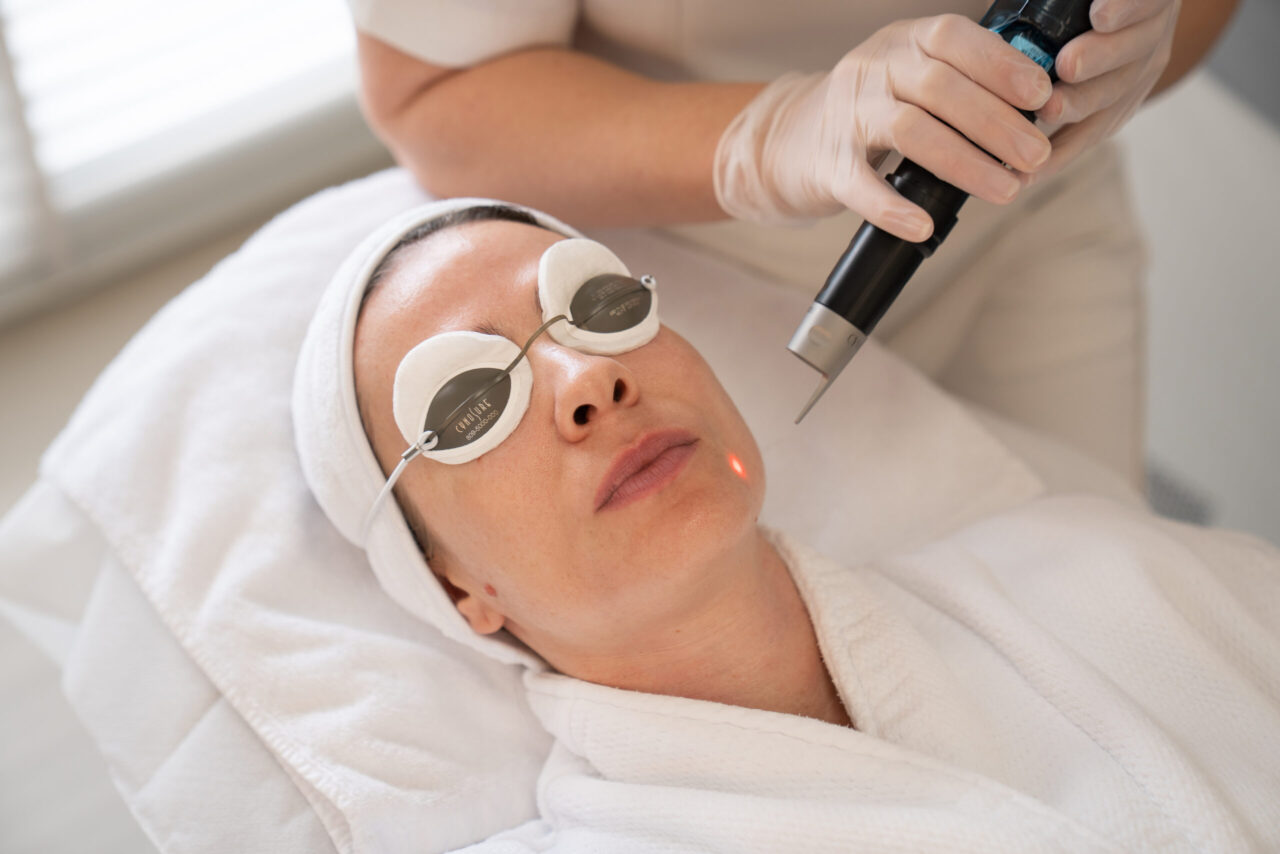
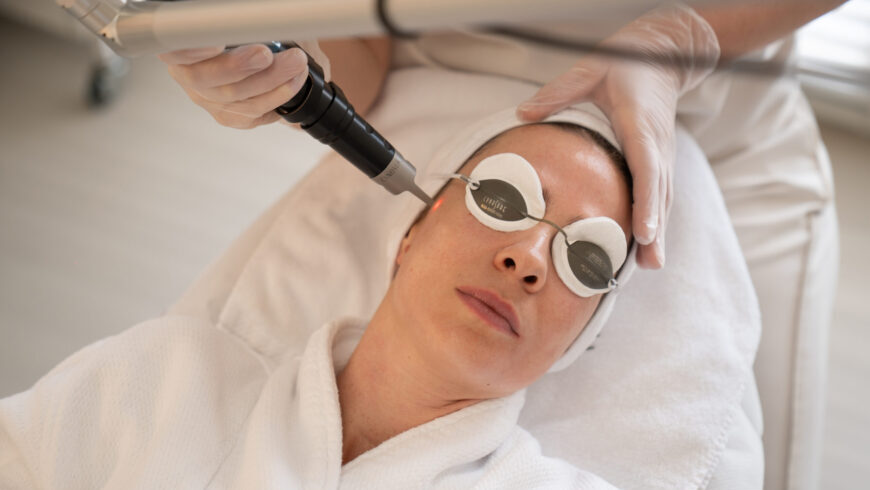
Getting Picosure before maintainance treatments

Pigmentation often improves after treatment, yet it can return without the right follow-up care. Sun exposure, hormonal changes, inflammation, and daily skin stress continue to stimulate melanin, even after discoloration fades. That explains why results depend on more than removing visible pigment. There is a real difference between clearing pigment and maintaining results. Corrective treatments address existing dark spots, while maintenance focuses on keeping pigment activity under control. This phase helps protect skin clarity and reduce the risk of recurrence over time. PicoSure and maintenance treatments work best as part of a long-term strategy. PicoSure targets stubborn pigmentation with precision, while maintenance care supports skin stability between sessions. At Lucia Clinic Dubai, treatment plans focus on both stages, helping patients preserve results, support skin balance, and maintain a more even tone long after initial improvement.

Why Pigmentation Recurs

Pigmentation often returns because the triggers behind it never fully disappear. Sun exposure plays the biggest role. UV rays and heat stimulate melanin production, even after successful treatment. Hormonal changes, including pregnancy or contraceptive use, also reactivate pigment cells. Inflammation adds another layer, since irritation, acne, or aggressive skincare can signal the skin to produce more pigment.

There is also an important difference between surface pigment and deeper triggers. Surface pigment sits in the upper skin layers and responds well to treatment. Deeper triggers affect melanocytes, the cells that produce pigment. These cells remain active unless controlled over time, which explains delayed recurrence.

That is why treating pigment once is rarely enough. A single treatment clears visible discoloration, but it does not stop future melanin stimulation. Long-term control requires protection, maintenance care, and strategies that calm pigment activity before new spots appear.

How PicoSure Clears Pigmentation

PicoSure laser uses ultra-short energy pulses, measured in picoseconds, to target pigment without overheating the skin. In simple terms, the laser delivers energy so quickly that pigment shatters before surrounding tissue absorbs heat. This makes treatment more controlled and reduces stress on the skin.

When PicoSure hits areas of discoloration, it breaks pigment into tiny particles. The body then clears these fragments naturally through the lymphatic system over time. Because the pigment is fragmented rather than burned, the skin recovers more comfortably, and tone improves gradually.

PicoSure is often chosen for stubborn and recurrent pigmentation because it can reach deeper pigment triggers. It works on discoloration that resists creams or traditional lasers. This depth and precision help reduce repeat buildup, making PicoSure effective for complex pigmentation patterns that tend to return.

The Importance of Maintenance After PicoSure

Post-treatment care matters as much as the laser itself because PicoSure addresses existing pigment, not future triggers. After treatment, the skin remains sensitive to factors that stimulate melanin. Without proper care, those triggers stay active beneath the surface.

Sun exposure, heat, hormonal shifts, and inflammation can all cause pigment to reappear. Even minimal UV exposure can restart pigment production in treated areas. Skipping protection or follow-up care allows these signals to reach melanocytes, leading to new discoloration over time.

That is why realistic expectations are important. PicoSure improves pigmentation, but long-term management keeps results stable. Maintenance may include sun protection, supportive skincare, and scheduled follow-ups.

Maintenance Treatments That Support PicoSure Results

Maintenance treatments help protect results after PicoSure by strengthening the skin and keeping pigment triggers under control. Gentle skin-strengthening treatments improve resilience, allowing the skin to respond better to environmental stress and daily exposure. Stronger skin reacts less aggressively to heat, light, and irritation.

Hydration and barrier-support therapies also play an important role. Well-hydrated skin maintains a healthier barrier, which limits inflammation and reduces signals that stimulate pigment production. When the barrier stays intact, the risk of uneven tone decreases.

Treatments that calm inflammation further support long-term balance. Ongoing redness, breakouts, or irritation can activate melanin pathways. For patients with post-acne marks, carefully selected acne scars treatment helps control inflammation while improving texture. This balanced approach supports clearer skin, protects PicoSure results, and helps prevent pigmentation from returning over time.

Skincare Habits That Help Prevent Pigmentation

Healthy daily habits play a major role in keeping pigmentation under control after treatment and protecting long-term results:

  • Daily sun protection and heat control: Apply broad-spectrum sunscreen every morning and reapply when needed. Limit direct sun and heat exposure, since both stimulate melanin production and increase recurrence risk.
  • Consistent routines over aggressive actives: Follow a steady skincare routine instead of frequent product changes. Overuse of acids or strong actives can irritate the skin and trigger post-inflammatory pigmentation.
  • Professional guidance for product selection: Choose products with expert input to match your skin type and treatment history. Professional guidance helps avoid reactive ingredients and supports long-term skin balance, especially after pigmentation treatments.

Lucia Clinic’s Approach to Pigmentation Maintenance

Lucia Clinic focuses on personalized treatment plans rather than one-off sessions, because pigmentation behaves differently in every patient. Skin type, lifestyle factors, and underlying triggers all influence how pigment returns. For that reason, each plan evolves based on how the skin responds, not a fixed schedule.

Getting a maintainance treatment

Personalized treatment plans keep your skin healthy.

Ongoing monitoring plays a key role. Skin changes over time, and regular assessments allow treatments to adjust before pigmentation becomes visible again. This proactive approach helps control melanin activity instead of reacting after discoloration reappears.

In-clinic treatments are paired with structured home care strategies to support long-term results. Maintenance plans often overlap with goals such as improving texture and supporting fine lines and wrinkles treatment. This combined approach keeps the skin balanced, resilient, and more resistant to future pigmentation while supporting overall skin quality.

Pigmentation Maintenance: Why Prevention Matters More Than Correction

Pigmentation management works best as an ongoing process, not a one-time fix. While treatments can clear visible discoloration, long-term results depend on controlling the triggers that cause pigment to return. Sun exposure, heat, hormones, and inflammation require consistent attention over time. PicoSure and Maintenance Treatments play an important role within a broader plan. PicoSure addresses existing pigment with precision, while maintenance care protects results and supports skin stability between sessions. Together, they reduce recurrence instead of repeatedly correcting the same concern. Focusing on prevention shifts the approach forward. With proper monitoring, supportive care, and expert guidance, pigmentation becomes easier to manage. Long-term clarity comes from consistency, not repeated corrective treatments.

Can Liposuction Help With Stubborn Fat After Pregnancy?

Pregnancy is one of the most transformative experiences in a woman’s life: physically, emotionally, and hormonally. While the joy of welcoming a child is unmatched, many women also face an unexpected challenge afterward. Stubborn fat that lingers no matter how diligently they return to healthy eating and regular exercise. These fat deposits often develop in very specific areas and can be frustratingly resistant to change. But can liposuction help with stubborn fat? For women who want to regain confidence in their post-baby bodies, liposuction has become one of the most effective solutions. Unlike traditional weight-loss methods, liposuction directly addresses those “trouble zones,” helping mothers sculpt smoother, more proportionate contours. We at Lucia Clinic have established ourselves as trusted providers of advanced cosmetic treatments, offering tailored approaches to post-pregnancy body contouring.

Why Stubborn Fat Develops After Pregnancy

During pregnancy, the body undergoes dramatic changes to support the baby’s growth. Hormones like estrogen and progesterone affect fat storage patterns, often encouraging deposits in the abdomen, hips, thighs, and arms. These fat reserves serve a biological purpose, but after childbirth, they can become extremely difficult to shed.

Another factor is the stretching of the skin and abdominal muscles. Even if a woman loses pregnancy weight, stretched tissue can create a looser or uneven appearance. Many new mothers find that no matter how many workouts they commit to, certain bulges remain untouched because the body’s fat distribution has permanently shifted.

This is why some women, despite maintaining a balanced diet and active lifestyle, still struggle with localized fat after pregnancy.

What Liposuction Can Do

Liposuction is not designed as a tool for general weight loss. Instead, it is a surgical body contouring technique that focuses on removing excess fat from specific areas. Using advanced suction methods, a plastic surgeon can target localized pockets of fat that resist diet and exercise.

For post-pregnancy patients, this typically means addressing stubborn bulges in the lower abdomen, flanks, hips, thighs, and upper arms. By sculpting these areas, liposuction helps restore more proportionate, youthful-looking body contours.

Many women describe the procedure as the “finishing touch” after pregnancy and weight loss, providing a smoother silhouette that better reflects the effort they’ve already invested in healthy living.

For mothers in the UAE, modern liposuction in Dubai is safer and more refined than ever before, with techniques designed to minimize downtime while maximizing results.

Benefits of Liposuction for Post-Pregnancy Patients

The appeal of liposuction lies in its ability to reshape the body in ways that diet and exercise cannot achieve alone. Benefits include:

  • Restoring smoother, balanced contours: Liposuction eliminates uneven bulges and improves overall body proportions.
  • Boosting confidence and body image: Regaining a sense of control over one’s appearance can have a profound emotional impact.
  • Versatility: Liposuction can be combined with other procedures. Tummy tuck Dubai health professionals offer that or non-surgical skin tightening to address both fat and skin laxity.

For many mothers, these combined treatments, sometimes referred to as a “mommy makeover,” provide the most comprehensive transformation.

Ideal Candidates After Pregnancy

Not every woman is immediately ready for liposuction after childbirth. The ideal candidate is someone who:

  • Has finished breastfeeding, as hormonal fluctuations during this period can affect fat distribution and healing.
  • Is at or near her goal weight, since liposuction is about contouring rather than large-scale weight reduction.
  • Has good skin elasticity, which helps the skin conform smoothly to new body shapes.
  • Maintains realistic expectations and understands what liposuction can and cannot achieve.

Ultimately, only a consultation with a board-certified plastic surgeon can determine eligibility. Trusted clinics such as Lucia Clinic Dubai offer thorough evaluations to ensure each patient receives a plan suited to her body and goals.

Recovery and Aftercare Considerations

While liposuction is minimally invasive compared to many other surgical procedures, recovery is still a crucial part of achieving the best results. Patients typically experience:

  • Downtime of about one to two weeks, depending on the extent of treatment.
  • Compression garments, worn to minimize swelling, support tissues, and encourage smooth healing.
  • Gradual return to normal activities, light walking is encouraged soon after surgery, but strenuous exercise is delayed until cleared by the surgeon.

Adhering to aftercare instructions, such as staying hydrated, maintaining a nutrient-rich diet, and avoiding sudden weight fluctuations, is essential. These steps ensure long-lasting, natural-looking results.

Long-Term Results and Maintenance

One of the most common questions mothers ask is whether liposuction results are permanent. The answer is yes, with a caveat. Fat cells removed during liposuction do not regenerate; however, remaining fat cells can still enlarge if weight is gained.

This means maintaining results requires a commitment to healthy living. Balanced eating habits, regular exercise, and body care routines all support the longevity of liposuction outcomes. Many women report that having gone through the procedure motivates them to continue making healthier choices, as they want to preserve their new contours.

Alternatives and Complementary Options

Not every woman is ready for surgery after pregnancy, and some may prefer less invasive methods. Fortunately, there is a wide range of plastic surgery in Dubai and aesthetic treatments that can serve as alternatives or complements to liposuction.

Non-surgical fat reduction methods, such as cryolipolysis or radiofrequency-based treatments, can improve smaller pockets of fat without downtime. For those with loose skin or separated abdominal muscles, combining liposuction with a tummy tuck may be recommended.

A body after liposuction

Liposuction can help with stubborn fat after pregnancy.

Ultimately, the most effective strategy is highly individual. A board-certified surgeon, such as Dr. Mario Russo at Lucia Clinic, can guide each woman toward the safest and most rewarding option.

Can Liposuction Help With Stubborn Fat?

For many women, pregnancy leaves behind more than memories. It can also create stubborn fat deposits that no amount of exercise seems to erase. Can liposuction help with stubborn fat? In such cases, yes, liposuction offers a highly effective solution, sculpting the body back into smoother, more proportionate contours. Choosing the right clinic and surgeon is key. With experienced providers like Lucia Clinic Dubai, patients can trust that their treatment plan will be safe, personalized, and designed to deliver natural-looking results. If you’re ready to take the next step in your post-pregnancy journey, book a consultation today and discover how liposuction can help you regain confidence and embrace your body with pride.

The Role of Skin Quality in Abdominoplasty Results: What Patients Need to Know

A man after a tummy tuck

A successful tummy tuck depends on more than removing loose skin or tightening muscles. The role of skin quality in abdominoplasty results shapes how smooth, firm, and long-lasting the outcome will be. Surgeons study each patient’s skin elasticity, collagen strength, stretch marks, and lifestyle habits because these factors influence healing, contour definition, and the stability of the new shape. Poor elasticity can limit how well the skin drapes after surgery, while weakened collagen can affect firmness. Even stretch marks signal areas where the skin may respond differently. At Lucia Clinic Dubai, surgeons use these insights to guide each treatment plan and help patients understand what their skin can achieve. This approach builds realistic expectations and supports better results.

Why Skin Quality Matters More Than Patients Realize

Skin quality shapes the outcome of an abdominoplasty in Dubai, which offers far more than most patients expect. Surgeons look beyond loose skin and muscle separation because the way the skin behaves after surgery depends on its internal structure. Good elasticity allows the skin to redrape smoothly over the abdomen once excess tissue is removed. When elasticity is limited, the skin may not tighten as well, which can influence the overall contour.

Skin quality also affects scar formation and healing. Strong, healthy skin with balanced collagen levels tends to produce finer scars and heal with fewer irregularities. Patients with weakened or damaged skin—often due to sun exposure, aging, pregnancy changes, or weight fluctuations—may experience different healing responses.

The smoothness and tightness of the final result connect directly to collagen strength and the presence of stretch marks. Stretch marks indicate areas of reduced structural support, so those regions may not respond as firmly after surgery. This can shape the level of refinement patients see once swelling fades.

Finally, the long-term stability of the outcome depends on skin durability. Firmer skin maintains its shape longer and supports a more defined abdominal line over the years.

Key Skin Characteristics Surgeons Evaluate Before a Tummy Tuck

Before recommending a tummy tuck, surgeons study several features that reveal how the skin will respond during and after surgery. These characteristics help predict how well the skin will tighten, how smoothly it will settle over the abdomen, and how the scars will heal:

  • Skin Elasticity: Elasticity shows how well the skin can retract and adapt once excess tissue is removed. Strong elasticity helps the skin settle smoothly over the new contour, while reduced elasticity limits how tight the abdomen can appear after surgery.
  • Collagen and Elastin Levels: Collagen and elastin give the skin its structure and firmness. Aging, sun exposure, and repeated weight changes weaken these fibers. Lower levels make the skin less responsive during healing, which can influence the final appearance.
  • Thickness and Structure of the Dermis: A thicker dermis supports smoother results and steadier healing. Healthy dermal layers resist irregularities and help scars mature more evenly, creating a more refined abdominal contour after a tummy tuck.
  • Stretch Marks and Past Trauma: Stretch marks show where the skin has lost structural strength. These areas may not tighten as smoothly as healthier regions. Surgeons explain this during consultations so patients understand what improvements are possible and where limitations may appear.

Factors That Impact Skin Quality Before Abdominoplasty

Before surgery, surgeons review the factors that shaped the skin over the years. Understanding these elements prepares patients for realistic outcomes and helps guide pre-surgery care:

  • Age and Natural Aging Processes: Aging reduces collagen, slows healing, and weakens elasticity.
  • Pregnancy Effects: Pregnancy stretches the abdominal skin and shifts hormones. Many patients also develop diastasis, which alters how the skin drapes once muscles are repaired.
  • Significant Weight Fluctuations: Repeated weight gain and loss create long-term changes in skin structure.
  • Genetics: Genetics influence collagen production, elasticity, and overall skin strength.
  • Sun Exposure and Lifestyle: UV damage breaks down collagen and accelerates aging. Smoking weakens circulation, while poor hydration and nutrition affect skin strength.

How Skin Quality Influences Surgical Technique

Surgeons adjust their approach based on how the skin is expected to respond during and after the procedure. When patients have limited laxity and good elasticity, a mini tummy tuck may be enough to create a clean contour. However, when the skin shows widespread looseness, a full tummy tuck becomes the more appropriate option because it allows for more extensive removal and repositioning.

Skin quality also shapes the decision to combine liposuction in Dubai with the surgery. Firm, elastic skin can adapt well after fat removal, while weaker skin may struggle to tighten, so surgeons use more caution in those cases. Muscle repair plays a major role too. When the skin is healthier and more resilient, the improved muscle support beneath it creates a smoother surface and more defined shape once diastasis recti is corrected.

What Patients With Poor Skin Quality Should Expect

Patients with weaker skin structure often need a more tailored surgical plan. These points help set clear expectations and guide long-term care after surgery:

  • Need for wider skin removal or full abdominoplasty
  • Possibility of mild residual laxity
  • A stronger focus on scar care
  • Realistic expectations about stretch marks
  • Greater importance of maintenance treatments post-surgery

How to Improve Skin Quality Before Your Abdominoplasty

Improving skin quality before a tummy tuck can strengthen the final result and support smoother healing. Surgeons often guide patients through targeted steps that enhance elasticity, boost collagen, and create healthier skin behavior during recovery. Medical-grade skincare can make a noticeable difference. Topical retinoids, peptides, and vitamin C stimulate collagen and support a firmer, more resilient surface.

Non-surgical treatments also help when scheduled well ahead of plastic surgery Dubai surgeons do. Radiofrequency, microneedling, and laser resurfacing encourage tighter, healthier skin, giving surgeons more to work with during the procedure. Daily habits matter too. Strong hydration, balanced nutrition, UV protection, and avoiding smoking help maintain skin strength and improve circulation. Keeping weight steady before surgery also supports better planning and leads to more predictable long-term results.

A body after a tummy tuck

Skin plays a role in abdominoplasty.

The Role of Skin Quality in Abdominoplasty Results

Skin quality shapes both the immediate and long-term outcome of a tummy tuck. Patients who understand the role of skin quality in abdominoplasty results gain clearer insight into what their skin can achieve and how it will respond during healing. Elasticity, collagen strength, past stretching, and daily habits all influence smoothness, firmness, and the longevity of the final contour. When patients address these factors early, they prepare their skin for better recovery and more satisfying results.

Creatine and Hair Loss: Separating Myths From Facts

A man getting a hair loss treatment Search online for Creatine and Hair Loss, and you’ll quickly find claims suggesting that this popular performance supplement may lead to thinning hair. These concerns circulate widely across forums, social media, and fitness communities—often without a clear scientific context. So why is creatine often blamed for hair loss online? Much of the concern comes from isolated anecdotes, misinterpreted research, and the broader rise of supplement-related hair loss fears. When people notice changes in hair density or shedding, it’s common to link them to the most recent habit change, even though genetics, stress, hormones, and nutrition play a much larger role. Hair specialists, including clinicians at Lucia Clinic in Dubai, frequently point out that appearance changes are often misattributed to a single cause, especially when hair health is influenced by multiple factors.

Where the Creatine–Hair Loss Myth Comes From

The link between creatine and hair loss didn’t start in a lab—it started online. Gym culture and online forums shaped the narrative, with anecdotal stories spreading faster than scientific explanations. When one person notices hair shedding after starting creatine, the assumption is often repeated as fact, even without supporting evidence. Timing makes creatine an easy scapegoat. Many people begin using creatine during periods of intense training, dietary changes, higher stress, or natural age-related hair changes. When hair thinning appears around the same time, creatine is blamed simply because it’s the most obvious new factor. This is a classic example of confusing correlation and cause. Just because two things happen at the same time doesn’t mean one caused the other. Hair loss is influenced by genetics, hormones, lifestyle, and overall health—factors that are often already in motion long before creatine enters the picture.

What People Usually Notice First

Most concerns around hair loss begin with increased shedding rather than true hair thinning. Seeing more hair in the shower drain, on pillows, or in a brush can feel alarming, even when overall hair density hasn’t changed. Others notice subtle visual changes, such as a wider part line, less volume at the crown, or hair that doesn’t style the same way. These shifts are often interpreted as hair loss, but they don’t always reflect actual follicle damage or permanent thinning. Hair can look thinner without true hair loss for several reasons. Temporary shedding cycles, dehydration, weight changes, stress, hormonal fluctuations, or reduced scalp oil can affect how full hair appears. Lighting, styling habits, and shorter growth phases can also exaggerate the appearance of thinning. In many cases, the hair itself is still growing—just behaving differently than before.

Factors That Affect Hair Appearance More Than Creatine

Before blaming a single supplement, it’s important to understand that hair appearance is influenced by a wide range of internal and external factors:
  • Stress, lifestyle changes, and intense training: Heavy workouts, poor sleep, travel, and elevated cortisol levels can disrupt the hair growth cycle, often triggering temporary shedding or reduced volume.
  • Diet shifts and calorie changes during fitness phases: Cutting calories, reducing carbs or fats, or increasing protein without adequate micronutrients can impact hair density and shine, even when overall nutrition seems “clean.”
  • Scalp health and inflammation: Dandruff, buildup, irritation, or inflammation can affect how hair grows and sits on the scalp, making hair look flatter, thinner, or less dense.
  • Genetics and natural hair cycles: Androgen sensitivity, age-related changes, and normal shedding phases play a major role in hair appearance—often independent of supplements or training routines.

Why Hair Loss Often Shows Up During Fitness Changes

Hair changes often appear during fitness transitions because the body is under a form of controlled stress while it adapts to new demands. Starting a new training program, increasing workout intensity, cutting calories, or changing macronutrient intake all require the body to re-prioritize energy and resources. During these adaptation phases, non-essential functions—like hair growth—can temporarily shift, leading to increased shedding or reduced volume. Hair also responds slowly to internal changes. Each strand follows a growth cycle that lasts months, meaning what you see in the mirror today often reflects what was happening inside the body weeks or even months earlier. This delayed response is why hair changes can seem sudden or unexplained. As a result, hair shedding or thinning often shows up months after lifestyle shifts, not at the moment those changes occur. This timing mismatch makes it easy to blame recent habits, like starting creatine, even though the underlying trigger began long before.

When Creatine Is Unlikely to Be the Real Issue

In many cases, hair changes that occur around the time creatine is introduced are coincidental rather than causal. Certain patterns suggest that creatine is unlikely to be the real issue behind what you’re noticing.
  • Stable hairline with temporary shedding: Increased shedding without recession or progressive thinning often points to a temporary cycle shift, not supplement-related hair loss.
  • Hair thinning that stabilizes after lifestyle adjustment: When volume or density returns to baseline once training, stress, or nutrition levels normalize, it suggests the trigger was systemic—not creatine itself.
If hair doesn’t noticeably improve after discontinuing creatine, it’s a strong sign that the cause lies elsewhere, such as genetics, hormones, or overall health.

Aesthetic Support for Hair Thinning at Lucia Clinic

When hair thinning becomes noticeable, professional guidance can help clarify what’s actually happening and which options are appropriate. At Lucia Clinic, the focus is on improving hair density and overall appearance, rather than reacting to isolated triggers or online myths. Approaches to hair loss treatment Dubai are personalized and non-invasive, taking into account lifestyle factors, scalp health, and the individual hair growth cycle. There are also separate considerations for women and men, as patterns, causes, and progression of thinning can differ. For example, hair loss treatment for men in Dubai often focuses on preserving density in genetically sensitive areas, while women may experience more diffuse thinning linked to stress or hormonal changes. Options such as ACell PRP Dubai are sometimes considered as part of a broader, medically guided strategy—aimed at supporting scalp health and hair quality, not quick fixes.
Getting hair loss treatment

There are different causes of hair loss, but Lucia Clinic can help prevent them.

Creatine and Hair Loss: Separating Myths From Facts

When it comes to Creatine and hair loss, evidence consistently shows that creatine alone is rarely the true cause. Hair thinning is usually influenced by a combination of genetics, stress, training intensity, diet changes, hormones, and natural hair cycles—not a single supplement. Understanding the full picture is essential. Because hair responds slowly to internal changes, visible shedding or thinning often reflects lifestyle shifts that occurred months earlier. This delay is why creatine is frequently blamed, even when it isn’t responsible. Instead of guessing or reacting to online myths, it’s smarter to address visible hair changes early. Seeking clarity—rather than assuming cause and effect—helps protect hair appearance and reduces unnecessary concern around creatine and hair loss.

Dr. Radmila Lukian at IMCAS World Congress Paris

Dr. Radmila Lukian speaking at IMCAS World Congress Paris

The IMCAS World Congress in Paris is one of the most influential gatherings in aesthetic dermatology, plastic surgery, and anti-aging medicine. Each year, it brings together leading experts from around the world to exchange knowledge, present innovations, and shape the future of the industry. In 2026, Lucia Clinic was proudly represented by its founder and dermatologists, Dr. Radmila Lukian, whose participation reflected her ongoing role as a global voice in advanced aesthetic medicine.

Sharing Clinical Expertise as an IMCAS Speaker

As an invited speaker at IMCAS World Congress Paris, Dr. Lukian contributed her extensive clinical experience across multiple sessions focused on innovation, patient-centered care, and long-term aesthetic outcomes.

In her session on consultations and the patient journey using Restylane fillers, Dr. Radmila shared her personal protocols developed through years of clinical practice. Her presentation emphasized the importance of understanding patient expectations, facial dynamics, and long-term planning when working with injectable treatments. Rather than focusing on isolated procedures, she highlighted how thoughtful consultation and individualized strategies lead to more natural, balanced, and sustainable results.

Later, Dr. Lukian took part in a dedicated session exploring the evolution of aesthetic technology through Thermage. Drawing from her hands-on experience, she discussed how energy-based devices have transformed non-invasive skin tightening and rejuvenation, and how technique, precision, and patient selection play a critical role in achieving refined outcomes. Her insights reflected a broader shift in aesthetics toward treatments that prioritize skin quality, longevity, and natural enhancement over dramatic change.

Engaging With the Industry at the SkinCeuticals Booth

Beyond the lecture halls, Dr. Radmila was also actively involved in sharing expertise at the SkinCeuticals booth throughout the congress. These interactions allowed for direct exchange with fellow professionals, industry leaders, and practitioners interested in advanced skincare science and its role in modern aesthetic practice.

Her presence highlighted the growing importance of combining in-clinic treatments with evidence-based skincare to support skin health, recovery, and long-term results. These discussions reinforced Lucia Clinic’s holistic approach, where technology, technique, and skincare work together rather than in isolation.

A Commitment to Global Education and Innovation

Dr. Radmila’s participation at IMCAS World Congress Paris reflects her continued commitment to staying at the forefront of aesthetic innovation and contributing to the global dialogue shaping the field. By sharing her protocols, insights, and clinical philosophy, she not only represents Lucia Clinic internationally but also brings the latest advancements and perspectives back into her daily practice.

Dr. Radmila Lukian sharing her expertise on advanced aesthetic protocols and patient-centered care during her session at IMCAS World Congress Paris.

Dr. Radmila Lukian presented her clinical insights and treatment philosophy during an expert session at IMCAS World Congress Paris.

Elevating Standards Through Continuous Innovation

Events like IMCAS are more than conferences. They are platforms where experience meets innovation, and where the future of aesthetic medicine is actively defined. Dr. Radmila’s involvement underscores Lucia Clinic’s dedication to excellence, education, and delivering refined, forward-thinking aesthetic care grounded in global expertise.
To experience aesthetic care shaped by international leadership and advanced clinical insight, book a consultation at Lucia Clinic and begin your personalized treatment journey.

The Role of Eye Appearance in Communication and Confidence

A woman looking in a mirror, focusing on her eye appearance

They say the eyes are the “window to the soul,” revealing emotions that words often fail to express. In every interaction, eye contact shapes how people perceive sincerity, interest, and confidence. Beyond expression, the physical appearance of the eyes, whether bright and youthful or tired and dull, can strongly influence how others respond to us. The role of eye appearance in communication and confidence extends far beyond simple aesthetics; it’s deeply tied to how we connect, engage, and present ourselves in social and professional settings. Understanding this connection can help explain why maintaining a fresh, alert look around the eyes can make such a powerful impression. Experts at Lucia Clinic Dubai can help you improve your confidence and appearance with tailored eye procedures.

Why Eye Contact Matters in Human Interaction

Eye contact plays a fundamental role in human interaction. It helps people build trust, show interest, and convey empathy without saying a word. When two people make eye contact, it creates a sense of connection and understanding. People instinctively rely on visual cues from the eyes to read sincerity, attention, and emotional engagement. Someone’s gaze can signal confidence, honesty, or even discomfort. On the other hand, avoiding or struggling to maintain eye contact can suggest insecurity, fatigue, or self-consciousness—often linked to how someone feels about their appearance.

How Eye Appearance Affects First Impressions

The eyes are often one of the first things people notice when meeting someone new. They can instantly shape how others interpret mood, energy, and approachability. Drooping eyelids, puffiness, or dark circles may unintentionally suggest tiredness, stress, or even disinterest, regardless of how someone truly feels.

In contrast, bright, alert eyes can convey enthusiasm, warmth, and confidence, helping to create a positive first impression. Even small differences—like smoother skin around the eyes or a lifted gaze—can subtly influence how others perceive personality and emotion. Because of this, maintaining a refreshed and expressive eye appearance can have a meaningful impact on everyday interactions.

The Psychological Connection Between Appearance and Confidence

There’s a strong psychological link between how someone perceives their appearance and the confidence they project. When a person feels they look tired or aged, it can subtly affect self-esteem and willingness to engage. This self-perception often creates a feedback loop—low confidence can lead to less eye contact and less expressive communication, which in turn reinforces feelings of insecurity. On the other hand, when someone feels good about how they look, their confidence naturally increases. They maintain eye contact, stand taller, and speak with more presence.

Common Concerns That Affect the Eye Area

Several common concerns can affect the appearance of the eyes and influence how refreshed or alert someone looks. These include:

  • Drooping eyelids (ptosis), which can make the eyes appear tired or heavy.
  • Under-eye bags or puffiness are often linked to fluid retention, lack of sleep, or stress.
  • Fine lines and wrinkles, which develop naturally with age as the skin loses elasticity.
  • Hollow or dark under-eye circles, which can create a shadowed or fatigued look.

These changes may result from genetics, natural aging, or lifestyle habits such as poor sleep, dehydration, or sun exposure. Even though they’re common, their impact on facial expression and perceived energy can be significant, influencing both self-confidence and social interactions.

How Aesthetic Treatments Can Enhance the Eye Area

Enhancing the eye area can significantly improve both appearance and confidence. Several aesthetic options target specific concerns while maintaining a natural look. Eyelid surgery Dubai(blepharoplasty) helps remove excess skin or fat from the upper or lower lids, restoring a more youthful and rested appearance.

For those seeking non-surgical solutions, dermal fillers, laser treatments, and skin-tightening procedures can smooth fine lines, reduce hollowness, and brighten the under-eye region. Consistent skincare and maintenance also make a difference—medical-grade eye creams, daily sun protection, and proper hydration support lasting results.

Even subtle enhancements can refresh the eyes and help align how someone feels inside with how they appear outwardly, reinforcing both confidence and authentic self-expression. Some people also consider complementary procedures, such as a nose job in Dubai, to achieve better overall facial balance. When performed by skilled professionals, these enhancements can work together to create a refreshed and harmonious appearance.

The Emotional and Social Impact of Refreshed Eyes

Feeling more comfortable with one’s appearance can have a powerful emotional and social effect. When someone feels confident about how their eyes look, it often translates into a stronger presence during conversations and public interactions. They engage more easily, maintain better eye contact, and express themselves with assurance. This renewed confidence can also improve relationships and communication in both personal and professional settings. On a deeper level, it enhances self-image and uplifts daily mood, creating a positive cycle of self-assurance and connection.

A woman looking at the mirror

Eye appearance can help you in communication.

Choosing the Right Professional for Eye Rejuvenation

Choosing the right professional for eye rejuvenation is an important step toward achieving safe and satisfying results. It’s best to work with board-certified or experienced providers who specialize in facial aesthetics. A personal consultation at the plastic surgery clinic allows you to discuss your goals, treatment options, and what outcomes are realistic for your features.

During this meeting, an eyelid surgery expert, Dr. Mario Russo, can recommend procedures tailored to your needs and comfort level. Most importantly, focus on natural-looking results that enhance rather than alter your expression. The goal is to refresh your appearance while preserving what makes your eyes uniquely yours.

The Role of Eye Appearance in Communication and Confidence

The role of eye appearance in communication and confidence goes far beyond surface beauty. The eyes shape how people connect, express emotion, and build trust. When they look refreshed and alert, they reflect vitality and confidence, enhancing every interaction. Treatments designed for the eye area are not just cosmetic—they help restore authenticity and presence in daily life. Feeling comfortable with one’s appearance can make a lasting difference in both self-esteem and communication. To explore personalized ways to rejuvenate your eyes and rediscover confidence in your look, schedule a consultation with Lucia Clinic Dubai!

Hidden Costs of a Mommy Makeover You Should Know About

Body after Mommy Makeover

A Mommy Makeover offers a chance to restore body confidence through a customized combination of procedures—often a tummy tuck, breast lift or augmentation, and liposuction. The transformation can be deeply rewarding, but it also calls for preparation, patience, and long-term lifestyle adjustments. Beyond the surgical expenses, there are additional factors that many patients overlook—time off work, recovery needs, and post-surgery care, among others. Understanding these hidden costs of a mommy makeover you should know about helps make informed decisions and embrace their makeover journey with realistic expectations. At Lucia Clinic in Dubai, patients receive transparent guidance and personalized care to ensure every step of the process supports their comfort, confidence, and lasting results.

The Time Investment – Recovery for Each Procedure

One of the most overlooked aspects of a Mommy Makeover is the time commitment required for recovery. Each procedure heals at its own pace, and the overall timeline depends on how many surgeries are performed together. Taking time to rest and recover properly is key to achieving the desired outcome safely and comfortably.

Dr. Mario Russo explains each of the procedures separately when you come to a consultation.

A tummy tuck in Dubai, for instance, requires the longest downtime. The abdominal muscles and skin need several weeks to heal and tighten. Most patients spend at least two weeks resting before gradually resuming light activities. Lifting anything heavy—including children—should be avoided during this stage to prevent strain on the incision area. The results are worth the wait, but patience and careful planning are vital.

Breast surgery, whether a breast lift in Dubai, or augmentation, also demands attention to recovery. Swelling, tenderness, and limited upper-body movement are normal for several weeks. Daily routines like reaching overhead, driving, or carrying bags may feel difficult at first. Many patients use this time to focus on gentle walking and proper rest to support healing and maintain circulation.

Liposuction in Dubai recovery, while generally shorter, involves its own challenges. The treated areas often swell and require the use of compression garments to shape the final contour. Wearing these garments consistently helps the skin retract and reduces fluid buildup. Full results usually appear after a few months as the swelling subsides.

Because each body responds differently, it’s important to plan for more recovery time than expected. Scheduling time away from work, arranging childcare, and seeking help with household tasks can make a huge difference.

The Physical Demands – Healing Takes Energy

Healing after a Mommy Makeover is a process that demands energy, patience, and care. The body works hard to recover from multiple surgeries at once, and this effort can feel more intense than many expect. Understanding the physical side of recovery is just as important as knowing the costs of a Mommy Makeover you should know about. It helps set realistic expectations and supports long-term results.

Body after Mommy Makeover

Healing after a Mommy Makeover demands patience.

During the first few weeks, the body uses much of its energy to repair tissues, reduce swelling, and manage inflammation. This internal work often leaves patients feeling tired or weak. It’s completely normal, as the body prioritizes healing over regular daily functions.

Swelling, tightness, and soreness are common signs of progress, not setbacks. Resting during this phase allows the body to direct energy toward recovery instead of everyday stress.

Nutrition plays a vital role in how quickly and comfortably patients heal. Protein-rich meals help rebuild muscle and tissue, while vitamins and minerals aid in collagen production and wound healing. Staying hydrated also supports circulation and helps the body flush out anesthesia and toxins. Many surgeons recommend focusing on whole foods, lean protein, fruits, and vegetables to provide the necessary nutrients for recovery.

Once the surgeon gives approval, light movement, such as short walks, can help boost circulation and prevent stiffness. Gentle activity improves mood, reduces swelling, and speeds up recovery. However, it’s crucial to avoid pushing the body too soon, as overexertion can delay healing.

The Emotional Journey – Adjusting to Change

The emotional side of a Mommy Makeover is often underestimated, yet it plays a powerful role in the overall experience. While the physical recovery is visible, the emotional journey can be more subtle but just as impactful. After undergoing a combination of procedures, it’s natural to experience shifts in mood, energy, and confidence. These feelings are part of healing and not a sign that something is wrong.

Many patients feel impatient during the first few weeks, especially when swelling, bruising, and discomfort make it difficult to see progress. Looking in the mirror can bring moments of doubt as the body adjusts and the final results are still hidden. It’s common to question whether the decision was right or to worry about how the outcome will turn out. These emotions often fade as healing continues and the improvements become more visible.

The recovery period requires patience, understanding, and self-compassion. Resting both the body and mind is key. Taking breaks from work, social pressure, and daily responsibilities helps reduce stress and promotes emotional stability. This mental rest allows patients to focus on healing rather than comparing progress to others or rushing results.

Trusting the process is crucial. The transformation unfolds gradually, and each week brings visible improvement. Staying in close contact with the medical team provides reassurance and guidance through emotional ups and downs. Support from loved ones also makes recovery more manageable and comforting.

At Lucia Clinic Dubai, our team emphasizes not only physical healing but also emotional well-being throughout the recovery process. Our compassionate approach reminds patients that every stage, even the challenging ones, leads closer to the final outcome.

The Support System – Help During Recovery

Having a strong support system is one of the most important parts of recovering from a Mommy Makeover. The first week or two after surgery can be physically demanding and emotionally draining, especially when several procedures are combined. Planning for help ahead of time allows patients to focus fully on rest and recovery instead of worrying about daily responsibilities.

Assistance during this period goes beyond convenience—it’s a necessity. After surgery, lifting children, cooking, or even driving can place unnecessary strain on healing incisions. A trusted friend, family member, or hired caregiver can step in to help with these tasks.

Simple acts, like preparing meals, running errands, or handling household chores, make a significant difference in the healing process. This extra support also helps patients maintain proper posture and movement restrictions that protect their surgical results.

Emotional support is equally important during this phase. Limited mobility and temporary discomfort can lead to frustration or feelings of dependence, which are common but temporary. Having someone available to offer reassurance, listen, and help with small tasks can ease these emotional challenges. Knowing that help is available encourages patients to rest without guilt and focus on recovery with peace of mind.

It’s wise to arrange support before surgery rather than waiting until it’s needed. Organizing childcare, meal prep, and transportation in advance creates a smoother recovery experience. Surgeons often recommend preparing a comfortable recovery area with easy access to essentials, so movement is minimized during the first few days.

The Patience Factor – Results Take Time to Settle

Patience is one of the most valuable qualities during a Mommy Makeover recovery. While the procedures create dramatic changes, the final results take time to appear. The body needs weeks—and often months—to fully heal, adjust, and reveal the refined outcome. Understanding this gradual process helps patients maintain realistic expectations and appreciate the transformation as it unfolds.

After a tummy tuck, the abdomen may appear swollen or tight at first. This is normal, as the tissues are healing and adjusting to their new structure. Over several months, swelling decreases, and the contours become more defined. The flat, toned result becomes more visible as the skin settles and strength returns to the core muscles.

With breast implant Dubai surgery, patience is equally important. Implants or lifted breasts need time to settle into a natural position. Initially, the chest may look higher or firmer than expected, but as the tissues relax, the shape softens and looks more balanced. This settling phase can take a few months, depending on the patient’s body and surgical technique.

Liposuction results also evolve gradually. Treated areas may feel firm or uneven in the beginning due to swelling. Wearing compression garments and following post-care instructions helps the skin smooth out and conform to the new contours. The final shape becomes clearer as the body finishes the healing process.

The Lifestyle Commitment – Maintaining Your New Shape

A Mommy Makeover delivers incredible results, but keeping those results long-term depends on daily lifestyle choices. Surgery can reshape the body, yet maintaining that transformation requires consistency and self-discipline. Understanding this ongoing effort is one of the costs of a Mommy Makeover you should know about, as it demands commitment well beyond the operating room.

Regular exercise is vital for maintaining a toned figure. Once your surgeon clears physical activity, a mix of strength training, stretching, and light cardio helps sustain muscle tone and improve circulation. Even short walks or low-impact workouts can make a noticeable difference in keeping your new shape balanced and defined.

A nutritious diet plays an equally powerful role. Eating lean proteins, vegetables, fruits, and whole grains supports tissue repair and prevents unwanted weight fluctuations. Large weight changes can affect surgical results, so focusing on steady, balanced nutrition protects your investment.

Skincare also supports long-term beauty. Hydrated skin, sun protection, and consistent care help maintain elasticity and firmness. Many patients add maintenance treatments such as laser sessions or skin tightening to complement surgical outcomes.

Future pregnancies or significant weight shifts can alter the final appearance, so timing surgery after completing family plans often provides the best, lasting results.

The Aftercare Essentials – Consistency Matters

Proper aftercare is one of the most important parts of achieving lasting, beautiful results after a Mommy Makeover. The recovery journey doesn’t end once the surgery is complete—it continues through consistent care, monitoring, and attention to detail. This stage is another part of the costs of a mommy makeover you should know about, both in time and dedication.

Key aftercare essentials include:

  • Follow-up visits: Regular checkups with your surgeon ensure healing is progressing as expected. These visits help identify and address minor issues before they become complications, keeping results on track.
  • Compression garments: Wearing doctor-recommended garments supports body contouring, reduces swelling, and helps the skin adjust to its new shape. Consistent use during the early recovery phase is essential for smooth, even results.
  • Scar management: Proper wound care, silicone gels, and gentle massage can significantly improve scar appearance. Protecting scars from sun exposure also helps them fade more naturally. Finally, scar removal treatment in Dubai can help erase them once you are completely healed.
  • Skincare routines: Hydration, sun protection, and targeted treatments enhance skin quality, complementing surgical results and promoting a youthful, healthy look.

Following each step carefully ensures optimal healing and prevents setbacks. At Lucia Clinic Dubai, specialists provide patients with a detailed aftercare plan tailored to their procedures. Our personalized approach helps patients stay consistent and confident through every stage of recovery.

A body after liposuction

Mommy makeover recovery timeline depends on the treatments done.

The Emotional Reward – Confidence and Renewal

A Mommy Makeover offers more than physical transformation—it restores confidence and self-connection. Many patients describe feeling stronger, happier, and proud of their renewed bodies. Though the costs of a Mommy Makeover you should know about include time, energy, and emotional effort, these are not obstacles but meaningful steps toward lasting fulfillment. Each stage of healing reflects growth and self-care, resulting in both beauty and inner strength. At Lucia Clinic Dubai, every patient receives compassionate guidance through this journey, ensuring they feel supported from start to finish. Book your consultation to explore your personalized Mommy Makeover journey — and prepare for results that feel as good as they look.

Empowering Gen Z: A Stress-Free Guide to Your First Aesthetic Treatment

A member of Gen Z at their first aesthetic treatment

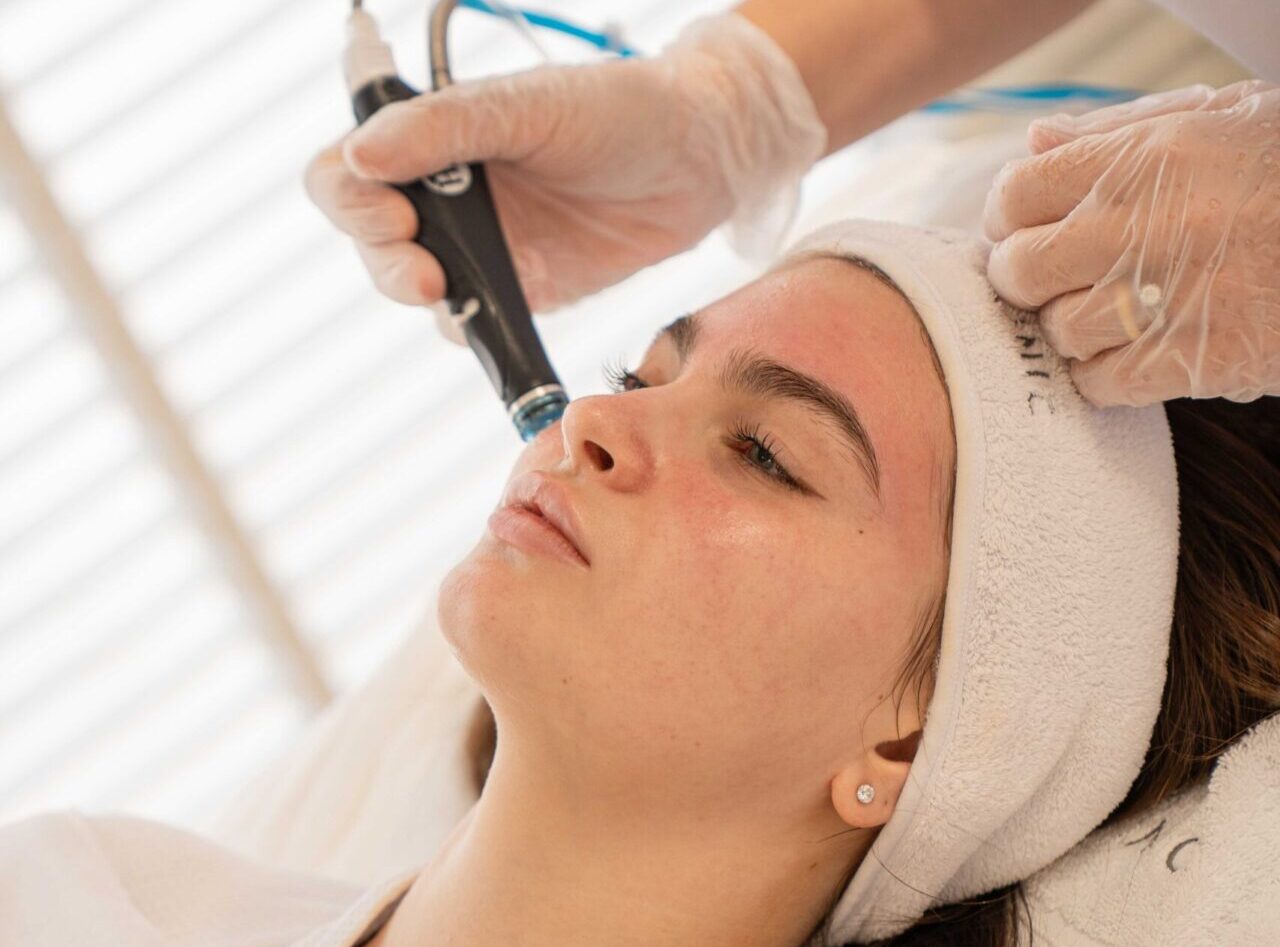
Taking the first step into aesthetic treatments can feel like a big moment, especially for Gen Z, who value confidence, clarity, and smart choices. Today’s treatments focus on subtle refinement, real results, and plans designed to match your lifestyle. This guide breaks everything down in a clear and supportive way so you understand what each step involves and how to choose treatments that suit your goals. You’ll learn what to expect, how to prepare, and how to navigate your options without pressure or confusion. Think of it as a starter roadmap that helps you make informed decisions with ease and self-assurance. Lucia Clinic Dubai skin therapists and dermatologists set the trends and advocate for natural-looking results and a holistic approach to aesthetic treatments. Knowing all this about Lucia Clinic’s team definitely helps you to feel less anxious about your aesthetic treatment, especially if you are a first-timer.

Non-Injectable Treatments – What to Expect

Generation Z is also primarily concerned about skin complexion – they want to minimize pores, acne scars, and other skin blemishes. Non-injectable facial treatments Dubai offers at Lucia Clinic support those goals with advanced, science-backed methods that refresh the skin without changing facial structure.

Here are some of the most popular options:

  • Chemical Peels: Help refine texture, soften marks, and improve overall clarity.
  • Laser Treatments: Target discoloration, scars, and uneven tone with precision.
  • Microneedling Dubai: Stimulates renewal and supports healthier, stronger skin.
  • Morpheus8: A next-level option that increases collagen and improves firmness while giving the skin a fresh glow.

These treatments suit Gen Z because they deliver natural improvement, steady progress, and long-term skin health without injectables.

Consultation at Lucia Clinic

A consultation is the key step before any non-injectable treatment. This is where you learn which option fits your skin goals and how each treatment will work for your specific concerns. Gen Z often deals with enlarged pores, pigmentation, acne scars, and uneven texture, so getting expert guidance makes the entire process clearer and safer.

If your skin concerns include large pores, pigmentation, acne, and other scars and uneven skin texture, laser therapies like Alma Hybrid are an excellent solution. This advanced treatment offers you the ultimate customization – every parameter can be set to address your concerns. It is a perfect combo of ablation for skin resurfacing and non-ablation for collagen boosting. Plus, it nourishes your skin with important nutrients.

Chemical peels are also effective for these skin issues, and during a consultation with Lucia’s skin expert, you can find out which chemical peel solution is best for your skin type and tone. There are lighter peels for gentle brightening, medium-depth peels for texture and pigmentation, and stronger resurfacing options for more noticeable marks. Lucia Clinic offers only the best quality chemical peel solutions, which effectively reduce your skin blemishes.

Lucia Clinic’s Microneedling is an advanced minimally invasive treatment that brings your skin texture to perfection. It involves using a handheld device called Dermapen, which has a tip with microneedles. These microneedles create micro-wounds in your targeted area that trigger your skin healing processes and help reduce acne and other scars, pigmentation, and fine lines. During your consultation, Lucia’s skin specialist determines if this treatment will be effective for you and, if so, how many sessions you need.

Finally, Morpheus8 is a brilliant skin texture improvement treatment, and it is creating a lot of buzz. It uses a powerful combo of micro-needling and RF energy to even out your skin texture. Your skin therapist will carefully examine your skin to determine if this treatment is suitable for your skin concerns.

Preparation

Before your non-injectable treatment, your dermatologist prepares your facial skin by cleansing it carefully. Each non-injectable treatment is different:

  • Alma Hybrid Laser: A topical numbing cream is applied to reduce discomfort, and you’ll wear protective eyewear throughout the session.
  • Chemical Peels: After cleansing, your dermatologist prepares the skin for the specific peel strength chosen during your consultation. This ensures even application and better absorption.
  • Microneedling (Dermapen): Your skin is cleansed again, and a suitable serum or solution is applied to support glide and boost results during the treatment.
  • Morpheus8: A topical numbing cream is used to keep you comfortable as the device combines microneedling with RF energy for deeper stimulation.

A woman looking in a mirror

Preparation is the key for aesthetic treatments

These preparation steps create a clean, safe, and effective foundation for your treatment, helping you achieve smoother and clearer results.

Treatment Process

Each non-injectable treatment follows a clear, structured process. Your dermatologist or skin therapist will guide you through every step so you know exactly what to expect, including sensation, duration, and how the device or solution works on your skin.

  • Alma Hybrid Laser: The dermatologist places the applicator on the targeted area and releases controlled pulses of laser energy. The device is moved in a stamping pattern to cover the full treatment zone. You may feel heat and light pressure, but the numbing cream helps keep you comfortable. Sessions usually last 20–40 minutes, depending on the size of the area. At the end, soothing products are applied to support healing and enhance results.
  • Chemical Peels: Your treatment starts with applying the chosen peel solution, selected during your consultation, according to depth and skin needs. You may feel mild tingling or warmth as the solution works. The peel remains on your skin for a set amount of time and is then neutralized or removed. The process can take 10–20 minutes. Your dermatologist follows the next steps based on the peel type, such as applying calming products or SPF.
  • Microneedling (Dermapen): The therapist glides the Dermapen across the skin in stamp-like motions. The microneedles create tiny micro-channels that trigger your skin’s repair process. You may feel slight pricking or vibration, but most clients find it very manageable. Treatments generally last 20–30 minutes. Afterward, a restorative serum or mask may be applied to enhance recovery.
  • Morpheus8: Once the numbing cream takes effect, the dermatologist presses the applicator onto your skin to deliver RF energy deep into the tissue through microneedles. This creates a warm, tightening sensation. The process is repeated until the entire area is covered. Sessions usually last 30–45 minutes. Most clients describe the treatment as intense but tolerable with numbing, and post-treatment redness is common.

Aftercare

Post-treatment aftercare is very important for the best results. For all non-injectable treatments, there is minimal to no downtime. But the results are outstanding – you may expect your skin to be smooth, clear, and free of skin blemishes.

After Alma Hybrid, you may experience mild redness and swelling, but the therapist can adjust the intensity of the treatment to suit your comfort level. That’s why the downtime is minimal. You will need a few sessions to achieve your aesthetic goals – smooth and evenly toned skin.

Chemical peels require proper aftercare, which includes using a homecare kit. Your dermatologist will advise you on how to care for your skin after the treatment. You may expect your skin to slowly peel off and exfoliate, and gradually reveal smooth, clear, and healthy skin.

After micro-needling, you may experience mild redness and swelling, which should stop after a few hours. Just remember to stay hydrated and avoid sun exposure. The results include smooth and even skin after a couple of weeks.

After Morpheus8, you may experience redness, swelling, and tenderness to the touch. Avoid using makeup and other products for the first 24 hours. After that, use a high SPF when going outside. You will see the first results after a couple of days. The results gradually improve as the collagen builds up under your skin. The best results are visible after 3 weeks.

Injectable Treatments – What to Expect

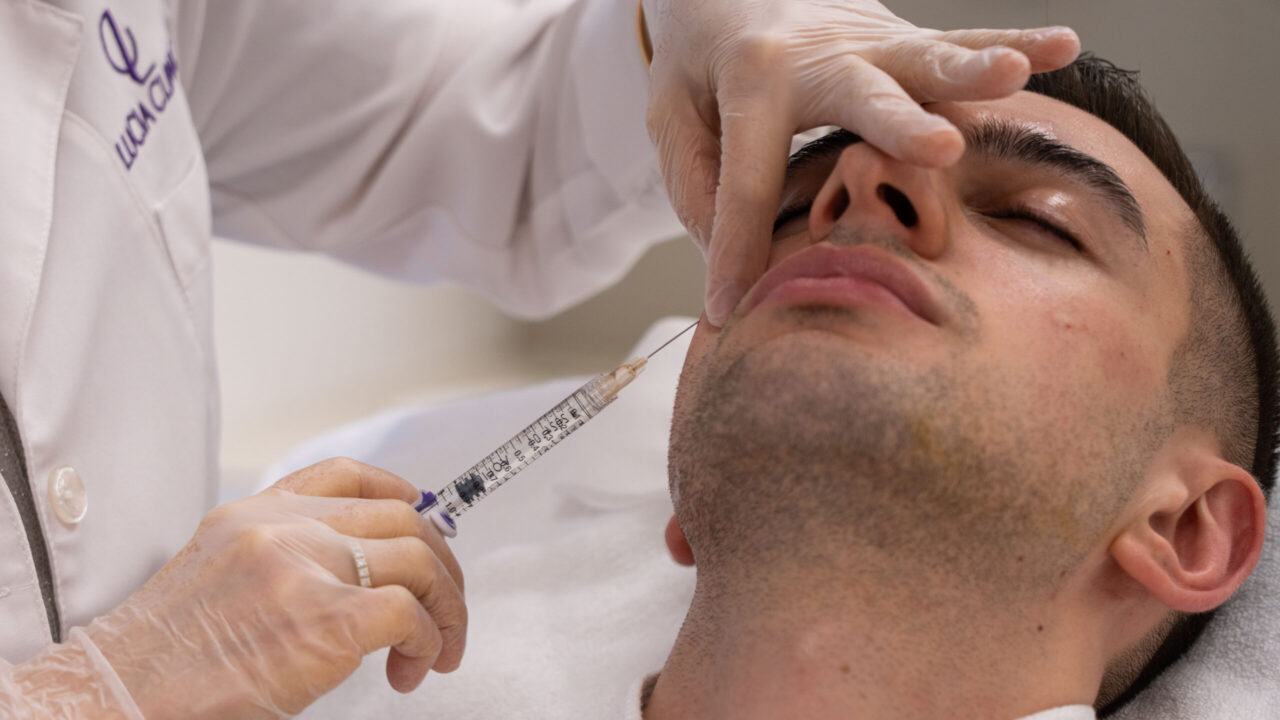
Lucia Clinic offers BOTOX and dermal fillers Dubai as two of the most effective options for subtle enhancements and routine skin maintenance. These treatments aren’t focused on age correction for Gen Z — instead, they help define features, smooth expression lines, and support long-term skin quality. They also allow a high level of customization, but achieving natural results depends on working with an experienced dermatologist who understands your goals.

The decision to begin injectables varies from person to person. Skin type, lifestyle, and personal preferences all play a role. Some choose to start Botox Dubai offers in their early 20s to soften expression lines before they set in, while others explore fillers later on to add contour or balance. During your consultation, your dermatologist will assess your skin and help you decide the ideal timing and treatment plan for you.

Consultation Before Treatment

Consultation is the first step at our derma clinic Dubai. That’s when you actually meet with your aesthetic dermatologist. They carefully examine your skin and ask you about your medical history. Here, you need to be completely honest and share every detail. Also, you need to be open about your aesthetic goals – what you want to achieve with injectables.

If you want to prevent expression lines, which start to appear in the late and early 30s, then Lucia’s baby Botox is your thing. It won’t give you a frozen doll effect. Baby Botox keeps all your facial expressions – it only relaxes your facial muscles just enough to prevent them from creating expression lines like Frown lines, Crow’s feet, or forehead lines.

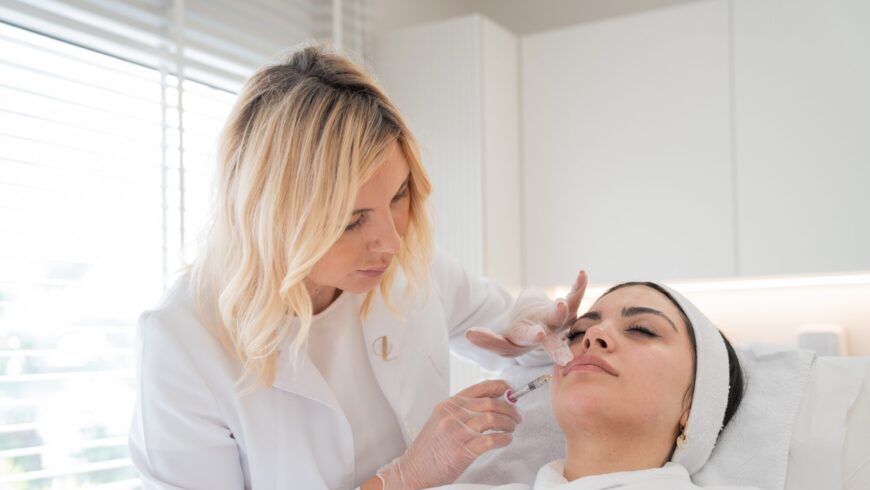
On the other hand, if you are bothered by thin or asymmetrical lips, then Lucia’s lip fillers Dubai are a great choice. They instantly add more volume to your lips with hyaluronic acid – it attracts water and makes your lips plumper and voluptuous. Again, less is more here, and natural- looking results are your outcome. Trout pout or duck faces are long gone. With dermal fillers, you will enhance your lips and make them more prominent, but don’t go overboard.

Together with Lucia Clinic’s specialists, you can create a customized treatment plan that includes injecting areas, the amount of the product, and the number of sessions. Having a thorough consultation is the only way you will be sure that the results will be excellent and exactly as you wanted them.

Finally, your aesthetic dermatologist will give you some important recommendations on how to prepare for the treatment. These recommendations may include staying hydrated and avoiding certain medications, like Aspirin. This greatly reduces the possibility of unwanted side effects like excessive bruising and swelling.

Preparation

On the day of your injectable treatment, arrive with a clean face free of makeup and skincare products. Your dermatologist will cleanse your skin again to ensure full hygiene and may apply a numbing cream if needed. Many injectable formulas already contain ingredients that reduce discomfort, so the treatment is usually well-tolerated.

Your dermatologist will also review any pre-treatment guidelines during your consultation, such as avoiding alcohol, certain supplements, or intense workouts for a short period before your appointment. These steps help reduce the chance of swelling or bruising.

Injection Process

Injectable treatments move quickly, but each step is handled with precision. Your dermatologist uses very fine needles, so the sensation is brief and usually easy to tolerate. Any mild pressure or pinch lasts only a second, and numbing measures help keep you comfortable throughout the session.

  • Baby Botox: Small, controlled amounts of product are placed into specific muscles, often around the eyes or forehead. The goal is to soften movement without changing your natural expression. The procedure usually takes under 15 minutes, and discomfort is minimal.
  • Dermal Fillers: The dermatologist places the filler into carefully selected points, such as the lips or cheeks, to add shape or symmetry. You may feel light pressure as the product enters, but the treatment is still quick. Results appear instantly, and most sessions finish within 20–30 minutes.

Both treatments are designed to fit easily into a busy Gen Z schedule, offering fast appointments, manageable discomfort, and noticeable results right away.

Aftercare

After Botox, there is no downtime – you can continue with your daily routine. Just steer clear of strenuous exercise. Also, don’t massage the injected spots or lie flat for a few hours – this may cause Botox to migrate, and you won’t get the expected results. You can freely apply makeup right after the treatment and return to work, for example. If you do develop side effects like bruising, redness, or swelling, they should resolve after a couple of hours.
After a couple of days, the magic of Botox happens. Your skin is smooth and youthful, without lines. Plus, you still can make all your facial expressions and look like yourself – only a bit rejuvenated and enhanced.

After Dermal fillers, you can go back to your daily routine, since there is no downtime. It’s a perfect treatment to fit into your lunch break. Side effects are minimal – you may develop slight bruising, redness, or swelling, but it should all pass in a couple of days. Just avoid sun exposure, strenuous exercise, and makeup for 24 hours after the treatment. As we said, the results are instant, and you usually need only one session to reach your aesthetic goals – fuller, plumper, or more symmetrical lips.

Your Skin, Your Rules: Gen Z’s Path to Safe Aesthetic Treatments

Starting your aesthetic journey should feel exciting, not overwhelming. With the right guidance, Gen Z can explore both non-injectable and injectable treatments in a safe, informed, and confident way. Understanding each step — from consultation to treatment — helps you choose options that match your goals and support long-term skin health. Whether you’re aiming for clearer skin, subtle refinement, or routine maintenance, a personalized plan crafted with an experienced dermatologist ensures your results look fresh, natural, and true to you. For more information, visit Lucia Clinic and schedule your consultation with the best dermatologists and skin specialists.

Lip Fillers in Dubai – FAQ

Full, balanced lips have become a defining feature of modern beauty, and lip fillers offer a safe and effective way to achieve them. In Dubai, where aesthetic treatments meet the highest global standards, Lucia Clinic stands out for its expertise in natural-looking lip enhancement. This FAQ guide covers everything you need to know before booking your appointment — from how the treatment works to what results you can expect. Whether you’re considering subtle volume or a refined contour, this overview will help you make an informed decision.

What are lip fillers?

Lip filler treatment is a minimally invasive procedure that involves injecting Hyaluronic acid (HA) based filler into the lips. The filler adds extra plumpness to your lips and gives the pout that your lip liners cannot provide. There are various fillers available in Dubai today that can add the desired shape, structure, and volume. Juvéderm is one of the popular FDA-approved choices among the celebs.

What types of lip filler materials do you use?

Lucia Clinic primarily uses hyaluronic acid (HA)-based fillers for lip enhancement, known for their safety, reversibility, and natural feel. These fillers come from leading brands such as Juvéderm, Restylane, and Teoxane, all FDA-approved and widely trusted in aesthetic medicine. HA is a substance naturally found in the body, which means it integrates smoothly into the lips, helping them stay soft and hydrated while adding volume and definition.

Each product has a slightly different consistency and durability — some offer subtle shaping, while others create fuller results that last 6 to 12 months. Because HA fillers can be dissolved with hyaluronidase, patients have peace of mind knowing that adjustments are always possible.

How long do lip fillers typically last?

Lip fillers at Lucia Clinic typically last 6 to 12 months, depending on the product and individual factors. The fillers gradually break down over time, allowing the lips to return to their natural shape if not maintained. Longevity can vary based on metabolism, lifestyle habits, and filler type. For example, people with faster metabolisms or those who frequently talk, smile, or exercise may notice results fade sooner.

Is the procedure painful, and do you use numbing?

The lip filler procedure at Lucia Clinic is designed to be as comfortable as possible. Before treatment, a topical numbing cream is applied to the lips and surrounding area to minimize discomfort. Most fillers used at the clinic also contain lidocaine, a mild anesthetic that helps reduce any pain during the injection itself.

Patients usually describe the sensation as a quick pinch or light pressure rather than actual pain. The numbing effect lasts throughout the procedure, which typically takes less than 30 minutes. Afterward, it’s normal to experience mild swelling or tenderness for a short period, but these effects fade within a few days.

How long is the recovery, and what should I expect afterward?

Recovery after lip fillers at Lucia Clinic is usually quick and uncomplicated. Most patients resume normal activities within a few hours, though mild swelling or tenderness can last one to three days. The lips may feel slightly firm at first, but they soften naturally as the filler settles.

Are there any side effects or risks associated with lip fillers?

Like all cosmetic procedures, lip fillers may cause mild and temporary side effects. Most reactions are normal and fade within a few days.

Common side effects include:

  • Mild swelling or redness around the lips
  • Slight tenderness or sensitivity to touch
  • Small bruises at injection points
  • Temporary firmness or small bumps as the filler settles

Rare but possible risks include:

  • Infection at the injection site
  • Allergic reaction to filler ingredients
  • Uneven results or filler migration
  • Vascular complications if the filler enters a blood vessel

Who is a good candidate for lip fillers?

Lip fillers are right for everyone when done right. Dr. Radmila Lukian can give you the correct advice on the kind of look that will complement your facial features. Therefore, a detailed consultation at Lucia Aesthetic Clinic is very important to discuss the expectations for the lip filler treatment. It is always advised to increase the size gradually to make the results look natural.

How do I prepare for a lip filler appointment?

Preparing for a lip filler appointment is simple and helps ensure the best results with minimal side effects. The clinic provides clear pre-treatment guidelines, and following them closely can make a noticeable difference.

Here’s how to get ready:

  • Avoid blood thinners such as aspirin, ibuprofen, or supplements like fish oil and vitamin E for about a week before treatment, unless prescribed by your doctor.
  • Skip alcohol and caffeine for 24 hours before your appointment to reduce the risk of bruising or swelling.
  • Stay hydrated and eat a light meal beforehand to keep blood sugar stable.
  • Avoid dental procedures or vaccinations for two weeks before and after treatment, as these can affect healing.
  • Arrive with clean skin — no makeup or lip products.
  • Inform your practitioner if you have a history of cold sores, as medication may be prescribed to prevent flare-ups.

What aftercare steps should I take to prolong results?

After getting lip fillers, it’s important to follow proper aftercare to maintain results and support healing. Avoid touching or pressing the lips for the first 24 hours, as the filler needs time to settle evenly. Refrain from intense exercise, alcohol, and excessive heat exposure, such as saunas or sunbathing, for at least two days to reduce swelling. Stay hydrated, but try not to use straws or drink very hot beverages immediately after treatment. Light swelling or tenderness is normal and usually fades within a few days. Applying a cold compress can help relieve discomfort.

When should I schedule a follow-up or touch-up?

A follow-up appointment at Lucia Clinic is usually recommended about two weeks after your lip filler treatment. This visit allows your practitioner to assess how the filler has settled, ensure symmetry, and make any small adjustments if needed. Since mild swelling can affect the initial appearance, waiting this short period helps the specialist evaluate the true results.

For maintaining long-term volume and shape, most clients schedule touch-ups every 8 to 12 months. The exact timing depends on the filler type, your metabolism, and personal preference. If you notice your lips starting to lose fullness or definition before that time, you can arrange an earlier appointment.

Can lip fillers be combined with other cosmetic treatments?

Yes — lip fillers can be paired with other cosmetic treatments to enhance overall results. For example, combining fillers with Botox Dubai (a neurotoxin) can help soften lines around the mouth and create a fuller look without relying on volume alone.

Other options include skin-boosting treatments or light surface resurfacing procedures (such as lasers or chemical peels Dubai) to improve the texture and tone of the skin around the lips.

When doing multiple treatments, timing matters — your practitioner may suggest spacing them out so your lips and surrounding tissues settle between procedures.

Are there restrictions on activities (exercise, sun exposure, etc.) after filling?

After lip filler treatment at Lucia Clinic, a few short-term activity restrictions help the lips heal and maintain even results. For the first 24 to 48 hours, avoid strenuous exercise, as increased blood flow can worsen swelling or bruising. It’s also best to stay out of saunas, steam rooms, and direct sunlight during this time, since heat can cause inflammation.

You should skip alcohol and very salty foods for the first day, as both can increase swelling. Try not to press or massage your lips unless your practitioner instructs otherwise. When outdoors, use a broad-spectrum sunscreen or lip balm with SPF to protect the treated area.

What results can I realistically expect from lip fillers?

Right after the injections, your lips will already look fuller and more defined. The effect often includes greater volume, smoother lip lines, and improved symmetry. The enhancement will appear natural, matching your facial features and respecting your unique shape and proportions. As one source puts it: “they’re not aiming for a celebrity look unless that fits your face.”

What factors influence how quickly the filler breaks down?

Several factors determine how long lip fillers last and how quickly they break down. The most significant one is metabolism — people with faster metabolisms tend to absorb hyaluronic acid fillers more quickly. The type of filler also plays a role, as thicker, more cross-linked gels last longer than softer formulations.

Lifestyle habits can influence longevity, too. Frequent exercise, smoking, and sun exposure can accelerate filler breakdown by increasing blood flow and collagen turnover. Constant lip movement — talking, eating, or expressing emotions — also contributes to a shorter duration compared to fillers in less active facial areas.

Hydration levels and skincare routines can have an impact as well. Well-hydrated lips help maintain filler volume, while dehydration or excessive exfoliation may shorten results.

Can I have lip fillers if I have a cold sore history?

Yes, you can still get lip fillers if you have a history of cold sores, but extra precautions are necessary. At Lucia Clinic, clients with previous herpes simplex outbreaks are advised to inform their practitioner before treatment. In such cases, the doctor typically prescribes an antiviral medication like acyclovir or valacyclovir a few days before and after the procedure. This preventive step helps lower the risk of a flare-up, which can sometimes be triggered by the needle punctures or mild stress to the lips.

If you currently have an active cold sore, treatment must be postponed until it fully heals, as injecting during an outbreak can spread the virus and delay recovery. With proper preparation and medical guidance, most people with a cold sore history safely undergo lip filler treatments without complications.

How do you choose the correct amount and shape for my lips?

At Lucia Clinic, the correct amount and shape of filler are chosen through a detailed consultation that focuses on balance, harmony, and your unique facial features. The process begins with an assessment of your lip anatomy, including natural shape, size, symmetry, and the relationship between the upper and lower lips. The practitioner also considers your facial proportions, ensuring the results look natural and complement your profile.

Your goals are then discussed—some clients prefer subtle definition, while others want noticeable volume. Based on this, the practitioner selects the filler type and determines the exact amount, typically ranging from 0.5 to 1 syringe for first-time treatments. The idea is to enhance, not overpower, your features.

Lucia Clinic’s specialists often use reference photos and digital previews to visualize potential results. Every injection is performed with precision, layering the filler gradually to maintain full control over shape and symmetry. For clients seeking a more balanced appearance, Lucia Clinic also offers customized facial treatments Dubai that complement lip enhancement. These procedures help refine contours, smooth the skin, and enhance natural harmony across the face.

How safe are lip fillers, and what qualifications should the injector have?

Lip fillers are considered safe when performed by qualified medical professionals using FDA-approved products. At Lucia Clinic, treatments are carried out by licensed practitioners who specialize in aesthetic medicine and have extensive knowledge of facial anatomy. Using hyaluronic acid-based fillers, which are naturally found in the body, greatly reduces the risk of allergic reactions. These fillers can also be safely dissolved if necessary, adding another layer of safety.

A woman getting lip fillers

There are many FAQs about lip fillers.

The injector’s qualifications are the most important factor in achieving both safety and natural results. Your practitioner should be a board-certified doctor with formal training in injectables and experience handling potential complications. Treatments should always take place in a clean, medical environment with sterile equipment.

What is the cost of lip fillers in Dubai?

At Lucia Clinic, lip filler pricing is discussed during your personal consultation. The cost depends on factors like the type of filler used, the amount needed to achieve your desired look, and the practitioner’s recommendation. Since every treatment is tailored to the individual, the exact price is determined after your assessment. During the consultation, the specialist will explain the available options, outline the expected results, and provide a clear estimate before beginning the procedure.

Schedule your consultation today!

Looking for an expert for fillers in Dubai? Schedule a consultation with our experts. In addition to lip fillers, Lucia Clinic offers a wide range of aesthetic options, including wrinkle treatments, skin boosters, and facial contouring procedures — all performed with precision to create balanced, natural-looking results.